Toggle light / dark theme

Get the latest international news and world events from around the world.

Log in for authorized contributors

Milkweed evolves ‘mind-blowing’ tactic to fight monarchs

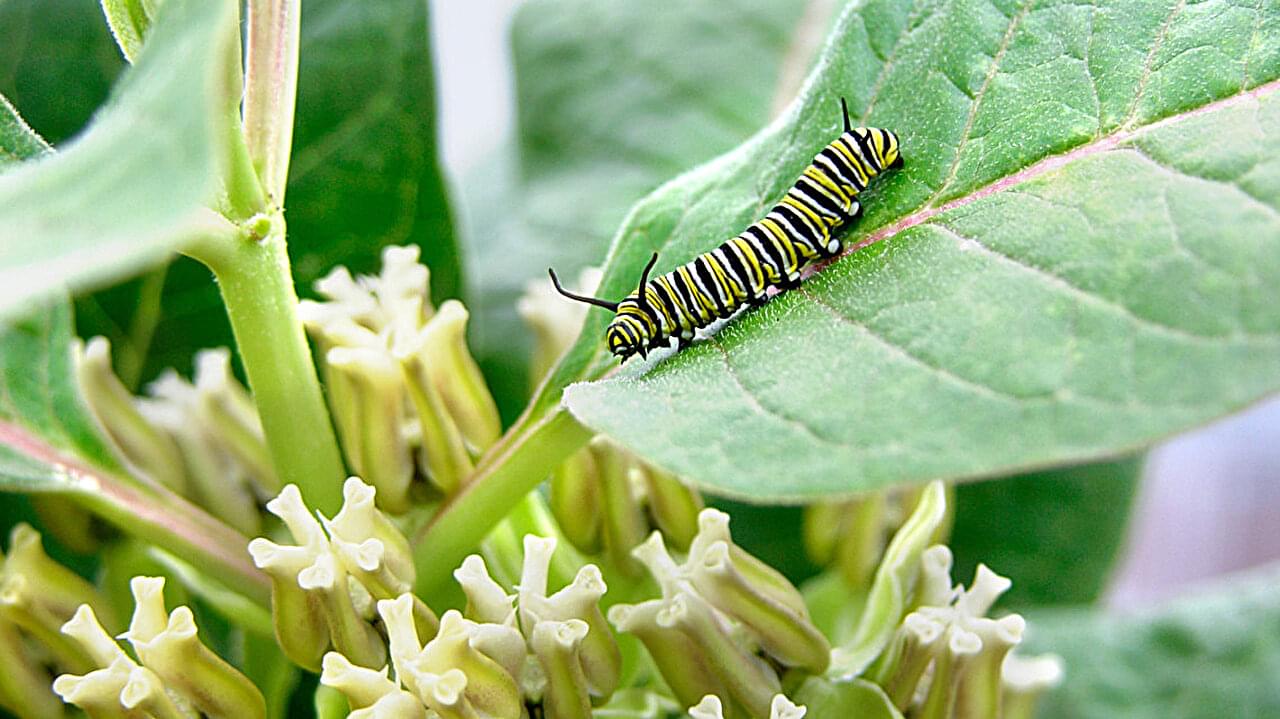
Milkweed has found a new strategy in its epic evolutionary battle with monarch butterflies: upgrading its toxins to outmaneuver the monarch’s resistance. In a new study, published in the Proceedings of the National Academy of Sciences, researchers find that adding a small structural element containing nitrogen and sulfur to milkweed’s toxins circumvents monarchs’ ability to block them. The research sheds light on an underappreciated evolutionary tactic for plants: that not only can they increase their levels of toxicity, they can also structurally innovate to create new classes or subclasses of toxins.

“This structural innovation is a new axis for defining chemical toxins in the natural world,” said co-author Christophe Duplais, associate professor of entomology at Cornell AgriTech, in the College of Agriculture and Life Sciences (CALS). “This very simple modification makes a huge difference in terms of its ecological effect, because now this molecule is toxic to the monarch.”

Milkweed and monarchs have coevolved over millions of years, each building defenses and counter-defenses. One such defense is the monarchs’ ability to block milkweed’s toxins, called cardenolides, from binding to their target enzyme in the monarch’s cells. Monarchs have even evolved to sequester the toxins in their wings, to poison birds that peck at them.
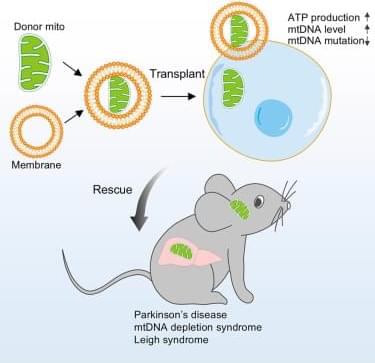
Transplantation of encapsulated mitochondria alleviates dysfunction in mitochondrial and Parkinson’s disease models

Now online! A mitochondrial transplantation approach rescues mitochondrial deficiency and prevents mitochondrial DNA depletion syndrome, Leigh syndrome, and Parkinson’s disease in cellular and mouse models.

Inside the Gigantic Universe

Physicist Jim Al-Khalili explores the incomprehensible scale of the universe. A cosmic journey into the laws of gravity, relativity, and the formation of supergalaxies. Discover how the largest structures shape our understanding of the cosmos itself.

Director: Tim Usborne.
Writers: Jim Al-Khalili, Tim Usborne.
Stars: Prof. Jim Al-Khalili (Physicist, Presenter)
Genre: Science Documentary, Physics, Cosmology.
Country: United Kingdom.
Language: English Also Known As: Secrets of Size: Going Big (BBC)
Release Date: 2022
Filming Location: United Kingdom / Various International Locations.

Synopsis:

In this second episode of the fascinating series Secrets of Size, Professor Jim Al-Khalili takes us on a cosmic journey into the immensity, exploring the largest scale of the universe.

We leave behind the quantum realm to focus on the forces that govern the largest structures: gravity and relativity. Al-Khalili explains how these laws shape the existence of galaxies, galaxy clusters, and the immense supergalaxies.

The episode reveals the incomprehensible scale of the cosmos, where time and space are distorted, and how the study of these giants allows us to understand the origin, evolution, and perhaps the ultimate destiny of the universe itself.

Impact of Age at Onset on Relapse and Disability in AQP4-IgG Neuromyelitis Optica Spectrum Disorder

In this multicenter cohort of over 500 patients with AQP4-IgG NMOSD, age at disease onset did not influence annualized relapse rate or time to first relapse. However, older age at onset correlated with greater long-term disability.


Background and Objectives.

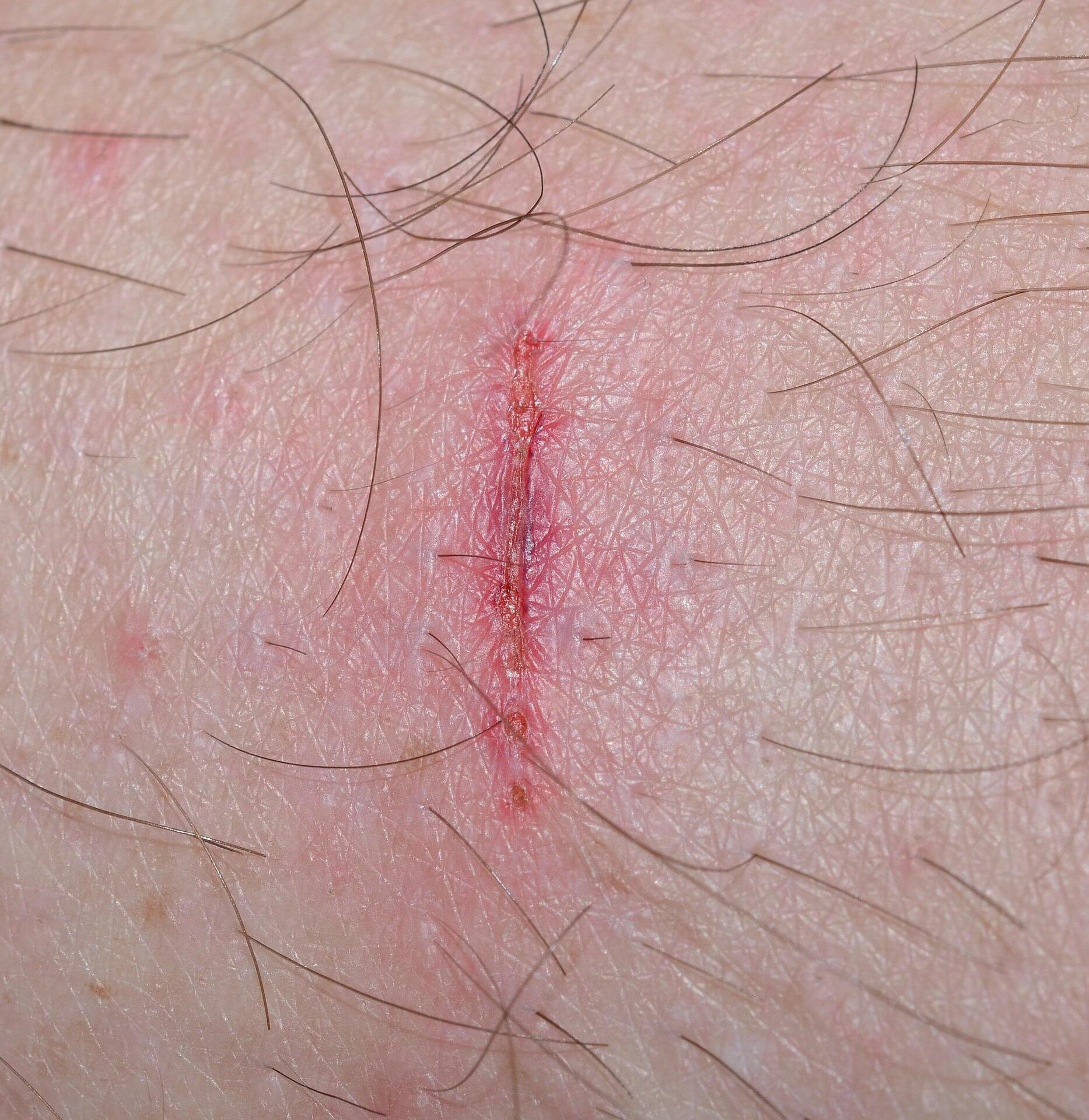
Smart wound dressing delivers antibiotics on-demand, accelerating healing and reducing resistance

Biomedical engineers from Brown University have developed a new wound dressing material that releases antibiotic drugs only when harmful bacteria are present in a wound. In the new study, published in the journal Science Advances, the researchers show that the material could help rapidly clear wound infections to accelerate healing while reducing the unnecessary use of antibiotics—a major driver of antibiotic resistance and hard-to-treat “superbug” infections that claim tens of thousands of lives worldwide each year.

The new material is a smart hydrogel loaded with an antibiotic cargo that can be placed directly on a wound under a bandage. The hydrogel is sensitive to an enzyme produced by many different types of harmful bacteria.

When the enzyme is present, the hydrogel starts to degrade, releasing the antibiotics trapped inside. But when no harmful bacteria are present, the hydrogel stays intact, safely locking its antibiotic cargo away.

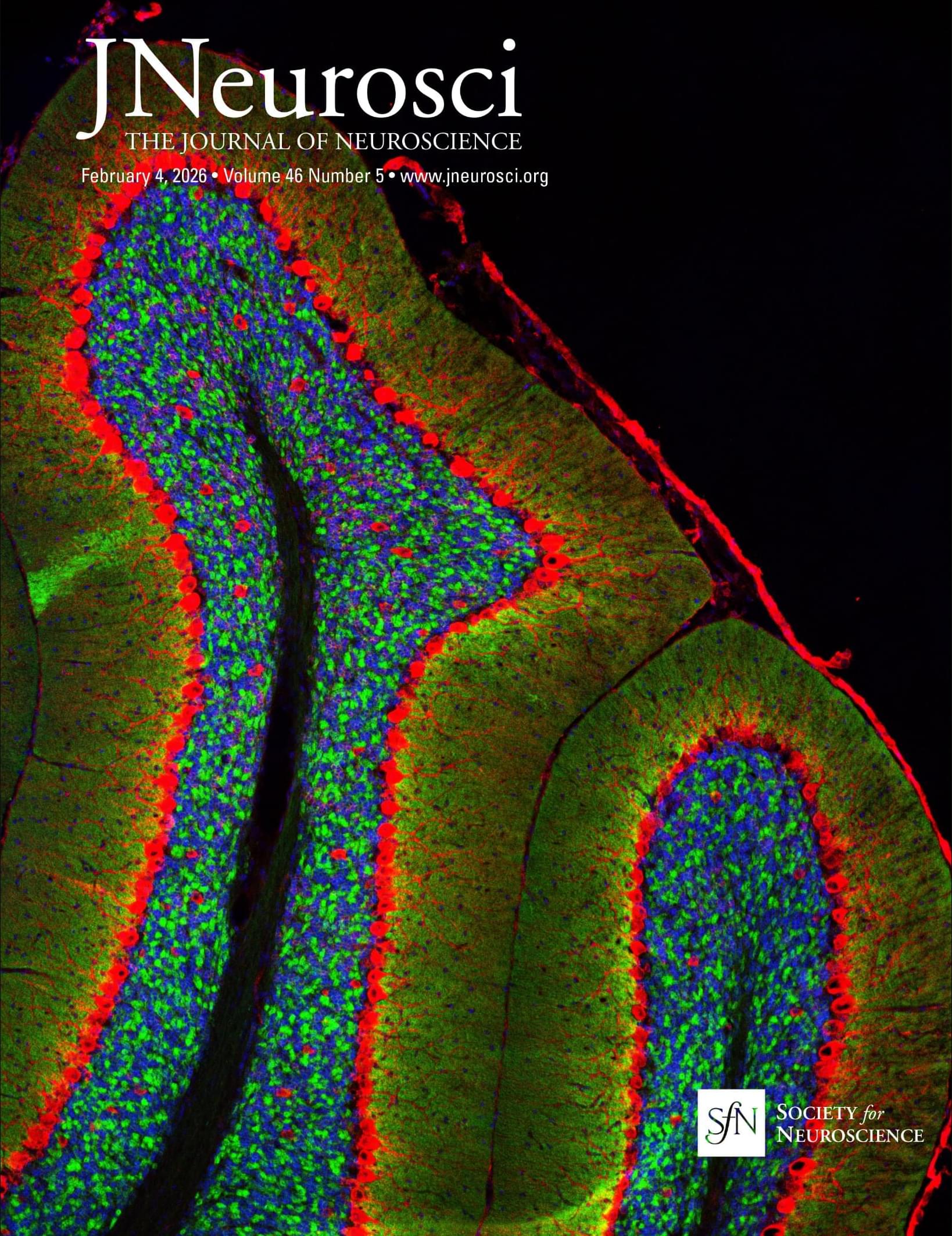
Caudal Granular Insular Cortex to Somatosensory Cortex I: A Critical Pathway for the Transition of Acute to Chronic Pain

Small-molecule enhancement of METTL3 S-palmitoylation as a therapeutic strategy for osteoarthritis.


METTL3 undergoes S-palmitoylation, which promotes cytoplasmic phase separation to facilitate mRNA translation and maintain its stability. We identify a small molecule that enhances this modification, providing a mechanistic basis for a potential osteoarthritis therapy.

Abstract: Facilitating precision therapy in Prostate Cancer…

Facilitating precision therapy in Prostate Cancer…

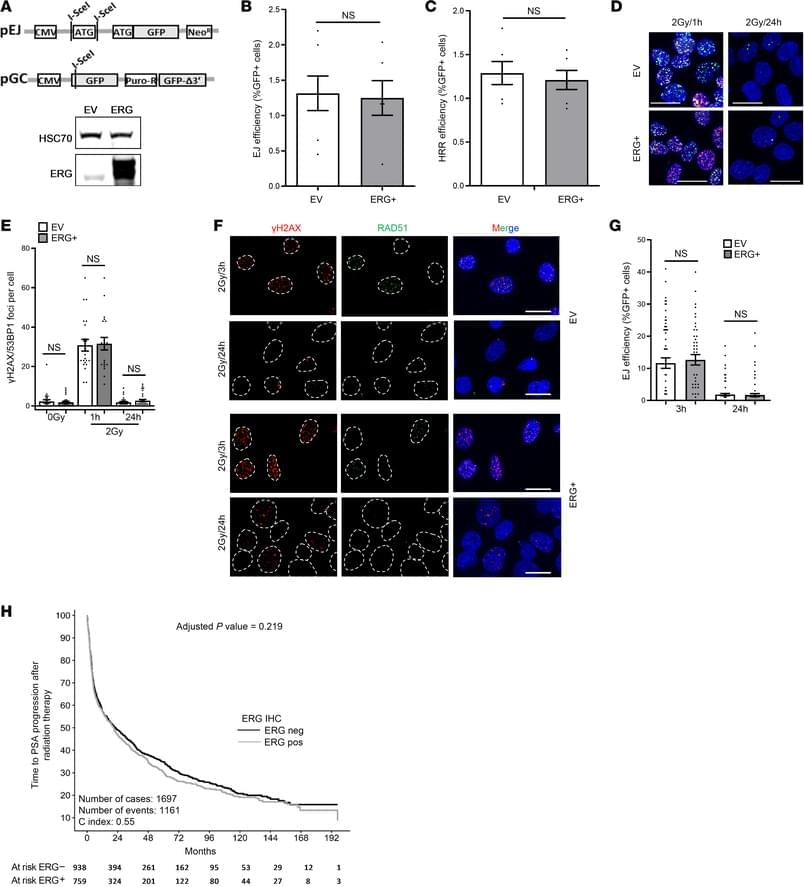
https://doi.org/10.1172/JCI194949 Wael Y. Mansour & team discover ERG overexpression as a biomarker for identifying patients with prostate cancer who can benefit from PARPi-based radiosensitization, enhancing radiotherapy efficacy and reducing toxicity. The image: Samples of an ERG-positive PCa tumor following irradiation and PARP inhibition reveal a bystander effect; p53-binding protein 1 foci (red) in ERG-positive (green) and ERG-negative cells; nuclei (blue).


1Department of Radiotherapy and Radiooncology and.

2Mildred Scheel Cancer Career Center HaTriCS4, University Medical Center Hamburg-Eppendorf, Hamburg, Germany.

3Pharmacology and Experimental Oncology Unit, Cancer Biology Department, National Cancer Institute, Cairo University, Cairo, Egypt.

The problem with pretending quantum mechanics makes sense

Become a Big Think member to unlock expert classes, premium print issues, exclusive events and more: https://bigthink.com/membership/?utm_… Become a Big Think member to unlock expert classes, premium print issues, exclusive events and more: https://bigthink.com/membership/?utm_

Up next, Sean Carroll explains the biggest ideas in the universe | Full Interview ► • Sean Carroll explains the biggest ideas in…

A century after the birth of quantum mechanics, physicists still argue about what the theory is really describing. Does the wave function represent something real, or just our knowledge? Why does “measurement” appear in the laws of nature at all?

Sean Carroll reveals how quantum mechanics solved one set of problems while creating a deeper one.

© Freethink Media Inc., All Rights Reserved.

Go Deeper with Big Think:

Quantum entanglement and the illusion of time, in 79 minutes

Become a Big Think member to unlock expert classes, premium print issues, exclusive events and more: https://bigthink.com/membership/?utm_

Preorder Jim Al-Khalili’s forthcoming book, On Time: The Physics That Makes the Universe, here: https://www.amazon.com/Time-Physics-T?tag=lifeboatfound-20

Up next.
Brian Cox: The quantum roots of reality | Full Interview ► • Brian Cox: The quantum roots of reality |…

Time feels obvious, but physics tells a stranger story about its existence: Theoretical physicist Jim Al-Khalili explores why our sense of time may be incredibly misleading, including the idea that past, present, and future might all exist at once.

0:00 Chapter 1: Does time flow?
2:42 Why Time Feels Faster as We Age.
3:56 Time and Change in Philosophy and Physics.
5:28 Einstein and the End of Absolute Time.
6:19 Time in the Equations of Physics.
7:50 Chapter 2: How do we reconcile quantum field theory with the general theory of relativity?
12:10 Evidence for Time Dilation: Muons.
14:29 Gravity Slows Time: General Relativity.
19:22 Space-Time and the Block Universe.
21:55 Does Time Really Exist?
26:33 The Debate: Eternalism vs Presentism.
34:12 Chapter 3: Is There a “Now”?
40:40 Chapter 4: Why Does Thermodynamics Have a Direction in Time?
49:38 Quantum Entanglement and the Direction of Time.
55:10 Did Time Begin at the Big Bang?
45:00 Will Time End?
1:05:40 Chapter 5: Is Time Travel Possible?

Read more

/* */