Some say there’s a global crisis of trust — but research reveals where the real problems lie.

Divers discovered strange geometric formations on the ocean floor in 1995. It took until 2011 to find the tiny, poisonous architect behind them—and we’re still unraveling why it builds them.
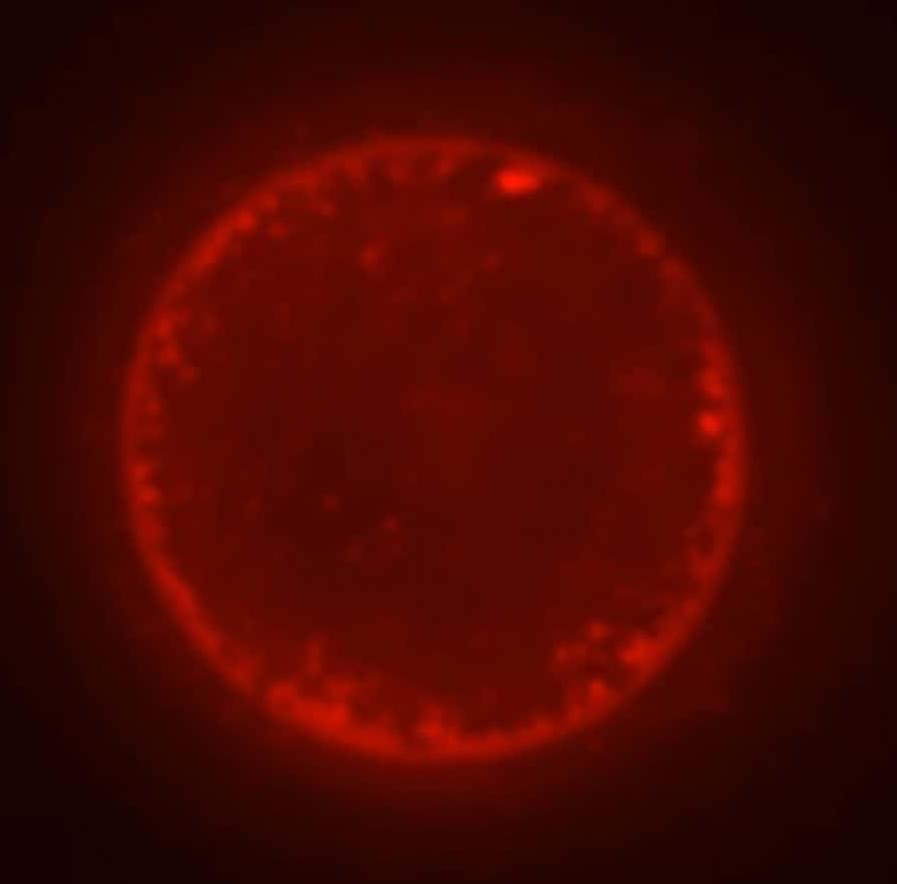


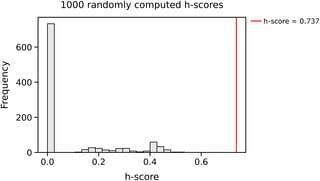
Senescence is a key manifestation of aging at the cellular level, caused by damage incurred by cells in time. In spite of their wide-ranging implications on how our multicellular bodies age, senescent cells are very challenging to identify due to their complex nature: many different aspects of cells are affected by this cellular state. This complicates defining clear criteria that help us decide whether a cell is senescent or not. In this paper, we propose a computational pipeline that enables us to identify a small subset of genes associated with senescence. The method combines two approaches commonly used in the study of networks, community detection and node centrality, and applies them to gene expression data obtained from the muscle tissue of mice after damage. The results obtained can contribute to establish the molecular correlates of a complex cellular state such as senescence.
Citation: Sabalic A, Moiseeva V, Cisneros A, Deryagin O, Perdiguero E, Muñoz-Cánoves P, et al. (2026) Cell-type resolved transcriptional network analysis of in vivo cellular senescence following injury. PLoS Comput Biol 22: e1014429. https://doi.org/10.1371/journal.pcbi.
Editor: Christoph Kaleta, Christian Albrechts Universitat zu Kiel, GERMANY.
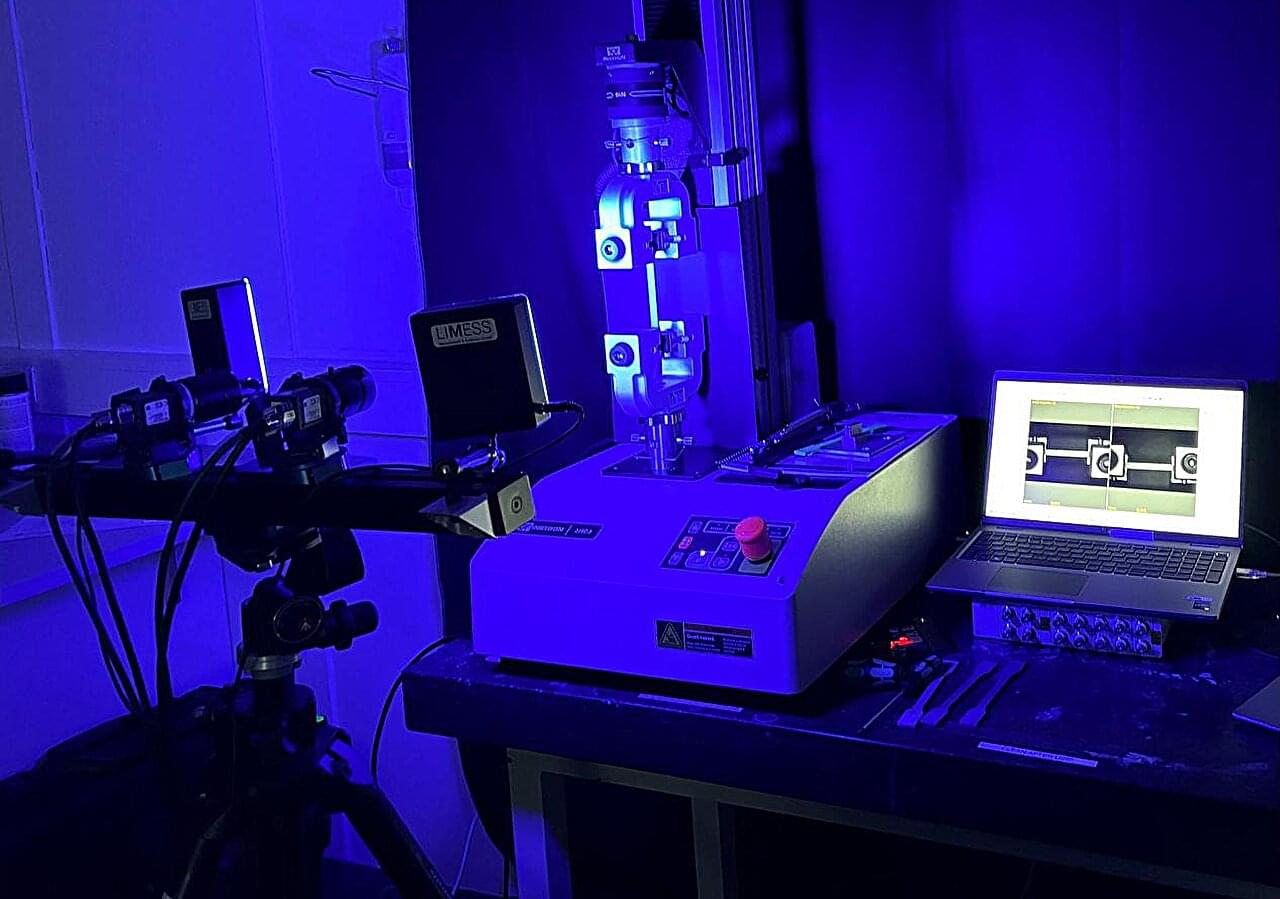
Additive manufacturing, such as 3D printing, provides an excellent opportunity to design metamaterials: materials with an engineered structure that leads to desired properties such as, for instance, resistance to vibrations. However, a major challenge was that the predicted metamaterial response often failed to match real-world behavior.
Researchers at the University of Groningen have now shown that the unexpected behavior of 3D-printed metamaterial structures is not due to structural defects, as was commonly believed, but that the material simply needs to be properly characterized to obtain models with high predictive accuracy. The results were published in Materials Horizons on June 3, 2026.
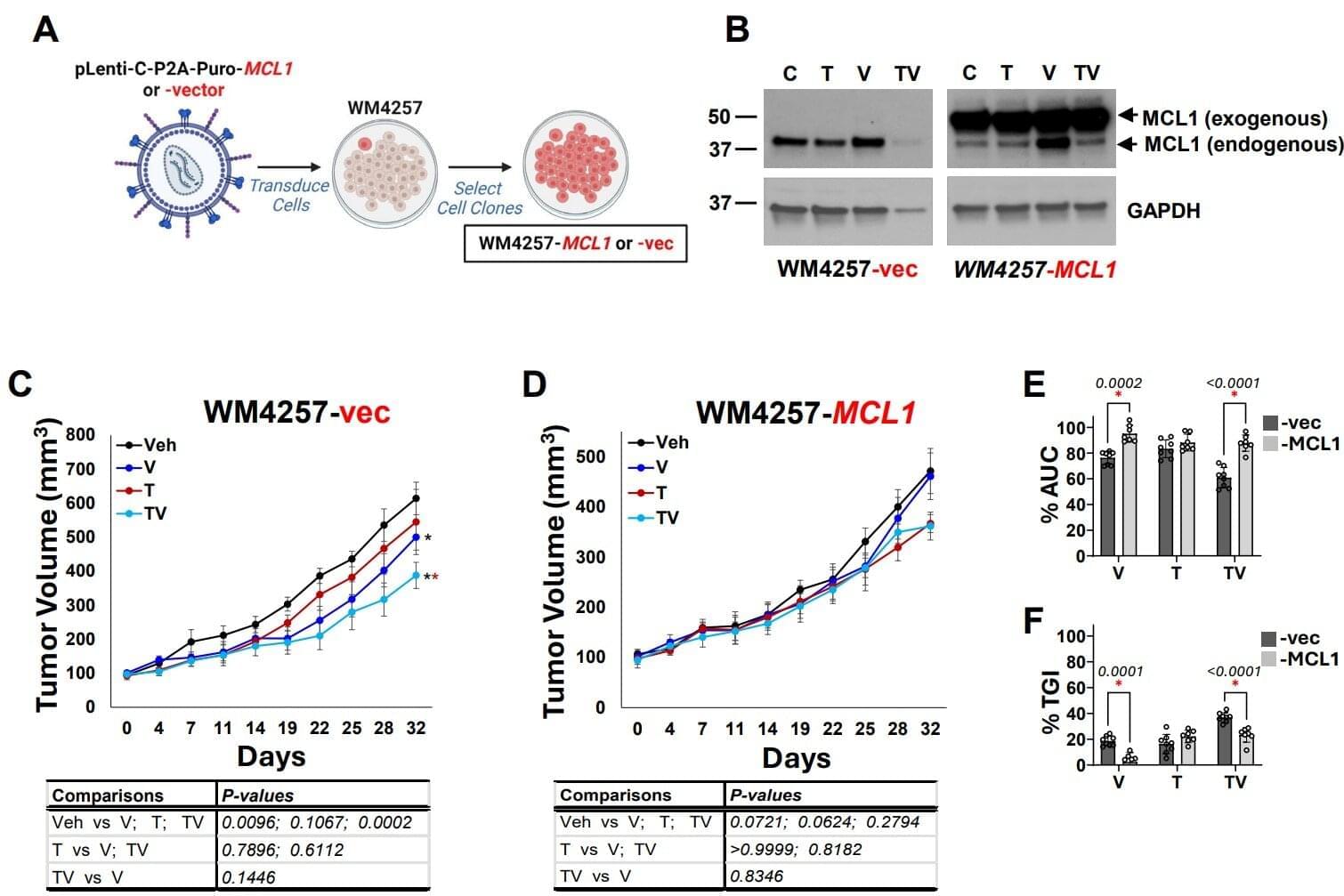
A new study led by researchers at The University of Texas MD Anderson Cancer Center has identified a way to tailor drug combinations based on specific tumor biology to improve outcomes for treatment-resistant advanced melanoma.
In preclinical models from patients with treatment-resistant tumors, combining standard BRAF and MEK inhibitors with a drug to block proteins in the BCL2 family—which drive tumor growth—induced tumor regression in a molecularly defined subset of resistant tumors, suggesting a path toward biomarker-guided therapy.
The study, published in Nature Communications, was led by Vashisht Gopal Yennu Nanda, Ph.D., associate professor of Melanoma Medical Oncology and Translational Molecular Pathology, in collaboration with senior author Michael A. Davies, M.D., Ph.D., chair of Melanoma Medical Oncology.