Startup Shengshu plans to use the money for a “general world model,” paving the way for more practical robot applications.


Can a wall get stronger the more it breaks, and greener the more it stands? Swiss scientists say buildings are about to start breathing and devouring carbon, and the concrete status quo will not like the math.
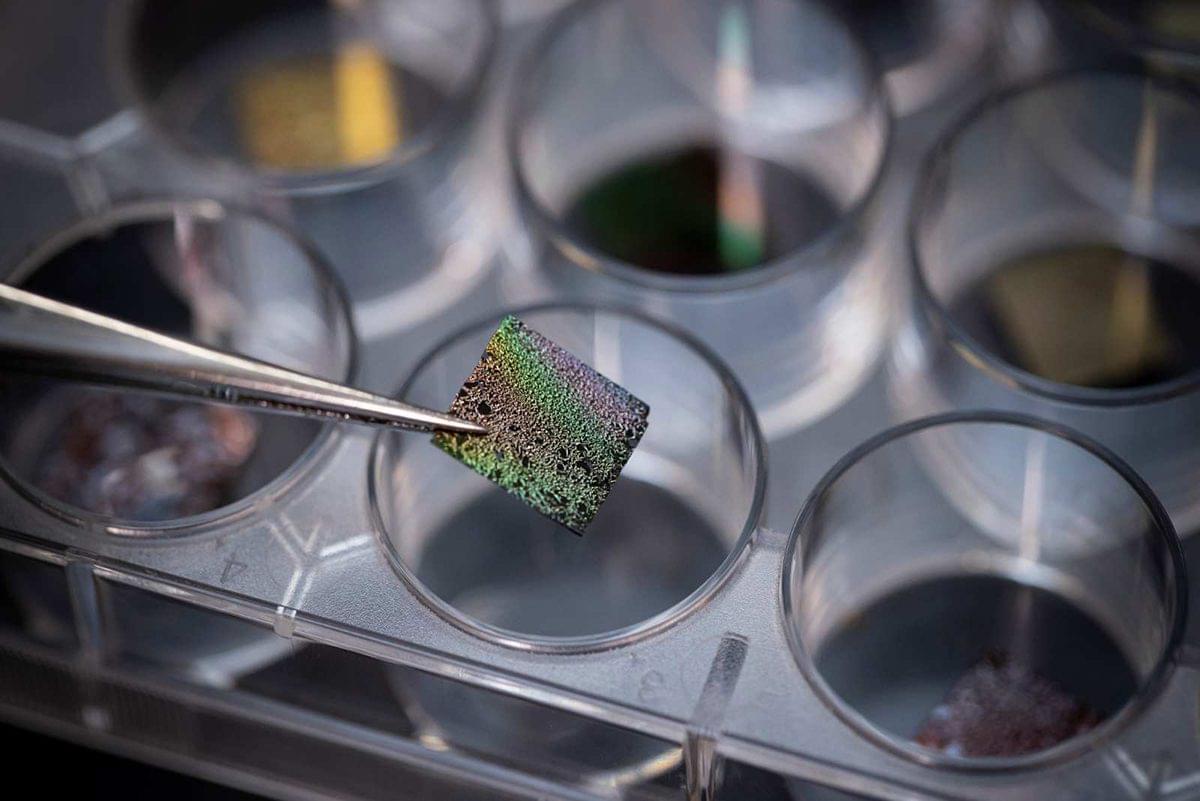
From a Zurich lab comes a building skin that inhales carbon, knits its own cracks and grows sturdier with time. Researchers at ETH Zurich embedded photosynthetic cyanobacteria in a 3D printed hydrogel, creating a living material that draws down CO₂ and strengthens over time, its chlorophyll tinting it green. Across 400 days of testing, a prototype matched the yearly uptake of a 20-year-old pine, pulling in up to 18 kilograms of CO₂, while each gram of the base material fixes about 26 milligrams. Detailed in Nature Communications on April 6, 2026 and co-authored by Mark Tibbitt, the work points to facades that do carbon duty as part of everyday architecture.
Some breakthroughs feel both surprising and oddly familiar, like rediscovering a tool nature kept in plain sight. Swiss scientists have blended biology with architecture to shape a new kind of material that lives with its surroundings. It repairs small cracks, it sips CO2 from the air, and it quietly strengthens with time. The promise is simple, and bold: buildings that help clean the sky.


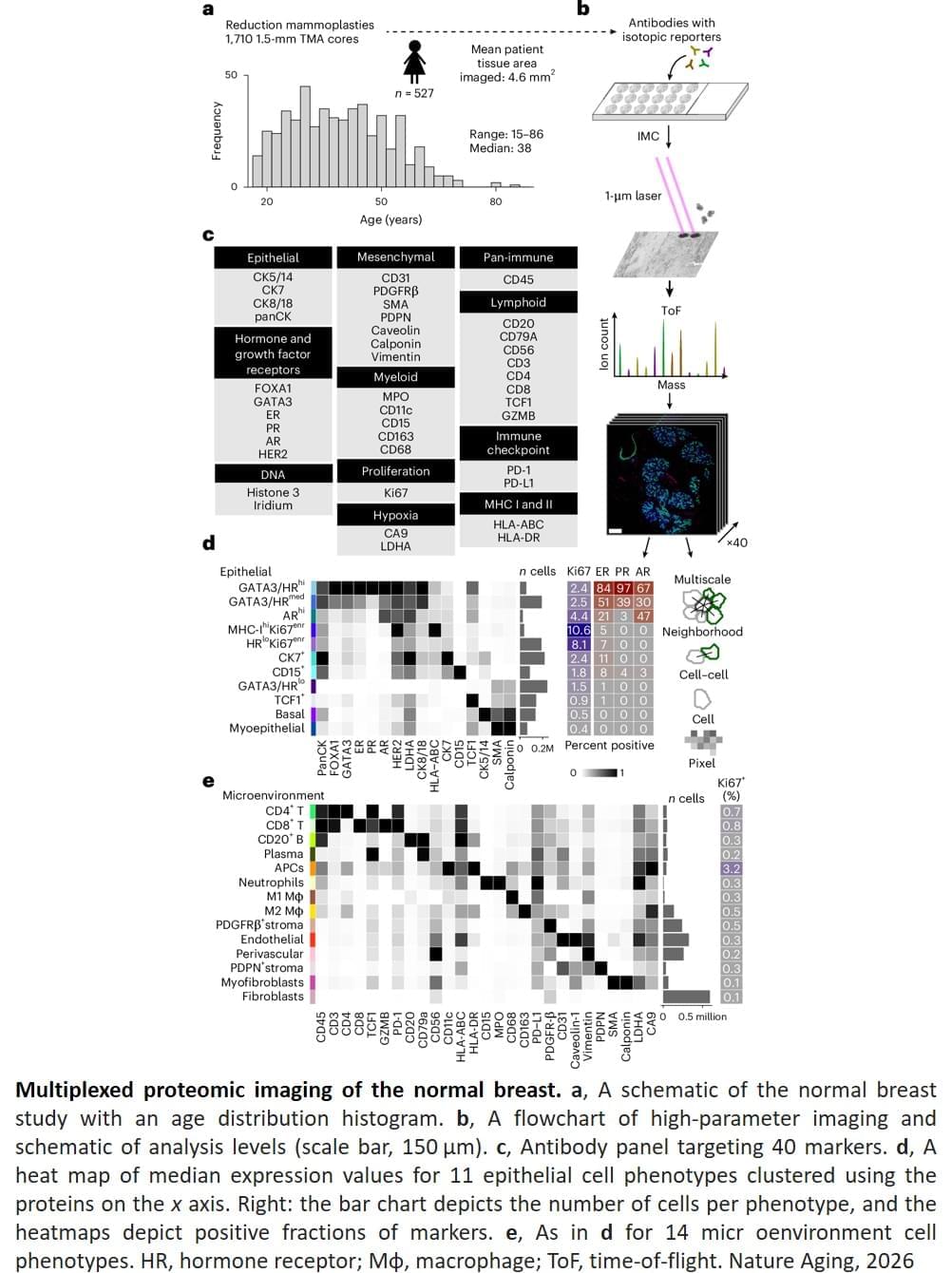
The team used advanced imagining techniques to analyse breast tissue from more than 500 women aged 15 to 86 years old. The tissue included biopsies taken from women for non-cancer-related reasons.
Combining these images with details of the hormone receptors and immune cells present, as well as the tissue architecture, the researchers were able to map how breast tissue changes over time in unprecedented detail. Their findings point to reasons why breast cancer risk increases with age and why tumors in younger women differ biologically.
The author added: “Our map revealed that as women age, their breast tissue goes through major changes, with the most dramatic changes occurring at menopause. There are changes, too, during their twenties, possibly linked to pregnancy and childbirth, but these are far less pronounced.”
The map revealed that all types of cells become fewer in number and divide far less often. Milk-producing structures known as lobules shrink or disappear, while the ducts that that carry milk become relatively more common, with the supporting layer around them becoming thicker. Fat cells increase while blood vessels decrease.
Meanwhile, changes occur in the immune environment. Younger breasts have more B cells and active T cells, which helps them identify and kill cancer cells. As tissue ages, these types of cells decline in number, replaced by other types of immune cell that indicate a more inflammatory and potentially less protective immune environment. ScienceMission sciencenewshighlights.
Scientists have created the most detailed map to date, comprised of over 3 million cells, showing how breast tissue changes as women age – including dramatic changes during menopause.
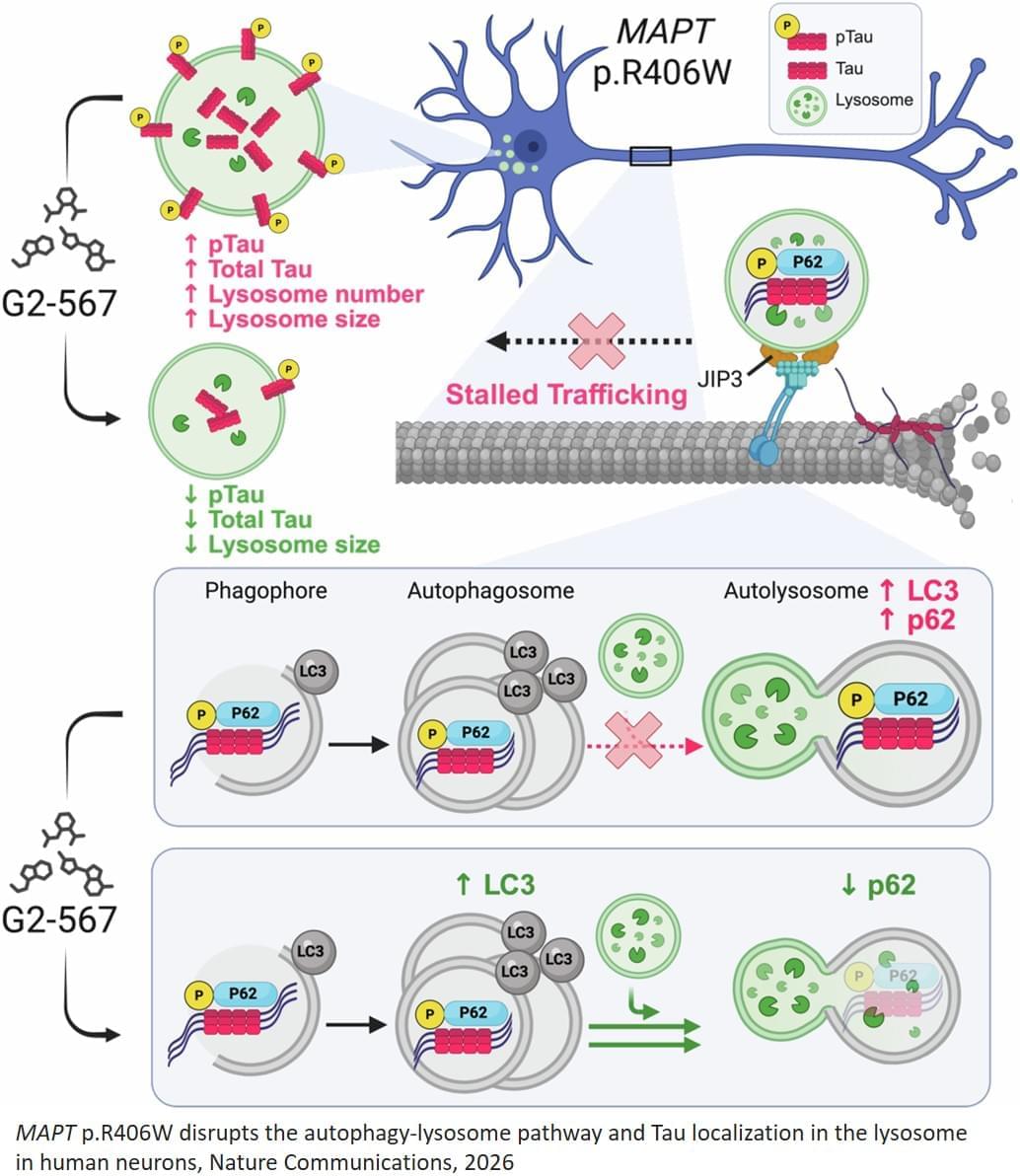
The researchers studied a specific mutation in a brain protein called tau that causes the protein to become misfolded and alter its normal function. In general, when tau proteins become misfolded, they build up inside neurons and contribute to various forms of dementia, including Alzheimer’s dementia and frontotemporal dementia, a neurodegenerative disease similar to Alzheimer’s that often strikes earlier — in middle age — and typically involves significant changes in personality and behavior that precede cognitive decline.
In this new study, the researchers studied neurons that had been reprogrammed from skin cells sampled from patients with frontotemporal dementia who carried the tau mutation. In the neurons, the mutated tau proteins caused waste-recycling centers called lysosomes, which are involved in autophagy, to become dysfunctional, allowing cellular waste to accumulate in the lysosomes, which may contribute to neuronal death. The researchers found that enhancing autophagy with an analog of the chemical compound G2 improved clearance of the garbage, reduced tau levels in the lysosomes and prevented cellular toxicity and death.
G2 was discovered in 2019 via screening experiments seeking drugs that could reduce the accumulation of an aggregation-prone protein in a C. elegans model of alpha-1-antitrypsin deficiency, which can cause severe liver disease. The compound was later shown to boost autophagy function in mammalian cell model systems.
The researchers also have shown that G2 can protect brain cells from death in cells modeling Huntington’s disease, a fatal inherited neurodegenerative disease caused by a genetic mutation present at birth. In the cellular model of Huntington’s disease, the compound prevented the buildup of a harmful RNA molecule. ScienceMission sciencenewshighlights.
New research adds to growing evidence that helping brain cells break down and eliminate their own cellular waste is a promising treatment strategy for a variety of neurodegenerative diseases. In lab experiments, the researchers found that exposure to a novel compound can clear a harmful protein from human neurons modeling frontotemporal dementia — a devastating and ultimately fatal condition — and prevent those neurons from dying.
The study is published in the journal Nature Communications.
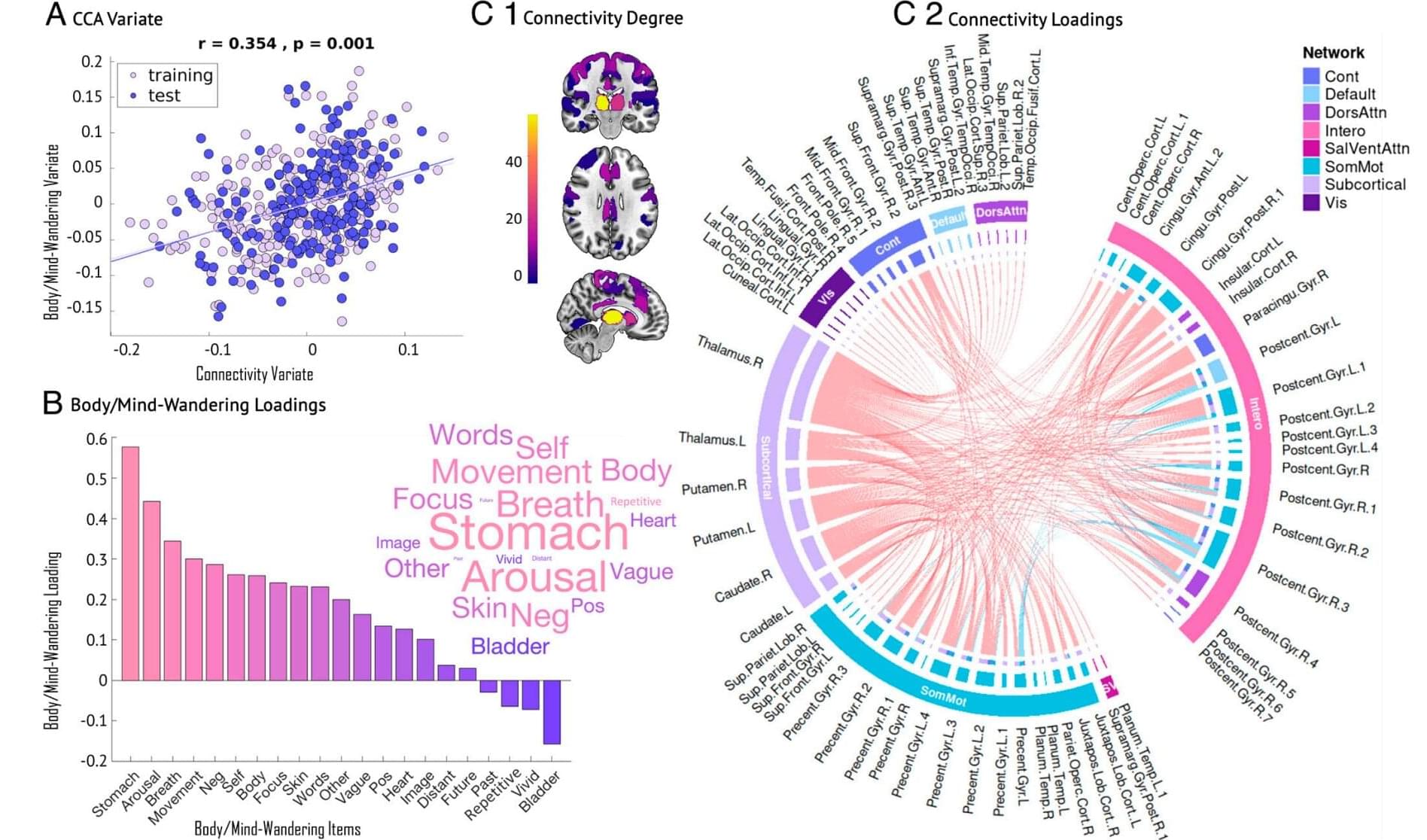
Most of us have experienced that when our body is still and resting, the mind doesn’t stop. Instead, it takes off on its own journey of generating thoughts about our past, our plans, and the people around us, a process known as mind-wandering. While researchers have learned a lot about these kinds of thoughts, there aren’t many studies that explore how often our attention turns inward, toward sensations in our bodies, such as our breathing, heartbeat, or physical feelings.
This lesser-known side of our inner experience, called body-wandering, is what a recent study by a brain research team with collaborators from Denmark, Canada and Germany set out to explore.
To understand how the mind focuses on the physical self, researchers conducted a large-scale study with 536 participants who were asked to stay still in the MRI machine during a brain scan while looking at a cross on the screen above them.
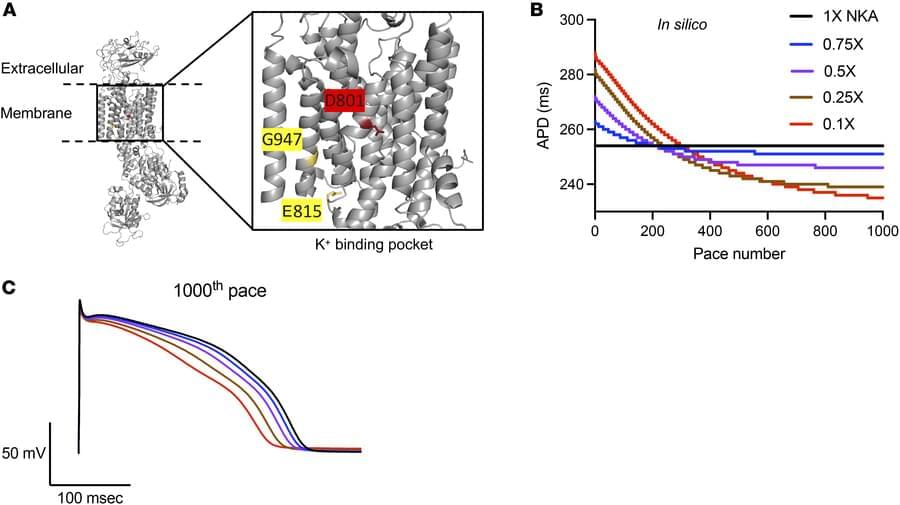
Andrew P. Landstrom & team propose a Ca2+-mediated mechanism in ATP1A3-D801N carriers & identify NCX1 as a possible therapeutic target.
1Department of Cell Biology and.
2Department of Pediatrics, Division of Cardiology, Duke University School of Medicine, Durham, North Carolina, USA.
3Department of Biomedical Engineering and.
4Division of Pediatric Neurology and Developmental Medicine, Department of Pediatrics, Duke University, Durham, North Carolina, USA.