Toggle light / dark theme

Get the latest international news and world events from around the world.

Log in for authorized contributors

Neuralink Patient Controls a Robotic Arm Telepathically! (Interview w/ Nick Wray)

Follow Nick on X: https://twitter.com/Telepath_8

Pre-order linkaChart for free: https://linkaChart.ai/?utm_term=ryan2

Generate AI voice audio via ElevenLabs: https://try.elevenlabs.io/xe894d3yv35h.

Neura Pod is a series covering topics related to Neuralink, Inc. Topics such as brain-machine interfaces, brain injuries, and artificial intelligence will be explored. Host Ryan Tanaka synthesizes information, shares the latest updates, and conducts interviews to easily learn about Neuralink and its future.

Sign up for Neuralink’s Patient Registry: https://neuralink.com/trials/

Join the Neuralink team: https://neuralink.com/careers/

I Don’t Recognize Myself Anymore // Dark Ambient Mix

I am many.


A dark ambient journey through feeling lost, detached, and emotionally numb.
use this mix for late-night thoughts, study, writing, sleep or to to calm down.
→▫️support me on ko-fi: https://ko-fi.com/blackridge.

→ download on bandcamp: https://blackridgeofficial.bandcamp.com/track/i-dont-recognize-myself-anymore.
→ get the wallpapers: https://ko-fi.com/s/a9d71bee15

#darkambient #backrooms #sad #liminalspace #sleep.

All audio has been modified, mixed, and mastered by blackridge.

For those living with dementia, new study suggests shingles vaccine could slow the disease

An unusual public health policy in Wales may have produced the strongest evidence yet that a vaccine can reduce the risk of dementia. In a new study led by Stanford Medicine, researchers analyzing the health records of Welsh older adults discovered that those who received the shingles vaccine were 20% less likely to develop dementia over the next seven years than those who did not receive the vaccine.

The remarkable findings, published April 2 in Nature, support an emerging theory that viruses that affect the nervous system can increase the risk of dementia. If further confirmed, the new findings suggest that a preventive intervention for dementia is already close at hand.

In a follow-up study published Dec. 2 in Cell, the researchers found that the vaccine may also benefit those already diagnosed with dementia by slowing the progress of the disease.

‘Walking’ water discovery on 2D material could lead to better anti-icing coatings and energy materials

A surprising discovery about how water behaves on one of the world’s thinnest 2D materials could lead to major technological improvements, from better anti-icing coatings for aircraft and self-cleaning solar panels to next-generation lubricants and energy materials.

In a study published in Nature Communications, researchers from the University of Surrey and Graz University of Technology tested two ultra-thin sheet-like materials with a honeycomb structure— graphene and hexagonal boron nitride (h-BN). While graphene is electrically conductive—making it a key contender for future electronics, sensors and batteries—h-BN, often called “white graphite,” is a high-performance ceramic material and electrical insulator.

Taming chaos in neural networks: A biologically plausible way

A new framework that causes artificial neural networks to mimic how real neural networks operate in the brain has been developed by a RIKEN neuroscientist and his collaborator. In addition to shedding light on how the brain works, this development could help inspire new AI systems that learn in a brain-like way. The research is published in Nature Communications.

Humans and animals have remarkable capacities to learn and perform complex tasks due to the brain’s amazing ability to take in sensory information and produce complex outputs.

Toshitake Asabuki of the RIKEN Center for Brain Science is fascinated by the brain and wants to discover how it works. “My team investigates how the brain learns efficiently and robustly,” he says. “We aim to identify learning rules that could, in principle, be implemented by real neural circuits in the brain.”

DAP12 deletion reduces neuronal SLIT2 and demyelination and enhances brain resilience in female tauopathy mice

How DAP12 deletion enhances brain resilience in female tauopathy mice.

Microglia selectively expresses DAP12 (DNAX-activation protein 12), which, plays a crucial role in microglial immune responses.

Previously, it was show that tauopathy mice lacking DAP12 exhibit higher tau pathology but are protected from tau pathology-induced cognitive deficits but the mechanism remains elusive.

The authors in this study show that tau processing in primary microglia is reduced by Dap12 deletion, while, tau pathology increased in female tauopathy mice, with minimal effects on males. However, brain inflammation, synapse loss, and demyelination are reduced by Dap12 deletion indicating enhanced resilience to tau toxicity.

The authors also show that elevated SLIT2 levels and demyelination in tauopathy and is reversed by Dap12 deletion. The author s also found correlation of SLIT2 expression and tau pathology in AD brain tissue. https://sciencemission.com/DAP12-deletion-reduces-neuronal-SLIT2


Background Pathogenic tau accumulation drives neurodegeneration in Alzheimer’s disease (AD). Enhancing the aging brain’s resilience to tau pathology would lead to novel therapeutic strategies. DAP12 (DNAX-activation protein 12), highly and selectively expressed by microglia, plays a crucial role in microglial immune responses. Previous studies have shown that tauopathy mice lacking DAP12 exhibit higher tau pathology but are protected from tau pathology-induced cognitive deficits. However, the exact mechanism behind this resilience remains elusive. Methods We investigated the effects of DAP12 deletion on tau pathology, as well as tau-induced brain inflammation and neurodegeneration, in homozygous human Tau P301S transgenic mice. In addition, we conducted single-nucleus RNA sequencing of hippocampal tissues to examine cell type-specific transcriptomic changes at the single-cell level.

After Neuralink, Max Hodak is building something even wilder

Developing an advanced Brain-Computer Interface (BCI) is only the beginning.


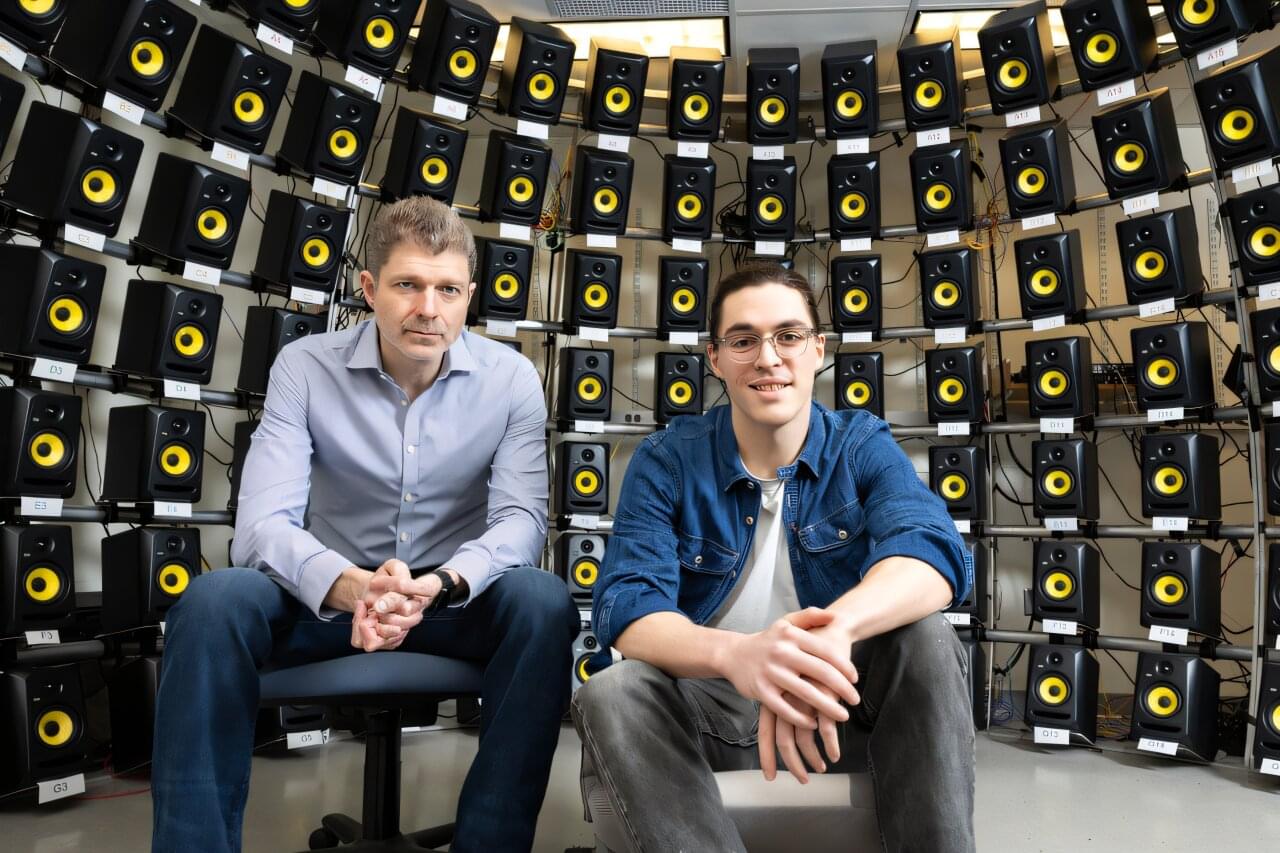
“In order to prove a theory of consciousness is right, you have to see it for yourself,” Hodak explains. “That will require these big brain-computer interfaces.”

Hodak thinks that once humans understand how billions of neurons bind together to create a unified experience — what neuroscientists call “the binding problem” — we can start doing truly wild things.

I almost hesitate to say some of those wild things include multiple brains working to form one consciousness. “You could really, in a very fundamental sense, talk about redrawing the border around a brain, possibly to include four hemispheres, or a device, or a whole group of people,” he says.

/* */