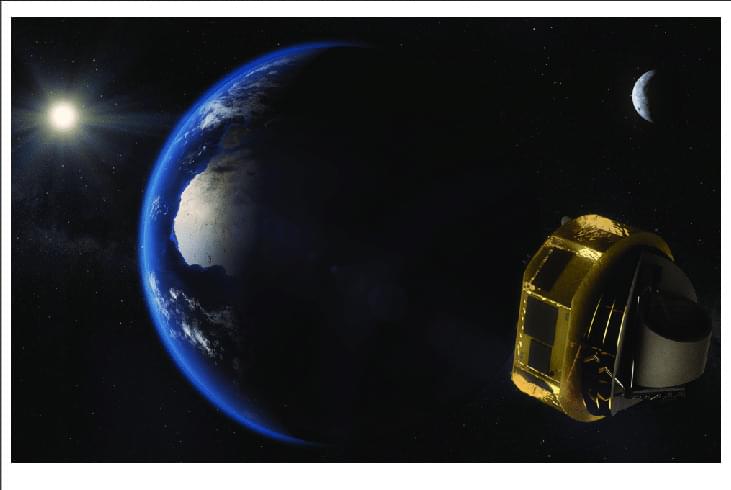
Astronomers want to collect as much data as possible using as many systems as possible. Sometimes that requires coordination between instruments. The teams that run the James Webb Space Telescope (JWST) and the upcoming Atmospheric Remote-sensing Infrared Exoplanet Large-survey (Ariel) missions will have plenty of opportunity for that once both telescopes are online in the early 2030s. A new paper, available in pre-print on arXiv, from the Ariel-JWST Synergy Working Group details just how exactly the two systems can work together to better analyze exoplanets.
JWST has already been at the center of media attention since even before its launch in late 2021. It is currently the most capable of our space-based observatories, but it is a multi-purpose tool that has a long line of scientists waiting to get time on it.
Capable of observing everything from far-away black holes to interstellar comets passing through our own solar system, JWST has absurdly high resolution but lacks the sheer amount of time it takes to observe some exoplanets fully. In addition, in some cases it’s too sensitive, as exceptionally bright stars, which are great for observing exoplanet atmospheres, are powerful enough to saturate the detectors on JWST, making it useless to track exoplanets orbiting those types of stars.