Toggle light / dark theme

Get the latest international news and world events from around the world.

Log in for authorized contributors

World’s most advanced supercomputers decode nuclear reactor turbulence

At Argonne National Laboratory, researchers are trading in old-school approximations for raw supercomputing power, proving that the secret to a safer carbon-free future lies in mastering the math of chaos.

Researchers are advancing nuclear safety by using high-performance computing to model turbulent flow — the chaotic movement of fluids and gases that governs heat transfer and gas mixing within a reactor.

Atypical Development of Functional Brain Networks in Neonates with Congenital Heart Disease

New in JNeurosci: fMRI study from Kim et al. reveals that babies with congenital heart disease have altered sensorimotor and limbic brain networks that cardiovascular surgery improves.

▶️


Congenital heart disease (CHD) affects approximately 1% of live births in the United States and is the most prevalent congenital disorder. Despite advances in neonatal cardiovascular surgery improving survival, neurodevelopmental impairments remain prevalent, impacting motor skills, social behavior, and executive function. Motor deficits and long-term challenges in emotional regulation and memory are particularly common. Recent research using resting-state functional MRI (rs-fMRI) has revealed disorganized brain networks in newborns with CHD. However, those few prior rs-fMRI studies examining the impact of CHD have relied on predefined brain parcellations to compare group-level connectivity, limiting the ability to capture spatial alterations in neonatal brain networks in CHD. Understanding these network-level changes is critical for elucidating mechanisms of neurodevelopmental impairment and identifying early biomarkers of risk. To address these gaps, our study introduces two conceptual advances: 1) a data-driven approach to investigate atypical brain network development in high-risk CHD and 2) the use of a population-sized, independent dataset of healthy newborns to derive a normative set of neonatal brain networks. By analyzing a large rs-fMRI of human newborns (N=448; 219 females and 229 males), we identify atypical brain activity in the sensorimotor and limbic networks of newborns with complex CHD. Notably, before cardiovascular surgery, these networks are split into left and right hemispheric subnetworks. Postoperatively, these components coalesce into a singular, symmetric pattern resembling networks observed in healthy neonates. Our study highlights the potential of rs-fMRI to detect subtle, early functional disruptions in CHD and may inform future biomarkers of neurodevelopmental risk.

Significant Statement Congenital heart disease, the most common congenital disorder, affects 1% of live births and is associated with persistent neurodevelopmental impairments despite improved surgical survival. These deficits, including motor, socio-emotional, and cognitive challenges, may stem from early brain network disruptions. Prior resting-state fMRI studies in CHD relied on predefined parcellations, limiting detection of subtle spatial alterations. In this study, we used a data-driven approach and leveraged an independent normative dataset to define resting-state networks. Comparing CHD patients and healthy controls against these independently derived networks, we reveal atypical sensorimotor and limbic network organization preoperatively, which normalizes post-surgery. These findings highlight the potential of rs-fMRI to identify early biomarkers of neurodevelopmental risk and guide targeted interventions in this high-risk population.

Macrophage anti-bacterial activity is controlled by adenylate kinase 4–mediated mitochondrial DNA synthesis

New from Wei-Yao Chin, Shi-Chuen Miaw et al. (國立臺灣大學 National Taiwan University): macrophage Ak4 is vital for defense against bacteria. Ak4 fuels mtDNA synthesis ➡️ boosts mtROS production ➡️ kills pathogens. Loss of Ak4 leads to severe susceptibility.


Chin et al. discovered that macrophage-specific Ak4 regulates mtDNA synthesis, through which it controls mitochondrial biogenesis and mtROS levels and, sub.

Defects in intron recycling suppress the antiviral response via a mechanism of intronic endogenous dsRNA

New work from Chaorui Duan, William Fairbrother et al. (Brown University) reveals how intronic Alu repeats and RNA metabolism shape endogenous dsRNA levels and cell-intrinsic immunity.

InnateImmunity Inflammation


Defective intron recycling leads to the accumulation of intron-derived double-stranded RNA in the cytoplasm, which suppresses PKR and RNase L activation.

Exercise, nutrition, physical agent therapy in older adults with sarcopenic obesity: a systematic review and network meta-analysis

Sarcopenic obesity (SO) is characterized by the co-existence of excess adiposity and low muscle performance, with a high prevalence and poor prognosis in the geriatric population.

This systematic review and network meta-analysis (NMA) aims to assess the most effective non-pharmacological interventions for SO patients, including nutrition, exercise, and physical agent therapy.

A systematic search of six electronic databases was conducted from their inception until July 5, 2025, for randomized controlled trials. The NMA utilized a random-effects model, pooled mean difference (MD) and standardized mean difference (SMD), with 95% credible intervals (CrI), accounting for correlations within multi-arm trials. Subgroup analyses and sensitivity analyses were also performed.

Potassium channels functionality is coupled to trafficking!

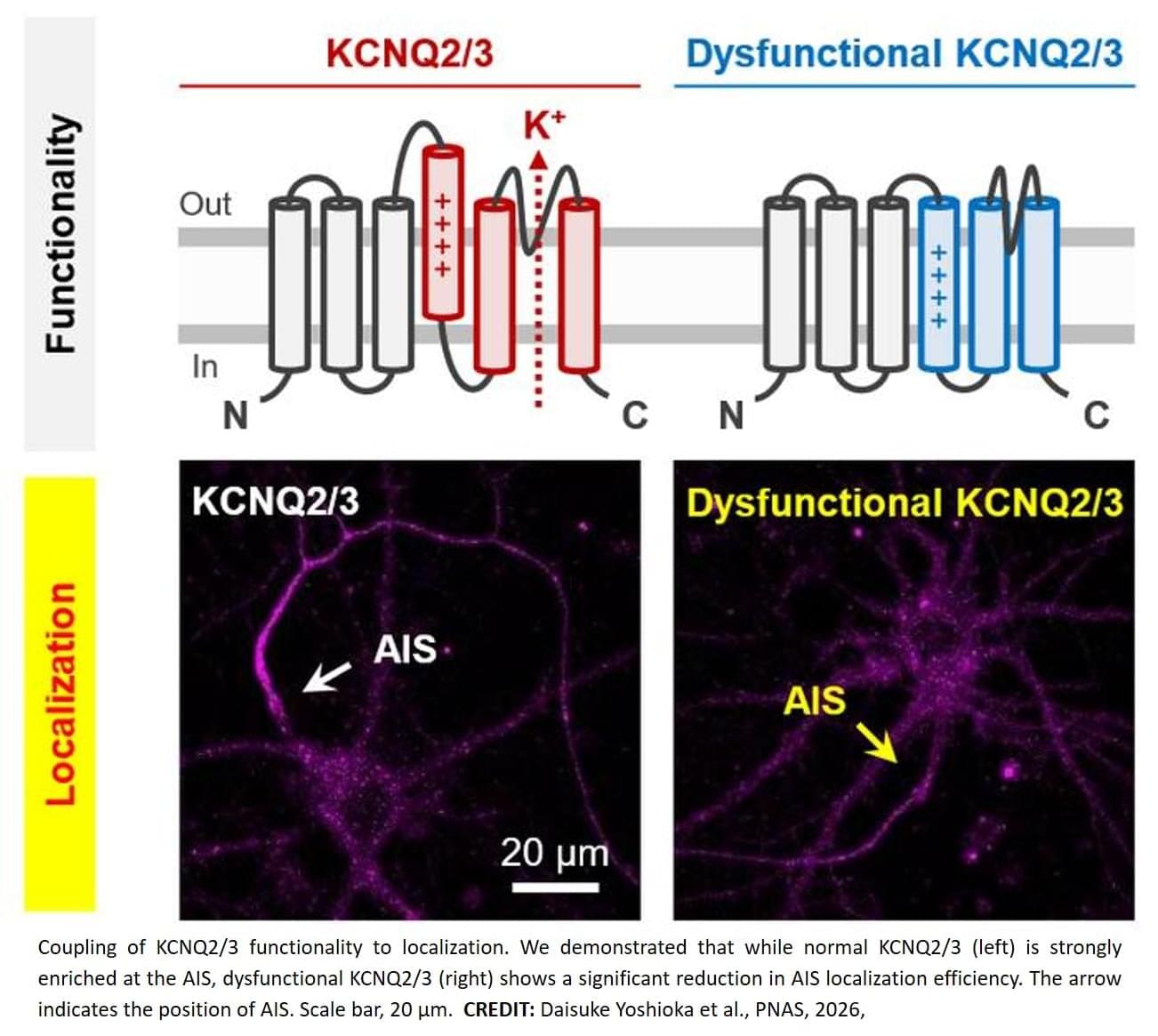
In a study published recently in PNAS, researchers have revealed the relationship between KCNQ2/3 channel functionality (i.e., how well they work to control electrical signals in neurons) and localization (i.e., where they are found inside a cell), with important implications for the treatment of these epileptic disorders.

For KCNQ2/3 channels to work properly in the brain, they must have full functionality and be located in the correct cellular region – specifically the axon initial segment (AIS), the site in neurons where electric signals are first triggered, controlling nerve cell activity. This led the research team to wonder: does the functionality of KCNQ2/3 channels affect their cellular localization, or are the two not linked at all?

To investigate this potential association, the research team first genetically engineered the functionality of the channels, and then used channel trafficking imaging to visualize whether the channels were taken to their location in the AIS. In this way, they demonstrated that KCNQ2/3 functionality was indeed linked to its trafficking to the correct cellular localization. What’s more, when they used single-molecule imaging, they could see that reduced KCNQ3 functionality actually reduced the AIS localization of KCNQ2/3 by altering the entire trafficking pathway.

“Because we already knew that the localization of KCNQ2/3 to the AIS is regulated by a protein known as ankyrinG, or ankG, we next decided to explore the interactions between full-length KCNQ3 and ankG,” explains lead author of the study. “We found that the active conformation of KCNQ3 was essential for its stable binding to ankG, further confirming that functional KCNQ2/3 is needed to ensure its proper accumulation at the AIS.”

Together, these findings highlight the mechanisms underlying the important link between KCNQ2/3 functionality and localization, and provide clues about how their alterations might affect neuronal excitability. ScienceMission sciencenewshighlights.


Potassium KCNQ2/3 channels are crucial for suppressing the excitability of brain cells, or neurons. When these channels don’t work properly, they can cause specific types of epilepsy like benign familial neonatal convulsions and early infantile epileptic encephalopathy.


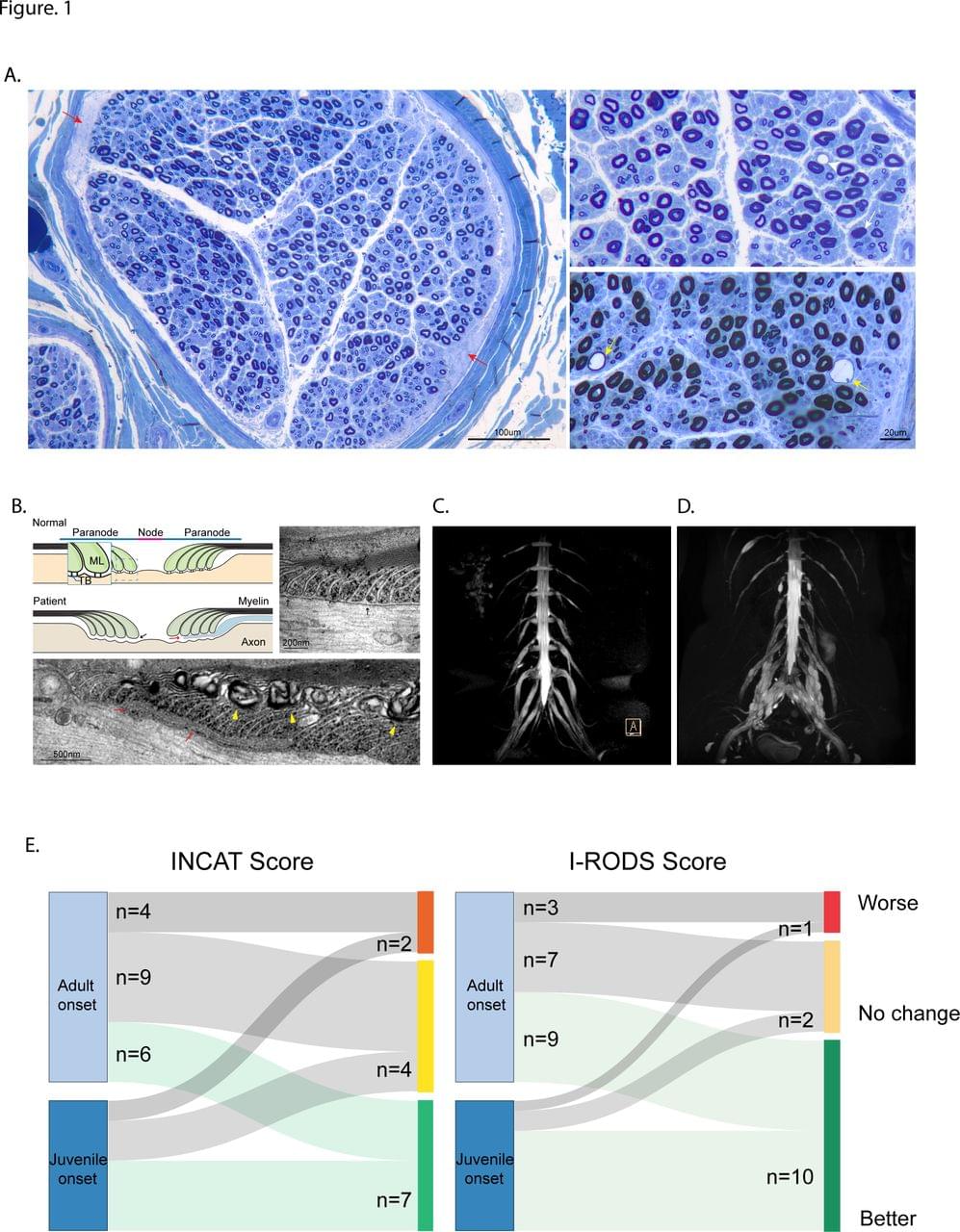
Clinical and laboratory features of juvenile-onset anti-NF155 autoimmune nodopathy

Background Neurofascin 155 autoimmune nodopathy (NF155 AN) is a recently recognised immune-mediated neuropathy distinct from chronic inflammatory demyelinating polyneuropathy. While adult-onset cases have been increasingly reported, the juvenile-onset form remains poorly characterised.

Methods We retrospectively analysed 36 patients with NF155 AN, focusing on detailed characterisation of 16 juvenile-onset cases. Their clinical and laboratory data were reviewed.

Results Juvenile-onset patients presented with sensorimotor neuropathy characterised by distal predominant weakness, tremor and sensory ataxia. Motor symptoms were the presenting feature in 75% of patients, which significantly differed from the adult cases (p=0.0015). Postural tremor was more frequent in juvenile patients (94%), while cranial nerve involvement was less common (19%).

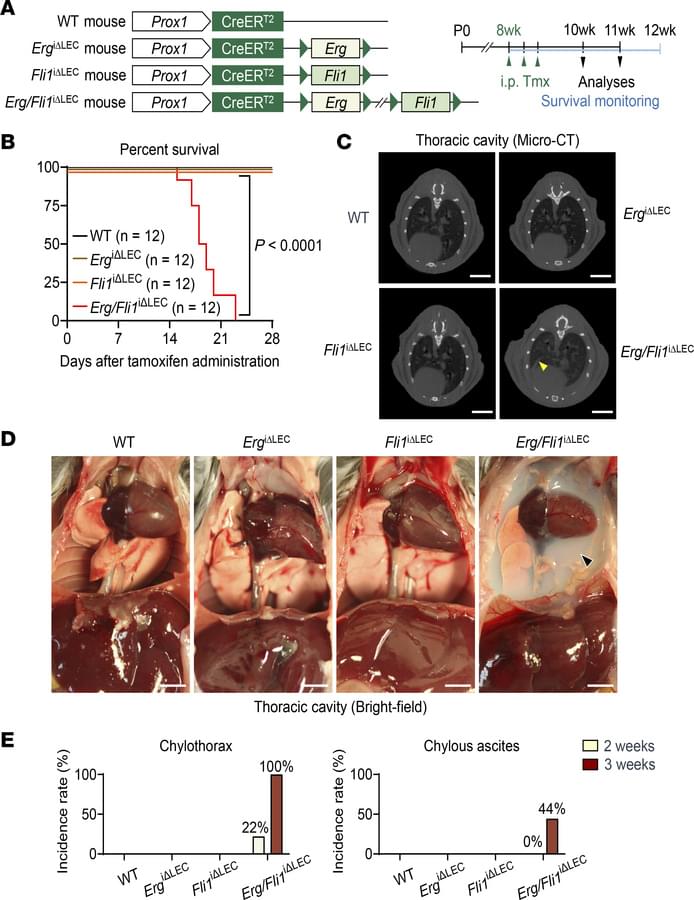
Abstract: These two transcription factors are required for regenerative lymphangiogenesis and repair following injury👇

Gou Young Koh & team establish ERG and Fli1 as core transcriptional regulators of lymphatic identity, integrity, and function, using human cells and mouse models:

The figure shows stasis of mesenteric lymphatic drainage for a tracer (red) in Prox1-GFP-mice lacking Erg/Fli1 specifically in lymphatic endothelial cells compared with Prox1-GFP-WT mice; with Prox1-GFP marking lymphatic structures (green).


1Center for Vascular Research, Institute for Basic Science, Daejeon, South Korea.

2Graduate School of Medical Science and Engineering, Korea Advanced Institute of Science and Technology, Daejeon, South Korea.

Address correspondence to: Hyuek Jong Lee or Gou Young Koh, Center for Vascular Research, Institute for Basic Science, Daejeon 34,141, South Korea. Email: [email protected] (HJL); [email protected] (GYK).

/* */