Toggle light / dark theme

Get the latest international news and world events from around the world.

Log in for authorized contributors

Deep-learning-based de novo discovery and design of therapeutics that reverse disease-associated transcriptional phenotypes

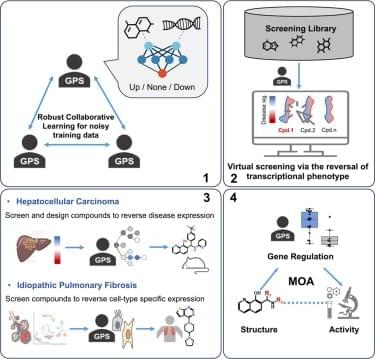
Bulk and single-cell transcriptomics are widely used to characterize diseases and cellular states but remain underexplored for de novo drug discovery. Here, we present a strategy to screen and optimize compounds by matching disease transcriptomic profiles with compound-induced transcriptomic features predicted from chemical structures using a deep-learning model.

Gene expression program linked to neurotransmission in the living human brain identified

Researchers have identified a distinct and reproducible gene expression program associated with neurotransmission in the living human brain, offering unprecedented insight into the molecular mechanisms that support human cognition, emotion, and behavior. The findings were published in Molecular Psychiatry.

Neurotransmission—the electrical and chemical signaling between neurons—is fundamental to all brain function. Until now, most gene expression studies of the human brain have relied on postmortem tissue, limiting scientists’ ability to understand which genes are actively involved in real-time neuronal communication.

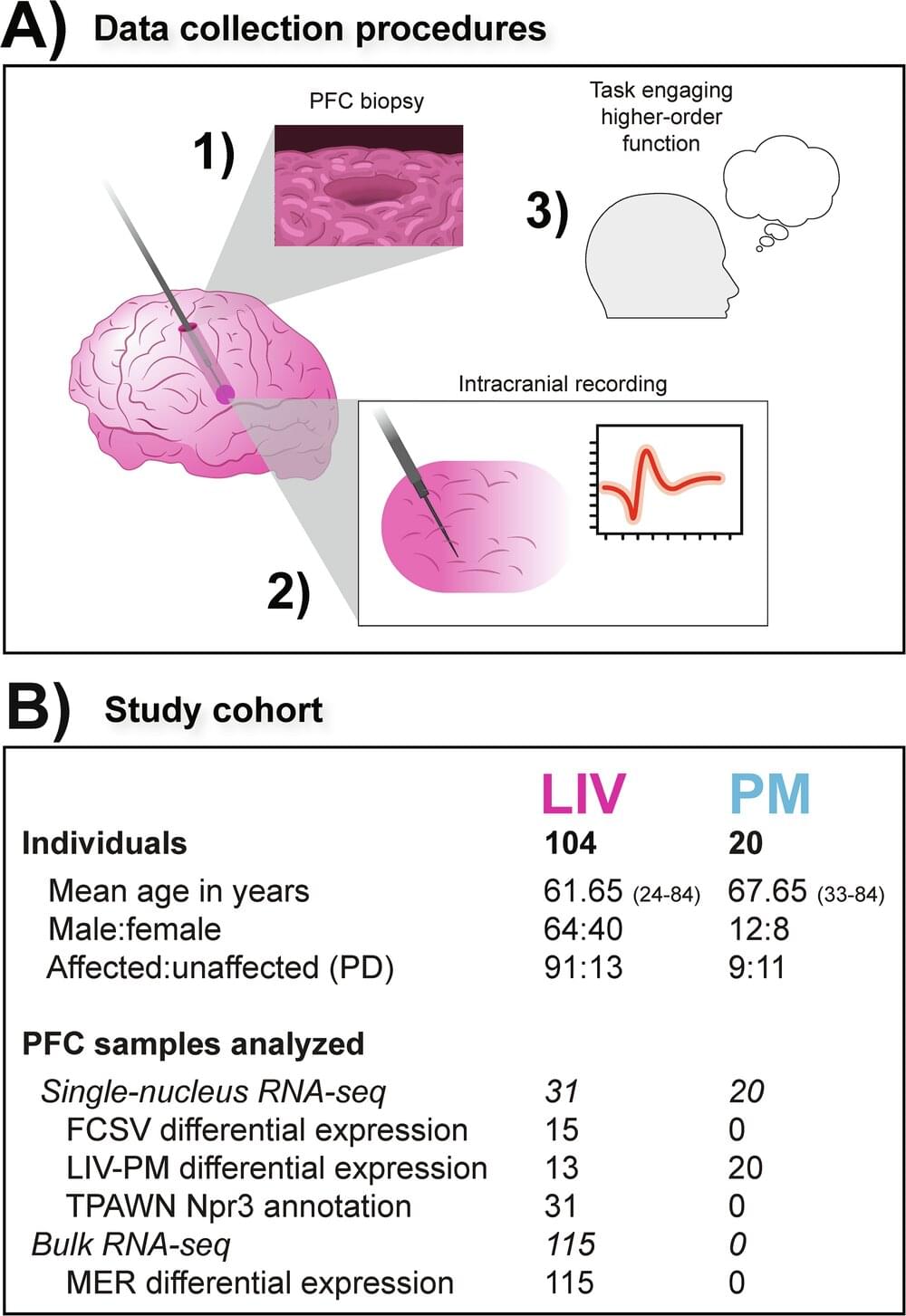
In this study, investigators integrated gene expression profiling from the prefrontal cortex with direct intracranial measures of neurotransmission collected from the brains of more than 100 individuals as they underwent neurosurgical procedures. By combining molecular data with real-time physiological recordings, the team identified a coordinated set of genes whose activity tracks with neuronal signaling—a transcriptional program associated with neurotransmission.

Sleep-like Slow Waves During Wakefulness Mediate Attention and Vigilance Difficulties in Adult Attention-Deficit/Hyperactivity Disorder

New in JNeurosci from Pinggal et al: Medication-withdrawn adults with ADHD exhibit more sleep-like brain activity while awake than neurotypical adults that is linked to poorer performance in a task that requires sustained attention.

▶️


Attention-Deficit/Hyperactivity Disorder (ADHD) is characterised by behavioural variability and heightened inattention associated with increased mind wandering (MW) and mind blanking (MB). Individuals with ADHD frequently experience sleep disorders and excessive daytime sleepiness, suggesting interactions between attention and arousal systems. Research examining brain activity using electroencephalography (EEG) has demonstrated that sleep-like slow waves (SW) during wakefulness are linked to inattention in neurotypical individuals following sleep deprivation, yet their role in ADHD remains unclear. This study investigated whether individuals with ADHD present with altered waking SW distribution compared to neurotypical controls and whether SW explain attentional difficulties in ADHD.

Adults with (n = 32) and without ADHD (n = 31) completed a sustained attention task while EEG recorded brain activity. Mental state probes (on-task, MW, MB) were embedded within the task. Sleep-like SW reflect cortical slowing and were detected from EEG activity. Omission/commission errors, reaction time (RT), RT variability, mental state reports and subjective sleepiness were analysed. Mediation analysis examined whether SW density explained ADHD-related performance differences.

Individuals with ADHD exhibited more commission errors, MW and MB, more theta oscillations over fronto-temporal electrodes and higher SW density (SW/min) over parieto-temporal electrodes. Increased SW density correlated with higher omission errors, slower RTs, greater RT variability, and elevated sleepiness ratings. On-task reports were negatively correlated with SW density. Mediation analysis revealed that SW density significantly accounted for ADHD-related attentional difficulties.

Survival and Timing of Colorectal Cancer Liver Metastases

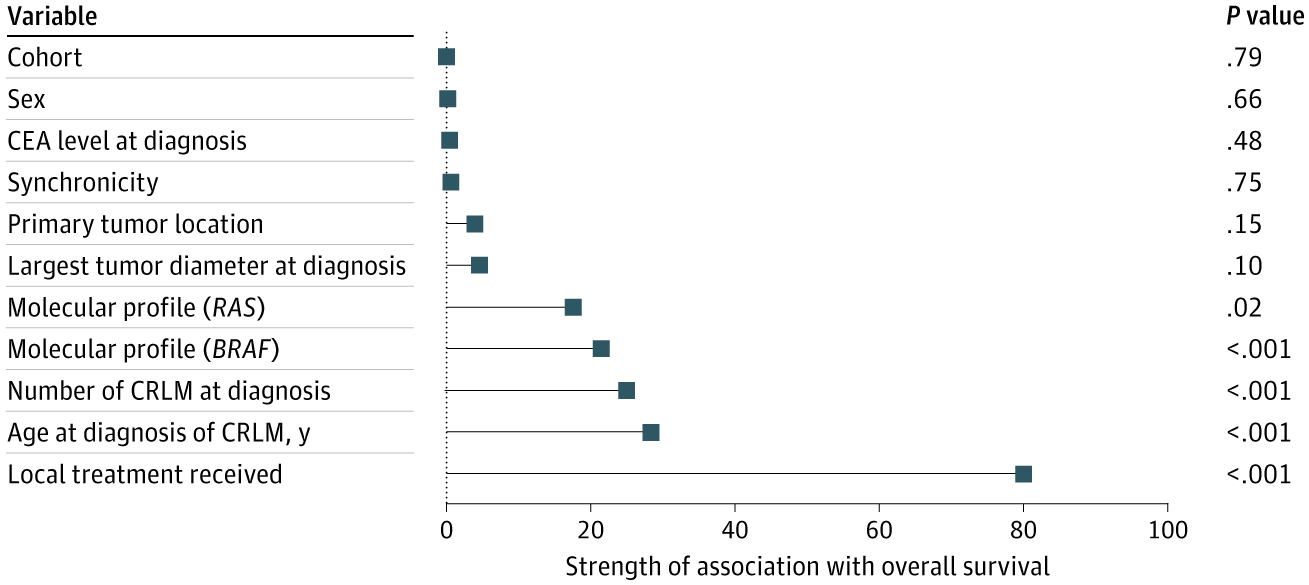
ColorectalCancer liver metastasis detection timing—synchronous vs early or late metachronous—was not independently associated with overall survival after adjustment, supporting treatment planning guided by tumor burden and treatment feasibility.


Question Is the timing of colorectal cancer liver metastasis (CRLM) detection, defined as synchronous, early metachronous, or late metachronous, associated with overall survival?

Findings In this cohort study of 1,250 patients, synchronous CRLM initially appeared to be associated with worse survival; however, timing of detection was not an independent factor after adjusting for tumor number, size, variant status, carcinoembryonic antigen levels, and treatment strategy. The ability to undergo local treatment had the greatest association with improved survival.

Meaning These findings suggest synchronicity is not independently associated with a survival benefit and may instead be indicative of underlying tumor biology, with synchronous metastases occurring earlier in the disease course.

Regulation of inflammatory gene transcription by ubiquitination and deubiquitination

Inflammatory gene transcription regulation.

While we recognize that inflammatory responses are essential for immunity to microbial infections, it is evident from clinical proof that these responses must be properly controlled to prevent potential detrimental consequences.

Over the past decades, multiple immunosuppressive mechanisms have been identified at distinct levels, including mechanisms that target immune receptor complexes and regulate signal transduction.

However, the molecular mechanisms by which inflammatory gene transcription is precisely finetuned remain poorly defined.

Here, the author highlight that a comprehensive understanding of how the ubiquitination–deubiquitination process directly controls the transcription of inflammatory genes may reveal novel avenues for therapeutic intervention.

Finally, the review provides insight into the importance of understanding the spatiotemporal regulation of inflammatory gene transcription at the gene specific level. sciencenewshighlights ScienceMission https://sciencemission.com/inflammatory-gene-transcription


Exercise triggers memory-related brain ‘ripples’ in humans

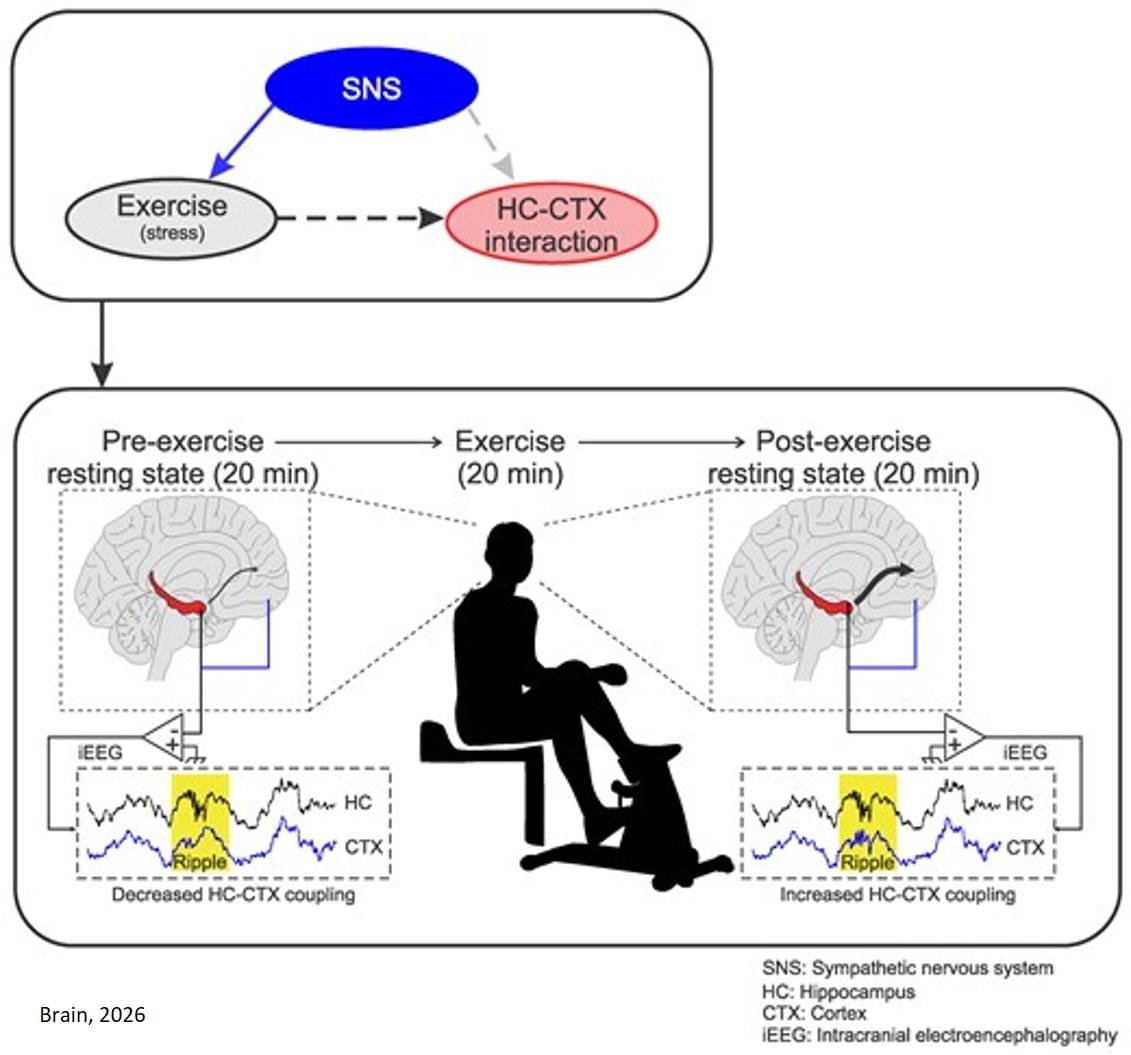
The team recruited 14 patients between 17 and 50 years of age, to participate. After a brief warmup, participants rode a stationary bike for 20 minutes at a pace they could maintain for the duration. Researchers recorded the participants’ brain activity before and after the cycling session using intracranial electroencephalography (iEEG), which utilizes implanted electrodes to measure neural activity in the brain. The recordings showed an increased rate of ripples originating in the hippocampus and connecting with cortical regions of the brain known to be involved in learning and memory performance.

“We’ve known for years that physical exercise is often good for cognitive functions like memory, and this benefit is associated with changes in brain health, largely from behavioral studies and noninvasive brain imaging,” says the study’s corresponding author. “By directly recording brain activity, our study shows, for the first time in humans, that even a single bout of exercise can rapidly alter the neural rhythms and brain networks involved in memory and cognitive function.”

The author says the results apply beyond the epileptic patients who participated. ScienceMission sciencenewshighlights.


A single session of physical exercise can spawn a boost of neural activity in brain networks that underlie learning and memory, according to a new study.

The researchers measured neural activity in the brains of patients with epilepsy before and after they completed a bout of physical exercise. The results showed that a single exercise session produced in the participants a burst of high-frequency brain waves, called ripples, emanating from the hippocampus to areas of the brain involved in learning and recall.

Neuroscientists have documented ripples relevant to memory in mice and rats, but they had not confirmed the link in humans, mainly because electrodes need to be implanted in the brain to obtain recordings. Instead, researchers had theorized the ripples’ role in humans, based on studies in people that measured changes in oxygenated blood in the brain after exercise. This new study marks the first time researchers have been able to see the neurons in action in people following exercise, the authors report.
Are Faster-Than-Light Messages Already Reaching Us?

What if the universe is already sending messages faster than light… and humanity has been too primitive to recognize them?

In this episode of Divergent Files, we investigate one of the most disturbing possibilities in modern physics: that information may already be moving beyond the speed limit we were taught could never be broken.

Quantum entanglement. Nonlocality. Unexplained cosmic bursts. Declassified research into remote viewing, anomalous cognition, and consciousness. Different fields. Different languages. Same uncomfortable pattern.

Something may be traveling farther, faster, and stranger than our current models can fully explain.

This is not a claim of proof.

It’s a grounded investigation into the science, the anomalies, and the classified edges of research that all point toward the same question:

Ben Goertzel responds

As part of Future Day 2026, we hosted a conversation between two of the most provocative minds in AGI – Ben Goertzel and Hugo de Garis (with Adam Ford as moderator/provocateur) – to tackle the ultimate existential question: Is an Artilect War inevitable, and should humanity accept becoming the “number two” species?

The discussion will build upon last years discussion between Ben and Hugo on AGI and the Singularity.

It will explore the idea of human transcendence. If we can’t beat them, do we join them?

Will humanity transcend into a Jupiter brain quectotech utility fog?

Is the Artilect War the inevitable conclusion of biological intelligence? Or can we find a path toward existing in a universe that still finds us aesthetically pleasing?

0:00 Intro.

💡 We talk about the past as if it’s gone forever — erased, unreachable, finished

But according to Richard Feynman and the laws of physics, that intuition is deeply misleading.

At the fundamental level, the equations that describe reality don’t care which way time flows. The same mathematics behind Quantum Electrodynamics — the most precisely tested theory in science — work just as well forward in time as they do backward.

In this video, we explore why the past may not be as “gone” as it feels.

🎥 *In this video, we explore:*
→ Why the laws of physics don’t distinguish past from future
→ How particles can be treated as moving backward in time in calculations
→ What time symmetry really means — and what it doesn’t
→ Why our experience of time is not fundamental
→ How Feynman explained time without mysticism.

This isn’t philosophy or speculation.
This is how physicists actually calculate the universe.

📚 *Based on the work of:*

/* */