Its team will be joining Sony’s R&D division, the Visual Computing Group.

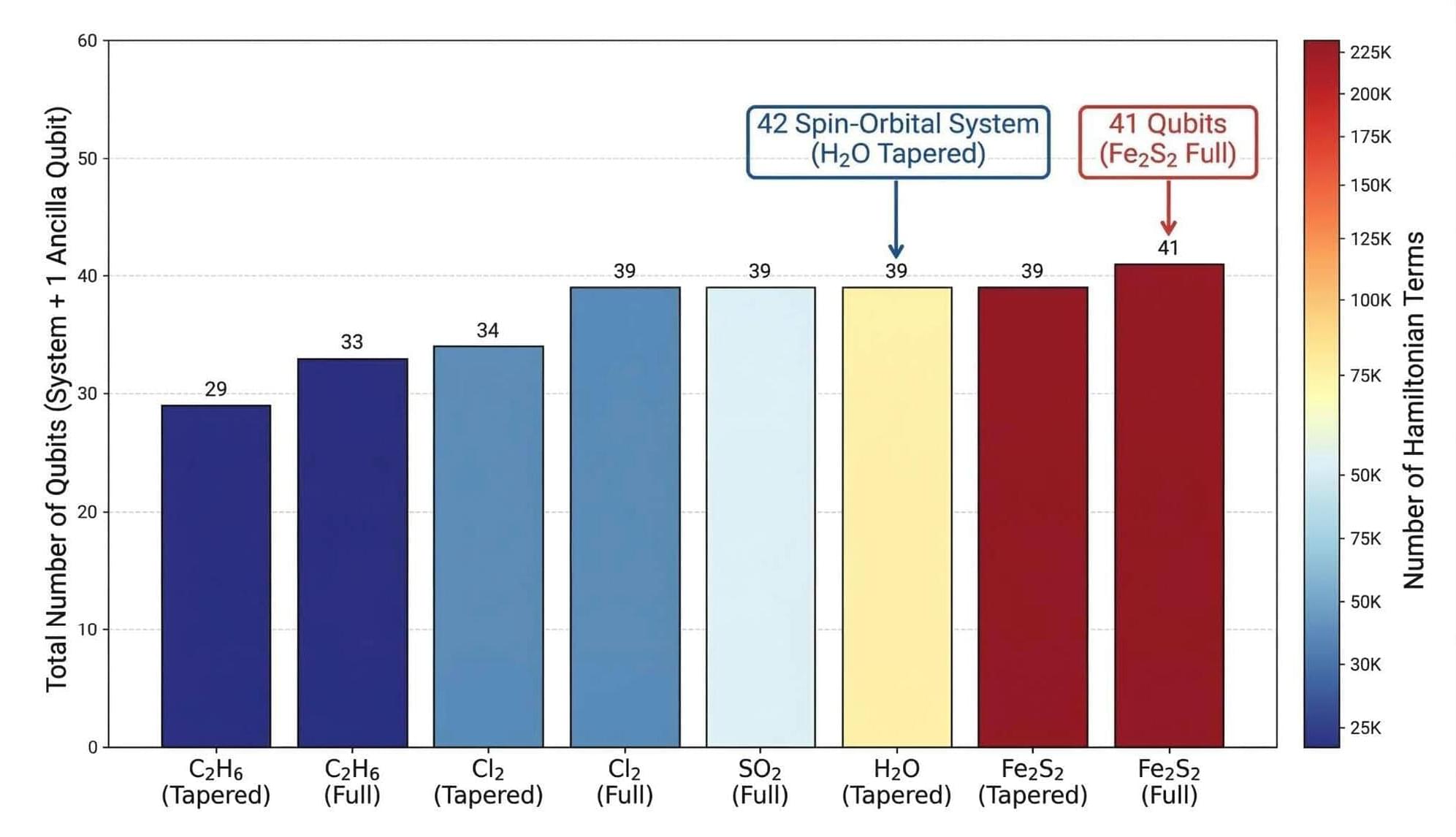
A joint research team between the Center for Quantum Information and Quantum Biology (QIQB) at The University of Osaka and Fixstars Corporation has demonstrated one of the world’s largest classical simulations of iterative quantum phase estimation (IQPE) circuits for quantum chemistry on up to 1,024 GPUs, surpassing the previous 40-qubit limit. The result expands the scale of molecular systems available for the development and validation of quantum algorithms for future fault-tolerant quantum computers, supporting progress toward industrial applications in drug discovery and materials development.
The paper was presented at NVIDIA GTC 2026, held in San Jose, California, March 16–19, 2026.
Overcoming unresolved challenges in drug discovery and developing new materials to address climate change will require advanced quantum chemical calculations beyond the reach of current technology. Against this backdrop, fault-tolerant quantum computers (FTQC) are widely anticipated as a key enabling technology, making it increasingly important to develop and validate, ahead of their deployment, the quantum algorithms that will eventually run on such systems.
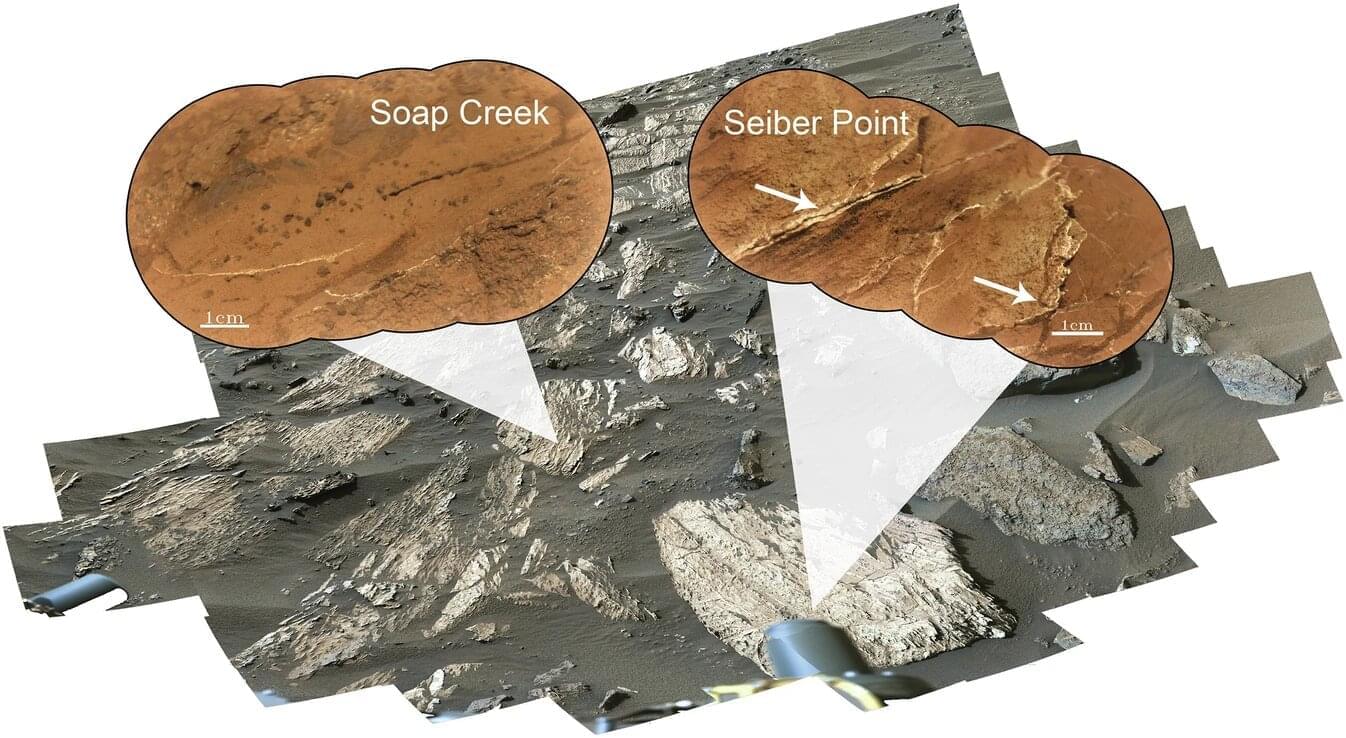
In 2024, NASA’s Perseverance rover found surprising levels of Nickel in the Martian bedrock of an ancient river channel, called Neretva Vallis, which flowed into the Jezero crater. A new study, published in Nature Communications, has taken a closer look at the data collected from the region and researchers are seeing what could be remnants of ancient Martian life.
Although nickel is not typically thought of as a major component of human life, it is important in many microbial metabolism functions. For example, nickel is a requirement for the Wood-Ljungdahl (W-L) pathway—an ancient, energy-efficient anaerobic process utilized by bacteria and archaea to fix carbon dioxide. The reverse of this process also requires nickel and has been observed in some species of sulfate-reducing bacteria, for the decomposition of organic matter.
“In particular, Ni is an essential component of enzymes used by methanogenic archaea and many bacterial species. Ni is vital to the metabolism of methanogenic organisms, such that a decrease in the Ni content of Earth’s oceans in the Archean is hypothesized to have caused a collapse in atmospheric methane preceding the Great Oxidation Event,” explain the study authors.
Heterogeneous catalysis—in which catalysts and reactants are of different phases, e.g., solid and gas—is important to many industrial processes and often involves solid metal as the catalyst. Ammonia synthesis, catalytic converters for automobile exhaust, methanol synthesis, carbon dioxide reduction, and hydrogen production are examples of such metal-catalyzed heterogeneous catalysis.
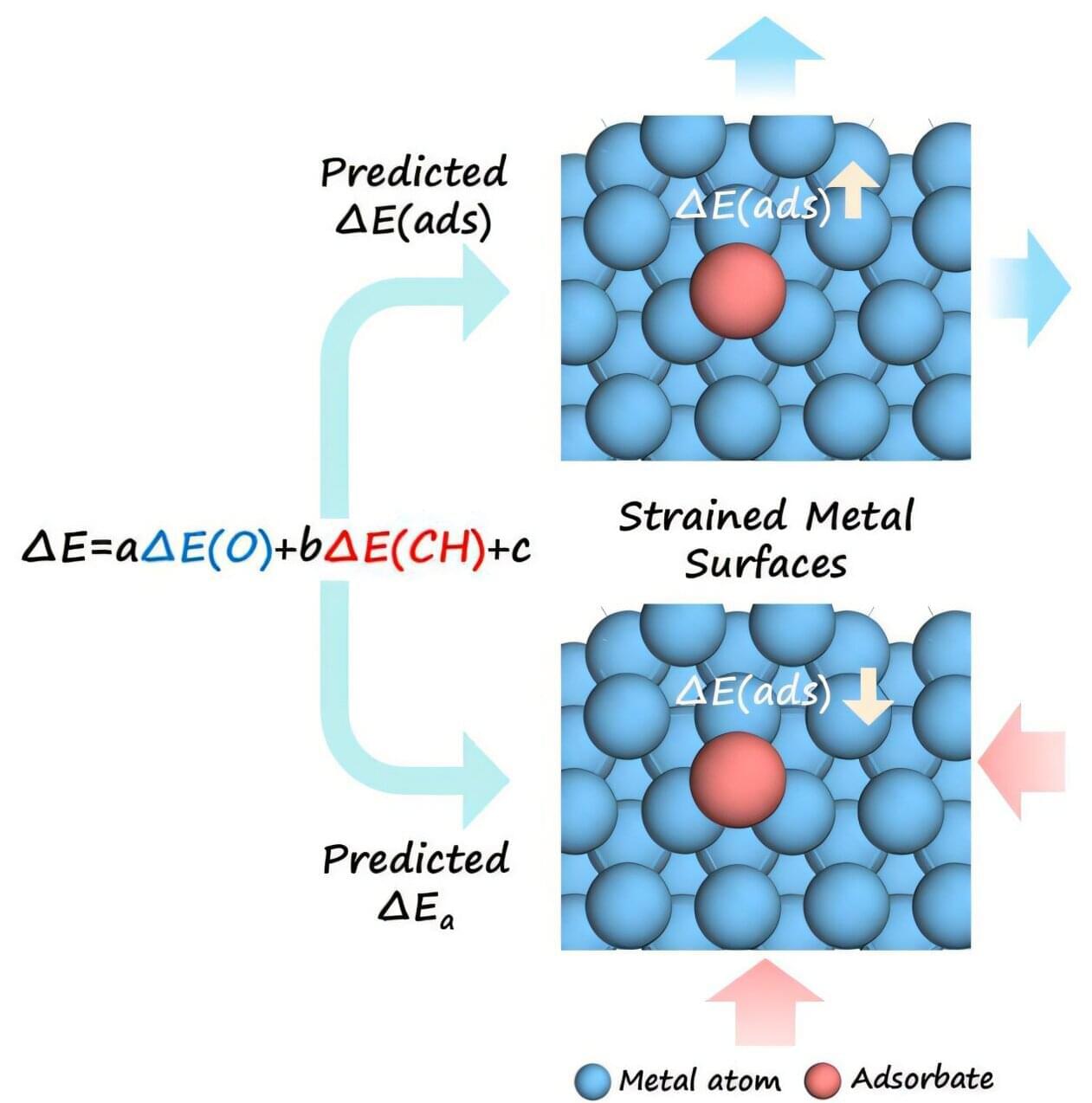
The electronic structure of metal surfaces governs the adsorption of reactants and intermediates, and thus the catalytic activity. For this reason, strain engineering —which tunes the electronic structure of a metal catalyst by stretching or compressing its crystal lattice—has emerged as an important strategy for enhancing catalytic performance. Unfortunately, scientists have not been able to quantify how metal strain influences adsorption energies and reaction barriers across different metal catalysts, thereby limiting the rational design of catalysts with desired properties.
To address this challenge, a research team from the Lanzhou Institute of Chemical Physics (LICP) of the Chinese Academy of Sciences has developed a method to predict how strain modifies adsorption energies and reaction barriers across diverse metal systems. The study is published in the journal Cell Reports Physical Science.

Whenever humans arrive on Mars, they’re going to find it a difficult place to exist. Mars is cold, with an average surface temperature of −55°C; temperatures can plunge to −125°C with dust storms lasting months; its atmosphere is very thin and almost all carbon dioxide; and all the water is frozen and mixed with ice made of CO2. Oh, and solar radiation will be hazardous on Mars’ surface since the planet has no ozone layer to block ultraviolet radiation, especially so during solar flares. Disneyland it is not.
New Martians will need to live underground until, someday, maybe, Mars can be terraformed to, if not quite looking like Earth, at least a planet more hospitable to fragile human creatures.
There are arguments for and against terraforming Mars. If humans do terraform, one of the first suggestions is to increase Mars’ greenhouse effect by melting the CO2-ice caps.

For some evangelical Christians, attributing mental illness to demonic forces can offer a sense of meaning, while for others, it creates harmful barriers to medical care. A recent qualitative study published in Spirituality in Clinical Practice outlines how these widespread spiritual explanations act as a double-edged sword for individuals experiencing psychological distress. The research indicates that integrating religious beliefs with standard psychiatric care may be a safer path forward for many faith communities.
Religion frequently shapes how people interpret their physical and mental health. Psychologists recognize that religious frameworks offer a primary system for individuals to make sense of the world around them. By relying on theological teachings, people construct meaning around their personal suffering. This process of religious meaning construction can influence health outcomes in both positive and negative directions.
Within evangelical Christianity, foundational teachings often emphasize the active existence of spiritual forces. This includes the belief that angels, demons, and other supernatural entities directly influence the physical world. This worldview can lead to the belief that spiritual forces cause human ailments, including severe psychological distress.

Imagine looking at a loved one and seeing their face twist into a demonic, unnatural shape. Their eyes might stretch to the sides of their head, their nose might swell, and deep, unnatural grooves might appear across their cheeks and forehead. This terrifying visual experience belongs to a rare neurological condition known medically as
In popular media and online discussions, it is sometimes referred to as “demon face syndrome.” People with this condition see human faces as severely distorted, even though their vision for everyday objects remains completely normal.
Prosopometamorphopsia is fundamentally different from a hallucination. A hallucination involves seeing something that is not actually present in the physical world. People experiencing these facial distortions are looking at a real person standing in front of them. Their brain simply alters the shape, size, color, or position of the facial features before the image reaches their conscious awareness.
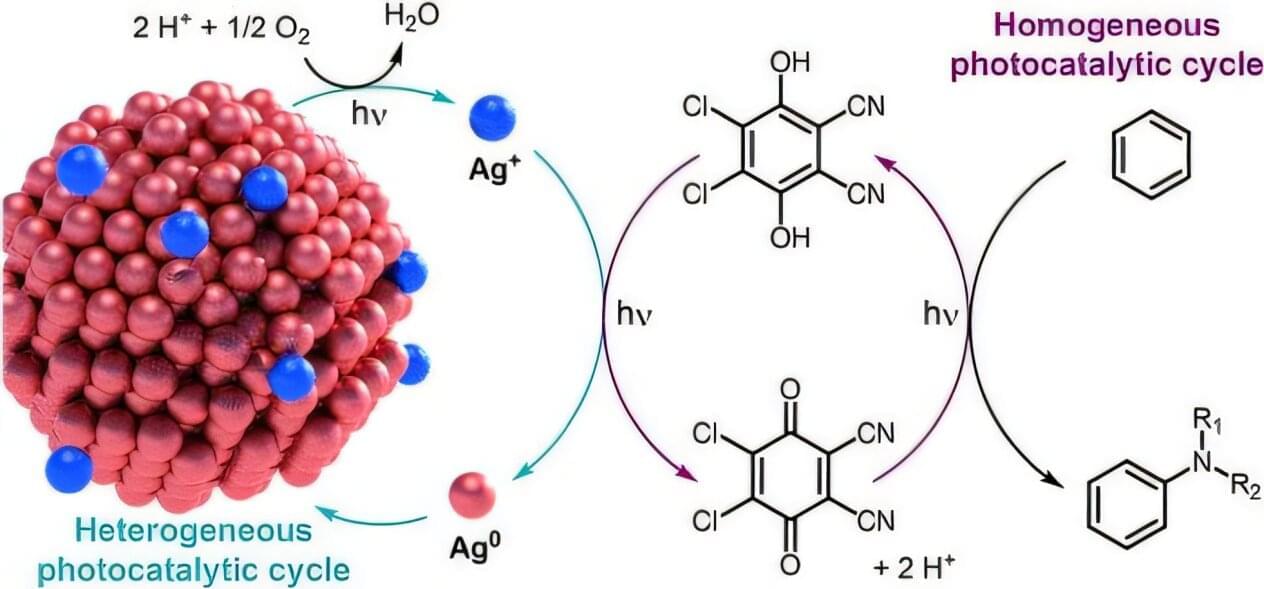
In chemical processes for producing pharmaceuticals, catalysts are a core technology that determines production speed and cost. However, until now, there has been a trade-off between “precise but disposable catalysts” and “reusable catalysts.” A KAIST research team has developed an eco-friendly catalytic technology that combines these two types, operating solely with light and air. This opens a pathway to producing pharmaceutical ingredients more cheaply and cleanly, with expected reductions in carbon emissions and environmental pollution. The study is published in the Journal of the American Chemical Society.
A research team led by Professor Sang Woo Han of the Department of Chemistry has succeeded in combining two different types of catalysts into one system. One is a silver (Ag)-based catalyst that operates in a solid state, and the other is an organic photocatalyst, DDQ (a substance that triggers chemical reactions upon absorbing light), which operates in solution.
By enabling these two catalysts to function together, the team made it possible to carry out previously difficult reactions more efficiently.
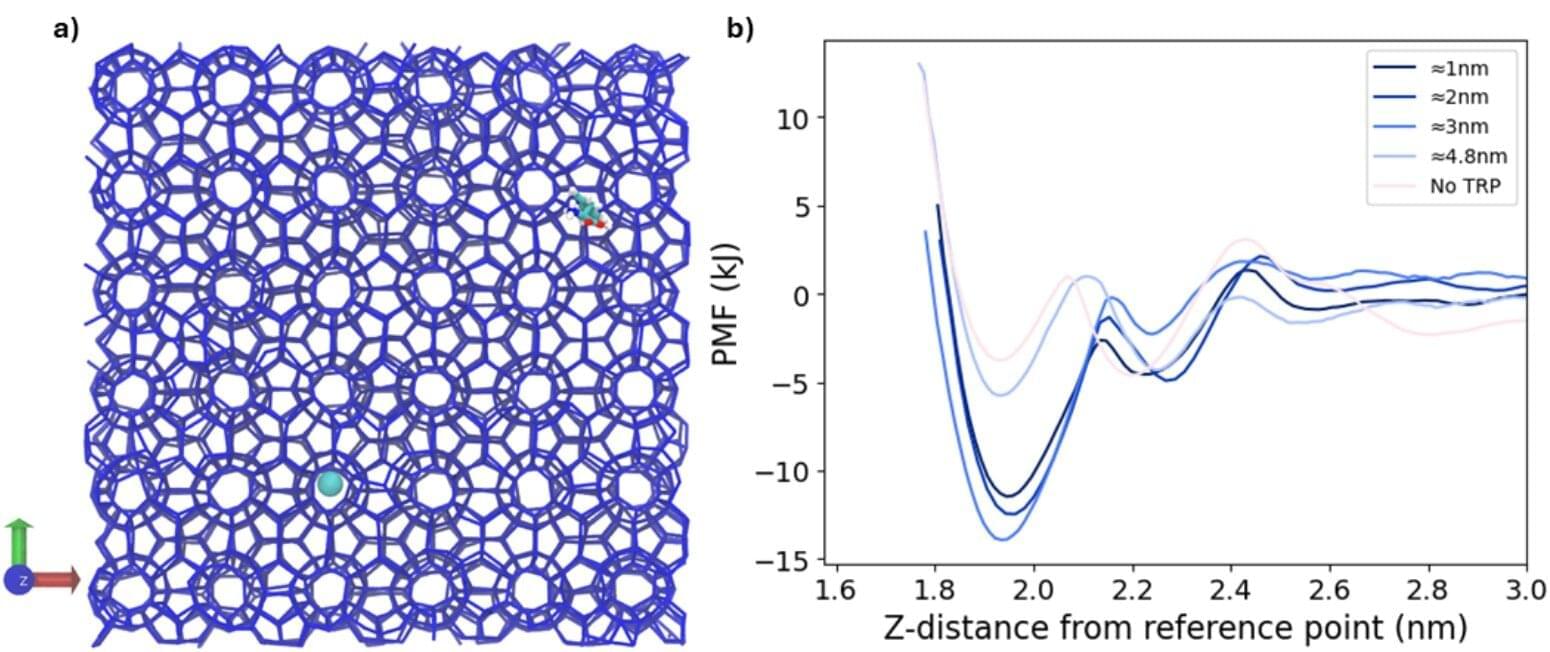
Clathrate hydrates are crystalline structures formed at the bottom of seafloors, created by water molecules trapping methane, carbon dioxide or other molecules. While these materials are underutilized in technology, a University of Oklahoma researcher is helping scientists better understand them through a trailblazing study.
Alberto Striolo, a professor in OU’s Gallogly College of Engineering, co-authored an article published in the Proceedings of the National Academy of Sciences that addresses a key challenge toward utilizing hydrates: their slow growth rates. He and his fellow researchers have discovered an unusual interfacial layer on the hydrate that impacts its growth rate.
Striolo is the college’s Asahi Glass Chair in Chemical Engineering and Lloyd and Jane Austin Presidential Professor. He is also the director of the college’s Online Master of Science in Sustainability and the Materials Science and Engineering doctoral program.
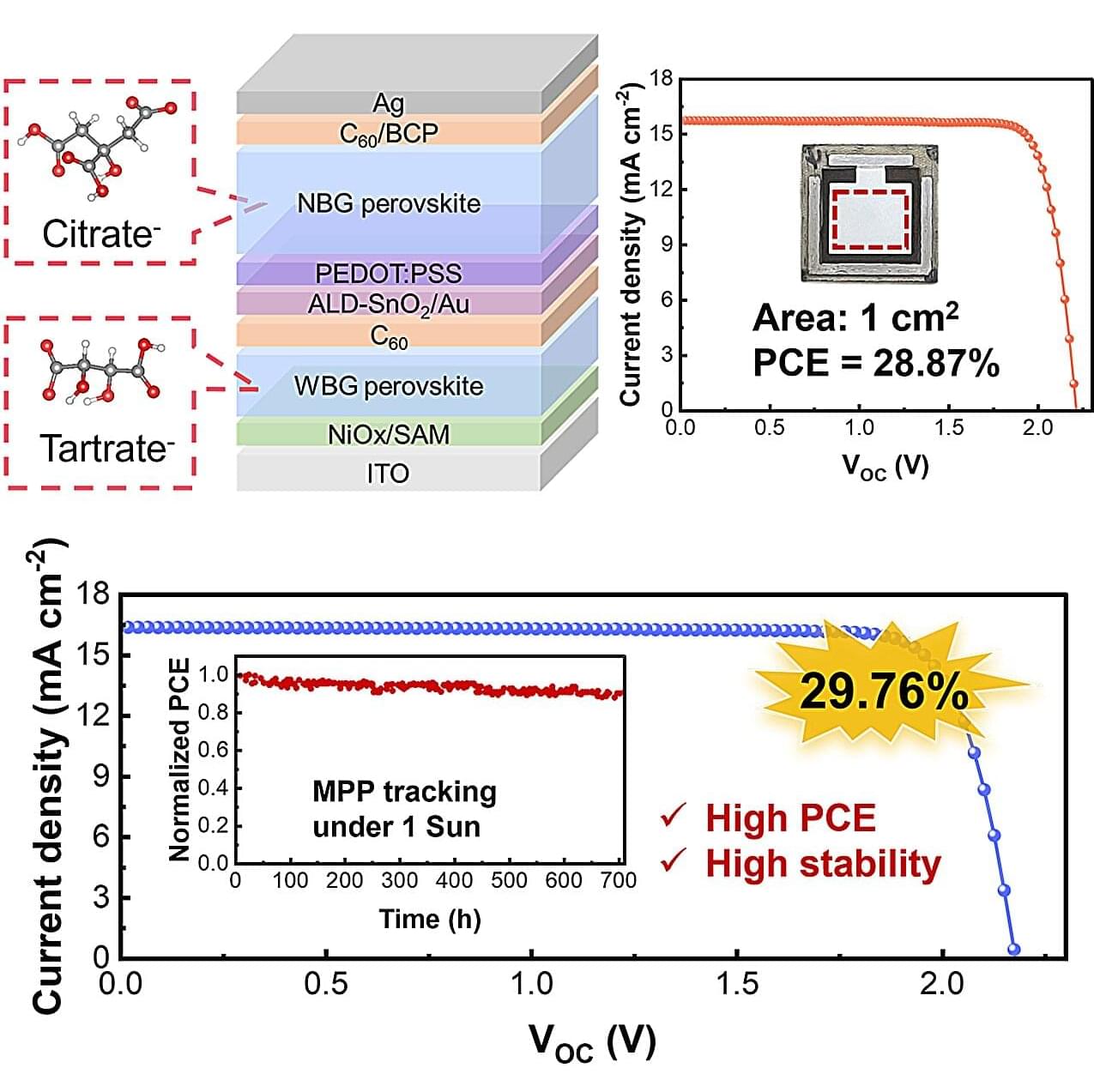
Two stacked layers comprise tandem solar cells (TSCs), with each subcell absorbing different wavelengths of sunlight, which makes TSCs more efficient than single-layer solar cells. All-perovskite TSCs hold great promise for next-generation photovoltaics, with a theoretical efficiency exceeding 40%. However, their practical performance is hampered by mismatched crystallization kinetics between their wide-bandgap (WBG) and narrow-bandgap (NBG) subcells, leading to phase segregation and defect accumulation.
To address this challenge, a research group led by Prof. Ge Ziyi and Prof. Liu Chang from the Ningbo Institute of Materials Technology and Engineering of the Chinese Academy of Sciences has developed an innovative colloidal chemistry strategy to enhance the performance of these TSCs, achieving a power conversion efficiency (PCE) of 29.76%. Their study is published in Joule.
The researchers designed a unified carboxylate-based modulator system using two graded carboxylate anions—tartrate (Ta-) and citrate (Cit-)—to precisely regulate the nucleation dynamics of the two subcells.