Toggle light / dark theme

Get the latest international news and world events from around the world.

Log in for authorized contributors

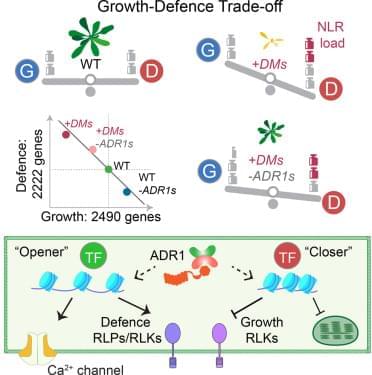
Decoding Arabidopsis growth-defense trade-offs through ADR1-associated transcriptional networks

Using DANGEROUS MIX autoimmune plants with constitutively active NLRs, Hu et al. dissect growth-defense trade-offs. Two major transcriptional modules, representing growth and defense, show a strong inverse correlation and are governed by ADR1 helper NLRs. ADR1s maintain this balance largely through effects on transcription and chromatin accessibility in both modules.

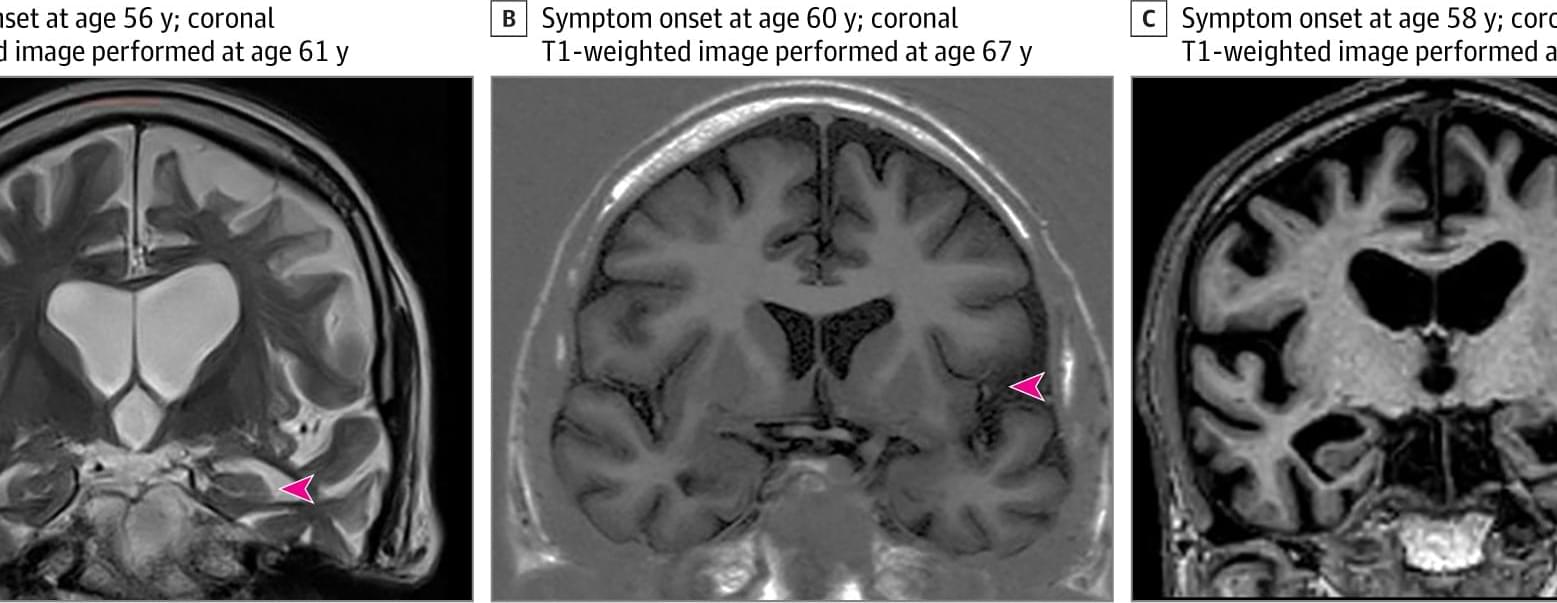
High-Level Alzheimer Disease Neuropathological Change Following Iatrogenic Exposure

Patients treated with cadaveric pituitary-derived human growth hormone contaminated with amyloid-β developed early-onset AlzheimerDisease with prominent language deficits and histopathological features consistent with AD.


Question What are the clinical and postmortem findings in iatrogenic Alzheimer disease (iAD) consequent to treatment with cadaveric pituitary–derived human growth hormone (c-hGH)?

Findings This case series describes a c-hGH recipient with early-onset dementia and prominent language involvement, in whom postmortem examination showed unequivocal neuropathological features of AD, including severe tauopathy. Three additional c-hGH recipients have similar cognitive syndromes characterized by prominent language involvement.

Meaning These results demonstrate that patients with iAD can have histopathological findings classically found in sporadic AD and that prominent language involvement might be an important phenotypic feature in this AD subtype.

Mutation map reveals how amylin mutations influence type 2 diabetes

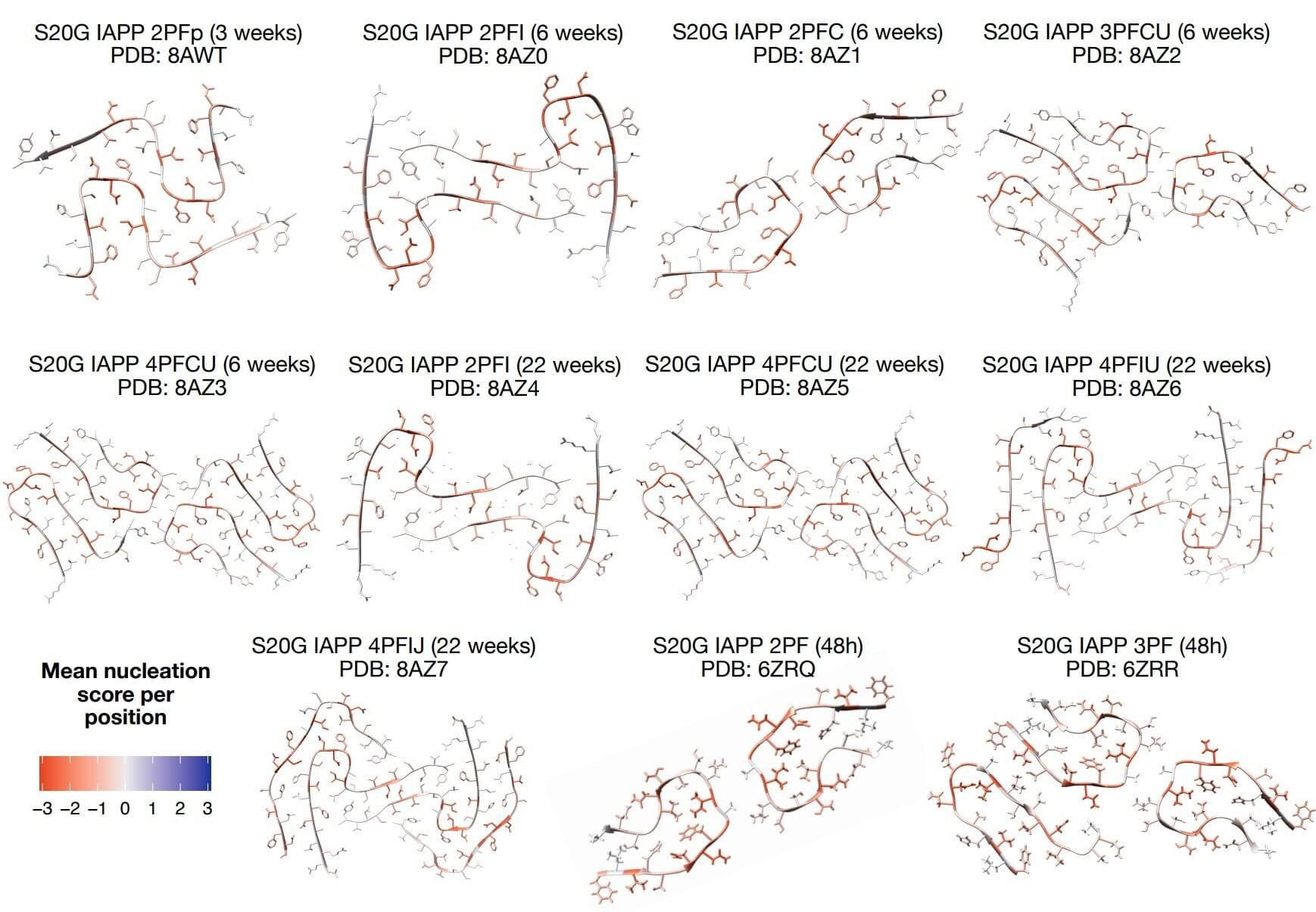
Researchers at the Institute for Bioengineering of Catalonia (IBEC) have produced a mutational map showing how mutations in amylin—a hormone that plays a key role in glucose regulation—affect its tendency to form toxic amyloid aggregates in the pancreas. This process is linked to the development of type 2 diabetes. While it was already known that certain mutations could alter this aggregation capacity, understanding of this process was fragmented and based on isolated studies. The research is published in the journal Nature Communications.

“For the first time, we can systematically map how thousands of mutations modulate amylin aggregation, bringing human genetics closer to molecular mechanisms,” says Benedetta Bolognesi, the principal investigator of the Protein Phase Transitions in Health and Disease group at IBEC, who is also the lead author of the study.

“We have created a map that allows us to anticipate the potential impact of these mutations in the population,” adds Marta Badia, a researcher in the same group and first author of the study. “We are not assessing toxicity, but rather the protein’s intrinsic propensity to form fibers. This is a first step, but an extremely necessary one.”

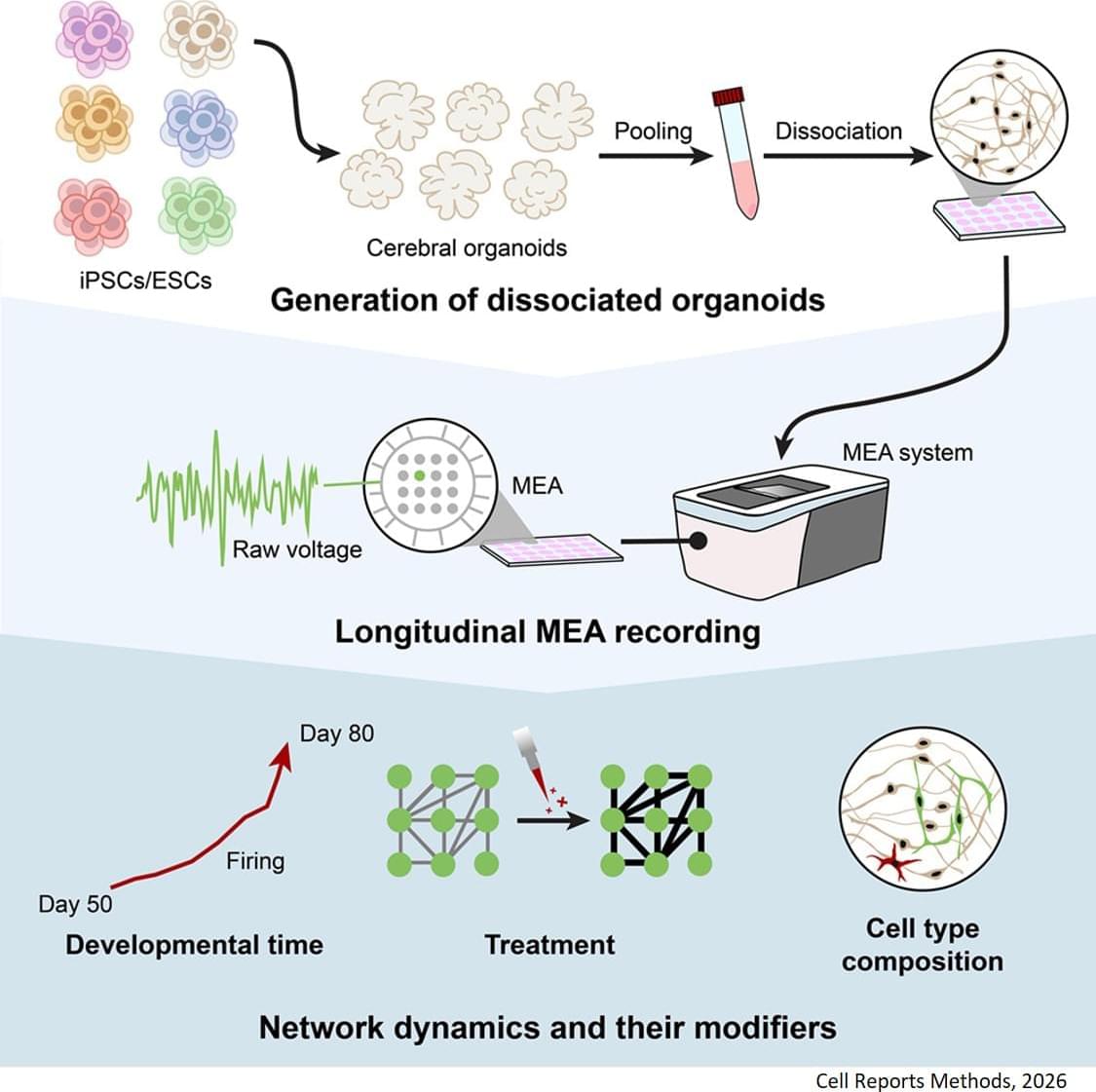
A long-term and scalable system to record from neural organoids

Driving liver inflammation in MASH via multiple pathways.

Metabolic dysfunction-associated steatohepatitis (MASH) if not treated early, may lead to liver cirrhosis and hepatocellular carcinoma (liver cancer).

Hepatic lipotoxicity, intestinal dysbiosis, and pro-inflammatory diets have been attributed to the development of MASH. Moreover, obesity-induced adipose tissue inflammation also contributes to MASH.

The researchers in this review unravel complex, multiple parallel inflammatory mechanisms in MASH and describe how MASH drugs exert their effects. # sciencenewshighlights ScienceMission https://sciencemission.com/liver-inflammation-in-MASH


Intra-and extrahepatic inflammation in MASH is driven by various hits such as lipotoxicity, the gut microbiome, and proinflammatory diets. Inflammation contributes to hepatic and systemic complications, including cardiovascular diseases. Beneficial drugs in MASH might target metabolic and inflammatory pathways.

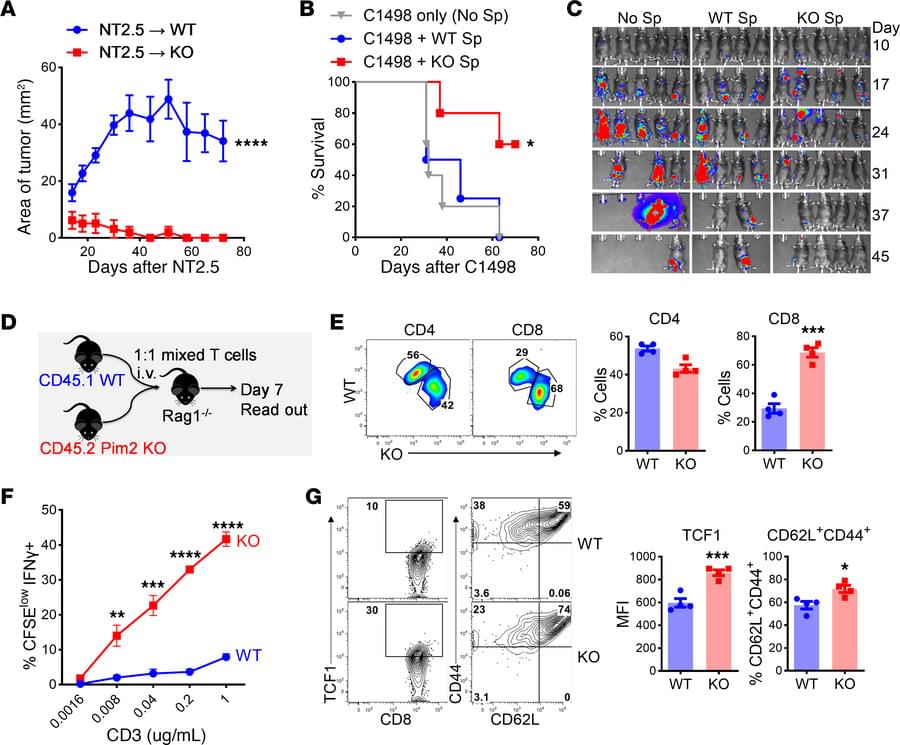
Abstract: The PIM kinase family is involved in tumorigenesis, yet its role in primary T cells remains largely uncharacterized

https://doi.org/10.1172/JCI192928 Here, Xue-Zhong Yu & team identify Pim2 as a key negative regulator of CD8 T-cell antitumor immunity and validate it as a potential therapeutic target for enhancing cancer immunotherapy.

Electron microscopy images show visible autophagosomes in activated WT T cells, but not in Pim2-KO cells, supporting a model in which the PIM2 promotes T cell autophagy.


Address correspondence to: Xue-Zhong Yu or Yongxia Wu, Department of Microbiology and Immunology, Medical College of Wisconsin, 8,701 Watertown Plank Road, Milwaukee, Wisconsin, 53,226, USA. Phone: 414.955.8187; Email: [email protected] (XZY). Phone: 414.955.8148; Email: [email protected] (YW).

Signal, Speculation, and Standards of Proof in Iatrogenic AD

💬 Editorial: Current evidence supports iatrogenic transmission of cerebral amyloid angiopathy but not AlzheimerDisease; a definitive causal link between contaminated growth hormone exposure and AD remains speculative.


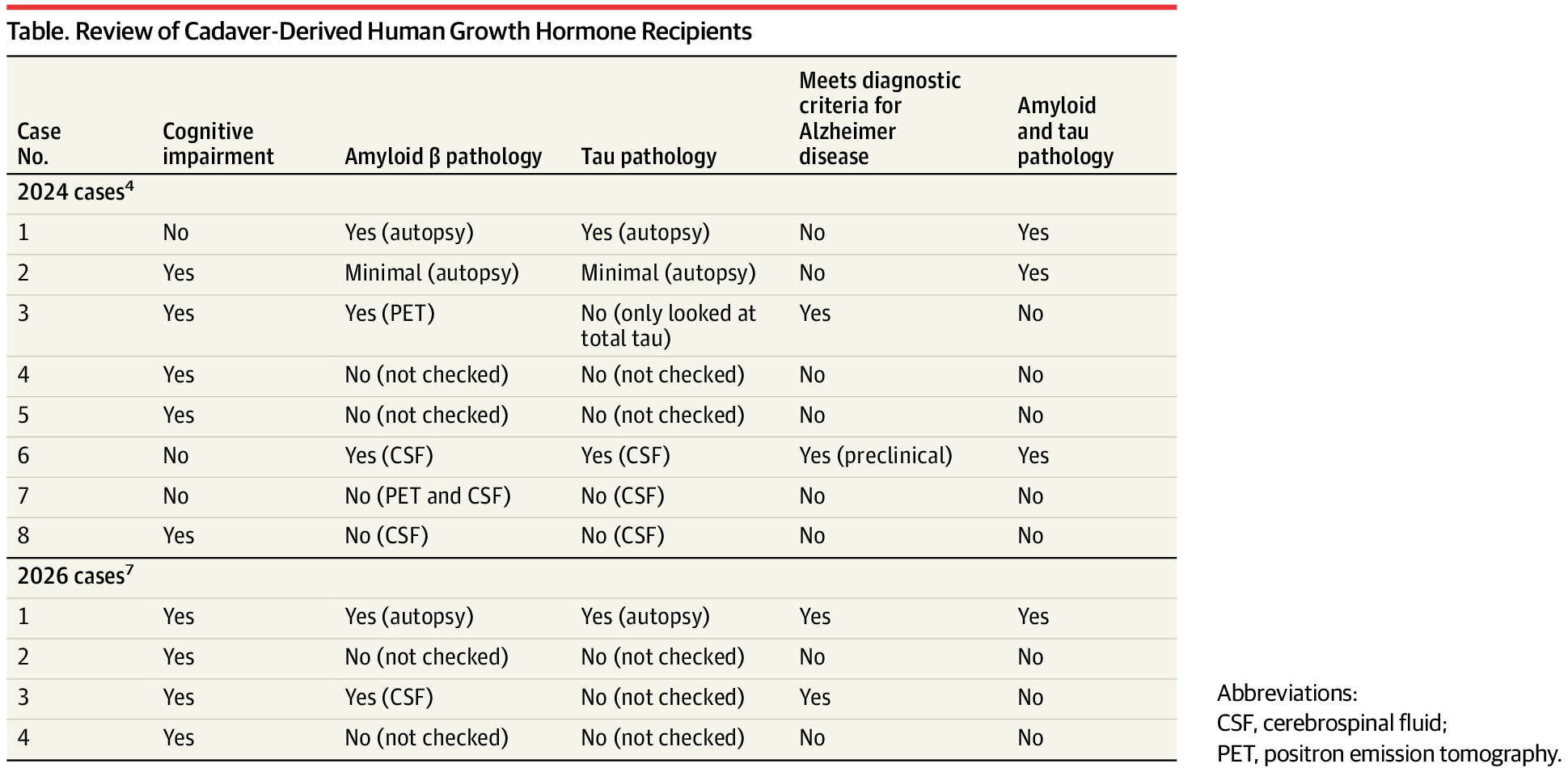
Neurodegenerative diseases caused by protein misfolding (eg, Alzheimer disease [AD], frontotemporal lobar degeneration, Parkinson disease) share many similarities with prion diseases. All demonstrate template-directed protein misfolding and propagation in vivo. However, with 1 exception, they have not exhibited interindividual or zoonotic transmission as observed in iatrogenic Creutzfeldt-Jakob disease and variant Creutzfeldt-Jakob disease, respectively. An important unresolved question is whether other proteinopathies are transmissible between individuals, and if so, their potential impact on public health. To address these concerns, several prion centers have re-assessed cases of iatrogenic Creutzfeldt-Jakob disease due to cadaver-derived human growth hormone (c-hGH) and dura mater grafts. Although amyloid β (Aβ) plaques and cerebral amyloid angiopathy were commonly seen, tau pathology necessary for a diagnosis of AD was not.1,2 Thus, while there is adequate evidence that cerebral amyloid angiopathy may be acquired through iatrogenic mechanisms, iatrogenic transmission of AD pathology remained speculative.3

In 2024, Banerjee et al published an article entitled, “Iatrogenic Alzheimer’s Disease in Recipients of Cadaveric Pituitary-Derived Growth Hormone.”4 This assertion of iatrogenic AD (iAD) was largely predicated on the detection of Aβ seeds contaminating the c-hGH used in 8 recipients who later presented with concerns of cognitive impairment. The recipients had a variety of premorbid neurologic conditions that led to the need for hGH, many of which are themselves associated with later-life neuropathology, perhaps most notably radiotherapy and epilepsy. This report was met with some skepticism, given how the cases were diagnosed and the lack of biological evidence to confirm AD pathology in most participants.5,6

In this issue of JAMA Neurol ogy, the same group presents a report of an autopsy-confirmed case of AD in a c-hGH recipient and describes the clinical phenotype of 3 other c-hGH recipients.7 In their autopsy case, they describe cerebral amyloid angiopathy and high-level AD neuropathologic change (A3B3C3), providing the strongest confirmation of an AD diagnosis in their cohort. Additionally, this individual had limited premorbid medical conditions (complex partial seizures) and required hGH due to idiopathic growth hormone deficiency. They describe the clinical presentation as a mixed primary progressive aphasia phenotype and remark that 3 other c-hGH recipients presented similar primary progressive aphasia phenotypes. One of these was diagnosed with atypical AD due to unspecified single-photon emission computed tomography imaging findings and the other through a reduced Aβ42/40-cerebrospinal fluid ratio.
Natural “Space Weather Stations” to Study Planet Habitability

“This is a great example of a serendipitous discovery, something we didn’t expect to find but that will give us a new window into understanding planet-star relationships,” said Dr. Luke Bouma. [ https://www.labroots.com/trending/space/30366/natural-space-…tability-2](https://www.labroots.com/trending/space/30366/natural-space-…tability-2)


How can scientists determine if exoplanets orbiting M-dwarf stars are habitable? This is what a study recently presented at the 247th Meeting of the American Astronomical Society hopes to address as a team of scientists investigated how stellar activity from M-dwarf stars could influence planetary habitability. This study has the potential to help scientists to narrow constraints for conditions regarding finding life beyond Earth.

For the study, the researchers explored a unique type of M-dwarf star called a complex periodic variable (CPV), which are young M-dwarf stars that have been observed to have periodic decreases in brightness. While brightness dimming is often attributed to a planet passing in front of the star, or even gas and dust, astronomers were perplexed regarding this particular phenomenon. Their initial hypothesis was the brightness dips resulted from bright and dark regions on the star’s surface.

After significant analysis, the researchers discovered that the brightness dips were caused by a “donut” of super-heated gas called plasma, which all stars are made of, trapped within the star’s magnetic field. As the donut rotated around the star, it caused periodic dips in brightness. Along with estimating that approximately 10 percent of M-dwarf stars could be designated as CPVs, they also note this unique stellar could help gain greater insight into how it influences planetary conditions, which the researchers dubbed “space weather stations”

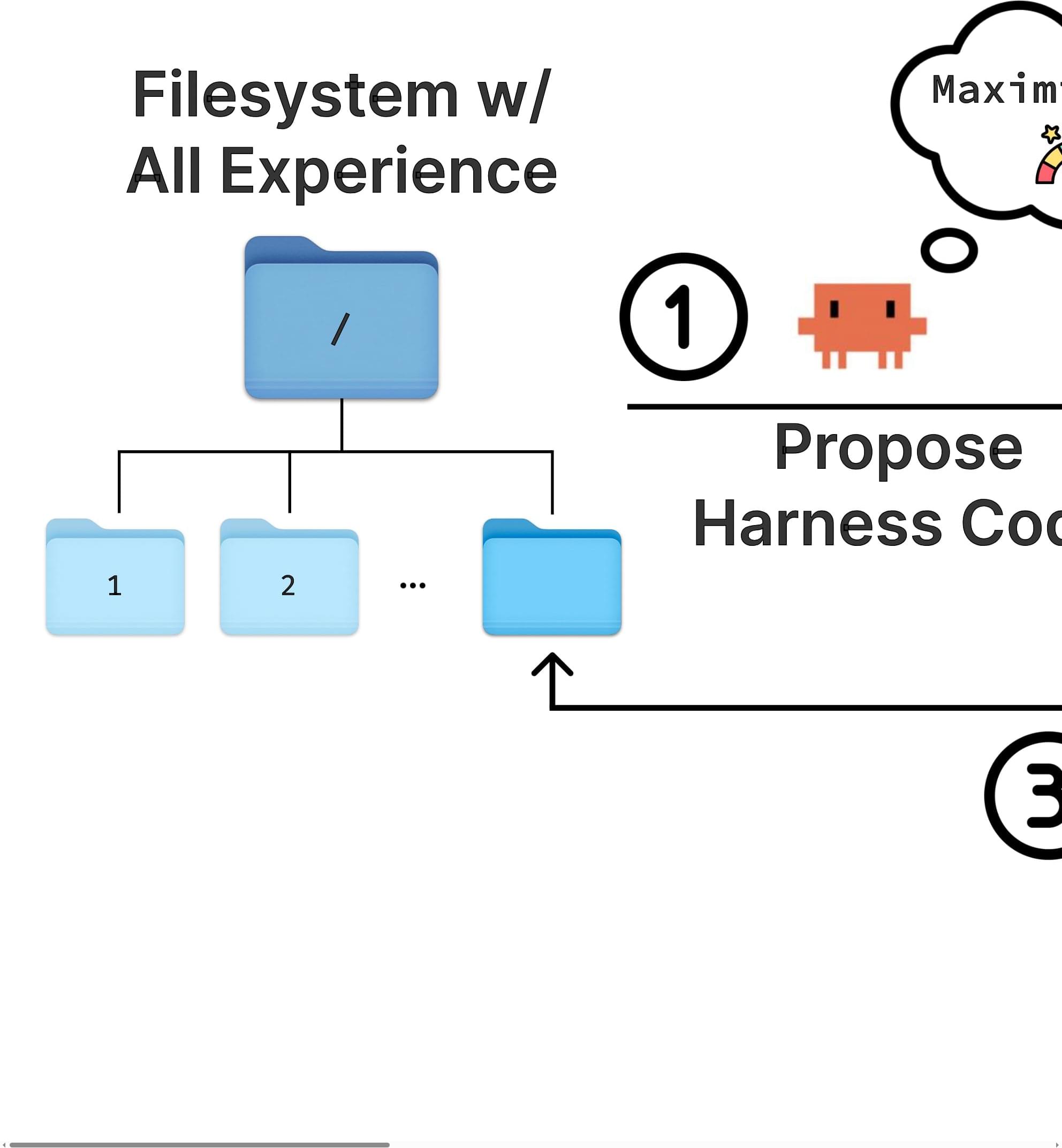
Meta-Harness: End-to-End Optimization of Model Harnesses

Think of a Large Language Model (LLM) like a brilliant scholar. To do their job well, they don’t just need their own brain; they need a good workspace—a desk with the right books, a filing cabinet that’s easy to navigate, and a clear set of instructions on how to process information. In the tech world, this “workspace” is called a harness.

Up until now, these harnesses have been built by human engineers through trial and error. While we have tools to automatically improve the AI’s “brain” (the model weights), the code that actually manages the AI’s information has remained stubbornly manual.


Meta-Harness automatically optimizes model harnesses — the code determining what to store, retrieve, and present to an LLM — surpassing hand-designed systems on text classification, math reasoning, and agentic coding.

/* */