Toggle light / dark theme

Get the latest international news and world events from around the world.

Log in for authorized contributors

Life-changing drug identified for children with rare epilepsy

A new experimental treatment for children with a hard-to-treat form of epilepsy is safe and can reduce seizures dramatically, helping them lead much healthier and happier lives, according to the findings of a UCL (University College London) and Great Ormond Street Hospital-led international clinical trial. In a paper published in The New England Journal of Medicine, researchers found that children with Dravet syndrome had up to 91% fewer seizures while being regularly administered a new medication called zorevunersen.

The results also show, for the first time, the potential to reduce the impact of the condition on a child’s mental processes and behavior. The children’s quality of life improved over a three-year period and most of the treatment’s side effects were mild.

Dravet syndrome is a devastating genetic condition that causes frequent, hard-to-control seizures and long-term neurodevelopmental impairment. The condition also causes feeding difficulties, movement problems and has a high risk of premature death. Current treatments fail to control seizures in most patients and there are no approved medicines that address the condition’s devastating cognitive and behavioral impacts.
How the brain suppresses itch during stress

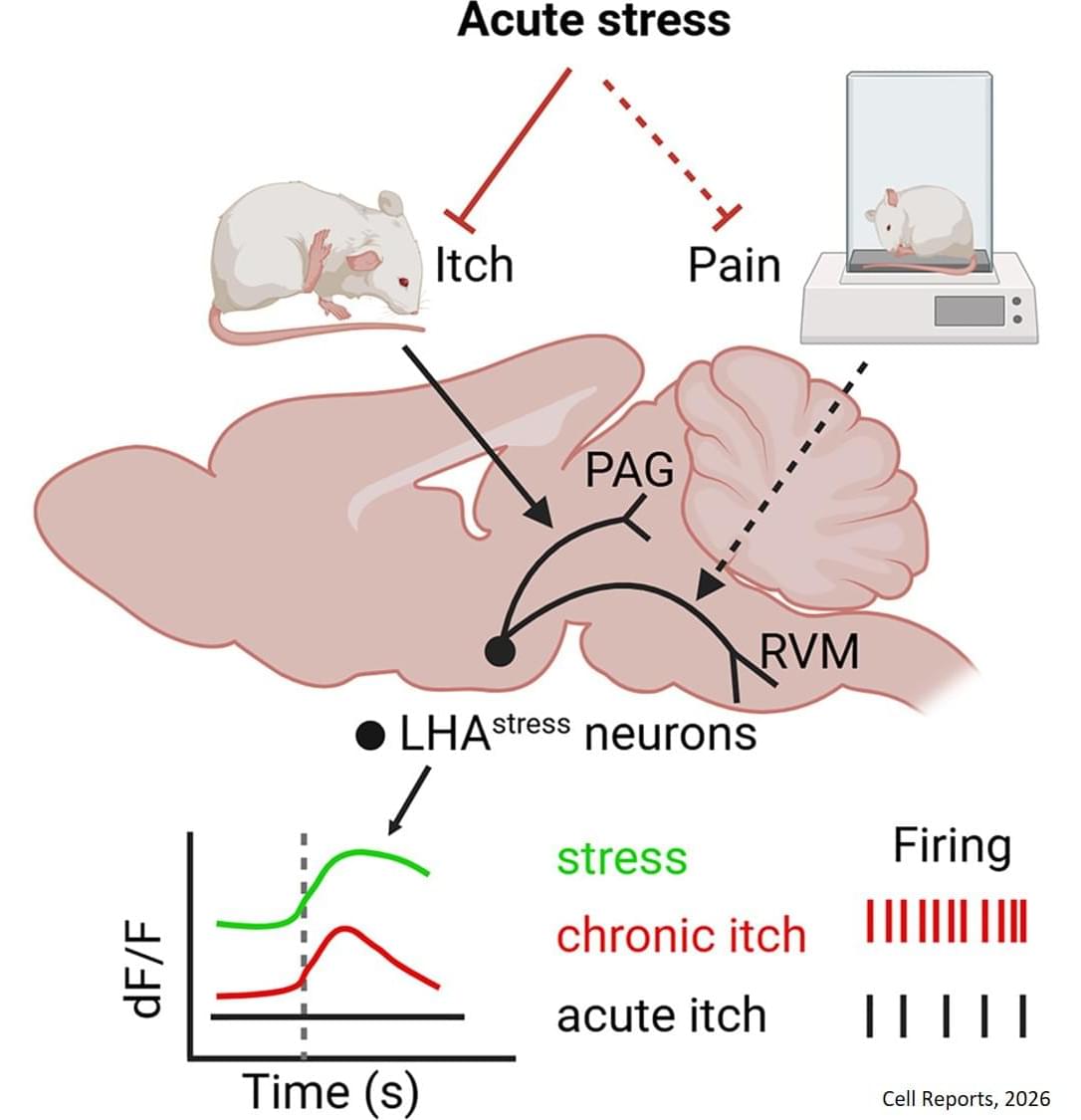
The researchers then tested whether these stress-activated neurons directly influence itch. “We ran some pilot experiments, and we saw that surprisingly, acute stress was able to suppress acute itching,” says the first author of the study.

When the team artificially activated the stress neurons, scratching behaviour decreased in both short-term chemically induced itch and a psoriasis-like chronic itch model. Conversely, when these neurons were silenced, stress no longer reduced scratching. These results showed that these neurons are both necessary and sufficient for stress-induced suppression of itch.

“We show that a specific circuit in the lateral hypothalamus can suppress itch during acute stress, revealing how the brain directly links emotional states to sensory perception,” says the corresponding author. “By identifying the specific neural circuit that links stress to itch, we are opening the possibility of targeting these brain mechanisms to better manage chronic stress-induced worsening of itch.” ScienceMission sciencenewshighlights.


Researchers have mapped a neural circuit in the brain involved in the complex relationship between itch and stress. Their findings, published in Cell Reports, reveal how specific neurons activated during stress can directly regulate itch.

Itch and pain are both unpleasant sensations triggered by harmful or irritating stimuli, but they lead to different behavioural responses. While pain typically causes us to withdraw (such as pulling our hand away from a fire), itch drives scratching. Scientists have long known that emotional states such as stress and anxiety can influence the intensity of these sensations. While the neural mechanisms linking stress and pain have been studied extensively, the effect of stress on itch has remained poorly understood.

In the new study, the team focused on the lateral hypothalamic area (LHA), a brain region known to regulate stress, motivation, and emotional states. Using genetically engineered mouse models, the researchers identified a specific population of neurons in the LHA that become active during acute stress.

Abstract: This study is directly relevant to the clinical care of patients with the most common malignant tumor of the peripheral nervous system

While providing fundamental biological insight👇

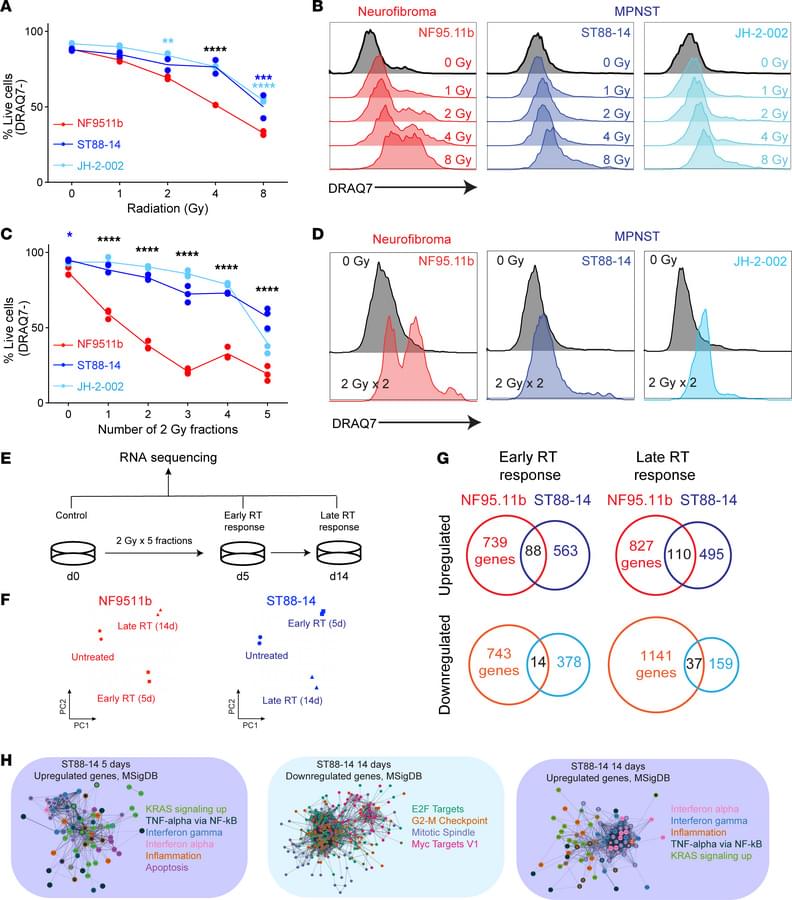
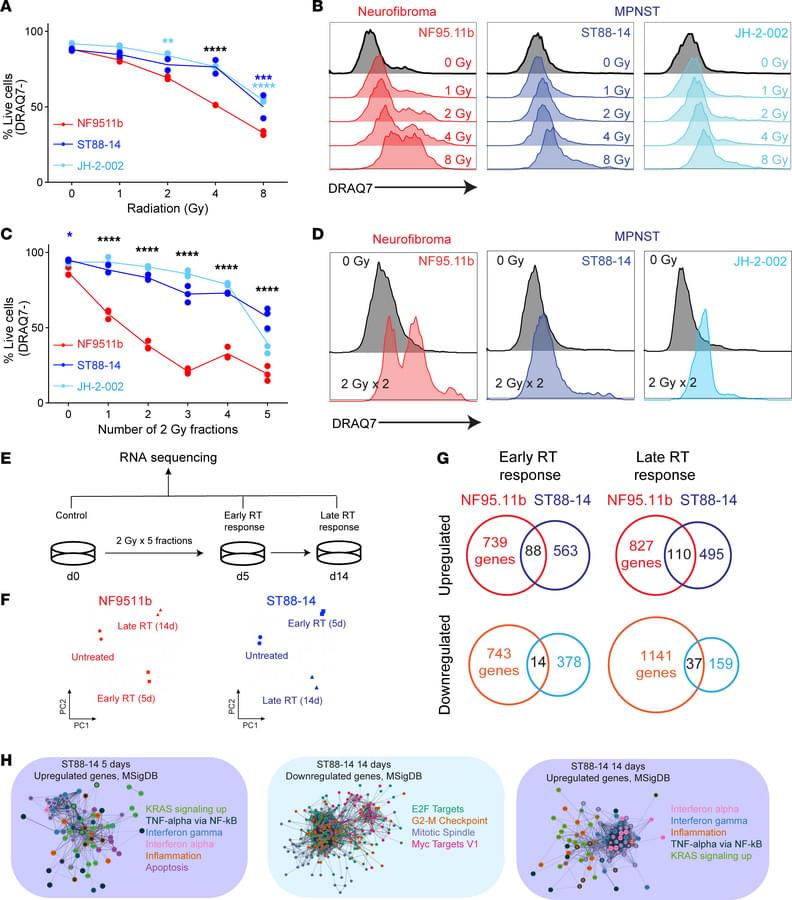
Harish N. Vasudevan & team reveal transcriptional, functional genetic, and cellular mechanisms of interferon signaling that underlie radiotherapy response in people with MPNST.


Address correspondence to: Harish N. Vasudevan, Helen Diller Cancer Research Building, 1,450 3rd Street, Mail Box 520, San Francisco, California 94,158, USA. Phone: 415.502.4107; Email: [email protected].

Restoring circadian rhythms in the hypothalamic paraventricular nucleus reverses aging biomarkers and extends lifespan in male mice

Now online! Enhancing circadian amplitude in mouse hypothalamic paraventricular nucleus neurons by 3′-deoxyadenosine treatment alleviates age-related pathologies and extends lifespan.

Abstract: Molecular mechanisms regulating diabetic retinopathy

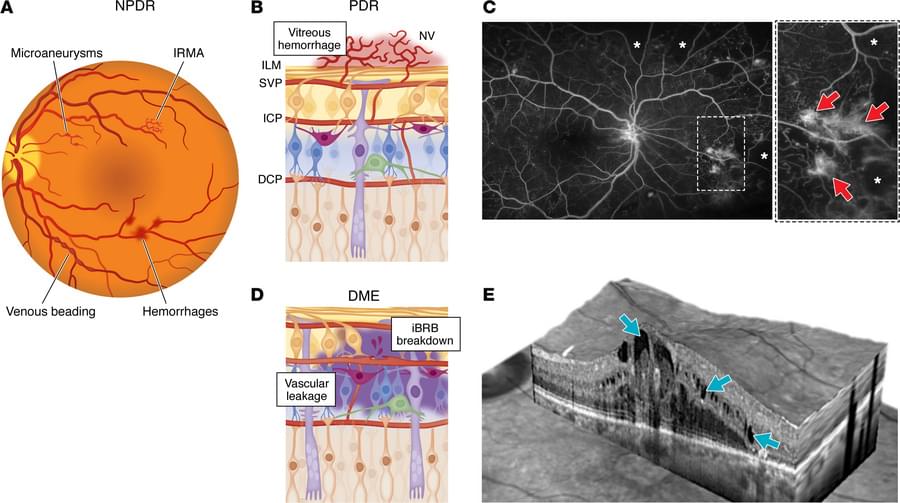
Vision loss from microvascular complication in patients with diabetes mellitus (DM) results in diabetic retinopathy (DR).

Recent evidence suggests that neurodegeneration occurs in parallel with or prior to vascular cell injury in the retina of patients with DM and thus DR is considered as a neurovascular disease.

The researchers in this review discuss how molecular stress (i.e., glucose dysregulation, dysmetabolism, oxidative stress, and inflammation) promote retinal vascular cell and neuronal injury in patients with DM.

The researchers also discuss how genes regulated by the HIF family of transcription factors in glial, vascular, neuronal, and inflammatory cells, control various pathways and identify new therapeutic avenues for the prevention or early treatment of patients with this vision-threating disease. sciencenewshighlights Science Mission https://sciencemission.com/diabetic-retina


Address correspondence to: Akrit Sodhi, Wilmer Eye Institute, Johns Hopkins School of Medicine, 400 N. Broadway St., Smith Building, 4,039, Baltimore, Maryland 21,287, USA. Email: [email protected].

Find articles by Guo, C. in: | Google Scholar |

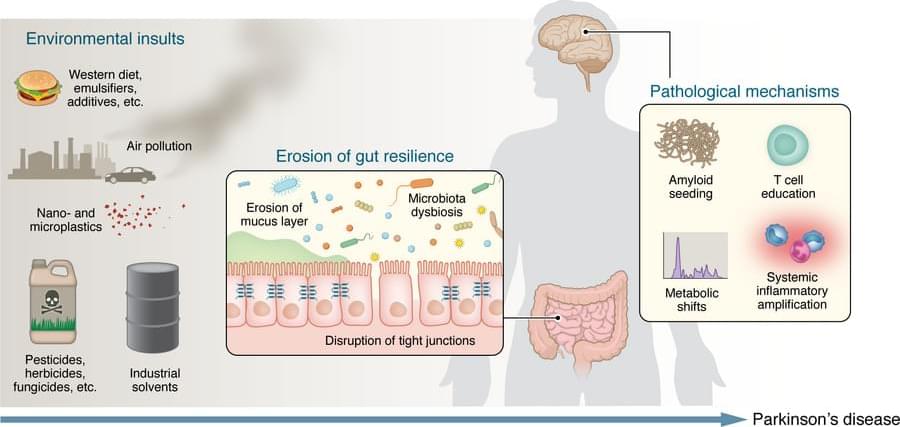
Introduction: The Parkinson’s pandemic: prioritizing environmental policy and biological resilience

Via the gut.

Bianca Palushaj & Robin M Voigt puts forward a strategy for altering the trajectory of this modern epidemic.


1Department of Neurology and Neurological Sciences, Stanford University School of Medicine, Stanford, California, USA.

2Rush Center for Integrated Microbiome and Chronobiology Research.

3Department of Internal Medicine, and.

4Department of Anatomy and Cell Biology, Rush University Medical Center, Chicago, Illinois, USA.

Mysteries of Math and the Langlands Program — Episode 1

The first in a series of 4 lectures by Edward Frenkel filmed at MSRI, Berkeley and broadcast on the Japanese TV channel NHK in the Fall of 2015 in the “Luminous Classroom” series. The lectures went from elementary topics such as Pythagoras theorem, prime numbers and symmetries to Fermat’s last theorem and the general Langlands conjectures, and to the recent work connecting the Langlands Program to Quantum Physics. Even though the Intro is in Japanese, the lecture itself is in English.

/* */