Toggle light / dark theme

Get the latest international news and world events from around the world.

Log in for authorized contributors

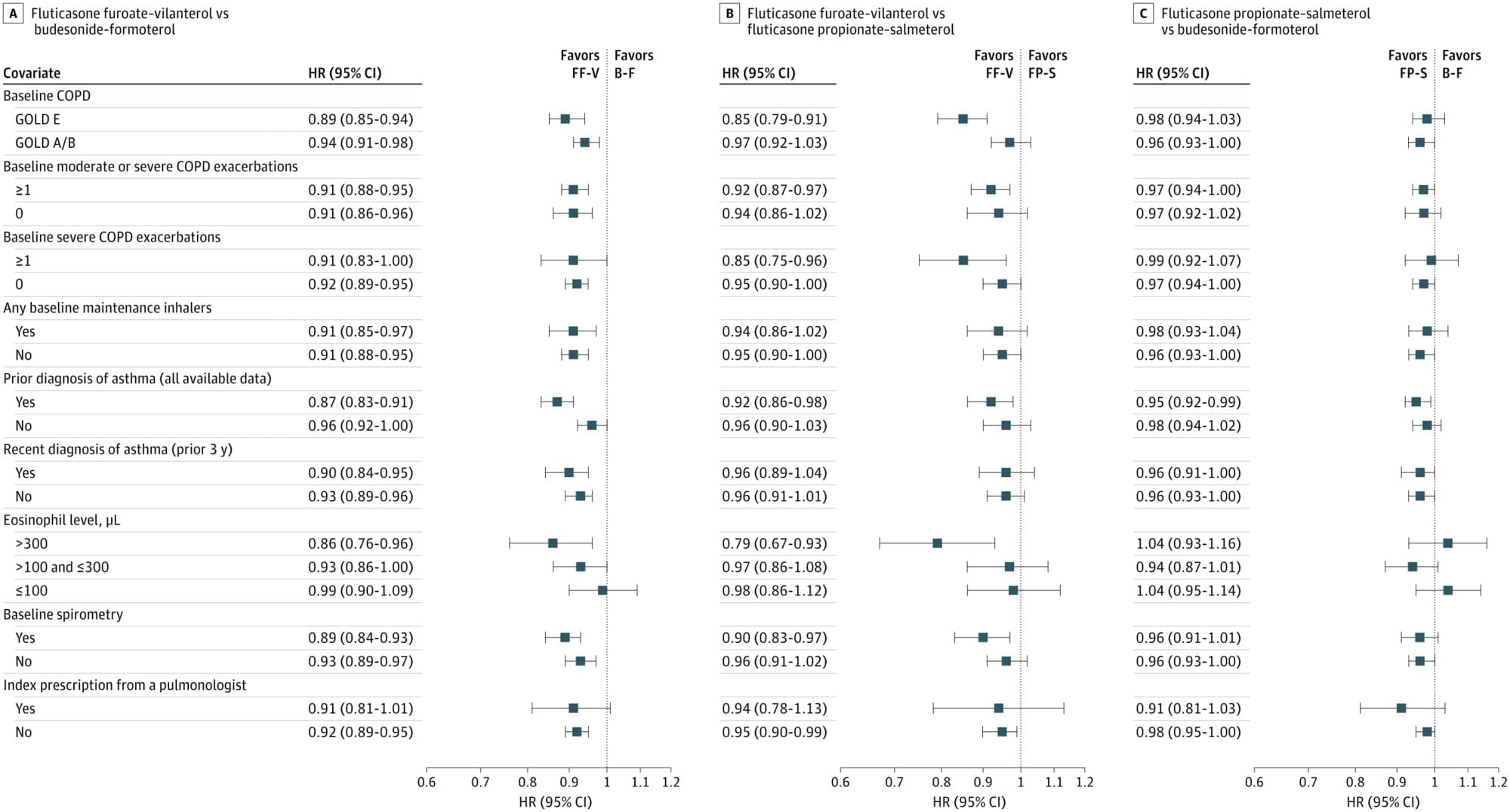
Fluticasone- vs Budesonide-Based Dual Therapy for COPD

In this cohort study of ICS-LABA therapy in patients with COPD, fluticasone furoate–vilanterol was associated with similar or slightly improved clinical outcomes compared with budesonide-formoterol and fluticasone propionate–salmeterol.


This cohort study was approved by the Mass General Brigham Institutional Review Board. Informed consent was waived because the analysis used deidentified data. The protocol was preregistered with the Center for Open Science (https://osf.io/yp2kh) before the analyses were implemented. The study followed the Strengthening the Reporting of Observational Studies in Epidemiology (STROBE) reporting guideline.
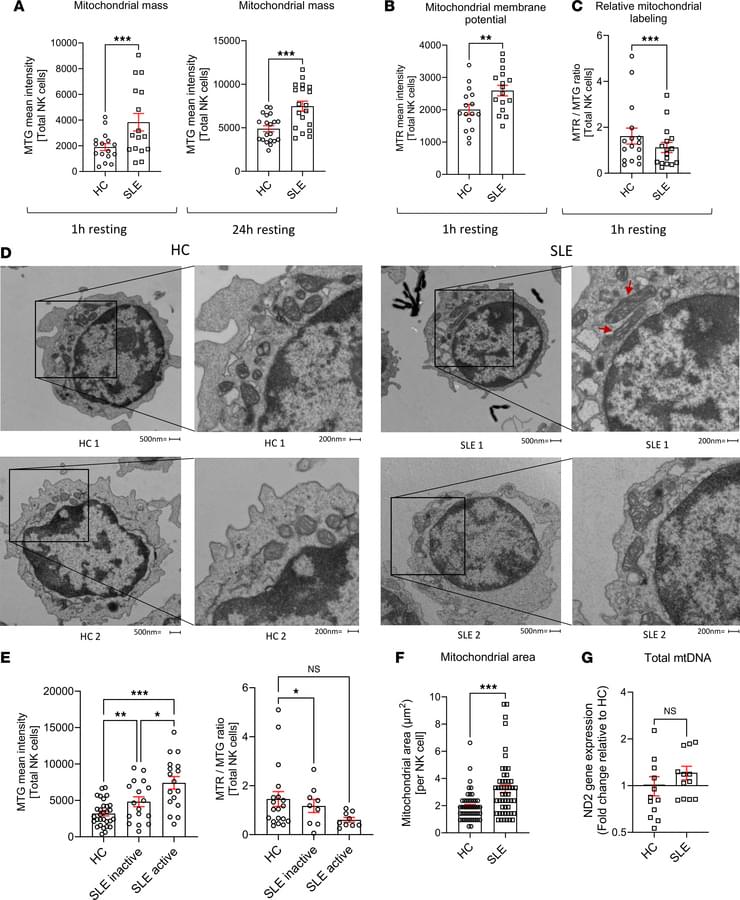
Should we target the mitochondria in systemic lupus erythematosus (SLE)?

In this Research Article, Denis Comte & team link defective mitochondrial recycling to impaired natural killer cell function in SLE and identify potential treatments to restore immune balance:

The image shows transmission electron microscopy of an NK cell from a patient with lupus showing mitochondrial structural alterations (false-colored red). Inset: healthy NK cell with preserved mitochondrial ultrastructure.


1Department of Medicine, Division of Immunology and Allergy, Lausanne University Hospital, University of Lausanne, Lausanne, Switzerland.

2Department of Medicine, Beth Israel Deaconess Medical Center, Harvard Medical School, Boston, Massachusetts, USA.

3Department of Immunobiology, University of Lausanne, Epalinges, Switzerland.

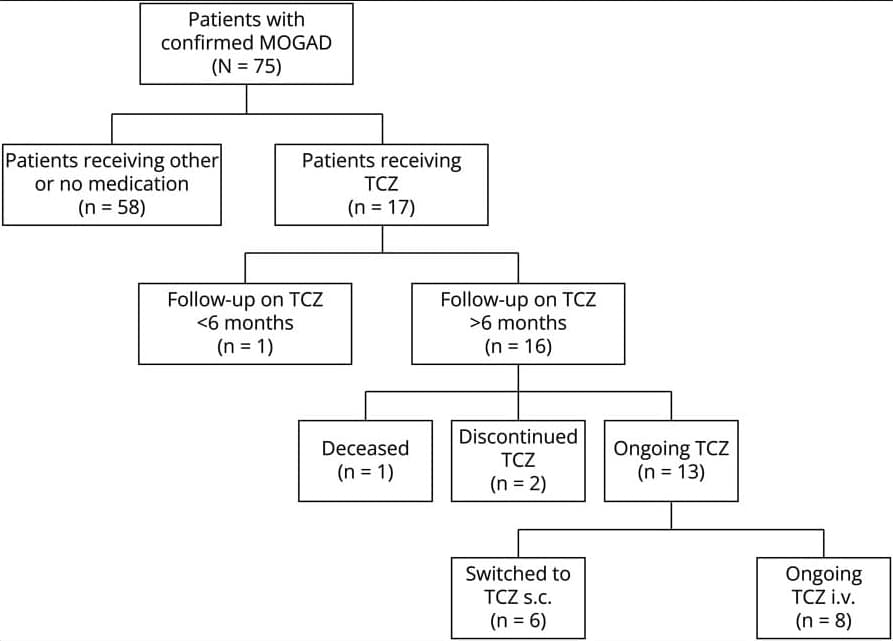
Long-Term Treatment With Interleukin-6 Receptor Inhibitor Tocilizumab in Myelin Oligodendrocyte Glycoprotein Antibody–Associated Disease

This longitudinal, retrospective study found that the interleukin-6 receptor inhibitor tocilizumab shows promise as a potentially effective treatment in MOGAD, and its subcutaneous administration may improve long-term therapy adherence.


Background and Objectives.

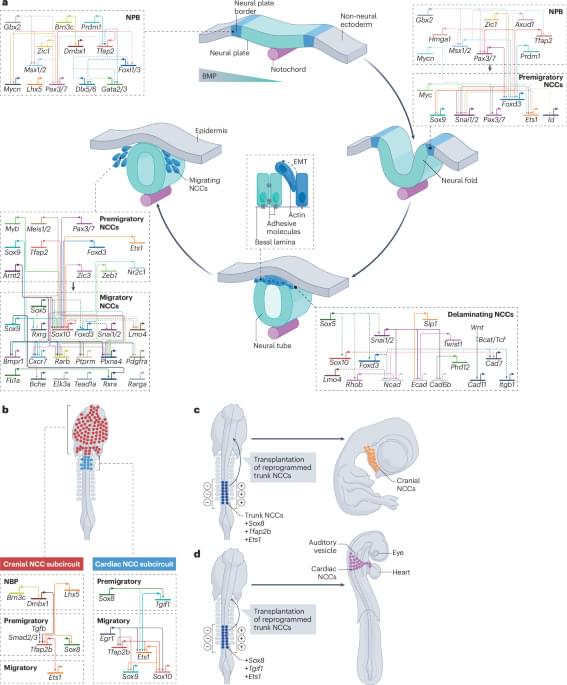
Neural crest gene regulatory networks as drivers of development, diversification and disease

Neural crest cells (NCCs) are multipotent stem cells whose activation, migration and diversification are tightly controlled by gene regulatory networks that shape NCC function in vertebrate development, evolution, tissue repair and disease.

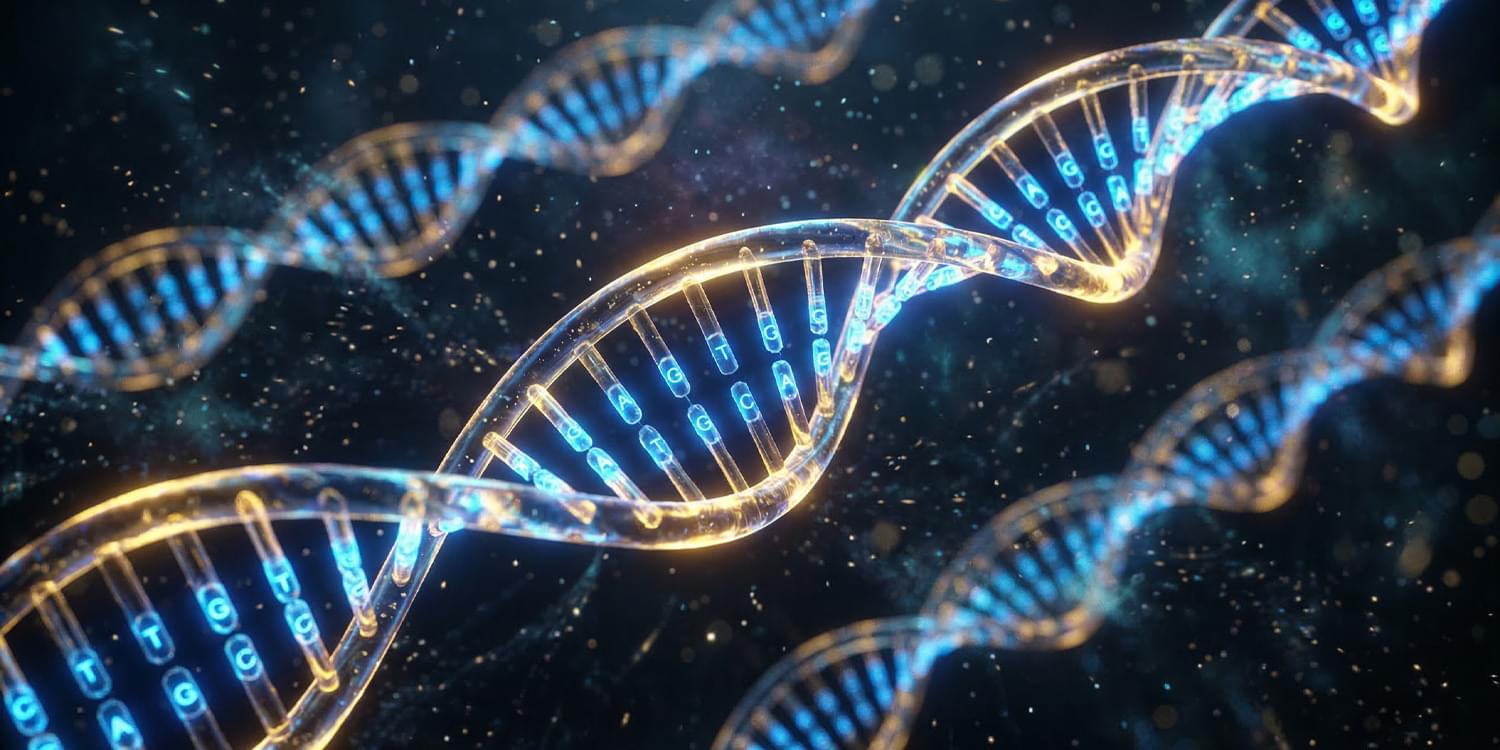
Genetic factors drive the link between cognitive ability and socioeconomic status

A new study of German twins suggests that the strong connection between a young adult’s cognitive ability and their future socioeconomic status is largely driven by their genes, rather than shared family environments or random life events.

Your gut microbes can be anti-aging—scientists are uncovering how to keep your microbiome youthful

People have long given up on the search for the Fountain of Youth, a mythical spring that could reverse aging. But for some scientists, the hunt has not ended—it’s just moved to a different place. These modern-day Ponce de Leóns are investigating whether gut microbes hold the secret to aging well.

The gut microbiome refers to the vast collection of microscopic organisms—bacteria, fungi, and viruses—that largely inhabit the colon. These microbes aid in digestion and produce molecules that affect your physiology and psychology. The composition of the microbiome is influenced by a combination of factors, including genetics, diet, the environment, medications, and age.

I’m a microbiology professor and author of “Pleased to Meet Me: Genes, Germs and the Curious Forces That Make Us Who We Are,” which describes how the gut microbiome contributes to physical and mental health. The discovery that the gut microbiome changes with age has ignited studies to determine whether the Fountain of Youth might be right under your nose, down inside your gut.

The Critical Importance of Security and Power Resilience for Data Centers in the AI Era

AI Era Data Centers: Power & Security Challenges By Chuck Brooks

As AI adoption accelerates across the government, challenges like higher power demand and cyber risks are expected to emerge.

#datacenters #cybersecurity #artificialintelligence


By Chuck Brooks, president of Brooks Consulting International and one of Executive Mosaic’s GovCon Experts

Artificial intelligence, or AI, is not merely a tool in our age of rapid technological advancement; rather, it is the fundamental force behind innovation in all spheres of society. Our world is changing due to AI’s capabilities, which range from real-time decision-making in national security to predictive analytics in healthcare.

The contemporary data center, the digital stronghold that stores, processes and drives the enormous computing demands of AI models, is at the center of this change. However, as AI adoption picks up speed, these vital

The Critical Importance of Security and Power Resilience for Data Centers in the AI Era

infrastructures are confronted with two existential challenges: an unparalleled increase in power usage and a changing environment of increasingly complex security risks. For operational continuity, economic stability and national resilience, addressing both is now essential and no longer discretionary.

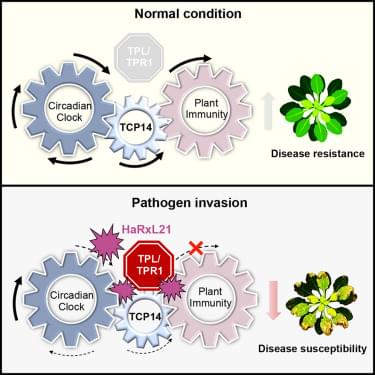
Pathogen effector disarms circadian-immune crosstalk by targeting TCP14, a dual regulator of clock and defense

Wang et al. identify the transcription factor TCP14 as a critical nexus linking the circadian clock and plant defense. The study reveals how the pathogen effector HaRxL21 hijacks this connection by recruiting TPL/TPR1 repressors to disarm TCP14, thereby providing a mechanistic understanding of how pathogens overcome circadian-gated immunity.

/* */