Toggle light / dark theme

Get the latest international news and world events from around the world.

Log in for authorized contributors

AI diffusion models tailor drug molecules to custom-fit protein targets, speeding drug development and evaluation

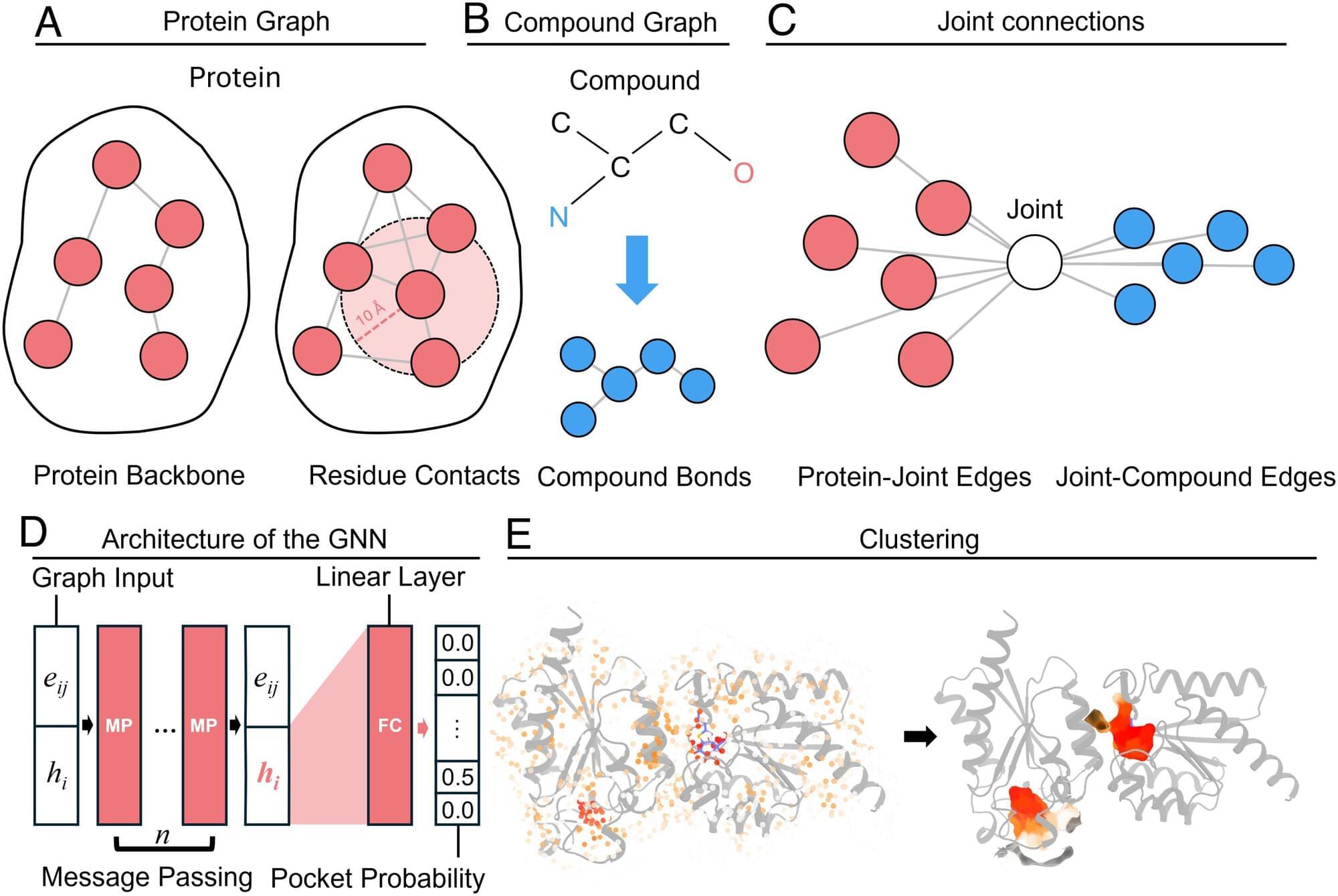
University of Virginia School of Medicine scientists have developed a bold new approach to drug development and discovery that could dramatically accelerate the creation of new medicines. UVA’s Nikolay V. Dokholyan, Ph.D., and colleagues have developed a suite of artificial intelligence-powered tools, called YuelDesign, YuelPocket and YuelBond, that work together to transform how new drugs are created. The centerpiece, YuelDesign, uses a cutting-edge form of AI called diffusion models to design new drug molecules tailored to fit their protein targets exactly, even accounting for the way proteins flex and shift shape during binding.

A companion tool, YuelPocket, identifies exactly where on a protein a drug can attach, while YuelBond ensures the chemical bonds in designed molecules are accurate. Together, the approach is poised to improve both how new drugs are designed and how quickly and efficiently existing drugs can be evaluated for new purposes.

“Think of it this way: Other methods try to design a key for a lock that’s sitting perfectly still, but in your body, that lock is constantly jiggling and changing shape. Our AI designs the key while the lock is moving, so the fit is much more realistic,” said Dokholyan, of UVA’s Department of Neurology. “This could make a real difference for patients with cancer, neurological disorders and many other conditions where we desperately need better drugs targeting these wiggly proteins but keep hitting dead ends.”
How surface chemistry impacts the performance of malaria nets

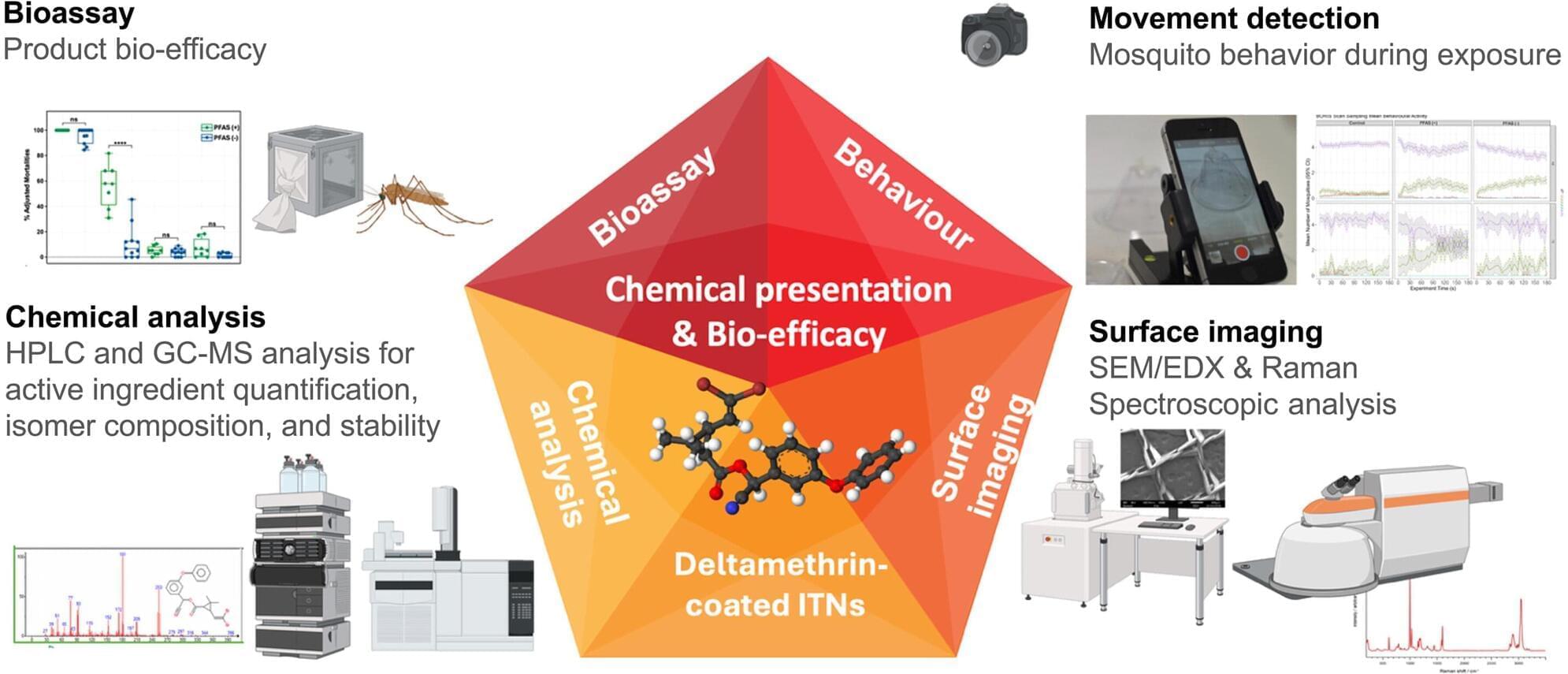
Insecticide-treated bed nets remain one of the most effective tools in malaria prevention, acting both as a physical barrier and as an insecticidal surface that kills or disables mosquitoes before they can transmit disease. New research by a multidisciplinary research team from the University of Liverpool and the Liverpool School of Tropical Medicine (LSTM) uses surface science to assess how well malaria nets perform.

Published in Science Advances, the focus of the study was the phasing out of PFAS coatings, a group of synthetic fluorinated coating chemicals that have been valued for stability and performance. However, their environmental persistence and potential health risks have made their removal an important priority. The paper is titled “Multimodal platform for ITN efficacy: Surface chemistry, bioavailability, and mosquito behavior.”

To understand the impact of removing PFAS, the team developed a novel multimodal evaluation platform combining chemical analysis, advanced surface imaging, and mosquito behavioral tracking.

Megawatt structured light arrives with 3,070 optical vortices in one array

Optical vortices—light beams carrying orbital angular momentum (OAM)—are characterized by helical wavefronts and phase singularities. While they have been widely studied in recent decades, two fundamental limitations have restricted their broader impact: generating large numbers of vortices simultaneously and achieving high peak power in such configurations. Until now, large vortex arrays have been limited to low-power systems, whereas high-power demonstrations have typically involved only single vortices.

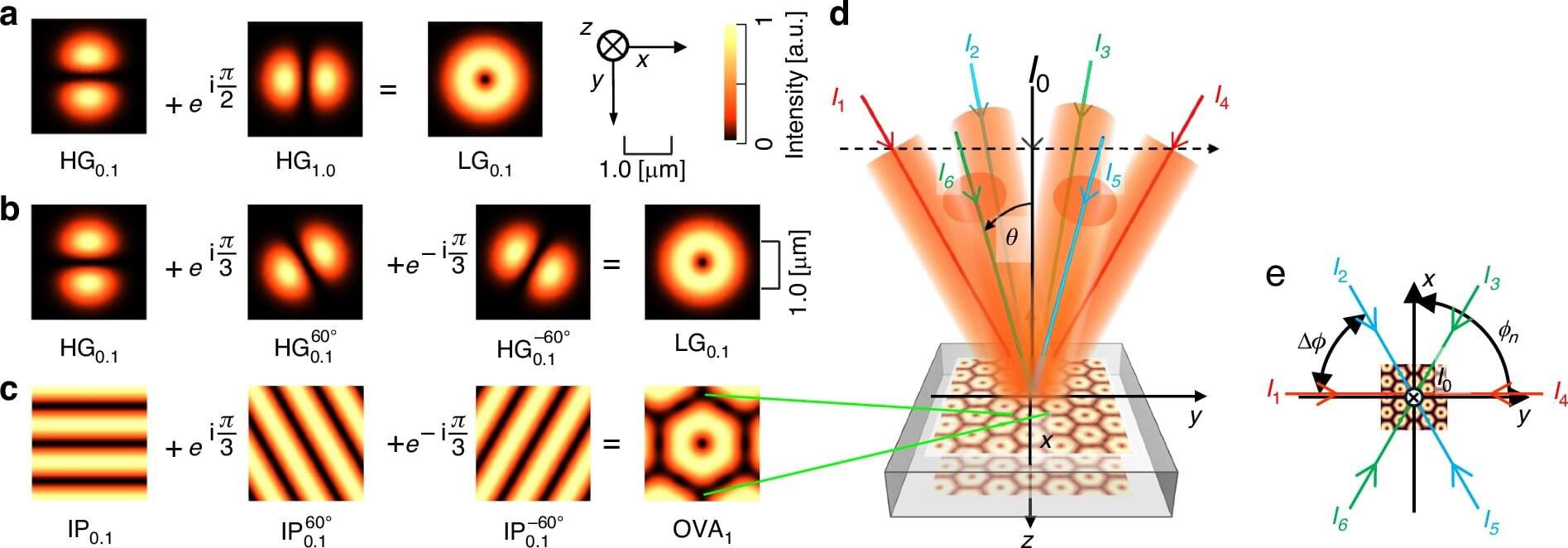
In a new paper published in Light: Science & Applications, a research team led by Professor Yoshiki Nakata at The University of Osaka reports the world’s first experimental realization of a megawatt-class large-scale optical vortex array comprising 3,070 phase-coherent vortices at a peak power of 58 megawatts. The result represents more than three orders of magnitude improvement in both vortex number and peak power compared with previous approaches.

Conventionally, Laguerre–Gaussian (LG) modes are expressed as the superposition of two Hermite–Gaussian (HG) modes with a π/2 phase shift. This constitutes the first revision of the HG–LG mode-conversion framework in three decades. The team reformulated this description into a three-mode representation that naturally integrates with multibeam interference geometry.

Smart Slider updates hijacked to push malicious WordPress, Joomla versions

Hackers hijacked the update system for the Smart Slider 3 Pro plugin for WordPress and Joomla, and pushed a malicious version with multiple backdoors.

The developer says that only the Pro version 3.5.1.35 of the plugin is affected and recommends switching immediately to the latest version, currently 3.5.1.36, or 3.5.1.34 and earlier.

Apart from installing backdoors in multiple locations, the malicious update created a hidden user with administrator permissions and stole sensitive data.

New ‘LucidRook’ malware used in targeted attacks on NGOs, universities

A new Lua-based malware, called LucidRook, is being used in spear-phishing campaigns targeting non-governmental organizations and universities in Taiwan.

Cisco Talos researchers attribute the malware to a threat group tracked internally as UAT-10362, who they describe as a capable adversary “with mature operational tradecraft.”

LucidRook was observed in attacks in October 2025 that relied on phishing emails carrying password-protected archives.

/* */