Toggle light / dark theme

Get the latest international news and world events from around the world.

Log in for authorized contributors

How choices made by crowds in a train station are guided by strangers

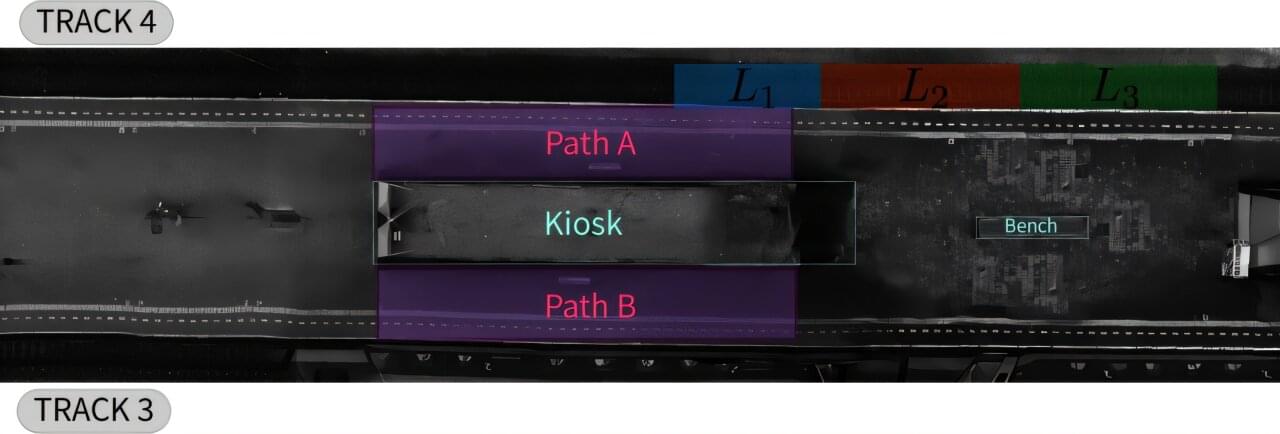
In crowds, most people are strangers to you, and everyone else for that matter. However, until now, the effect of stranger-to-stranger interactions on the choices people make in crowds has not been properly examined. Ziqi Wang and Federico Toschi from the TU/e Department of Applied Physics and Science Education, along with Alessandro Gabbana at the University of Ferrara in Italy, explored how strangers influence people’s choices in crowds at Eindhoven Centraal railway station. The research is published in the journal Proceedings of the National Academy of Sciences.

“Using a collection of special overhead sensors, we gathered data on how pedestrians move over a three-year period, from March 2021 to March 2024,” says Toschi. “This amounted to about 30,000,000 pedestrian trajectories and included people getting off trains and those waiting on the platform. We collaborated with ProRail on this project, as we have done in previous studies on how pedestrians move in Eindhoven Centraal station.”

Toschi has been studying pedestrian dynamics for some time and was jointly awarded the 2021 Ig Nobel Prize for physics for work on how pedestrians keep a certain distance from each other in crowds.
Neutron scattering helps clarify magnetic behavior in altermagnetic material

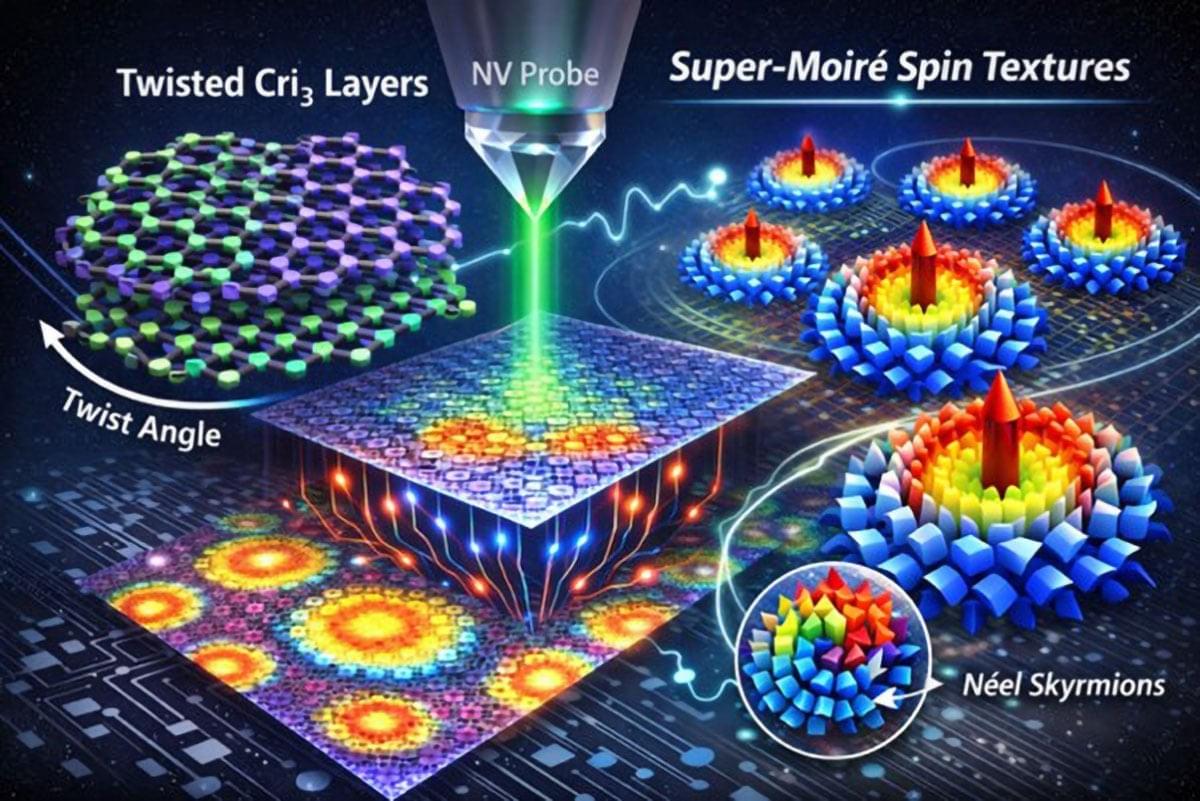
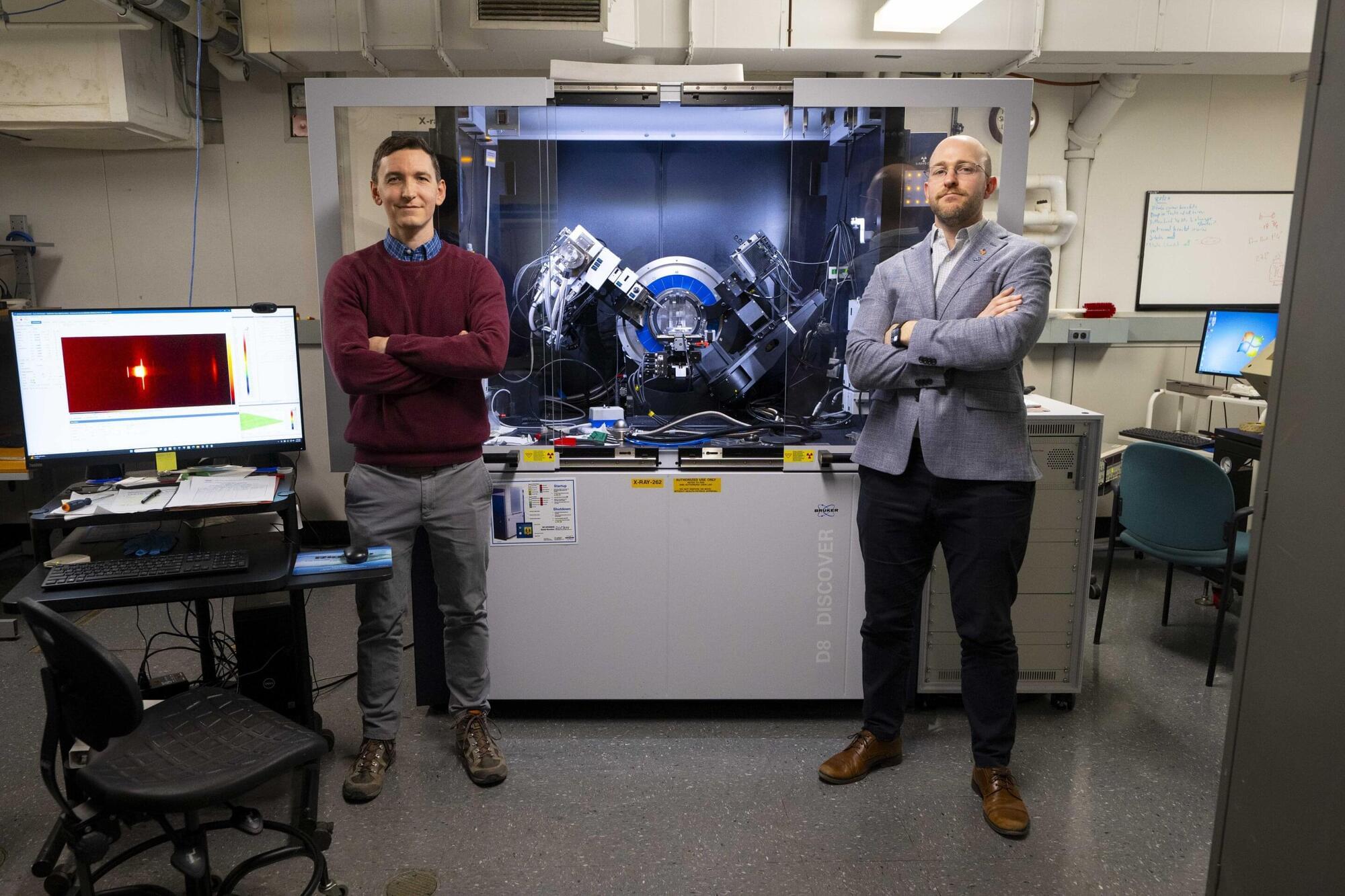
Scientists at the U.S. Naval Research Laboratory (NRL) have identified the true source of a magnetic effect seen in the material ruthenium dioxide (RuO₂), helping resolve an active debate in the rapidly growing field of altermagnetism. The study is published in the journal ACS Applied Materials & Interfaces.

RuO₂ has drawn global attention as a possible “altermagnetic” material, a newly predicted class of materials that could enable faster, more energy-efficient computing technologies. The excitement has been fueled by theory and early experimental reports suggesting that RuO₂ might host an unusual magnetic state with major implications for spintronics and high-speed electronics.

“Altermagnets are a hot field of research right now,” said Steven Bennett, Ph.D., an NRL materials scientist and co-author of the study. “There’s been a rush to experimentally demonstrate what theorists predicted, because the impact on high-speed, energy-efficient computing could be significant.”

Quantum trembling: Why there are no truly flat molecules

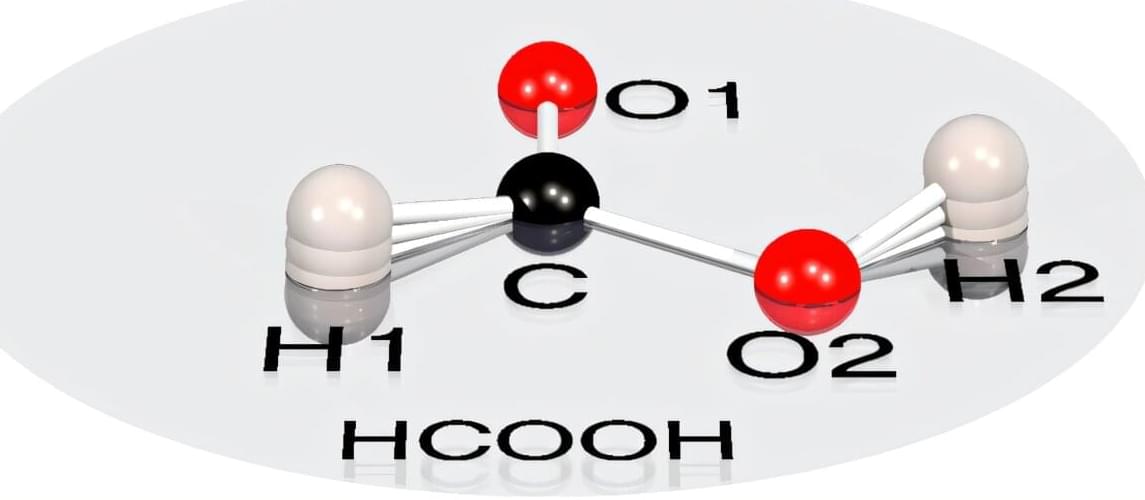
Traditional chemistry textbooks present a tidy picture: Atoms in molecules occupy fixed positions, connected by rigid rods. A molecule such as formic acid (methanoic acid, HCOOH) is imagined as two-dimensional—flat as a sheet of paper. But quantum physics tells a different story. In reality, nature resists rigidity and forces even the simplest structures into the third dimension.

Researchers led by Professor Reinhard Dörner of the Institute for Nuclear Physics at Goethe University have now determined the precise spatial structure of the “flat” formic acid molecule using an X-ray beam from the PETRA III synchrotron radiation source at the DESY accelerator center in Hamburg. They collaborated with colleagues from the universities of Kassel, Marburg and Nevada, the Fritz Haber Institute, and the Max Planck Institute for Nuclear Physics. The study is published in Physical Review Letters.

To accomplish this, they made use of two effects that occur when X-ray radiation strikes a molecule. First, the radiation ejects several electrons from the molecule (photoelectric effect and Auger effect). As a result, the atoms become so highly charged that the molecule bursts apart in an explosion (Coulomb explosion). The scientists succeeded in measuring these processes sequentially, even though they take place within femtoseconds—millionths of a billionth of a second.

Impact-formed glass provides evidence of cosmic collision in Brazil about 6 million years ago

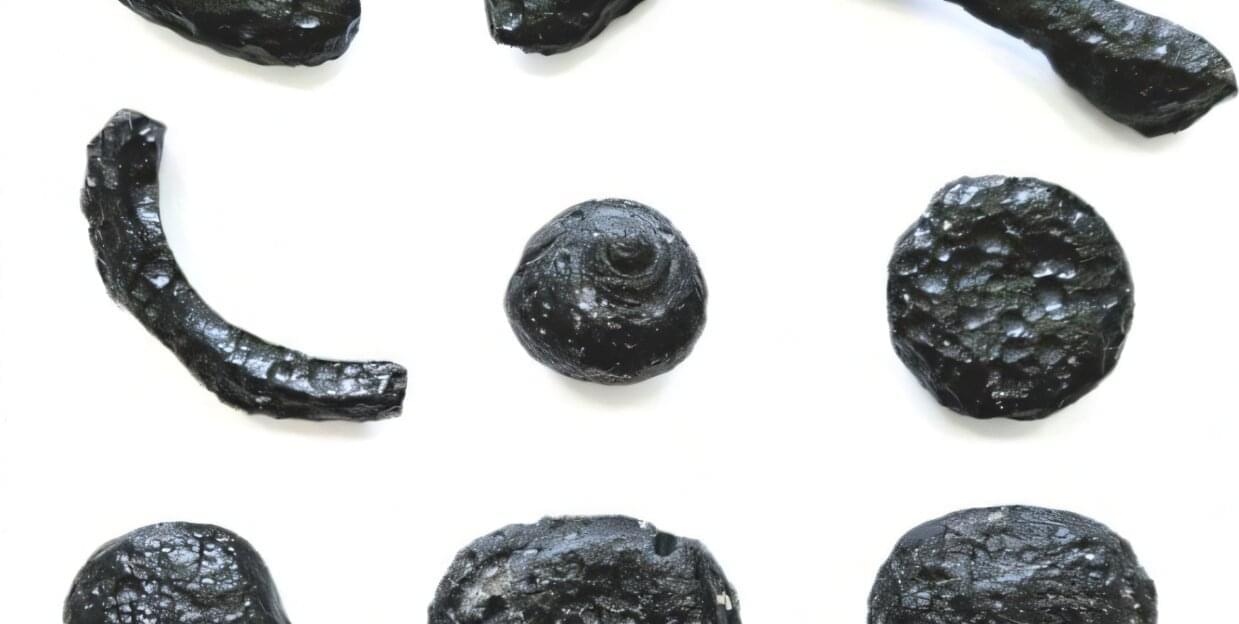
For the first time in Brazil, researchers have identified a field of tektites. These are natural glasses formed by the high-energy impact of extraterrestrial bodies against Earth’s surface. These structures, named geraisites in honor of the Brazilian state of Minas Gerais, where they were first discovered, constitute a new strewn field. This expands the incomplete record of impacts in South America.

The discovery was described in an article published in the journal Geology by a team led by Álvaro Penteado Crósta, a geologist and senior professor at the Institute of Geosciences at the State University of Campinas (IG-UNICAMP). Crósta collaborated with researchers from Brazil, Europe, the Middle East, and Australia.

Until now, only five large tektite fields had been recognized on the planet: in Australasia, Central Europe, the Ivory Coast, North America, and Belize. The Brazilian field now joins this select group.

“Cosmic Volcano” Erupts Again: Black Hole Awakens After 100 Million Years

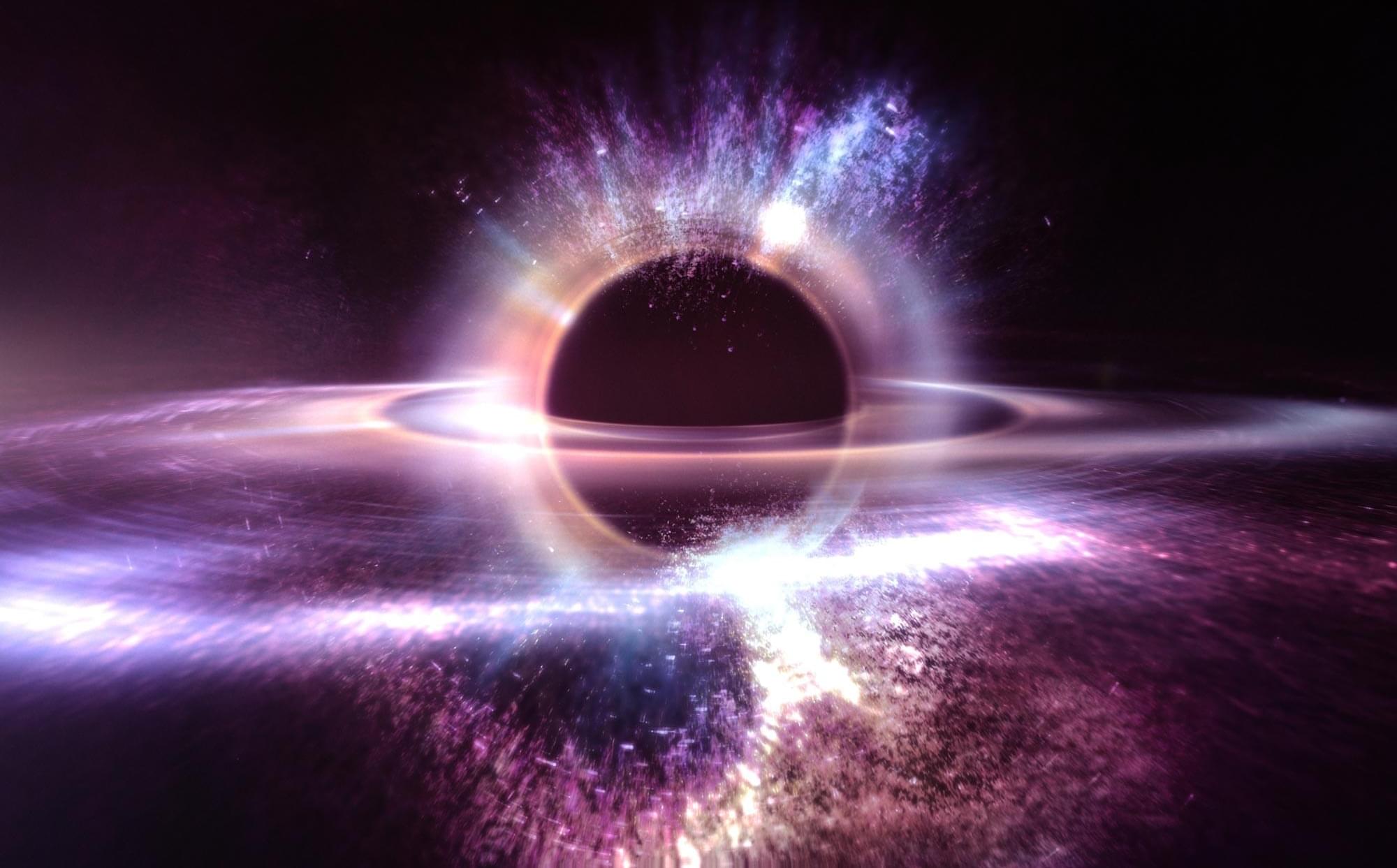
A restarted black hole in J1007+3540 reveals how episodic jet activity and cluster pressure sculpt giant radio galaxies. Astronomers have captured one of the clearest views yet of a black hole returning to life, in a vast radio galaxy where activity stretches nearly one million light-years across

ClickFix Campaign Abuses Compromised Sites to Deploy MIMICRAT Malware

Cybersecurity researchers have disclosed details of a new ClickFix campaign that abuses compromised legitimate sites to deliver a previously undocumented remote access trojan (RAT) called MIMICRAT (aka AstarionRAT).

“The campaign demonstrates a high level of operational sophistication: compromised sites spanning multiple industries and geographies serve as delivery infrastructure, a multi-stage PowerShell chain performs ETW and AMSI bypass before dropping a Lua-scripted shellcode loader, and the final implant communicates over HTTPS on port 443 using HTTP profiles that resemble legitimate web analytics traffic,” Elastic Security Labs said in a Friday report.

According to the enterprise search and cybersecurity company, MIMICRAT is a custom C++ RAT with support for Windows token impersonation, SOCKS5 tunneling, and a set of 22 commands for comprehensive post-exploitation capabilities. The campaign was discovered earlier this month.

/* */