Toggle light / dark theme

Get the latest international news and world events from around the world.

Log in for authorized contributors

Comparative Accuracy of TCD, TTE, TEE, and Cardiac CT in Detecting Right-to-Left Shunt in Embolic Stroke of Undetermined Source

This study provides a comprehensive, head-to-head comparison of transcranial Doppler, transthoracic echocardiography, transesophageal echocardiography, and cardiac CT for right-to-left shunt detection in patients with embolic stroke of undetermined source.


Background and Objectives.

Logan’s List of Entrepreneurship Funding/Mentorship Resources

After compiling these entrepreneurship funding/mentorship resources for my own reference, I realized that others may benefit from them as well. I cover accelerators, general funding, nonprofit funding, training programs, and VC firms. Many possibilities!


After compiling these resources for my personal reference, I realized that others may benefit from them as well. As a person of collaborative spirit, I decided to post them here! Although these are focused on early-stage biotech entrepreneurship, many of the resources should also have broader applicability. I should note that some of the items listed may exist transiently, so parts of this compilation might eventually end up out-of-date. I hope that you find this list helpful for your own adventures!

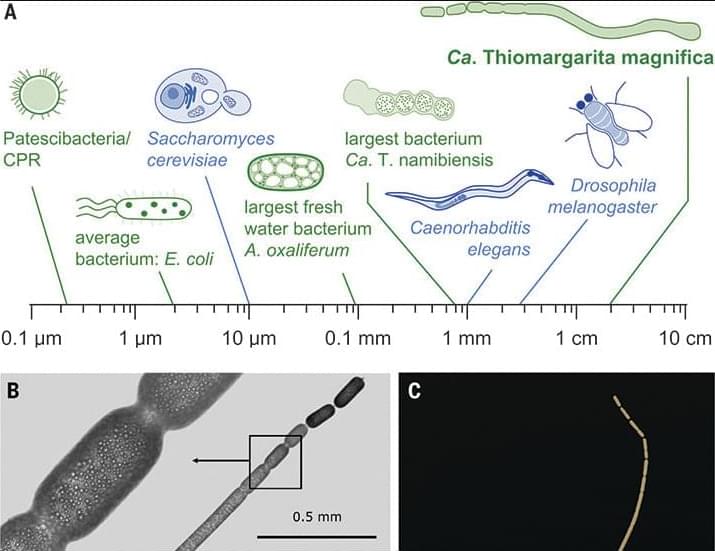
A centimeter-long bacterium with DNA contained in metabolically active, membrane-bound organelles

Volland et al. discovered a type of bacteria which grows to around a centimeter in length! They explore its remarkable biological adaptations as well. A very interesting read!


Candidatus Thiomargarita magnifica contains compartmentalized genomic material and disrupts conceptions of microbial morphology.

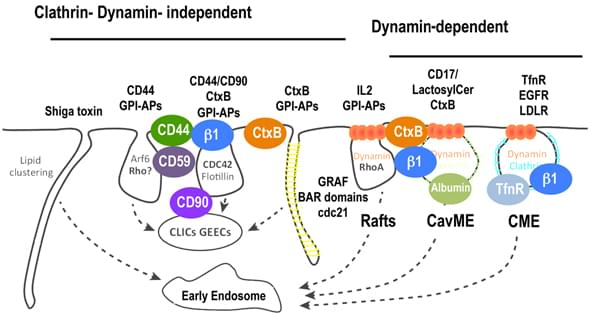
Endocytic pathways and endosomal trafficking: a primer

Here’s a very nice review on the molecular biology of endocytosis and endosomal trafficking. Found it very helpful for better understanding these pathways.


This brief overview of endocytic trafficking is written in honor of Renate Fuchs, who retires this year. In the mid-1980s, Renate pioneered studies on the ion-conducting properties of the recently discovered early and late endosomes and the mechanisms governing endosomal acidification. As described in this review, after uptake through one of many mechanistically distinct endocytic pathways, internalized proteins merge into a common early/sorting endosome. From there they again diverge along distinct sorting pathways, back to the cell surface, on to the trans-Golgi network or across polarized cells. Other transmembrane receptors are packaged into intraluminal vesicles of late endosomes/multivesicular bodies that eventually fuse with and deliver their content to lysosomes for degradation. Endosomal acidification, in part, determines sorting along this pathway.

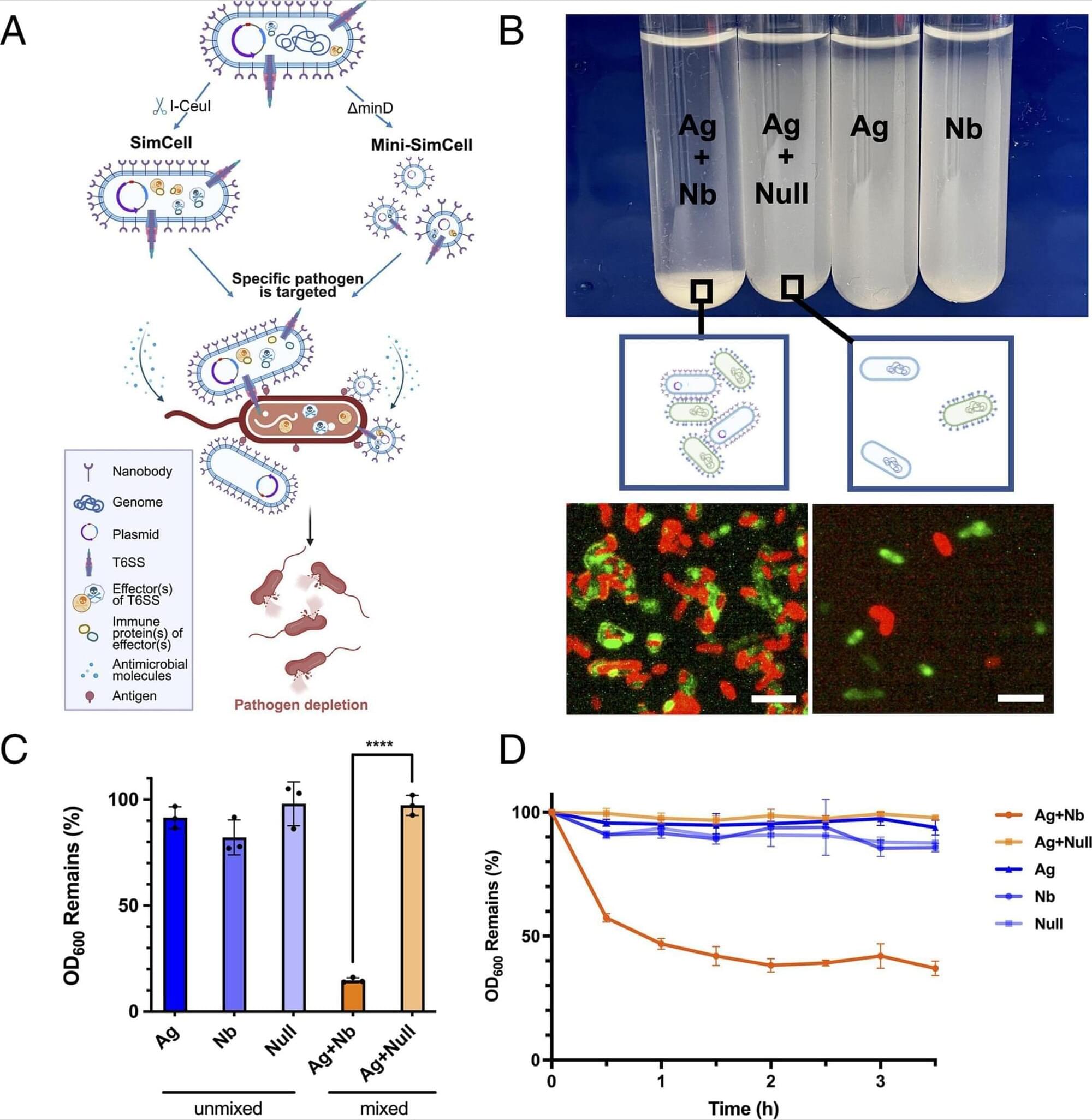
Reprogrammed SimCells for antimicrobial therapy

SimCells are a very exciting way of delivering toxins in a targeted fashion to antibiotic resistant bacteria. It reminds me of my past synthetic biology research in an adjacent area. Love this approach!


In addition to the T6SS system, close contact between attacker and prey cells also allows local delivery of high concentrations of antimicrobial compounds around the targeted cells. To exploit this, we introduced a constitutively expressed salicylate hydroxylase (NahG) into our system (SI Appendix, Fig. S8 A), which catalyzes the conversion of acetylsalicylic acid (aspirin) into catechol (70, 71) (Fig. 4 A). Catechol has a broad-spectrum antimicrobial activity (67 69) by generating hydrogen peroxide (H2O2) through auto-oxidation processes (SI Appendix, Fig. S7 A –C), during which catechol polymerizes to form cross-linked polymers without external catalysts (80 83) (Fig. 4 A). When 800 μM aspirin 84)] was added to the parental cell and SimCell cultures, the filtered supernatants from overnight NahG+ cultures exhibited a dark-brown color (SI Appendix, Fig. S8 B), which is associated with the oxidation products of catechol. The collected supernatants showed a significant inhibitory effect on bacterial cell growth (SI Appendix, Fig. S8 B and C). These results indicate the generation, permeability, and extracellular antimicrobial activity of SimCell-produced catechol and associated production of H2O2.

Open in Viewer.

How an Alzheimer’s Risk Gene Disrupts Brain Circuits Long Before Memory Loss

Researchers at the Gladstone Institute have uncovered the molecular mechanism by which APOE4 — the most significant genetic risk factor for Alzheimer’s disease, present in roughly a quarter of the population — begins damaging neural circuits well before any cognitive symptoms emerge. Studying young mice carrying the APOE4 variant, the team found that the gene triggers overproduction of the protein Nell2, which causes neurons to shrink and become hyperactive. Crucially, the degree of early neuronal hyperactivity predicted the severity of memory impairment later in life, even in animals that still showed normal learning and memory at the time of measurement. Strikingly, targeting Nell2 therapeutically was able to reverse these changes even in adult animals, demonstrating that the neurodegeneration is not irreversible and that a window for intervention may exist even after the disease process has begun. The team is currently continuing preclinical testing of this therapeutic strategy.


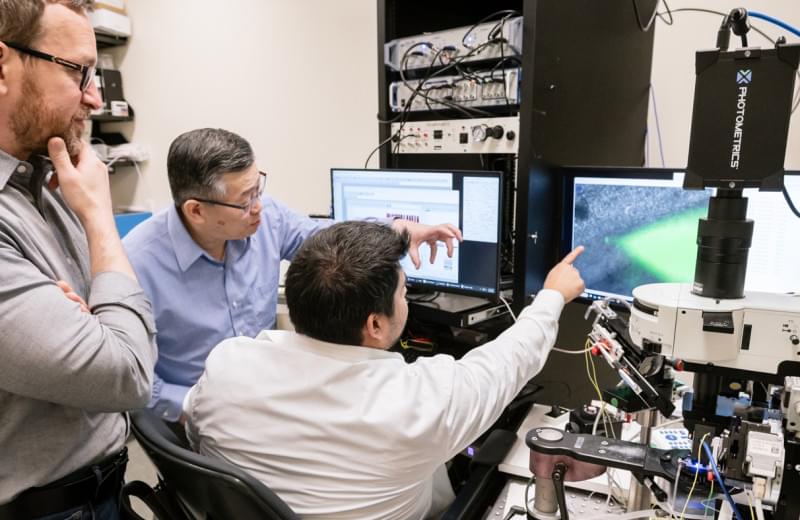
New findings on the APOE4 gene variant point to a potential therapeutic target for Alzheimer’s disease. From left to right, Gladstone scientists Misha Zilberter, Yadong Huang, and Dennis Tabuena examine findings from their research, which is published in the journal Nature Aging.

For the millions of people who carry the gene APOE4, the strongest known genetic risk factor for Alzheimer’s disease, their brain activity may begin changing long before any memory problems appear. Now, researchers at Gladstone Institutes have uncovered a precise chain of molecular events behind those early changes and identified a potential way to reverse them.

Published in the journal Nature Aging, their new study in mouse models reveals how APOE4 triggers increased production of the protein Nell2, which makes neurons shrink and become hyperactive. The more hyperactive the neurons were in early life, the more severe were the memory problems the mice developed later in life.


Giant Atoms for Measuring Radiation

The invention of the radio just over a century ago transformed people’s ability to communicate. Suddenly, people could send and receive light-speed messages from thousands of miles away — a capability that continues to transform the world.

Soon, quantum scientists could usher in the next big advance in radio communication: compact, highly sensitive receivers based on atoms.

Atoms are typically far too small to interact with radio waves. But one of quantum theory’s stranger predictions is the possibility of gargantuan atoms with diameters up to the width of a human hair.

How a century-long argument over light’s true nature came to an end

Two of the forefathers of quantum theory, Albert Einstein and Niels Bohr, had a famous argument over whether light is a wave or a particle. Columnist Karmela Padavic-Callaghan finds that the matter has been settled once and for all.

By Karmela Padavic-Callaghan

Frequency of AQP4 and MOG Antibodies in Patients With Optic Neuritis Fulfilling Minimal New Multiple Sclerosis MRI Criteria

How pancreatic cancer survives ferroptosis?

Pancreatic ductal adenocarcinoma (PDAC) tumors harboring KRAS mutations exhibit relative resistance to iron-dependent form of cell death, ferroptosis, compared with other tumor types but the mechanisms remain unclear.

The researchers reveal that hypoxia and pancreatic tumor interstitial fluid cooperate to suppress ferroptosis in pancreatic cancer through HIF-2 activity.

HIF-2 enables tumor survival by regulating glutathione metabolism through upregulating the expression of both components of the system Xc− cystine transporter and transsulfuration pathway enzymes CBS and CTH to increase intracellular cysteine levels.

HIF-2 also induces the Parkin mitophagy factor and suppresses mitochondrial function and reactive oxygen species (ROS) generation and thus survives metabolically hostile environments, defining a tissue-specific role in pancreatic ductal adenocarcinoma. sciencenewshighlights ScienceMission https://sciencemission.com/HIF-2-and-PDAC


Hubbi et al. reveal that hypoxia and pancreatic tumor interstitial fluid cooperate to suppress ferroptosis in pancreatic cancer through HIF-2 activity. By transcriptionally regulating glutathione metabolism and mitochondrial function, HIF-2 enables tumor survival in metabolically hostile environments, defining a tissue-specific role in pancreatic ductal adenocarcinoma.

The Data Center Boom Reshaping Williamson County, Texas

Williamson County is at the center of one of the most significant data center buildouts in the United States. What started as a handful of projects near Samsung’s Taylor semiconductor fabrication plant has become a full-scale infrastructure rush.

According to a March 2026 Propmodo analysis using Cushman & Wakefield data, the Austin–San Antonio data center corridor now has 7,823 megawatts of planned capacity compared to just 1,154 megawatts currently operating. More than 70 projects are being tracked between Temple and San Antonio, with Williamson County capturing a disproportionate share due to its power infrastructure, fiber connectivity, and available land. Of the 615 megawatts under construction in the corridor, 96 percent is already pre-leased, a remarkable indicator of demand.

A Texas A&M Real Estate Research Center analysis found that between 2023 and 2024, Central Texas experienced a drastic increase in data center construction, totaling 463.5 megawatts of potential demand under development. That report specifically cited marquee projects in Williamson County as having reshaped regional land markets. Texas overall has 408 data centers listed statewide, second most in the nation, with the Austin market at 46 and climbing fast.

/* */