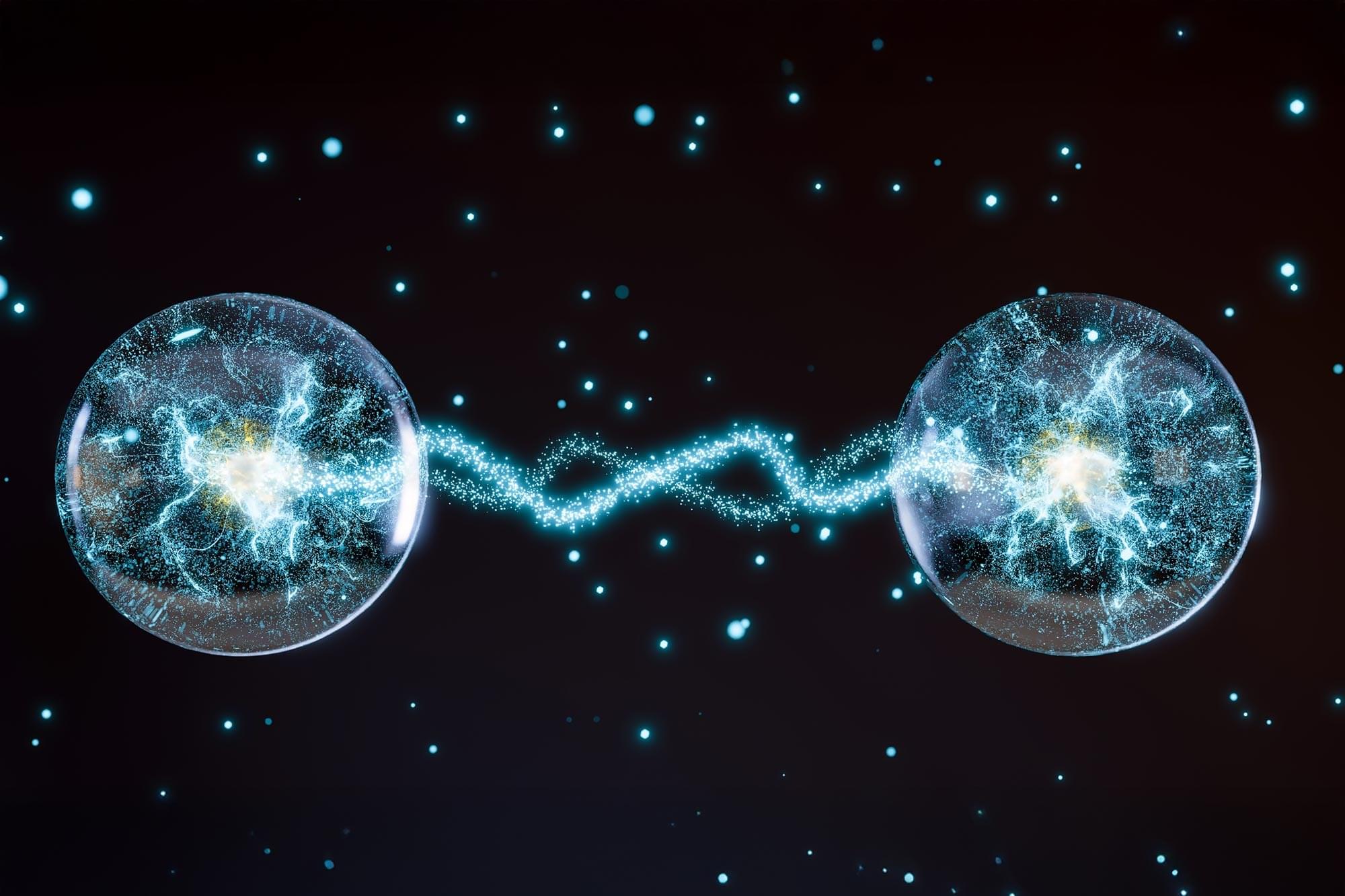
Superradiance is usually driven by light-mediated couplings, leaving the role of direct emitter interactions unclear. Now, it is shown that dipole–dipole interactions in diamond spins drive self-induced pulsed and continuous superradiant masing.
Metabolic control of antitumor Immunity in neuroblastoma👇
✅Distinct metabolic TMEs in MNA vs non-MNA tumors Neuroblastoma (NB) tumors display markedly different tumor microenvironments depending on MYCN amplification (MNA) status. MYCN acts as a key driver of metabolic remodeling, reshaping how nutrients and metabolites are distributed within the TME.
✅MYCN-amplified NB: immunosuppressive metabolism In MNA neuroblastoma, tumor cells aggressively consume shared metabolites such as glucose, glutamine, methionine, cysteine, and lipids. This metabolic competition deprives infiltrating T cells of essential nutrients, promoting T cell exhaustion and dysfunction. In parallel, MNA tumor cells release antagonistic metabolites, including lactate, adenosine, and cholesterol, which further suppress TCR signaling, proliferation, and effector functions.
✅T cell exhaustion and impaired tumor killing Within the MNA TME, T cells exhibit exhausted phenotypes characterized by impaired proliferation, altered STAT5 signaling, and reduced cytotoxic activity. This metabolic and signaling imbalance leads to ineffective immune-mediated tumor killing.
✅Non-MNA NB: permissive immune landscape In contrast, non-MNA neuroblastomas do not impose the same metabolic constraints. Nutrient availability is better preserved, allowing cytotoxic T cells to infiltrate tumors, maintain effector functions, and induce effective tumor cell death.
✅Biological and therapeutic implications These findings highlight metabolism as a central regulator of antitumor immunity in neuroblastoma. Targeting MYCN-driven metabolic pathways may help restore T cell function and improve the efficacy of immunotherapies, particularly in MYCN-amplified disease.
Deprivation amblyopia can be reversed by the temporary inactivation of one eye after the critical period. Here, Echevarri-Leet et al. show that this is caused by increased burst firing in the neurons that relay information from the retina to the visual cortex. Even inactivation of the amblyopic eye can drive recovery.
Enjoy the videos and music you love, upload original content, and share it all with friends, family, and the world on YouTube.
Five sci-fi technologies becoming real today, from BCIs to space elevators.
Get Nebula using my link for 50% off an annual subscription: https://go.nebula.tv/isaacarthur.
Check out Joe Scott’s Oldest & Newest: https://nebula.tv/videos/joescott-oldest-and-newest-places-o…saacarthur.
Watch my exclusive video Chronoengineering: https://nebula.tv/videos/isaacarthur-chronoengineering-manip…technology.
Grab one of our new SFIA mugs and make your morning coffee a little more futuristic — available now on our Fourthwall store! https://isaac-arthur-shop.fourthwall.com/
Visit our Website: http://www.isaacarthur.net.
Join Nebula: https://go.nebula.tv/isaacarthur.
Support us on Patreon: https://www.patreon.com/IsaacArthur.
Support us on Subscribestar: https://www.subscribestar.com/isaac-arthur.
Facebook Group: https://www.facebook.com/groups/1583992725237264/
Reddit: https://www.reddit.com/r/IsaacArthur/
Twitter: https://twitter.com/Isaac_A_Arthur on Twitter and RT our future content.
SFIA Discord Server: https://discord.gg/53GAShE
Credits:
5 Sci-Fi Fantasies That Could Soon Become Reality.
Written, Produced & Narrated by: Isaac Arthur.
Editor: Donagh Broderick.
Select imagery/video supplied by Getty Images.
Chapters.
0:00 Intro.
1:52 Brain-Computer Interfaces (BCI)
6:26 Dream Recording & Memory Replay.
8:48 Artificial Wombs & Designer Babies.
16:13 Bio.
18:56 Space Elevators.
21:12 Weather Control.
21:30 Graphene.
22:15 De-Extinciton.
21:40 Superconductors & Fusion.
27:23 Oldest & Newest.
28:26 Preserving & Rebuilding the Human Body.
TRENDS Research & Advisory strives to present an insightful and informed view of global issues and challenges from a strategic perspective. Established in 2014 as an independent research center, TRENDS conducts specialized studies in the fields of international relations and political, economic and social sciences.
In the 21st century, new powerful technologies, such as different artificial intelligence (AI) agents, have become omnipresent and the center of public debate. With the increasing fear of AI agents replacing humans, there are discussions about whether individuals should strive to enhance themselves. For instance, the philosophical movement Transhumanism proposes the broad enhancement of human characteristics such as cognitive abilities, personality, and moral values (e.g., Grassie and Hansell 2011; Ranisch and Sorgner 2014). This enhancement should help humans to overcome their natural limitations and to keep up with powerful technologies that are increasingly present in today’s world (see Ranisch and Sorgner 2014). In the present article, we focus on one of the most frequently discussed forms of enhancement—the enhancement of human cognitive abilities.
Not only in science but also among the general population, cognitive enhancement, such as increasing one’s intelligence or working memory capacity, has been a frequently debated topic for many years (see Pauen 2019). Thus, a lot of psychological and neuroscientific research investigated different methods to increase cognitive abilities, but—so far—effective methods for cognitive enhancement are lacking (Jaušovec and Pahor 2017). Nevertheless, multiple different (and partly new) technologies that promise an enhancement of cognition are available to the general public. Transhumanists especially promote the application of brain stimulation techniques, smart drugs, or gene editing for cognitive enhancement (e.g., Bostrom and Sandberg 2009). Importantly, only little is known about the characteristics of individuals who would use such enhancement methods to improve their cognition. Thus, in the present study, we investigated different predictors of the acceptance of multiple widely-discussed enhancement methods. More specifically, we tested whether individuals’ psychometrically measured intelligence, self-estimated intelligence, implicit theories about intelligence, personality (Big Five and Dark Triad traits), and specific interests (science-fiction hobbyism) as well as values (purity norms) predict their acceptance of cognitive enhancement (i.e., whether they would use such methods to enhance their cognition).
Within tumors in the human body, there are immune cells (macrophages) capable of fighting cancer, but they have been unable to perform their roles properly due to suppression by the tumor. A KAIST research team led by Professor Ji-Ho Park of the Department of Bio and Brain Engineering have overcome this limitation by developing a new therapeutic approach that directly converts immune cells inside tumors into anticancer cell therapies.
In their approach, when a drug is injected directly into a tumor, macrophages already present in the body absorb it, produce CAR (a cancer-recognizing device) proteins on their own, and are converted into anticancer immune cells known as “CAR-macrophages.” The paper is published in the journal ACS Nano.
Solid tumors —such as gastric, lung, and liver cancers—grow as dense masses, making it difficult for immune cells to infiltrate tumors or maintain their function. As a result, the effectiveness of existing immune cell therapies has been limited.