Toggle light / dark theme

Get the latest international news and world events from around the world.

Log in for authorized contributors

Why lungs age unevenly: Vulnerable cells may guide new therapies

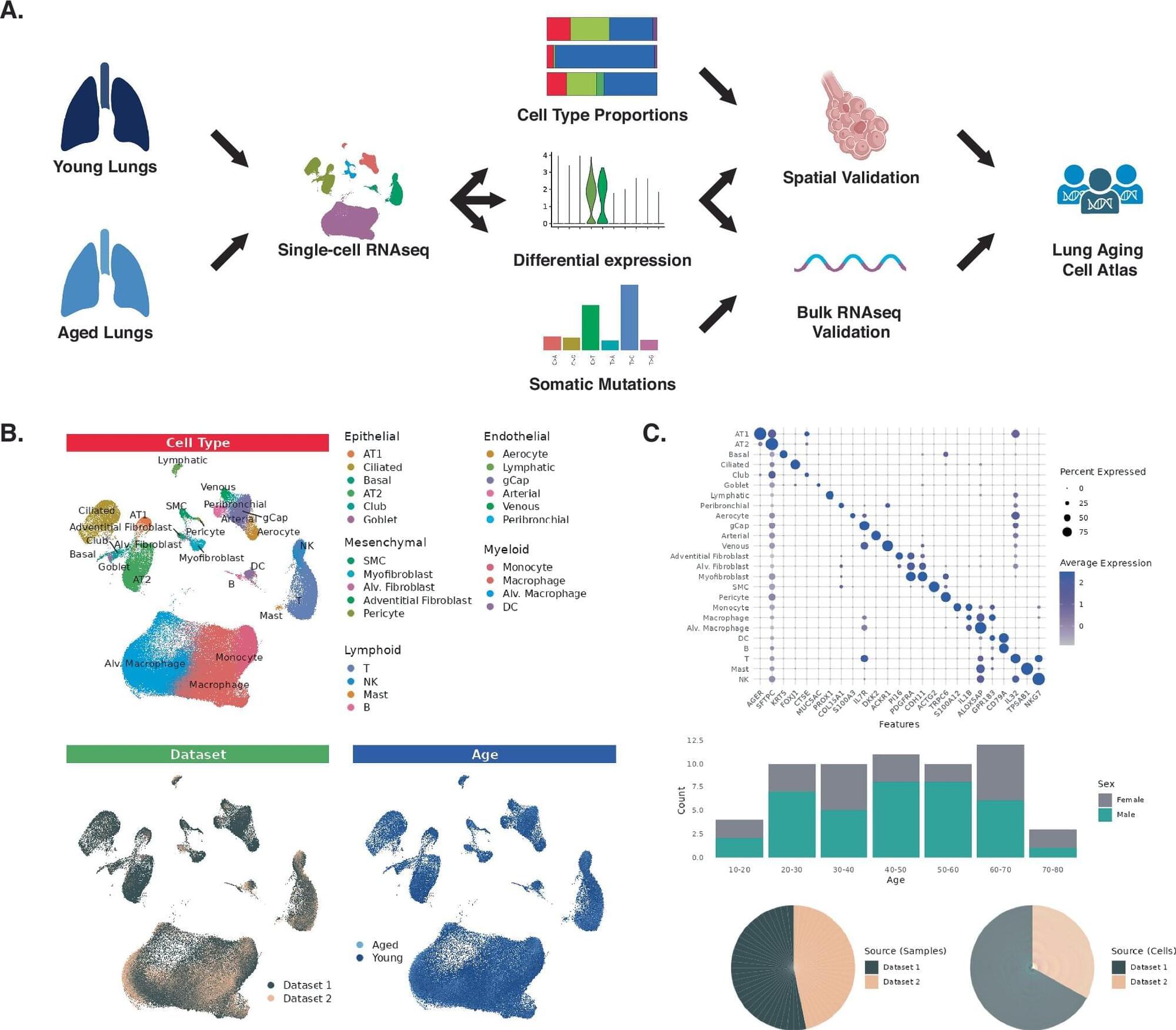
Aging is associated with increased risk for nearly every lung disease, including acute conditions like pneumonia and chronic diseases like chronic obstructive pulmonary disease, idiopathic pulmonary fibrosis, and lung cancer. Now, one of the most comprehensive analyses of human lung aging has found that not all cells age equally.

The study, published in Nature Communications, has found that certain types of lung cells are especially vulnerable to aging. The findings could inform treatments that target the defective cells, say the researchers.

“This data allows us to start thinking about lung aging not as a passive state that we have to accept, but as something that we may be able to modify with therapies and interventions,” says senior author Naftali Kaminski, MD, Boehringer Ingelheim Pharmaceuticals, Inc. Professor of Medicine (Pulmonary) at Yale School of Medicine and chief of pulmonary, critical care and sleep medicine at Yale.
Why simulating an entire cell cycle took years, multiple GPUs and six days per run

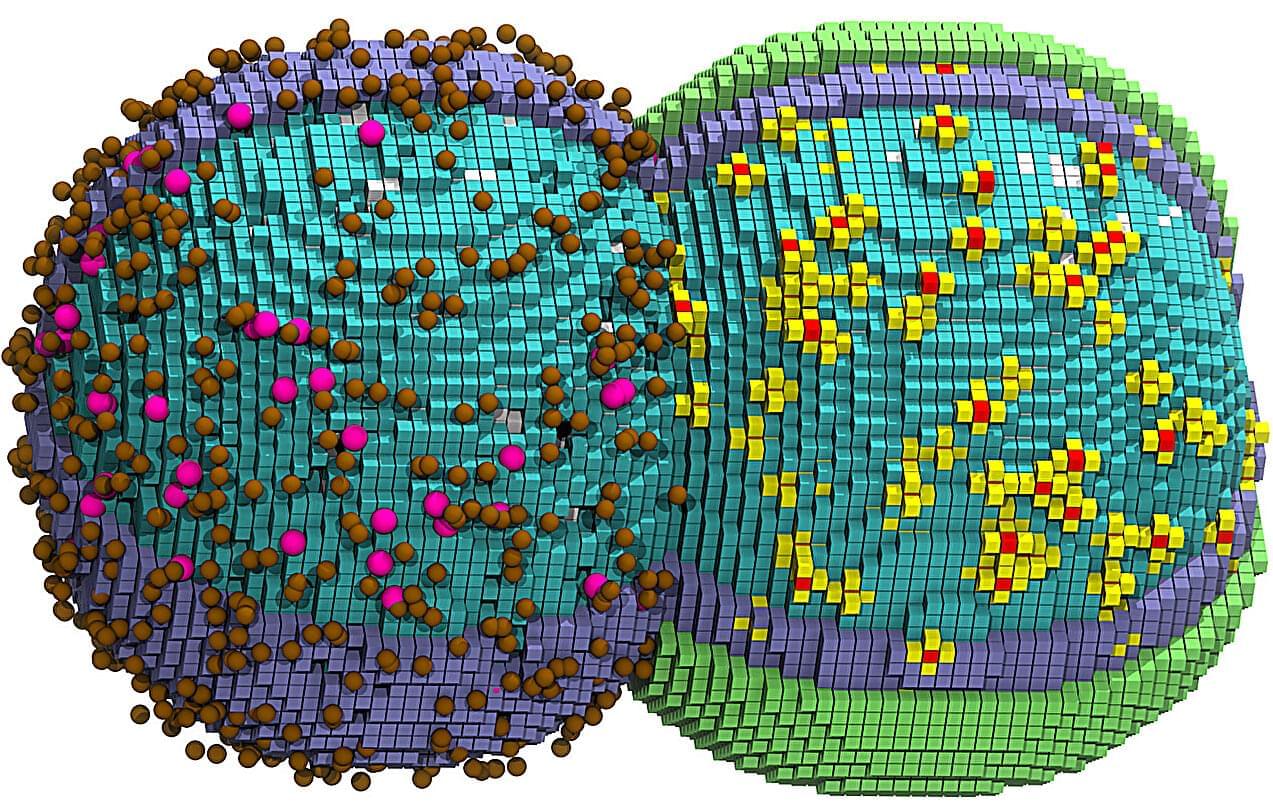
By simulating the life cycle of a minimal bacterial cell—from DNA replication to protein translation to metabolism and cell division—scientists have opened a new frontier of computer vision into the essential processes of life. The researchers, led by chemistry professor Zan Luthey-Schulten at the University of Illinois Urbana-Champaign, present their findings in the journal Cell.

The team simulated a living cell at nanoscale resolution and recapitulated how every molecule within that cell behaved over the course of a full cell cycle. The work took many years: vast computer resources, large experimental datasets, a suite of experimental and computational techniques and an understanding of the roles, behaviors and physical interactions of thousands of molecular players.

The researchers had to account for every gene, protein, RNA molecule and chemical reaction occurring within the cell to recreate the timing of cellular events. For example, their model had to accurately reflect the processes that allow the cell to double in size prior to cell division.

Strontium optical clock accurate to within 1 second over 30 billion years

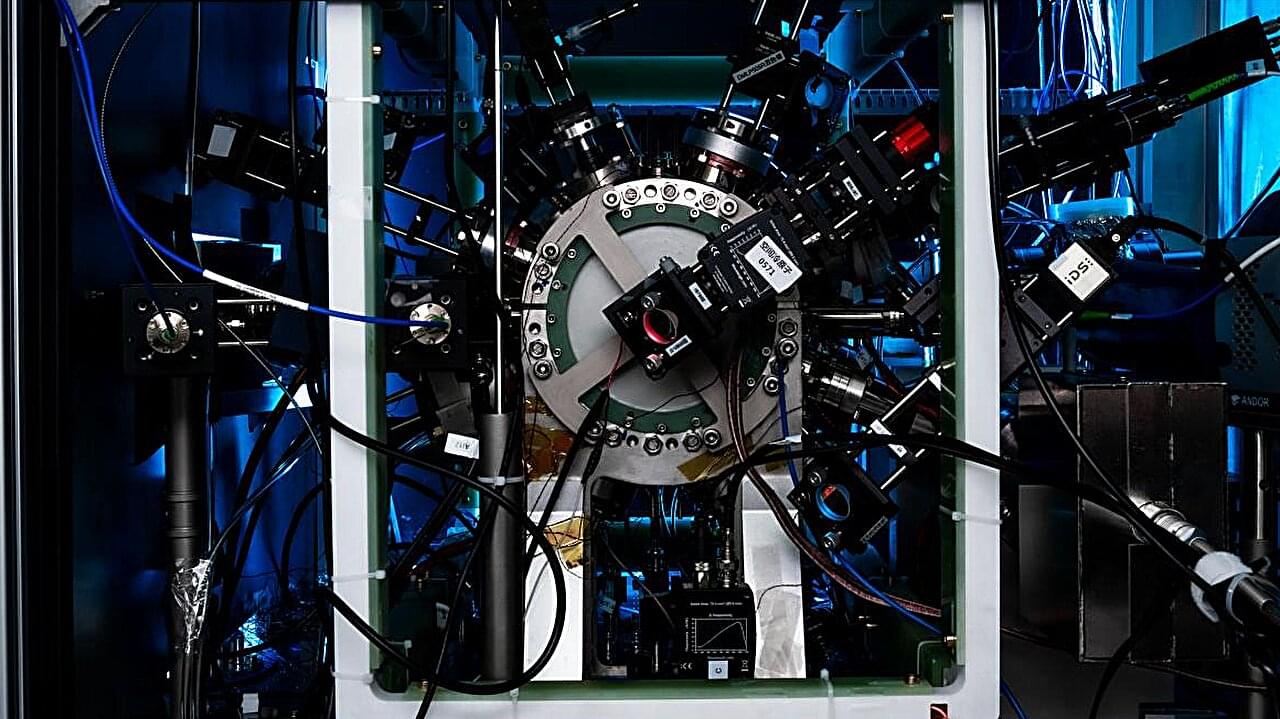
Researchers from the University of Science and Technology of China have achieved a major breakthrough in optical clock technology, developing a strontium optical lattice clock with stability and uncertainty both surpassing the 10⁻¹⁹ level, meaning the clock would lose or gain less than one second over roughly 30 billion years.

The findings are published in the journal Metrologia.

Optical clocks are considered the most precise timekeeping devices currently available. They measure time by using the frequency of light emitted when electrons transition between energy levels in atoms.

Stem Cell Treatments For Parkinson’s And Heart Failure Approved in World First

Japan has approved ground-breaking stem-cell treatments for Parkinson’s and severe heart failure, one of the manufacturers and media reports said Friday, with the therapies expected to reach patients within months.

Pharmaceutical company Sumitomo Pharma said it received the green light for the manufacture and sale of Amchepry, its Parkinson’s disease treatment that transplants stem cells into a patient’s brain.

Japan’s health ministry also gave the go-ahead to ReHeart, heart muscle sheets developed by medical startup Cuorips that can help form new blood vessels and restore heart function, media reports said.

Nonlinear photonic neuromorphic chips for spiking reinforcement learning

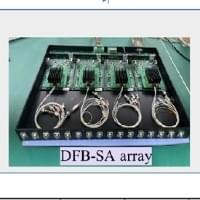
Photonic computing chips have made significant progress in accelerating linear computations, but nonlinear computations are usually implemented in the digital domain, which introduces additional system latency and power consumption, and hinders the implementation of fully functional photonic neural network chips. Here, we propose and fabricate a 16-channel programmable incoherent photonic neuromorphic computing chip by co-designing a simplified Mach–Zehnder interferometer (MZI) mesh and distributed feedback lasers with saturable absorber (DFBs-SA) array using different materials, enabling implementation of both linear and nonlinear spike computations in the optical domain through two separate chips. Furthermore, previous studies mainly focused on supervised learning and simple image classification tasks. Here, we propose a photonic spiking reinforcement learning (RL) architecture for the first, to our knowledge, time, and develop a software–hardware collaborative training-inference framework (in situ photonic training and hardware-aware fine-tuning) to address the challenge of training spiking RL models. We achieve large-scale, energy-efficient (photonic linear computation: 1.39 TOPS/W, photonic nonlinear computation: 987.65 GOPS/W), and low-latency (on-chip 320 ps) deployment of an entire layer of photonic spiking RL. Two RL benchmarks including the discrete CartPole task and the continuous Pendulum task are demonstrated experimentally based on the spiking proximal policy optimization (PPO) algorithm. The hardware–software collaborative computing reward value converges to 200 (−250) for the CartPole (Pendulum) tasks, respectively, comparable to that of a traditional PPO algorithm. This experimental demonstration addresses the challenge of the absence of large-scale on-chip photonic nonlinear spike computation and spiking RL training difficulty, and presents a high-speed and low-latency photonic spiking RL solution with promising application prospects in fields such as robot control, autonomous driving, and embodied intelligence.

Cancer drug reduces early Alzheimer’s-like brain hyperconnectivity in lab tests

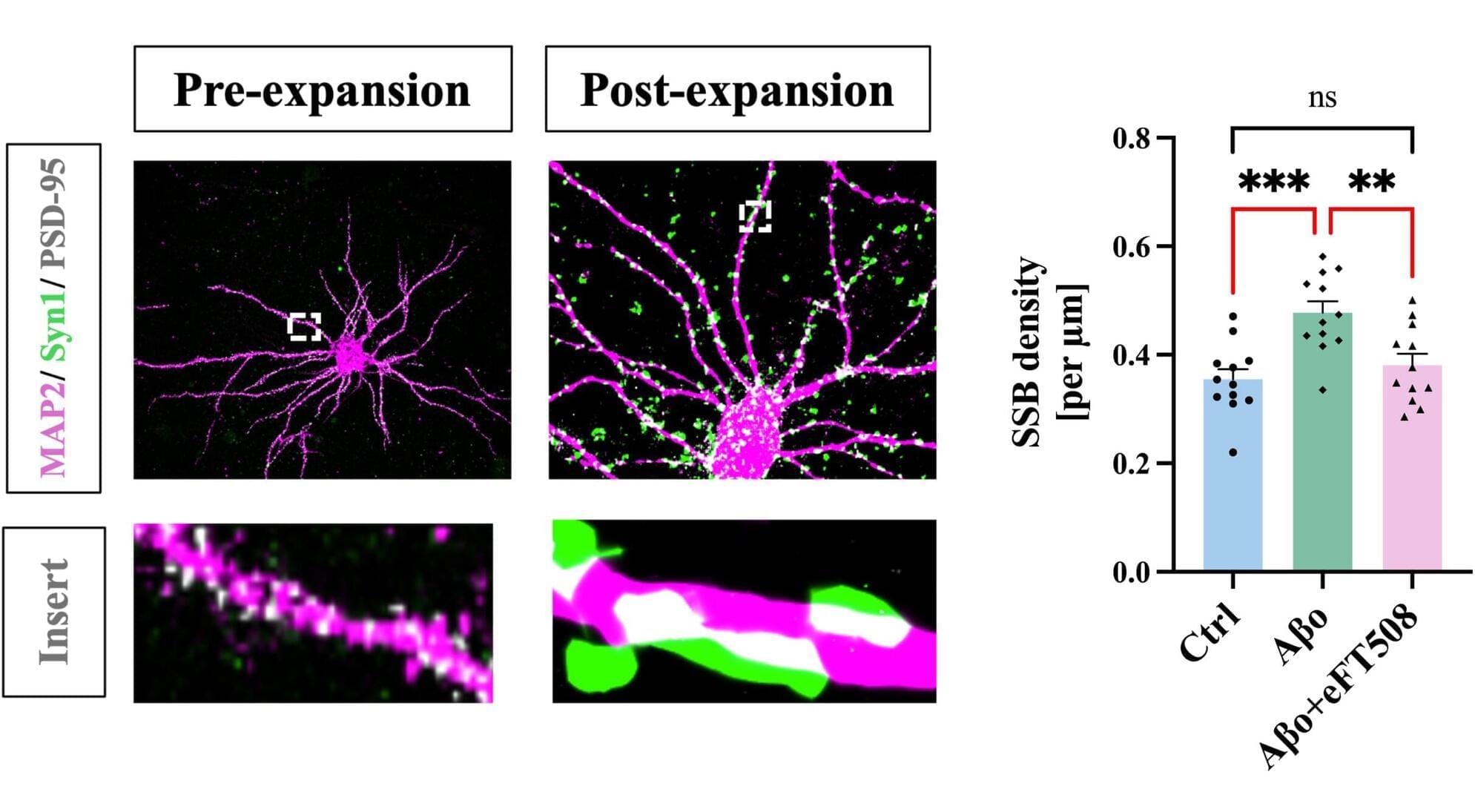
Neuroscientists at King’s College London have pinpointed a mechanism behind the increased neural connectivity observed in the very early stages of Alzheimer’s disease. Published in Translational Psychiatry, the study also demonstrated that a cancer medication has the potential to reduce this hyperconnectivity.

The research showed that low levels of the protein amyloid-beta could induce hyperconnectivity and this pattern closely resembled changes seen in the brains of people with mild cognitive impairment (MCI). Amyloid-beta is thought to be instrumental in Alzheimer’s disease, where it creates plaques—or sticky clumps of amyloid-beta proteins—around the neurons.

These new findings suggest that low levels of amyloid-beta alone are enough to trigger early, disease-relevant changes in how brain cells connect.

/* */