Unlike treatments that focus on removing plaques that have already formed, levetiracetam works differently. It blocks the production of toxic amyloid beta peptides in the first place.
Get the latest international news and world events from around the world.
Expanded Seq-Scope method boosts gene-mapping resolution within tissues
In 2021, a technology developed at University of Michigan, called Seq-Scope, revolutionized the ability to map gene activity within intact tissue at microscopic resolution, enabling researchers to measure all expressed mRNA molecules and determine precisely where they are located within the tissue, using an Illumina sequencer machine.
The team behind the Seq-Scope method, led by Jun Hee Lee, Ph.D., has recently taken the technology even further.
Their findings are described in Nature Communications.
Gut bacteria can sense their environment and it’s key to your health
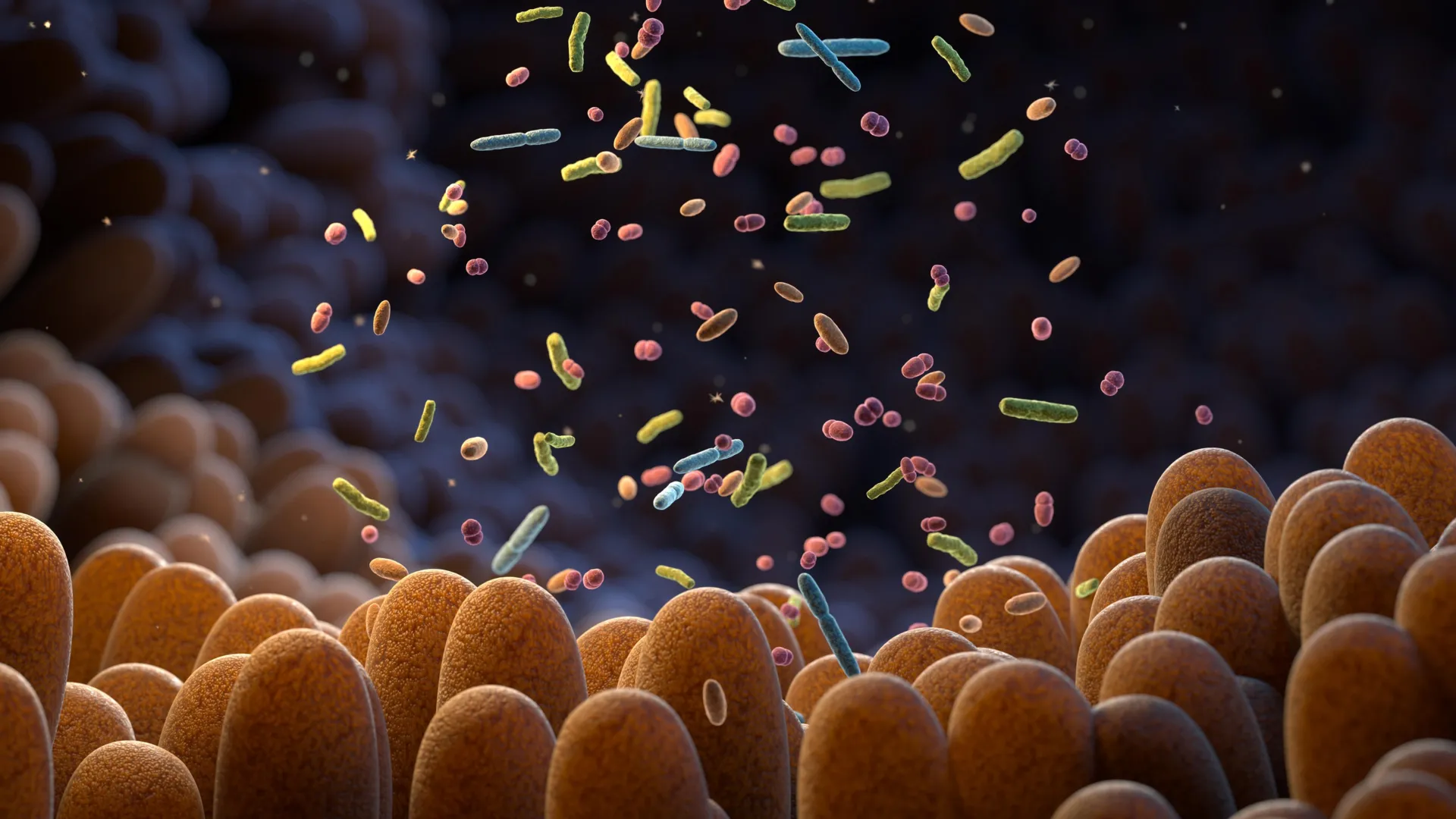
Your gut bacteria are chemical detectives—sniffing out nutrients and even feeding each other to keep your microbiome thriving. Your gut is home to trillions of bacteria that constantly “sense” their surroundings to survive and thrive. New research shows that beneficial gut microbes, especially common Clostridia bacteria, can detect a surprisingly wide range of chemical signals produced during digestion, including byproducts of fats, proteins, sugars, and even DNA. These microbes use specialized sensors to move toward valuable nutrients, with lactate and formate standing out as especially important fuel sources.
The gut microbiome, also called the gut flora, plays a vital role in human health. This enormous and constantly changing community of microorganisms is shaped by countless chemical exchanges, both among the microbes themselves and between microbes and the human body. For these interactions to work, gut bacteria must be able to detect nutrients and chemical signals around them. Despite their importance, scientists still know relatively little about the full range of signals that bacterial receptors can recognize.
A key question remains. Which chemical signals matter most to beneficial gut bacteria?
These biological computers actually use neurons
In this video we look into one of the developing areas of computing: wetware. Most specifically neuromorphic computing, a science which uses actual neurons on chips.
We talk to Cortical labs, the company that developed the pong-playing dish brain, and professor Thomas Hartung to understand what the benefits of this technology are.
🚀 Discover deep-dive engineering stories and breakthrough technologies on Interesting Engineering:
/ @interestingengineeringie.
🪖 Explore military innovation and defense technology on Military Mechanics:
/ @militarymechanicsie.
🔔 Subscribe to IE Brief for daily updates on the discoveries, technologies, and global developments shaping our world:
/ @ienews-brief.
🔬 Complex tech, simply explained. Discover how the world works with IE Explains: / @ie-explains
How Intelligent People Deal with Stupid People — Schopenhauer
(https://www.youtube.com/watch?v=WoetPdW1-xI)
How to Protect Yourself from ‘Idiots’ — Arthur Schopenhauer ## Intelligent people should protect their emotional energy and well-being by being cautious and strategic in their interactions with others, particularly those who are unreasonable, toxic, or manipulative.
## Questions to inspire discussion.
Recognizing Bad-Faith Arguments.
🚩 Q: What are the four red flags that signal someone is arguing in bad faith?
A: Watch for personal attacks on character instead of addressing your actual point, extending and distorting your argument to an absurd extreme, treating epistemic humility as weakness, and unresolved conflicts that shift without resolution—these patterns indicate the goal is asserting dominance, not understanding.
Disengaging from Unproductive Conversations.
Group B Streptococcal Disease
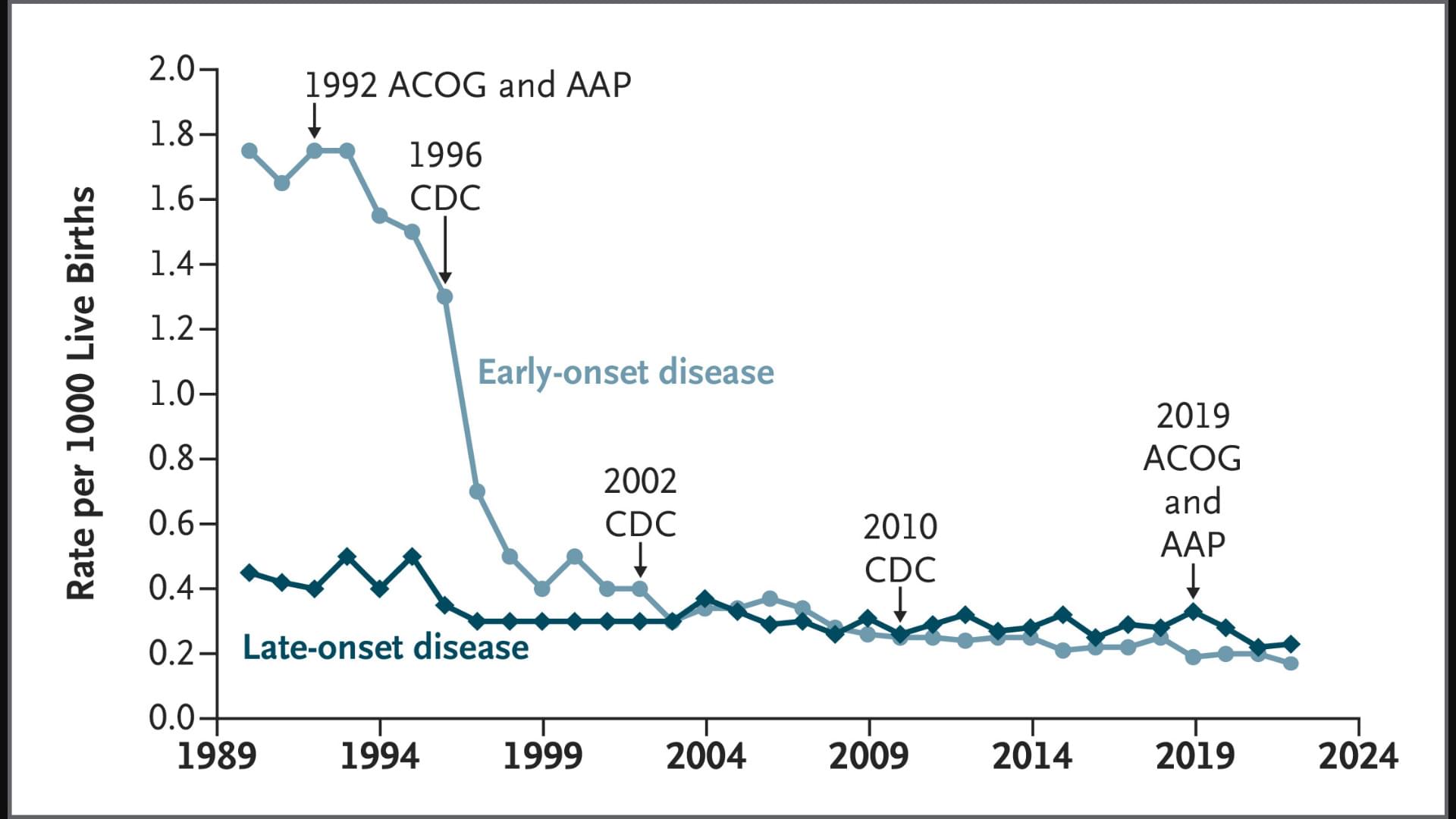
Group B streptococcus commonly colonizes the human gastrointestinal and genitourinary tracts and is the single most common bacterial cause of invasive infection among newborns in the United States. Intrapartum antibiotic prophylaxis is currently used to reduce the risk of group B streptococcal disease among pregnant persons and newborns. No strategies are currently available to prevent disease in later infancy or among nonpregnant adults. Vaccines against group B streptococcal disease that consist of capsular polysaccharides linked to protein antigens are in development and may provide a means of prevention for all at-risk populations.


Astronomers shocked by how these giant exoplanets formed
JWST just found evidence that some “super-Jupiters” may have formed like planets, not failed stars. A distant star system with four super-sized gas giants has revealed a surprise. Thanks to JWST’s powerful vision, astronomers detected sulfur in their atmospheres — a chemical clue that they formed like Jupiter, by slowly building solid cores. That’s unexpected because these planets are far bigger and orbit much farther from their star than models once allowed.
Gas giants are enormous planets made primarily of hydrogen and helium. They may contain dense central cores, but unlike Earth, they do not have solid surfaces you could stand on. In our solar system, Jupiter and Saturn are classic examples. Beyond our neighborhood, astronomers have identified many gas giant exoplanets, some far larger than Jupiter. The most massive of these worlds begin to resemble brown dwarfs, substellar objects sometimes called “failed stars” because they do not fuse hydrogen.
This overlap raises a major question in astronomy. How exactly do these massive planets form? One possibility is core accretion, the same process believed to have created Jupiter and Saturn. In this scenario, a solid core slowly builds up inside a disk of dust and ice, gathering rocky and icy material until it becomes massive enough to pull in surrounding gas. Another possibility is gravitational instability, where a swirling cloud of gas around a young star collapses quickly under its own gravity, forming a large object more like a brown dwarf.

Semaglutide May Reverse Damage Caused by Osteoarthritis, Study Suggests
Medical researchers have discovered that semaglutide may reverse the debilitating tissue damage caused by osteoarthritis, the world’s most common form of arthritis.
The drug behind Ozempic and Wegovy is best known for treating type 2 diabetes and helping people lose weight. But the new study found semaglutide appears to protect joints in mice through a mechanism that’s not about easing pressure through weight loss.
Instead, the drug reprograms the metabolism of cells that synthesize and maintain healthy cartilage, allowing them to generate more energy.

Dorsal Amygdala Neurotrophin-3 Decreases Anxious Temperament in Primates
An early-life anxious temperament (AT) is a risk factor for the development of anxiety, depression, and comorbid substance abuse. We validated a nonhuman primate model of early-life AT and identified the dorsal amygdala as a core component of AT’s neural circuit. Here, we combine RNA sequencing, viral-vector gene manipulation, functional brain imaging, and behavioral phenotyping to uncover AT’s molecular substrates.