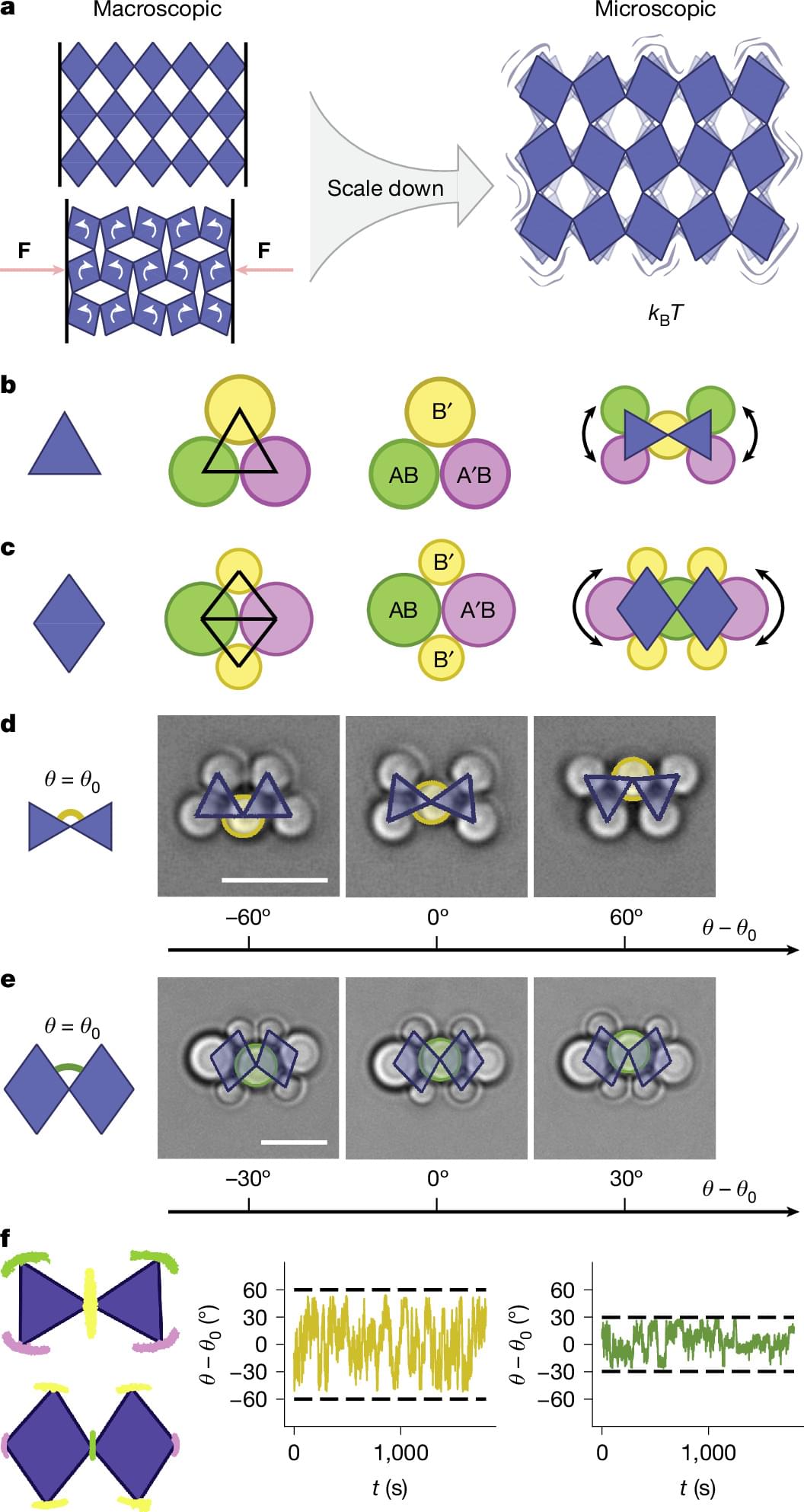
By organizing these pivots into geometric patterns—specifically triangles (Kagome) and diamonds—the team created “Brownian metamaterials.” These aren’t just static objects; they are structures with targeted deformation modes.

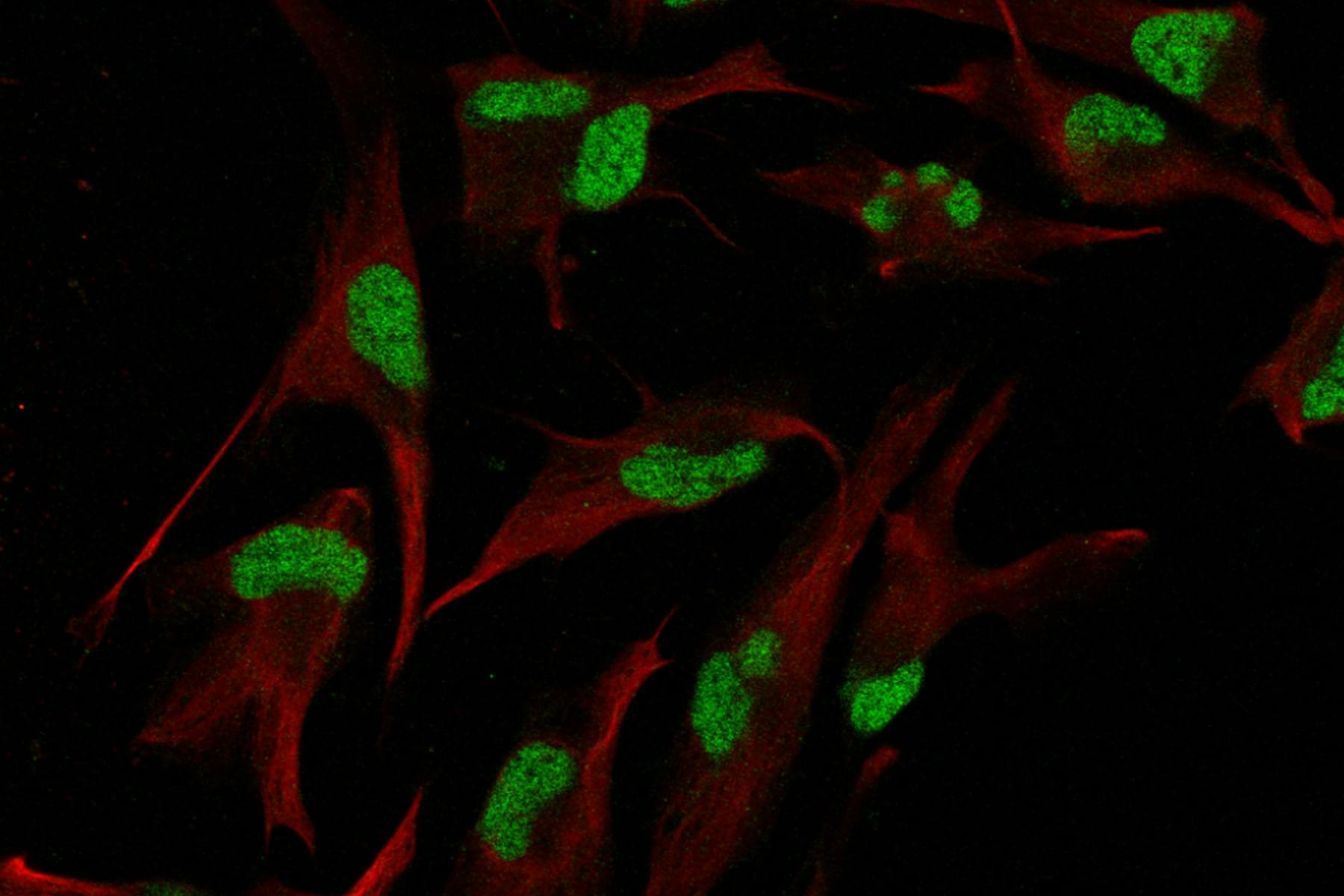
Samantha K. Dziurdzik, Vaishnavi Sridhar, Elizabeth Conibear et al. (University of British Columbia) identify a conserved adaptor that recruits BLTP2-like proteins to ER–plasma membrane contacts by binding helical projections on their lipid transfer channel to maintain lipid homeostasis.
MembraneContactSites.
This website uses a security service to protect against malicious bots. This page is displayed while the website verifies you are not a bot.
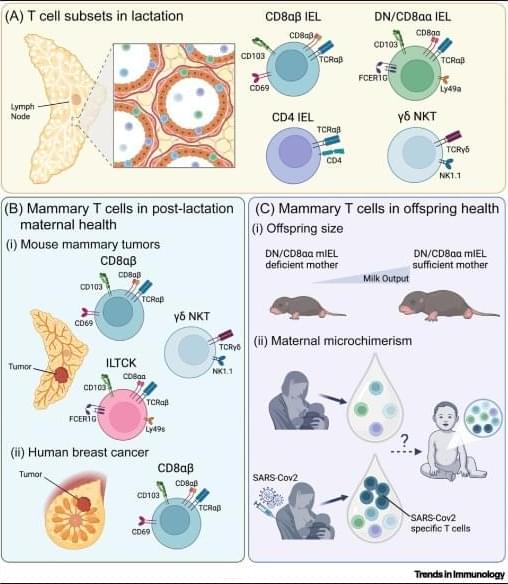
Lactation supports babies’ immune health and reduces the risk of breast cancer for the mother.
TrendsInImmunology.
Lactation is increasingly recognized as an immune-regulated process. Immune cells shape mammary gland development, coordinate tissue remodeling, and aid in milk production with lasting consequences for maternal health. Here, we summarize recent advances on the roles and dynamics of T cells in the mammary gland during lactation and beyond.

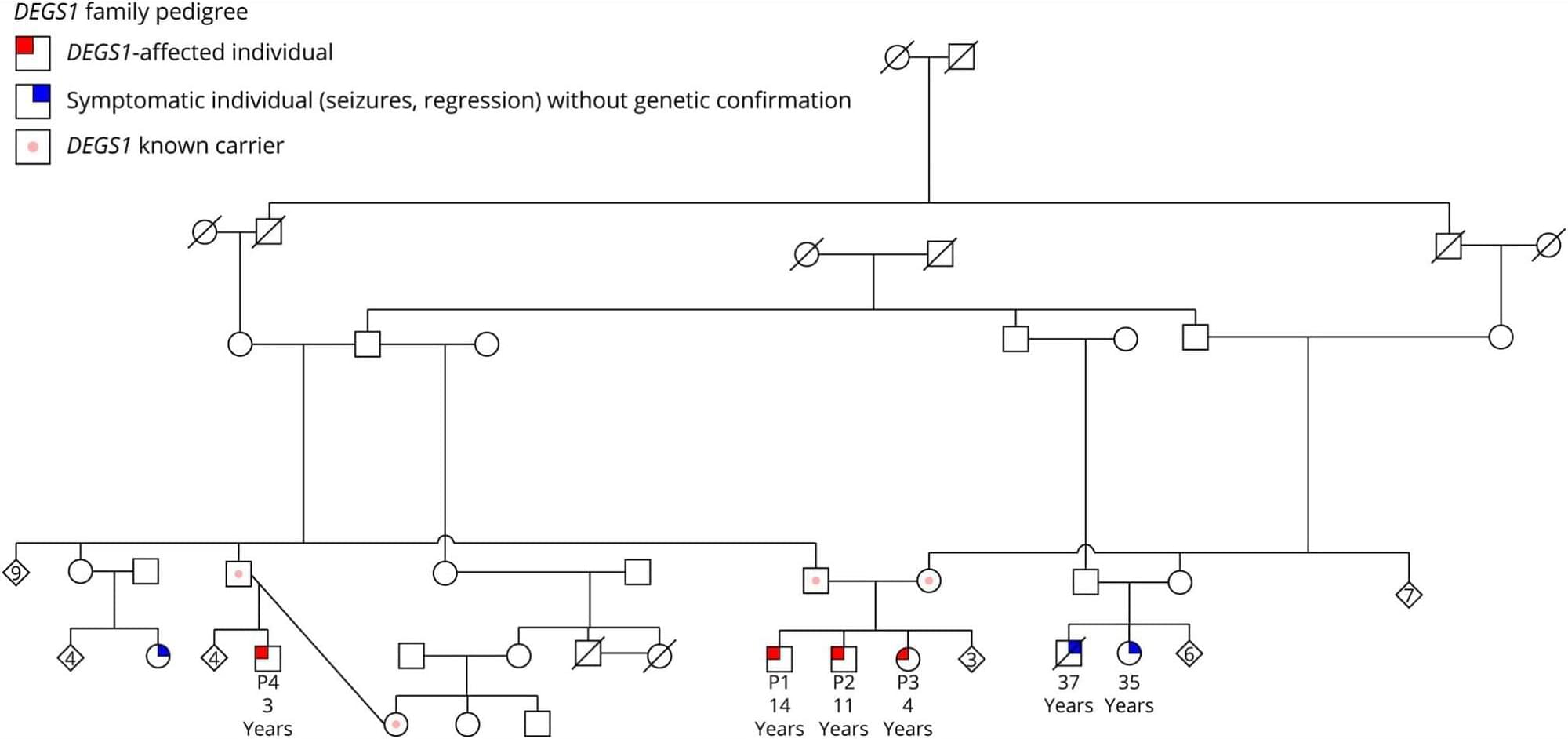
Degs1-related hypomyelinating leukodystrophy: four individuals from same family and review of literature.
ObjectivesDEGS1-related leukodystrophy has been described in 33 individuals to date with varying degrees of neurologic symptoms and atrophy/hypomyelination on MRI brain. We describe a family of 4 individuals with DEGS1-related leukodystrophy with phenotypic heterogeneity both within the family and in previously reported individuals.
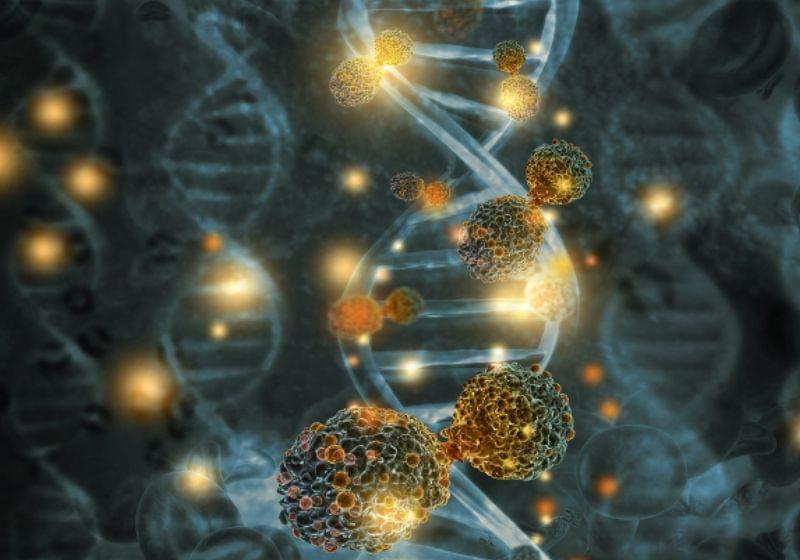
New research reveals that LINE-1 retrotransposons don’t just nudge genes, they also trigger massive structural upheavals early in cancer development.
Read about the findings.
Where there’s a bountiful host, there are parasites ready to take advantage of the resources. This holds true even at microscopic levels. Lying within human DNA are repetitive elements called LINE-1 (L1) retrotransposons that promote their own propagation at the cost of the host organism’s health.1 These genetic parasites create copies of themselves that then get inserted at new locations within the genome. Until recently, scientists thought that the activity of L1s mostly resulted in local alterations to genes.
Now, in a new study published in Science, researchers have demonstrated that L1s can trigger dramatic structural changes in DNA, resulting in cancer-causing mutations.2 These findings, which shed light on the intricate relationship between cancer evolution and the genome, could lead to improved diagnostic and therapeutic strategies for different cancers.
“Cancer genomes are more influenced by these jumping fragments of DNA parasites than we previously thought,” said José Tubio, a molecular biologist at the University of Santiago de Compostela, in a statement.

Indrajyoti Indra, Sergey M. Troyanovsky et al. (Northwestern University Feinberg School of Medicine) show that two δ-catenins, p120 and plakophilin-4, promote distinct cadherin clustering modes, α-catenin–dependent and α-catenin–independent, respectfully, thereby generating different types of adherens junctions.
This website uses a security service to protect against malicious bots. This page is displayed while the website verifies you are not a bot.
Three centuries after Newton described the universe through fixed laws and deterministic equations, science may be entering an entirely new phase.
According to biochemist and complex systems theorist Stuart Kauffman and computer scientist Andrea Roli, the biosphere is not a predictable, clockwork system. Instead, it is a self-organising, ever-evolving web of life that cannot be fully captured by mathematical models.
Organisms reshape their environments in ways that are fundamentally unpredictable. These processes, Kauffman and Roli argue, take place in what they call a “Domain of No Laws.”
This challenges the very foundation of scientific thought. Reality, they suggest, may not be governed by universal laws at all—and it is biology, not physics, that could hold the answers.
Tap here to read more.