Toggle light / dark theme

Get the latest international news and world events from around the world.

Log in for authorized contributors

GlassWorm malware hits 400+ code repos on GitHub, npm, VSCode, OpenVSX

The GlassWorm supply-chain campaign has returned with a new, coordinated attack that targeted hundreds of packages, repositories, and extensions on GitHub, npm, and VSCode/OpenVSX extensions.

Researchers at Aikido, Socket, Step Security, and the OpenSourceMalware community have collectively identified 433 compromised components this month in attacks attributed to GlassWorm.

Evidence of a single threat actor running the GlassWorm campaigns across multiple open-source repositories is provided by the use of the same Solana blockchain address used for command-and-control (C2) activity, identical or functionally similar payloads, and shared infrastructure.

Scientists used 7,000 GPUs to simulate a tiny quantum chip in extreme detail

Researchers have pushed quantum chip design into a new era by simulating every physical detail before fabrication. Using a supercomputer with nearly 7,000 GPUs, they modeled how signals travel and interact inside an ultra-tiny chip. Unlike earlier “black box” approaches, this method captures real materials, layouts, and qubit behavior. The result is a powerful new way to spot problems early and build better quantum hardware faster.

Dick Van Dyke Credits His Longevity to One Habit, And Science Supports It

Dick Van Dyke, the legendary American actor and comedian who starred in classics such as Mary Poppins and Chitty Chitty Bang Bang, turned 100 on December 13. The beloved actor credits his remarkable longevity to his positive outlook and never getting angry.

While longevity of course comes down to many factors – including genetics and lifestyle – there is some truth to Van Dyke’s claims.

Numerous studies have shown that keeping stress levels low and maintaining a positive, optimistic outlook are correlated with longevity.

CERN Discovers New Particle After Upgrading Large Hadron Collider

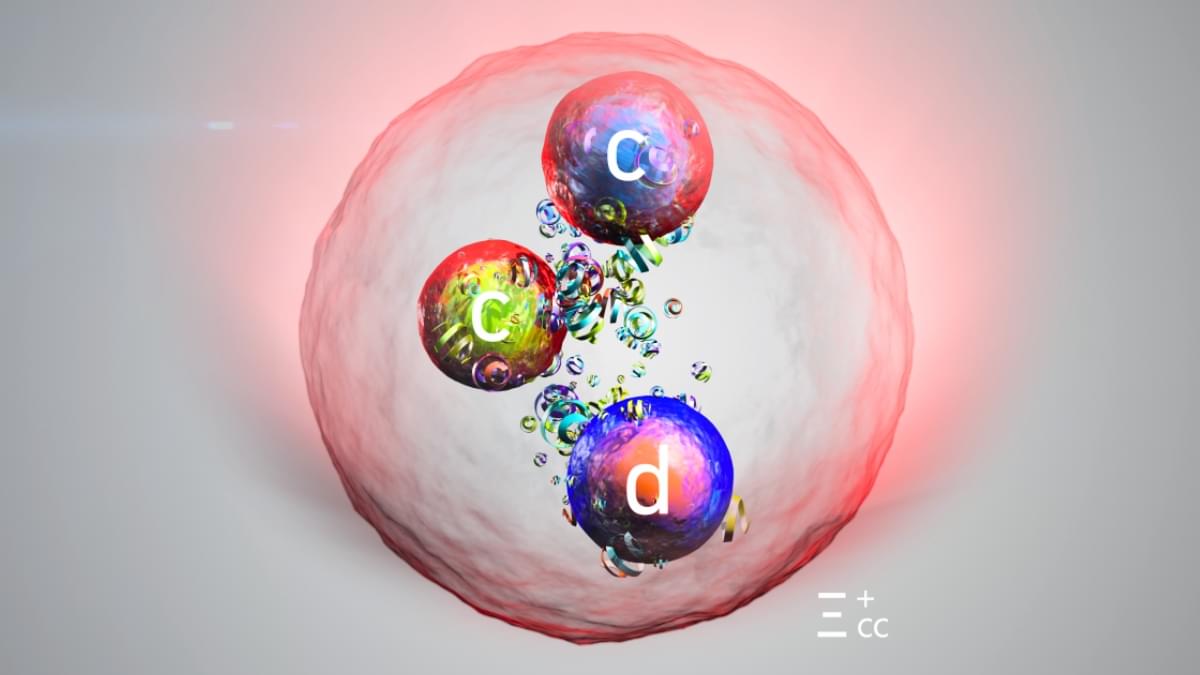
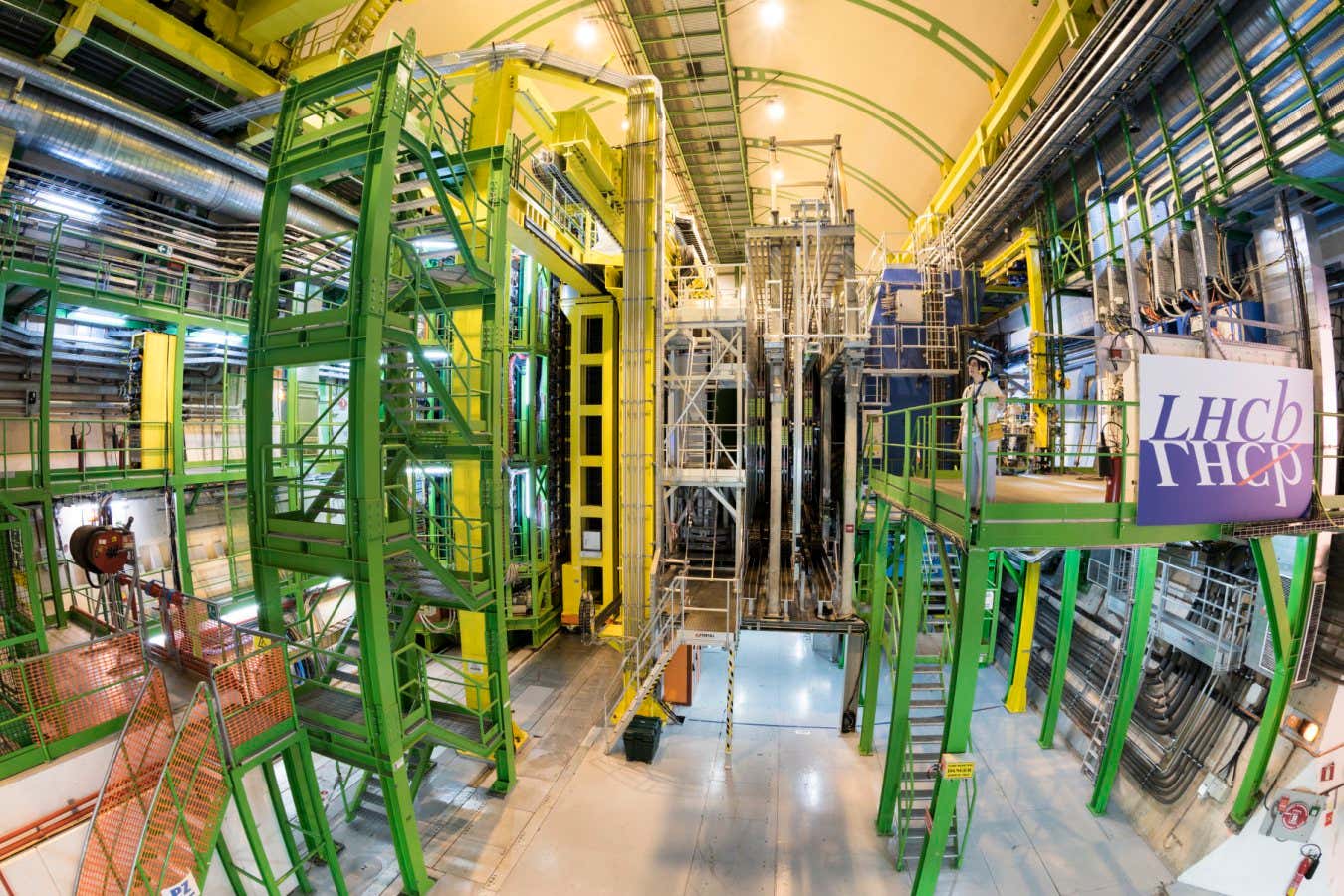
The Large Hadron Collider has discovered a new particle, the 80th identified so far by the world’s most powerful particle smasher, Europe’s CERN physics laboratory announced Tuesday.

The new particle has been named “Xi-cc-plus”

Scientists hope the particle – which is similar to a proton but four times heavier – will reveal more about the strange behaviour of quantum mechanics.

Lifelong behavioral screen reveals an architecture of vertebrate aging

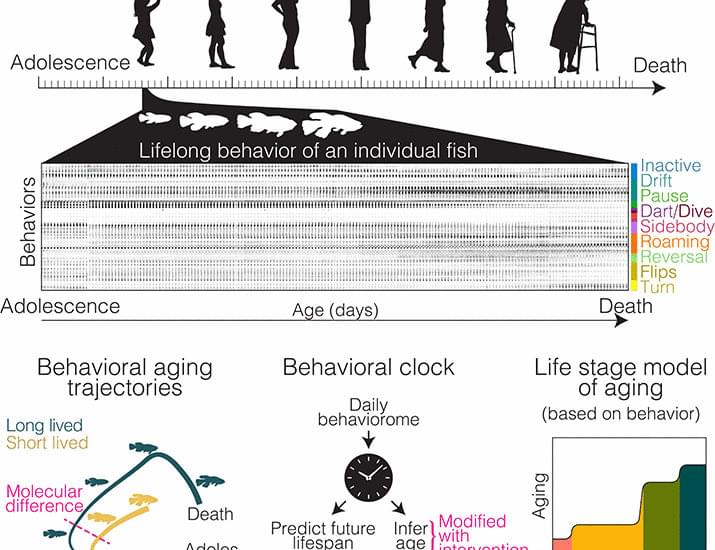
By tracking nearly every movement of a tiny fish’s life from adolescence to death, a new Science study reveals a hidden behavioral blueprint of aging—one that can predict a fish’s age or how long an individual will live.


Mapping behavior of individual vertebrate animals across lifespan could provide an unprecedented view into the lifelong process of aging. We created a platform for high-resolution continuous behavioral tracking of the African killifish across natural lifespan from adolescence to death. We found that animals follow distinct individual aging trajectories. The behaviors of long-lived animals differed markedly from those of short-lived animals, even relatively early in life, and were linked to organ-specific transcriptomic shifts. Machine-learning models accurately inferred age and even forecasted an individual’s future lifespan, given only behavior at a young age. Finally, we found that animals progressed through adulthood in a sequence of stable and stereotyped behavioral stages with abrupt transitions, revealing precise structure for an architecture of aging.

Immune cells regulate eye pressure linked to glaucoma

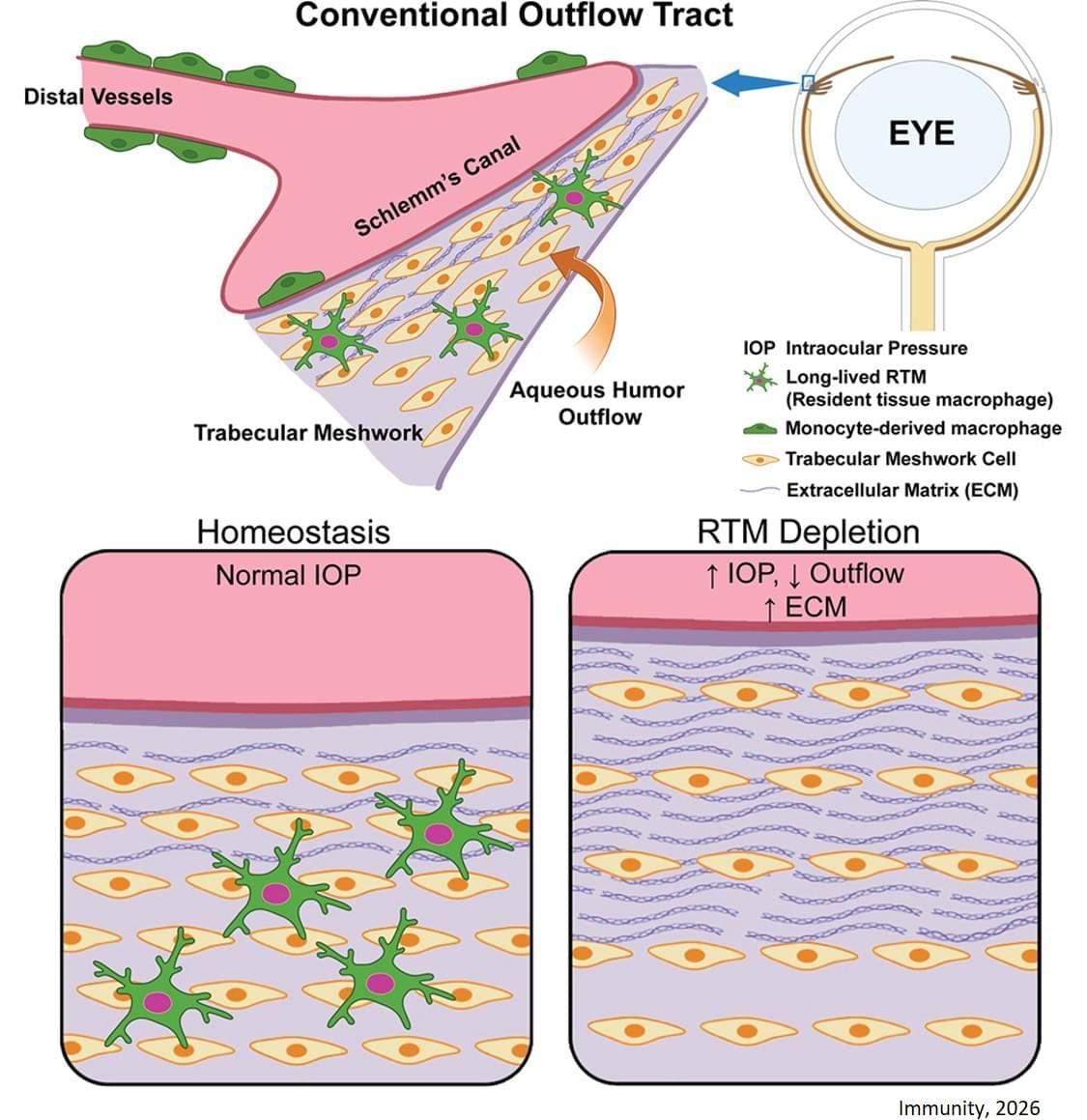
In the study, researchers tracked fluorescently tagged resident macrophages in mouse eyes. Long-lived resident tissue macrophages were concentrated in the trabecular meshwork and Schlemm’s canal, whereas steady-state monocyte-derived macrophages were abundant around distal vessels.

When they selectively removed these cells, the eye’s drain became clogged, fluid built up, and eye pressure increased and was linked to aberrant extracellular matrix turnover in the resistance-generating tissues of the trabecular meshwork.

“Our findings show that resident macrophages are essential for maintaining healthy eye pressure,” said the author. “Disruption of this system may contribute directly to the development of glaucoma.”

This discovery could lead to the development of future glaucoma treatments. The next step is to do research that identifies these resident macrophages in human eye tissue. ScienceMission sciencenewshighlights.


When the eye’s drainage system clogs, pressure builds up and causes damage. The pressure can lead to glaucoma and vision loss.

New research published in the journal Immunity, reveals that a specialized set of immune cells act as the cleanup crew, pointing to a promising new target for therapies to prevent a major cause of blindness.

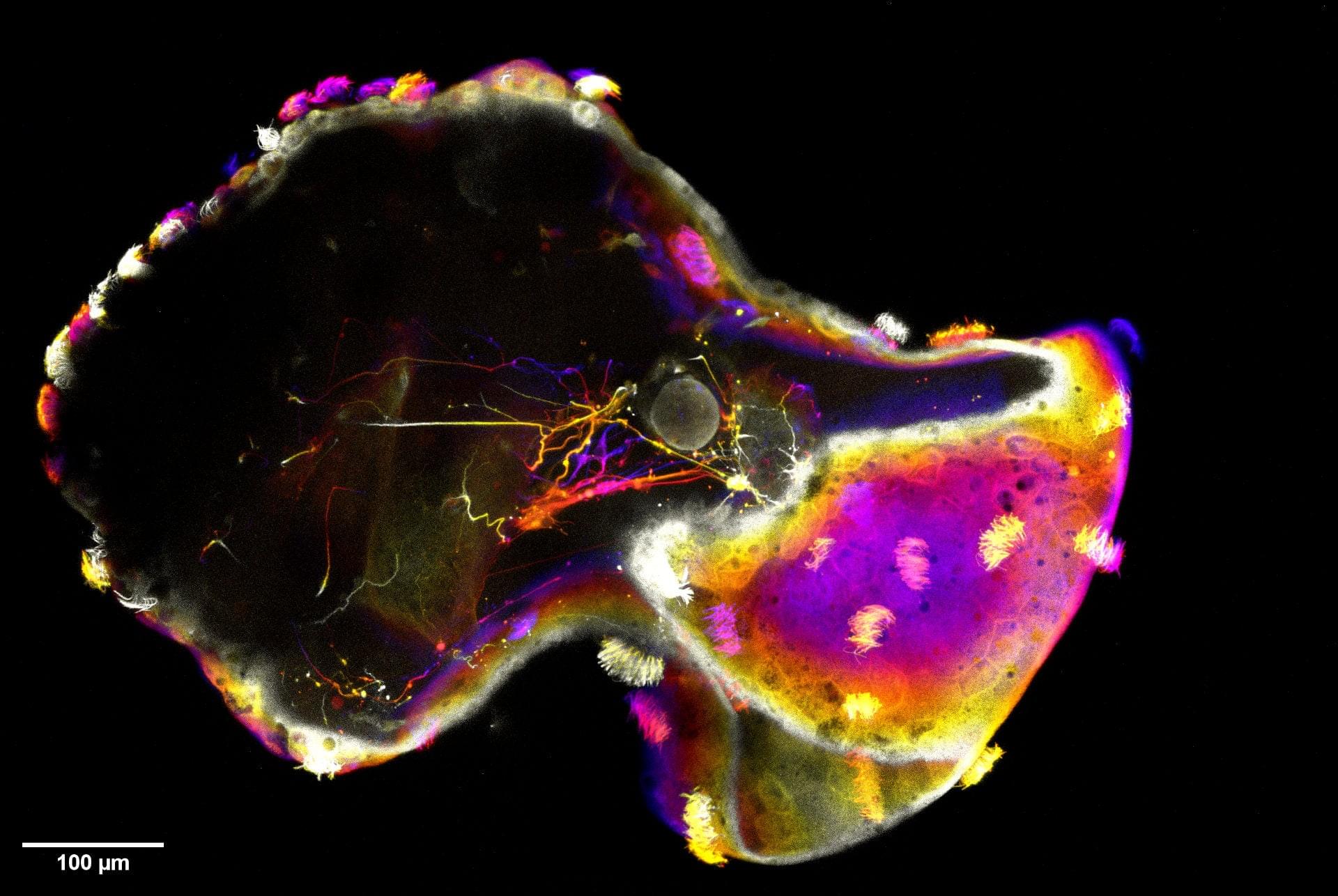
Scientists Create Novel Organism with Primitive Nervous System

In a prospective cohort study involving more than 130 000 US adults followed for up to 43 years, higher intake of caffeinated coffee and tea was associated with lower risk of developing dementia and modestly better cognitive performance, as measured by both subjective and objective tests.

The inverse association was most pronounced at moderate intake, approximately 2 to 3 cups per day of caffeinated coffee or 1 to 2 cups per day of tea, while decaffeinated coffee intake showed no significant relationship to dementia risk or cognitive outcomes.


Question Is long-term intake of caffeinated and decaffeinated coffee associated with risk of dementia and cognitive outcomes?

Findings In this prospective cohort study of 131 821 individuals from 2 cohorts with up to 43 years of follow-up, 11 033 dementia cases were documented. Higher caffeinated coffee intake was significantly associated with lower risk of dementia. Decaffeinated coffee intake was not significantly associated with dementia risk.

Meaning Higher caffeinated coffee intake was associated with more favorable cognitive outcomes.

Abstract: Follow your nose!

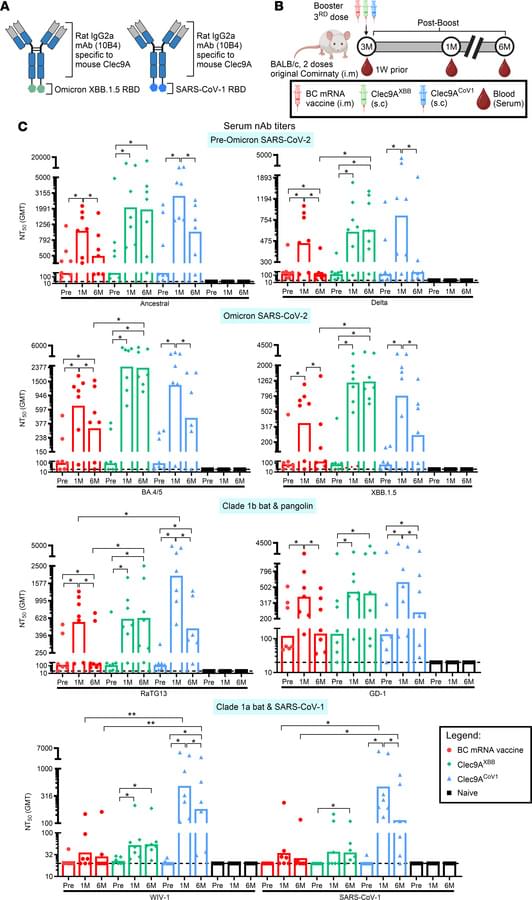
https://doi.org/10.1172/JCI195784 Sylvie Alonso & team develop a nasal vaccine booster that induces robust and sustained, cross-clade systemic and mucosal protective immunity in COVID19 mRNA vaccinated populations.


1Infectious Diseases Translational Research Programme, Department of Microbiology and Immunology, Yong Loo Lin School of Medicine and.

2Immunology Programme, Life Sciences Institute, National University of Singapore, Singapore.

3Monash Biomedicine Discovery Institute, Department of Biochemistry and Molecular Biology, Monash University, Clayton, Victoria, Australia.

/* */