Toggle light / dark theme

Get the latest international news and world events from around the world.

Log in for authorized contributors

Physicists break longstanding high-temperature superconductivity record at ambient pressure

Researchers from the Texas Center for Superconductivity (TcSUH) and the department of physics at the University of Houston have broken the temperature record for superconductivity at ambient pressure—a breakthrough that could eventually lead to more efficient ways to generate, transmit, and store energy.

The UH team achieved a transition temperature (Tc) of 151 Kelvin (about minus 122 degrees Celsius) under ambient pressure—the highest ever recorded for all the reported superconductors at ambient pressure since the discovery of superconductivity in 1911. The transition temperature is the point below which a material becomes superconducting, meaning electricity can flow through it without resistance.

Raising this temperature has been a major goal in superconductivity research for decades. The closer scientists can push the Tc toward room temperature, the more practical and affordable superconducting technologies could become.

New microscope offers sharper view into momentum space

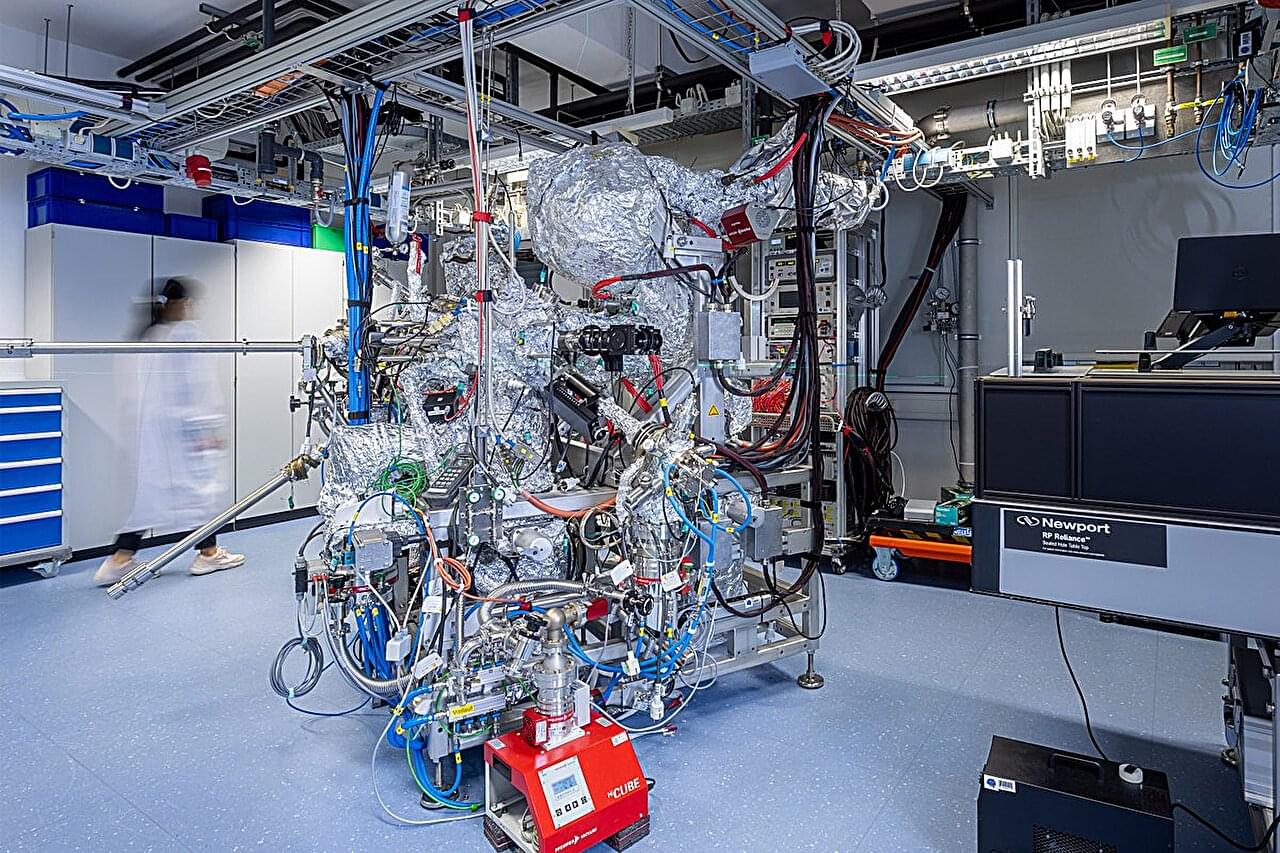
Electrons are tiny and constantly in motion. How they behave in a crystal lattice determines key material properties: electrical conductivity, magnetism, or novel quantum effects. Anyone aiming to develop the information technologies of tomorrow must understand what electrons do. At Forschungszentrum Jülich, a new tool is now available for this purpose: a momentum microscope that was fully developed and built on site. “Internationally, we are currently seeing rapidly growing interest in this method,” explains Dr. Christian Tusche from Forschungszentrum Jülich.

Dr. Christian Tusche already played a key role in advancing momentum microscopy during his time at the Max Planck Institute of Microstructure Physics in Halle. Since moving to Jülich in 2015, he has continued to drive its development forward. His work has been recognized with several awards, including the Kai Siegbahn Prize in 2018 and the Innovation Award on Synchrotron Radiation in 2016. Most recently, he published a review article on the method in the journal Applied Physics Letters.

In recent years, numerous instruments have been commissioned at synchrotron facilities and X-ray lasers around the world. “The new device we built together with the Mechanical Workshop is a real innovation. There is currently nothing like it available from any specialist company,” says Dr. Tusche.

Globular cluster NGC 5824 is embedded in a dark matter halo, study suggests

Using data from the Magellan Clay telescope and the Canada-France-Hawaii Telescope (CFHT), astronomers have investigated a galactic globular cluster known as NGC 5824. Results of the new study, available in a paper published March 5 on the arXiv pre-print server, suggest that the cluster is embedded in a dark matter halo.

NGC 5,824 is an old globular cluster (GC) located some 104,000 light years away in the Milky Way’s outer halo. It has a mass of about 1 million solar masses, an age of 12.8 billion years and is the second brightest globular cluster of the outer halo clusters. NGC 5,824 is known to have a diffuse stellar envelope that extends beyond its tidal radius and symmetrically surrounds the cluster.

Given that the origin of the stars in this envelope and whether they remain gravitationally bound to the cluster center is still unclear, a team of astronomers led by Paula B. Díaz of the University of Chile decided to investigate NGC 5,824 by analyzing the data from the survey of the Milky Way outer halo satellites, based on the images acquired by CFHT and the Magellan Clay telescope. The study was complemented by data from ESA’s Gaia satellite.

Communication-aware neural networks could advance edge computing

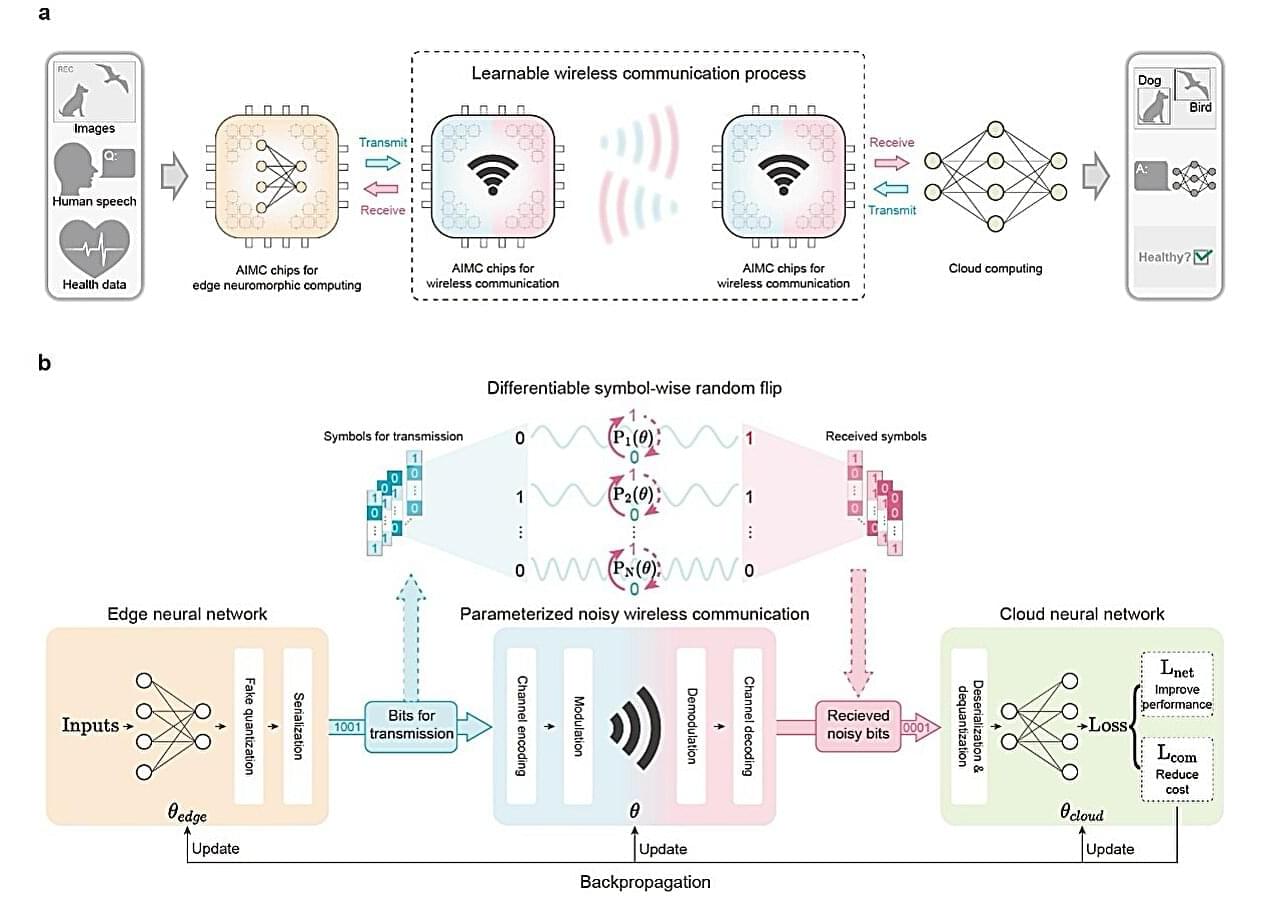
Edge computing is an emerging IT architecture that enables the processing of data locally by smartphones, autonomous vehicles, local servers, and other IoT devices instead of sending it to be processed at a centralized large data center. This approach could allow artificial intelligence (AI) models and other computational systems to perform tasks rapidly, while consuming less power.

Despite the potential of this approach, typically local devices have a limited battery capacity and restricted computing capabilities. This means they often need to send data to remote cloud servers via the internet to complete complex calculations. This transmission of information via wireless communication can consume significant amounts of energy, while also slowing down the rates of transmission.

Researchers at Nanjing University recently introduced a new approach that could potentially boost the speed of communication between edge devices and cloud servers, while also reducing energy consumption. Their proposed strategy, introduced in a paper published in Nature Electronics, relies on newly developed communication-aware in-memory wireless neural networks, new computational tools that combine computing, memory, and wireless communication into a single AI-powered system.

Novel AI semiconductor uses hydrogen ions for learning and memory

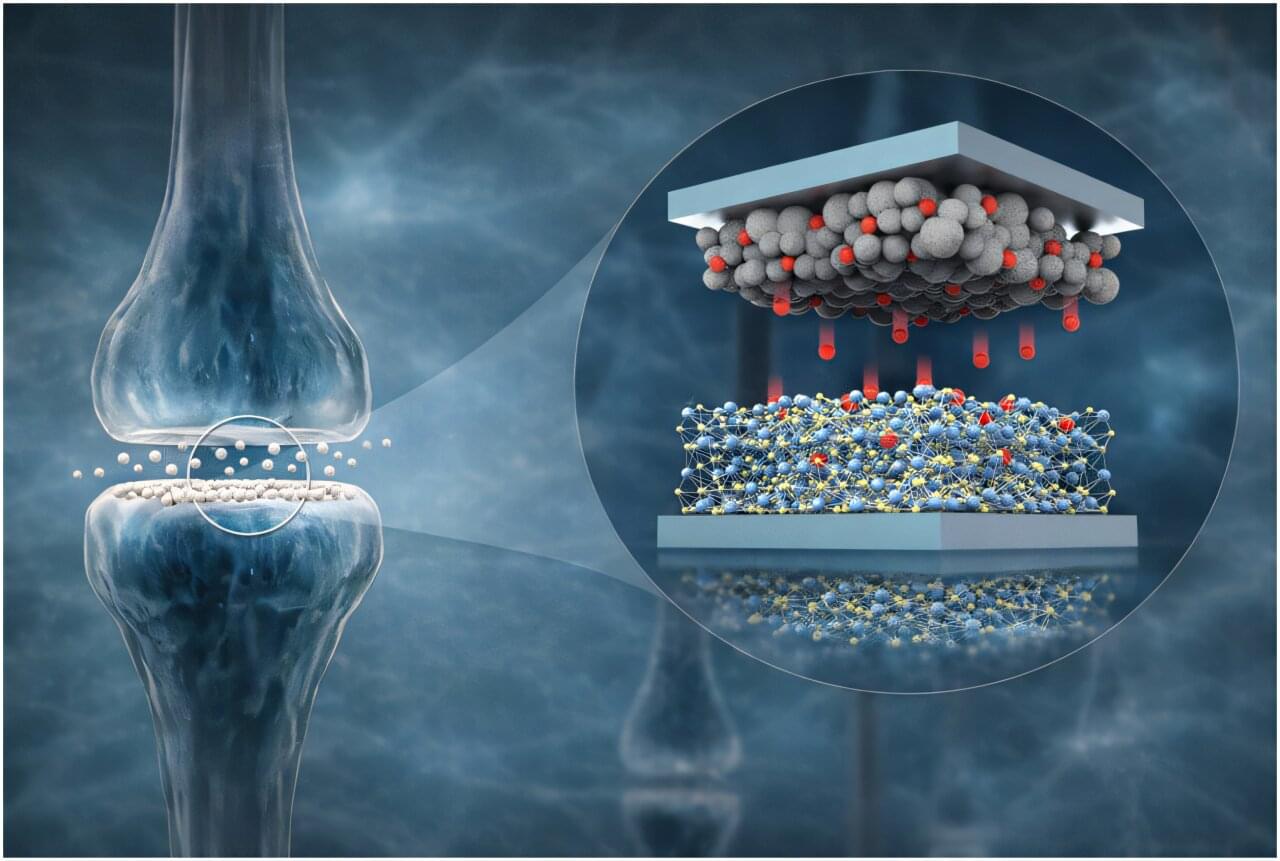
A research team led by Lee Hyun Jun and Noh Hee Yeon from the Division of Nanotechnology at DGIST has succeeded in implementing the world’s first two-terminal-based artificial intelligence (AI) semiconductor that precisely controls hydrogen with electrical signals to enable self-learning and memory. The team’s work appears in Advanced Science.

Whereas modern AI requires the rapid processing of vast amounts of data, the separation of computation and memory in conventional computers results in speed degradation and high power consumption. “Neuromorphic semiconductors,” which perform computation and storage simultaneously by mimicking the human brain, are gaining attention as a next-generation technology that can resolve this problem. At the heart of this semiconductor is an artificial synapse device that changes its conductivity based on electrical signals and maintains that state, and the research team focused on hydrogen as the solution.

Conventional oxide-based memory devices have primarily utilized the migration of oxygen vacancies (defects) as memory. However, this has made it difficult to ensure long-term stability and uniformity between devices. In contrast, the research team solved this problem by developing its own method to precisely control the injection and discharge of hydrogen ions (H+) using an electric field.

First-of-its-kind ion pump developed for seawater desalination, energy and biomedical applications

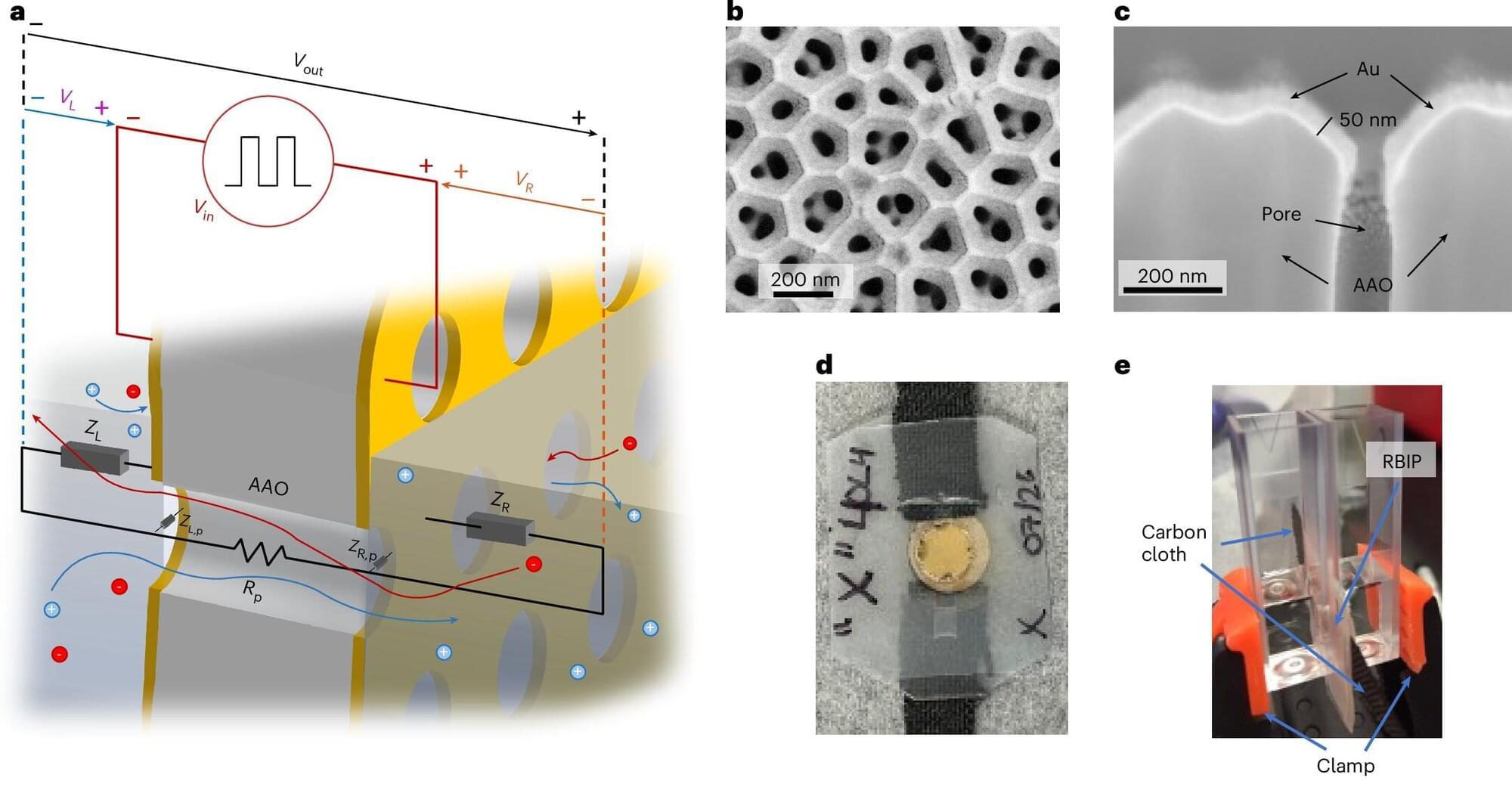
Researchers at the University of California, Irvine, Israel’s Tel Aviv University and other institutions have developed a first-of-its-kind membrane through which charged molecules pass using nothing more than a rapidly switching low-voltage signal. This “ratchet-based ion pump” has no moving parts and requires no chemical reactions.

The device opens the door to advances in water desalination, lithium ion harvesting from seawater, heavy-metal removal from drinking water, battery recycling and various biomedical applications. The team’s findings are outlined in a paper published recently in Nature Materials.

Mechanically activated liquid metal powder lets users draw circuits on paper

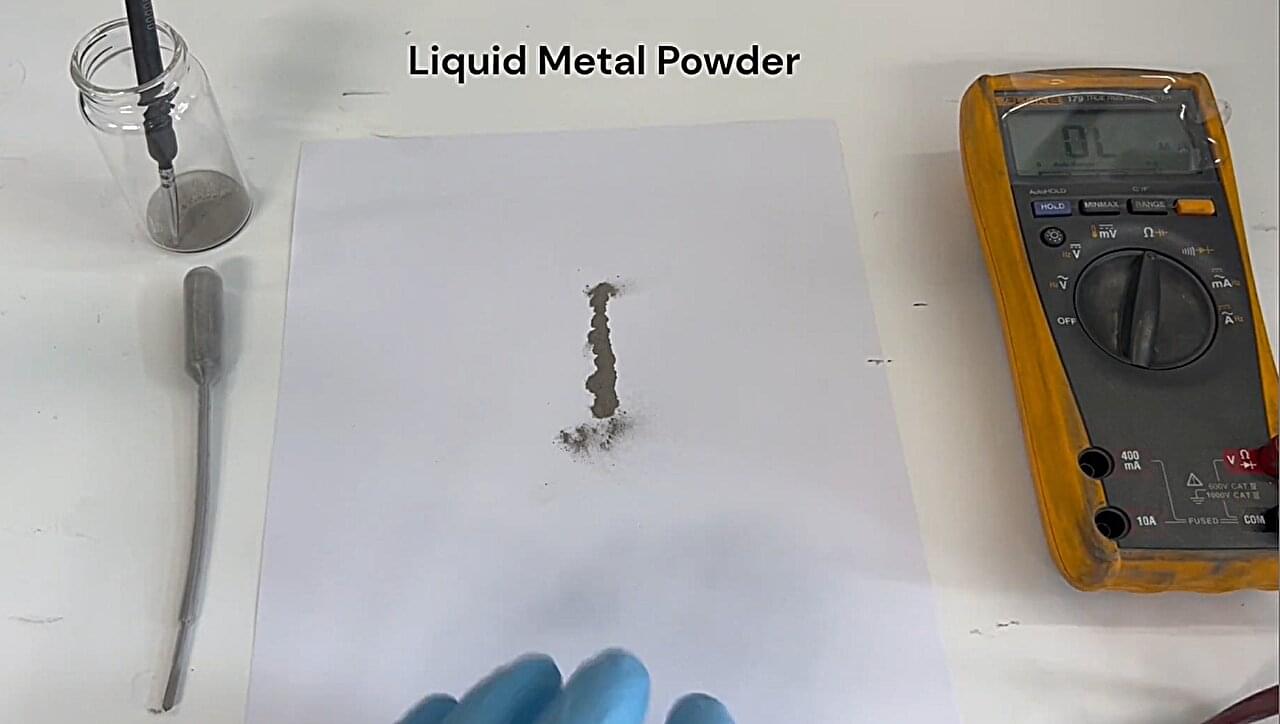
What if electronic circuits could be created simply by drawing lines with a pencil on paper or leaves—and then immediately applied to soft robots or skin-attached health monitoring devices? Korean researchers have developed an electronic materials technology that forms electrically conductive liquid metal in a fine powder form, allowing circuits to be drawn directly on a wide variety of surfaces.

This technology presents new possibilities for next-generation flexible electronics, including applications on paper and plastic as well as in soft robotic systems and wearable devices. The research was published in Advanced Functional Materials.

A research team led by Distinguished Professor Inkyu Park from the Department of Mechanical Engineering, in collaboration with Dr. Hye Jin Kim’s team at the Electronics and Telecommunications Research Institute (ETRI), has developed a liquid metal powder-based electronic material technology that allows electronic circuits to be directly drawn on desired surfaces.

Key transistor for next-generation 3D stacked semiconductors operates without current leakage

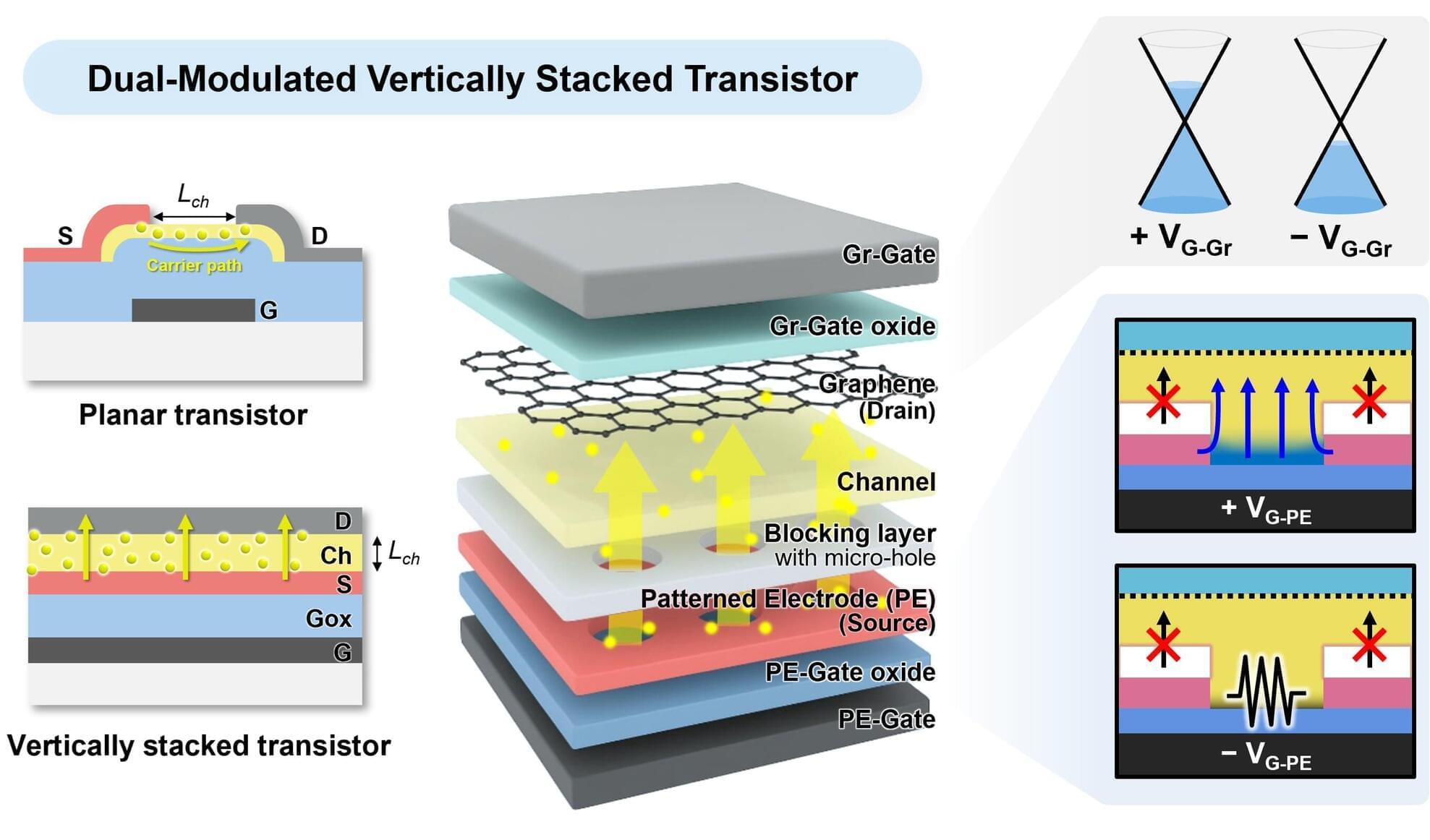
A research team led by Professor Jae Eun Jang and Dr. Goeun Pyo from the Department of Electrical Engineering and Computer Science at DGIST has developed “dual-modulated vertically stacked transistors” that operate stably without current leakage even in two-dimensional nanoscale channel structures. A study on this work is published in the journal Advanced Science.

In recent years, the semiconductor industry has faced physical limitations as the demand to integrate more devices within limited space continues to grow. To overcome these constraints, “vertically stacked transistors,” in which current-carrying channels are vertically layered, have emerged as a promising alternative for next-generation 3D semiconductors. However, conventional vertically stacked transistors suffer from a critical drawback in which gate electric signals are not delivered uniformly into the channel interior due to their electrode structure, consequently leading to current leakage or unstable device operation as the channel length becomes shorter.

To address this issue, the research team proposed a “dual-modulation structure” in which two gates—positioned above and below—control the channel through different mechanisms. This represents an innovative approach in which current flows in a sandwich-like configuration, with the upper and lower electrodes facing each other across the channel.

Frog-cell ‘neurobots’ grow self-organized nervous systems and alter gene activity

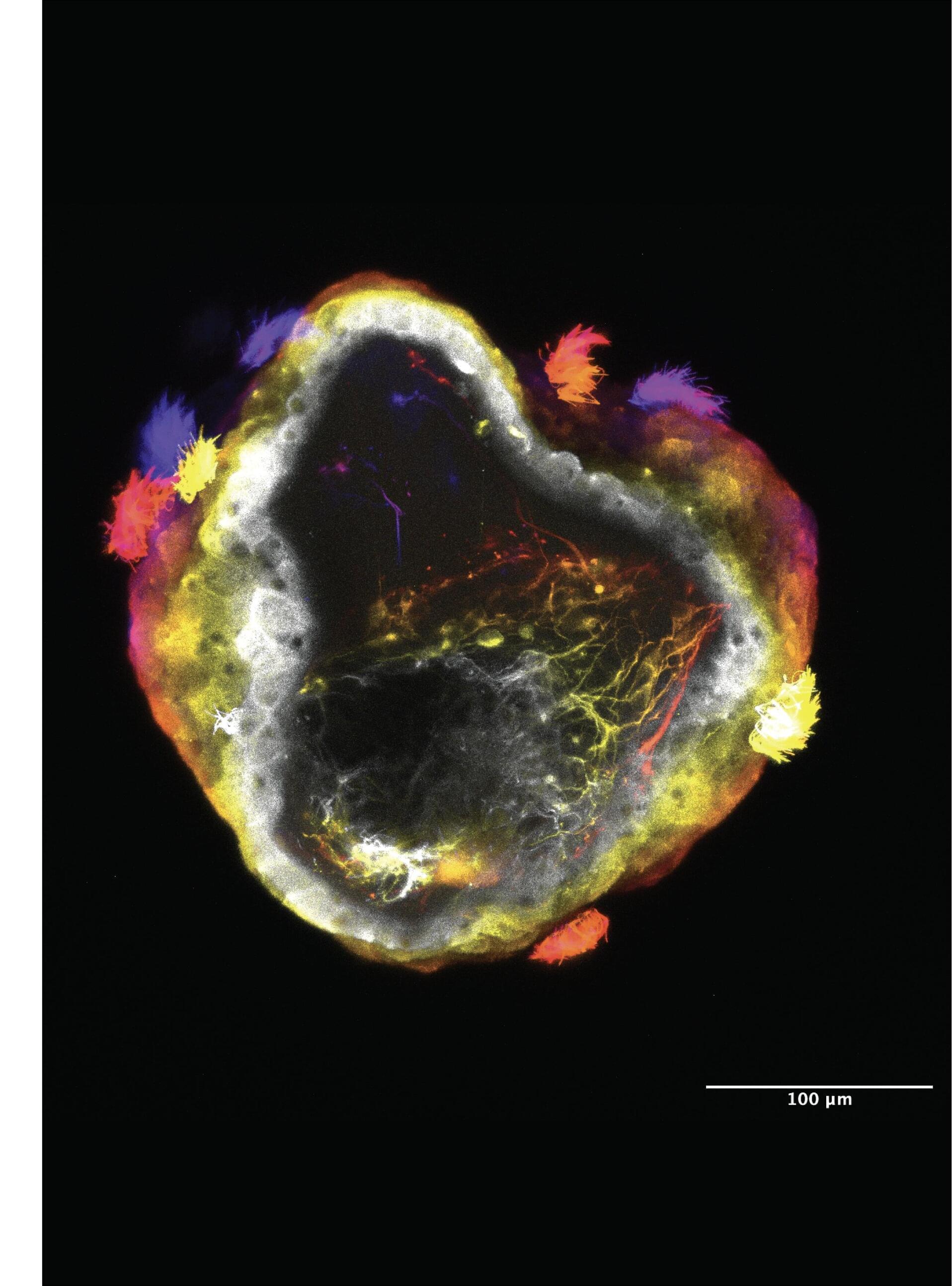
Biobots, whose growing line of variants started with xenobots, are fascinating tiny self-powered living robots built exclusively using frog embryonic cells. Originally developed in the laboratories of Wyss Institute Associate Faculty member and Tufts University Professor Michael Levin, Ph.D. and his collaborators at University of Vermont, biobots are remarkably motile, moving autonomously through aqueous environments.

Since then, the team has shed light on many exciting properties of biobots, including their ability for kinematic self-replication, and responding to sound stimuli.

Biobots can similarly be constructed using human cells in the form of anthrobots, which have the ability to heal neural wounds in vitro. Thus, a vision emerged that biobots, made out of patients’ own cells, could one day be deployed to repair spinal cord or retinal nerve damage, clear plaques from the arteries, locally deliver pro-regenerative drugs, and perform other vital tasks in the human body.

Molecular chains with bite: Customized carbon nanoribbons open a cleaner path to molecular electronics

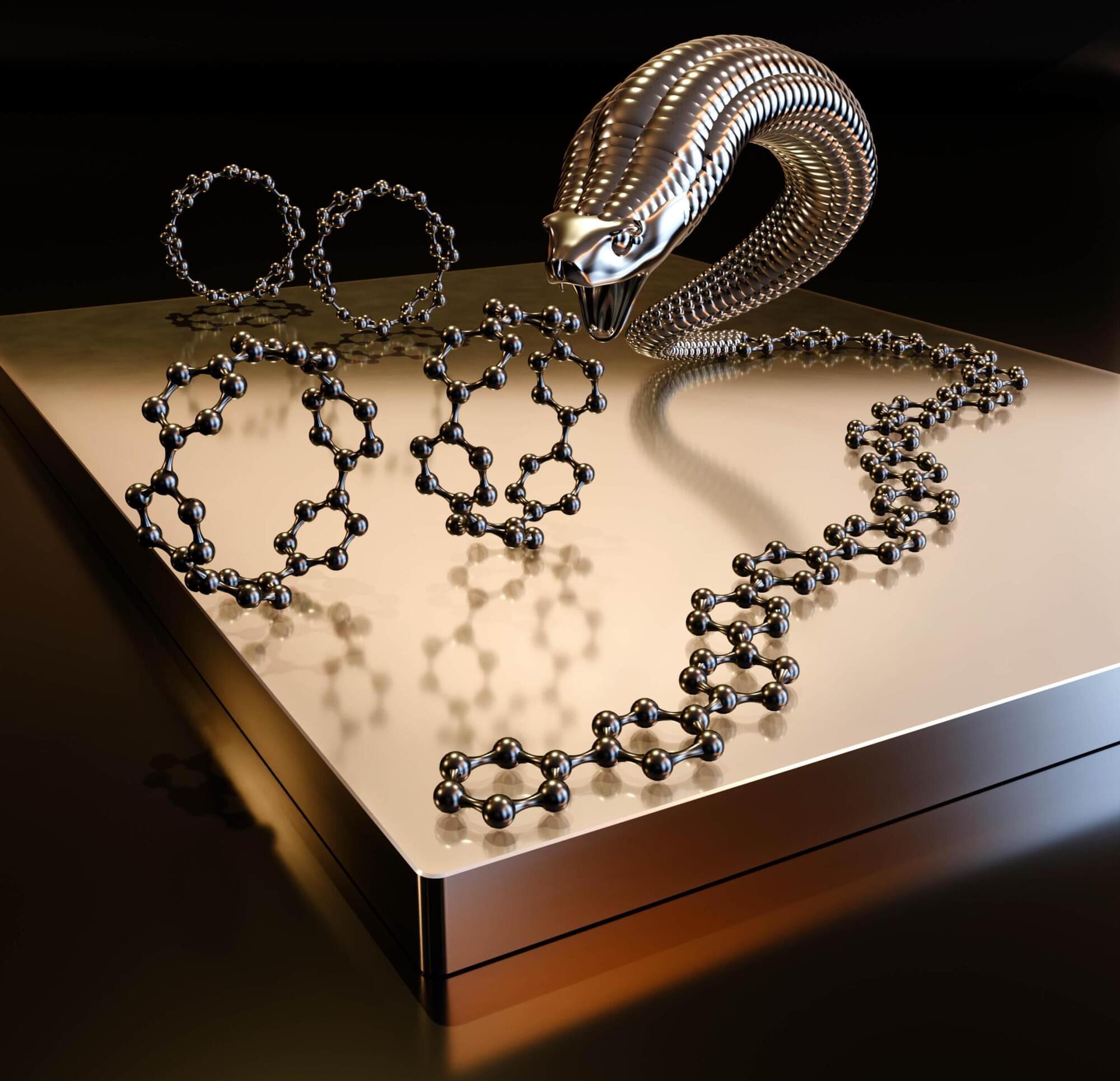
The longest chains of the conductive polymer poly(p-phenylene; PPP) produced to date are just under one micrometer (thousandth of a millimeter) long—almost an order of magnitude longer than previously possible. A research team from the fields of chemistry and physics led by Prof. Dr. Michael Gottfried from Marburg University, Germany, has demonstrated for the first time that PPP can be synthesized on surfaces via a specific ring-opening polymerization as genuine chain growth.

The statistically most frequently measured length is around 170 nanometers—with one outlier reaching nearly 1,000 nanometers—a record. The new, halogen-free process does not produce any disruptive by-products, thus opening up a particularly clean approach to ultra-long, conjugated polymer chains.

The results have been published by the interdisciplinary team from the Universities of Marburg, Giessen and Leipzig and Chinese researchers in the journal Nature Chemistry.

/* */