Toggle light / dark theme

Get the latest international news and world events from around the world.

Log in for authorized contributors

How two dim stars came together to shine brightly

Brown dwarfs get a bad rap in the stellar world, often labeled as “failed stars” for their inability to sustain nuclear fusion at their cores. The mass of these objects falls between planets and stars, ranging from 13 to 80 times the mass of Jupiter. Because they aren’t massive enough to sustain fusion, they are far fainter and cooler than their stellar comrades.

Now, a new finding led by researchers at Caltech shows how these dim bulbs can join together to shine brightly. Searching through archival observations captured by the Zwicky Transient Facility (ZTF) at Caltech’s Palomar Observatory, researchers have identified a very tight-knit pair of brown dwarfs in which one is actively siphoning material from the other.

Ultimately, the brown dwarfs are expected to merge to form a new star; alternatively, the brown dwarf gaining the extra mass will ignite to become a star. Either way, a pair of failed stars will have created a brilliant new star.
Large-scale look at the exposome shows combined environmental exposures rival genetics in shaping human health outcomes

For decades, scientists have been carefully unraveling the role of genes in disease by examining how small variations in a person’s genetic code can shape lifelong risk of developing common conditions such as cancer, diabetes, or heart disease. But genetics only tell part of the story.

The other part comes from all the external and internal exposures a person experiences during their lifetime, which can range from pollution to infections to diet and lifestyle. Cumulatively, these exposures—and the body’s biological response to them—make up what scientists have termed the exposome.

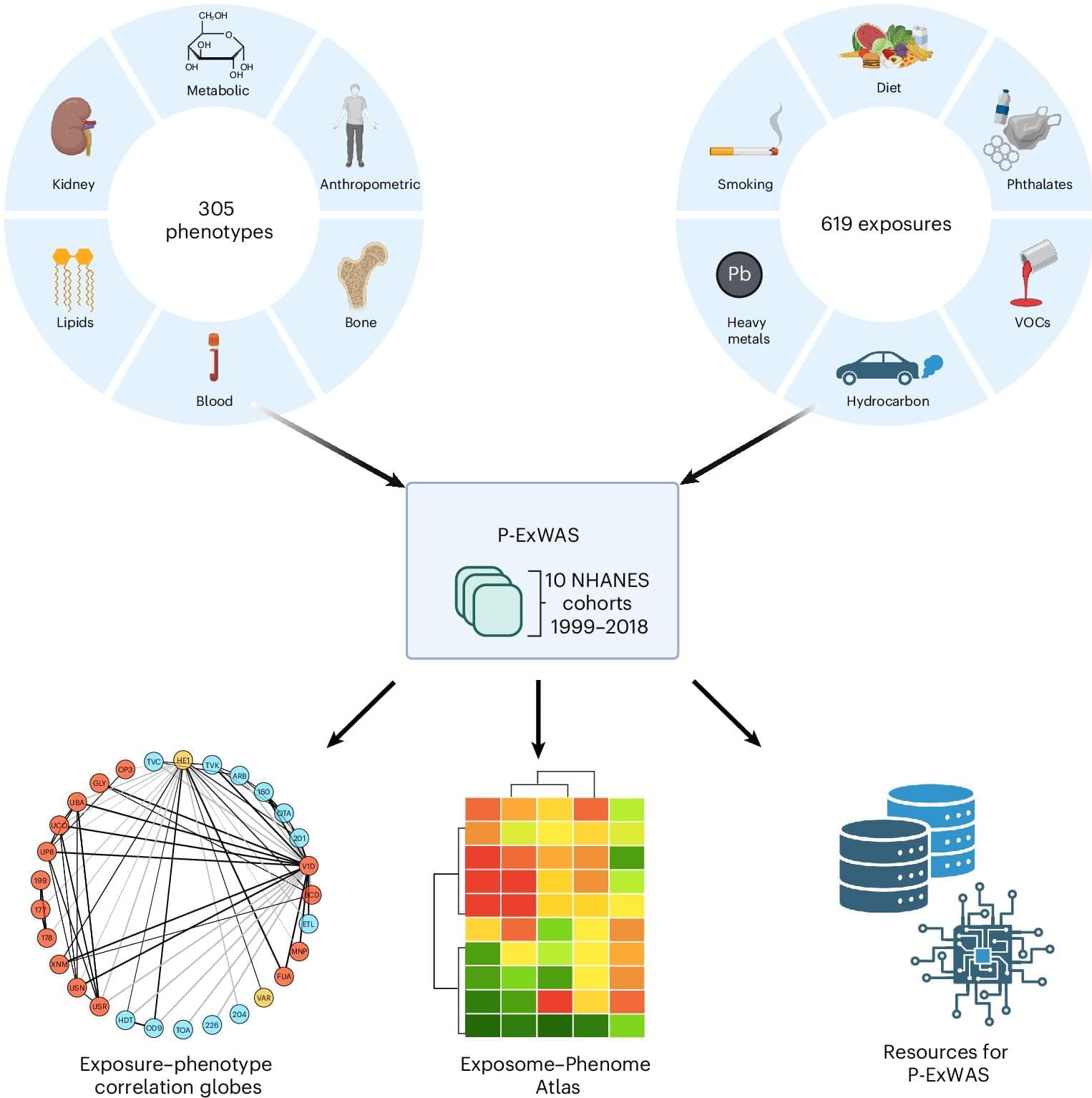
A team led by scientists at Harvard Medical School has now conducted what may be the largest-scale study to date to quantify the relationships between exposures and health outcomes, testing more than 100,000 associations. The work demonstrates the importance of studying potential environmental disease risks in aggregate rather than one at a time.

NASA’s Hubble unexpectedly catches comet breaking up

In a happy twist of fate, NASA’s Hubble Space Telescope witnessed a comet in the act of breaking apart. The chance of that happening while Hubble watched is extraordinarily minuscule. The findings are published in the journal Icarus.

The comet K1, whose full name is C/2025 K1 (ATLAS)—not to be confused with interstellar comet 3I/ATLAS—was not the original target of the Hubble study.

“Sometimes the best science happens by accident,” said co-investigator John Noonan, a research professor in the Department of Physics at Auburn University in Alabama. “This comet got observed because our original comet was not viewable due to some new technical constraints after we won our proposal. We had to find a new target—and right when we observed it, it happened to break apart, which is the slimmest of slim chances.”

Wearable thermoelectric technology uses thin films to generate electricity from body heat

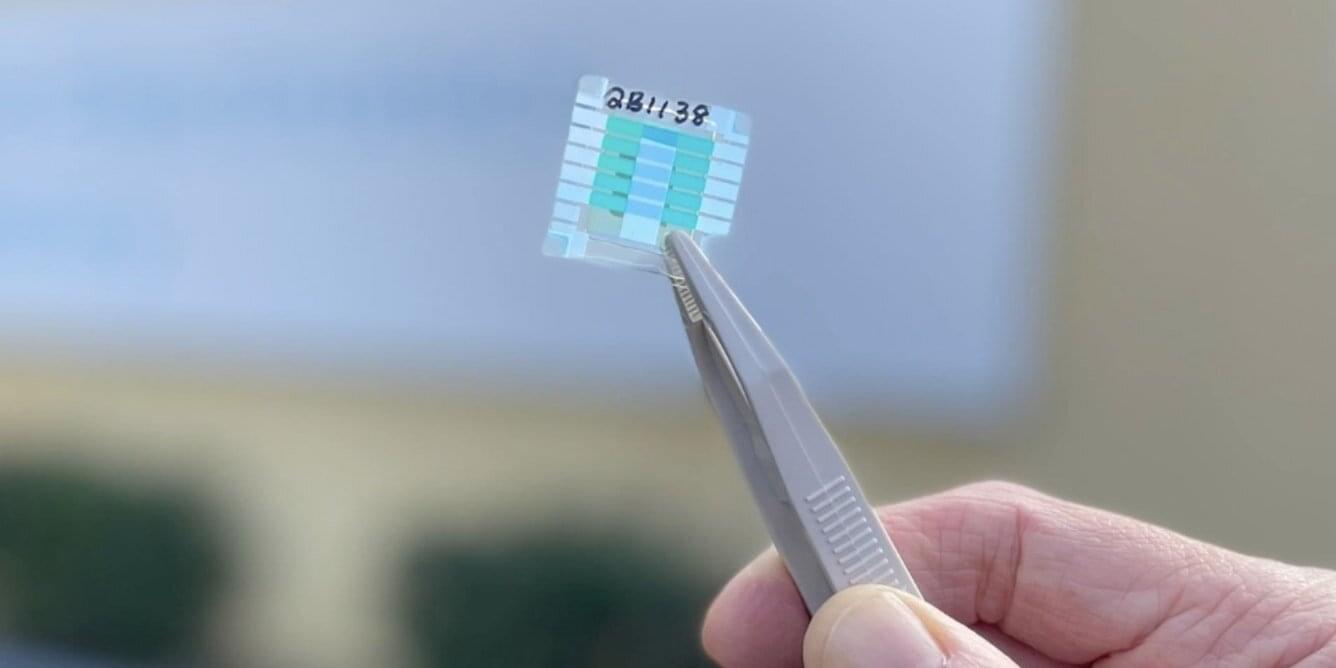
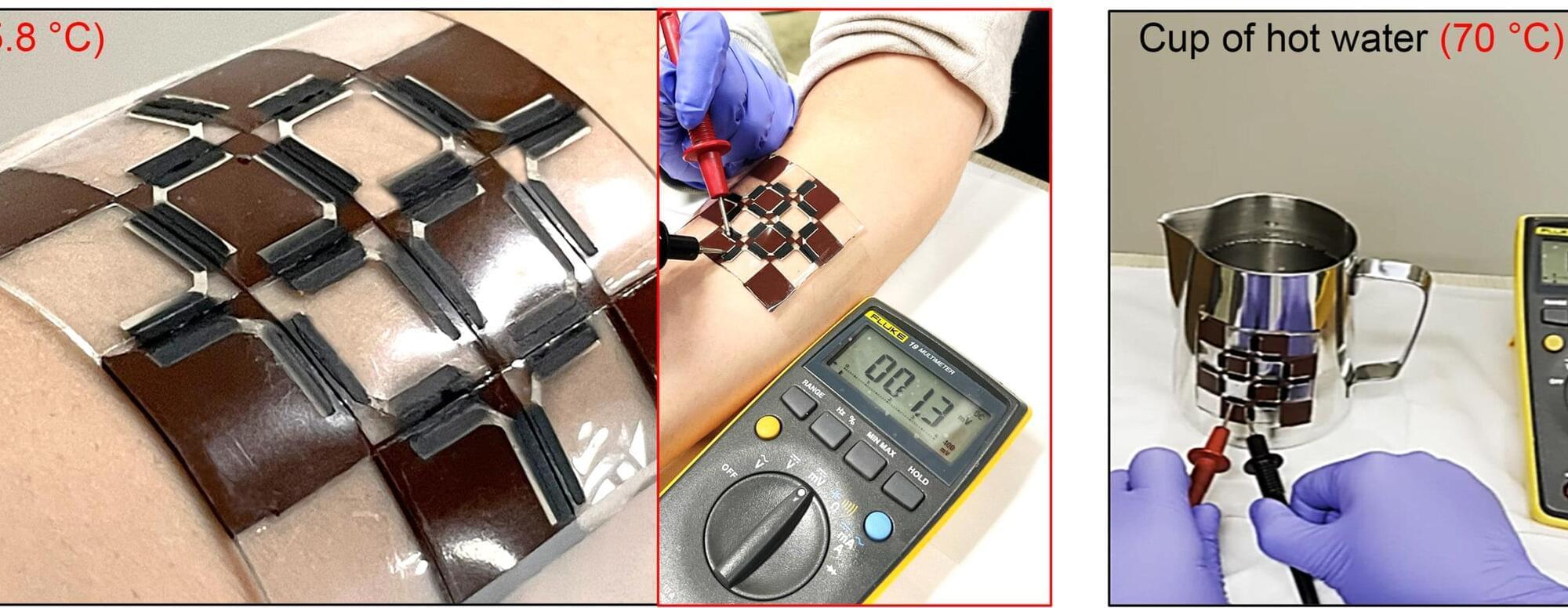
Seoul National University College of Engineering has announced that a research team led by Prof. Jeonghun Kwak of the Department of Electrical and Computer Engineering, with co-first authors Dr. Juhyung Park and Dr. Sun Hong Kim, has developed a flexible and thin “pseudo-transverse thermoelectric generator” capable of producing electricity from body heat. The research findings appear in Science Advances.

Thermoelectric generators, which convert temperature differences into electricity, are attracting attention as a next-generation energy technology for wearable electronics because they can supply power without batteries. In particular, thin-film thermoelectric generators are lightweight and flexible, allowing them to be comfortably attached to skin or clothing.

However, this thin structure also presents a limitation. Thermoelectric generators require a temperature difference between hot and cold sides to generate electricity. When such a device is attached flat to the skin, body heat passes directly through the thin film and dissipates into the surrounding air—similar to heat passing through a sheet of paper. As a result, little to no temperature difference is formed across the device, making electricity generation difficult.

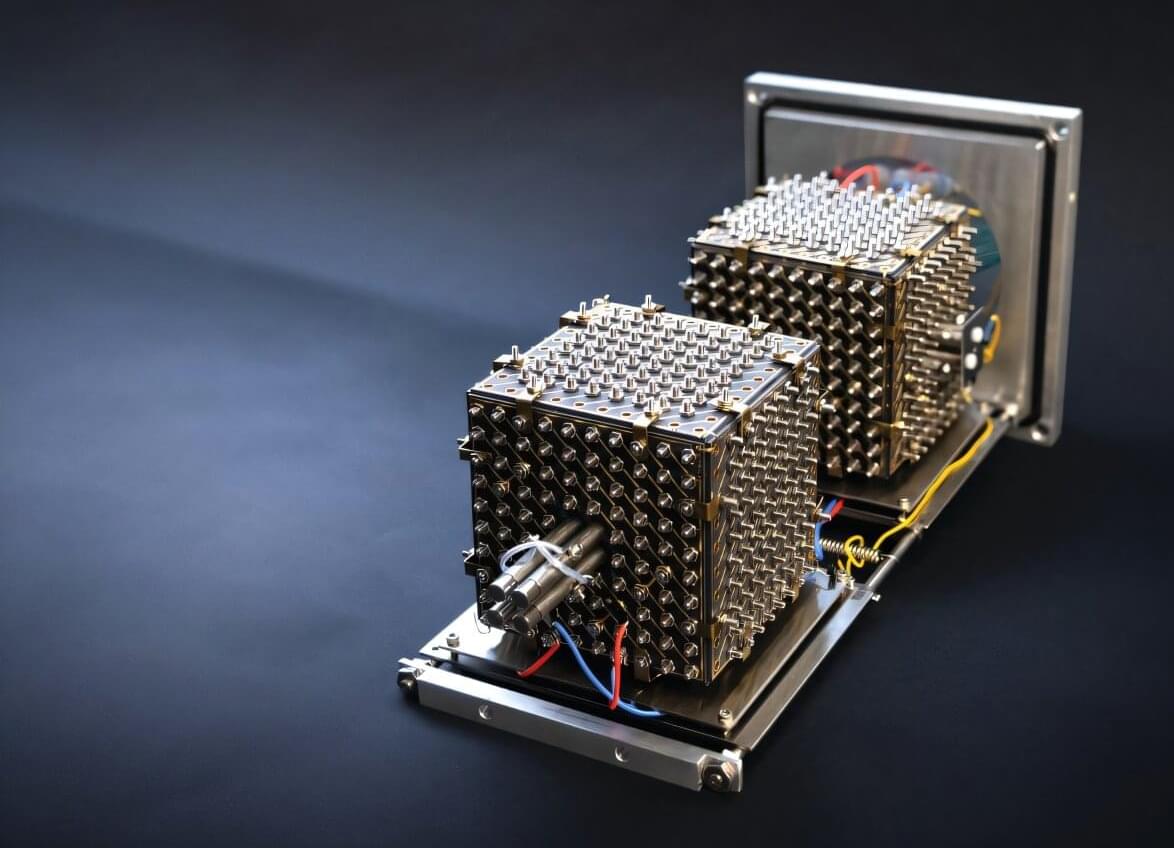
Most mass spectrometers can process just a few molecules at once: Reengineered prototype does a billion simultaneously

Mass spectrometry is already a powerful tool for determining what kind and how many molecules are present in a given sample. But most instruments still analyze their molecules one or just a few at a time, an approach that is inefficient and costly, and in which rare, but significant molecules can easily fall between the cracks.

A more powerful version of the technology could one day allow scientists to read the full molecular contents of a single cell, track thousands of chemical reactions at once, and ultimately accelerate efforts like drug development.

Now, a new study describes the first big step in that direction by producing a prototype, dubbed MultiQ-IT, that’s capable of handling vast numbers of molecules at once. The findings, published in the journal Science Advances, offer a blueprint for faster, more sensitive instruments that could position mass spectrometry for the kind of transformation that reshaped genomics and computing.

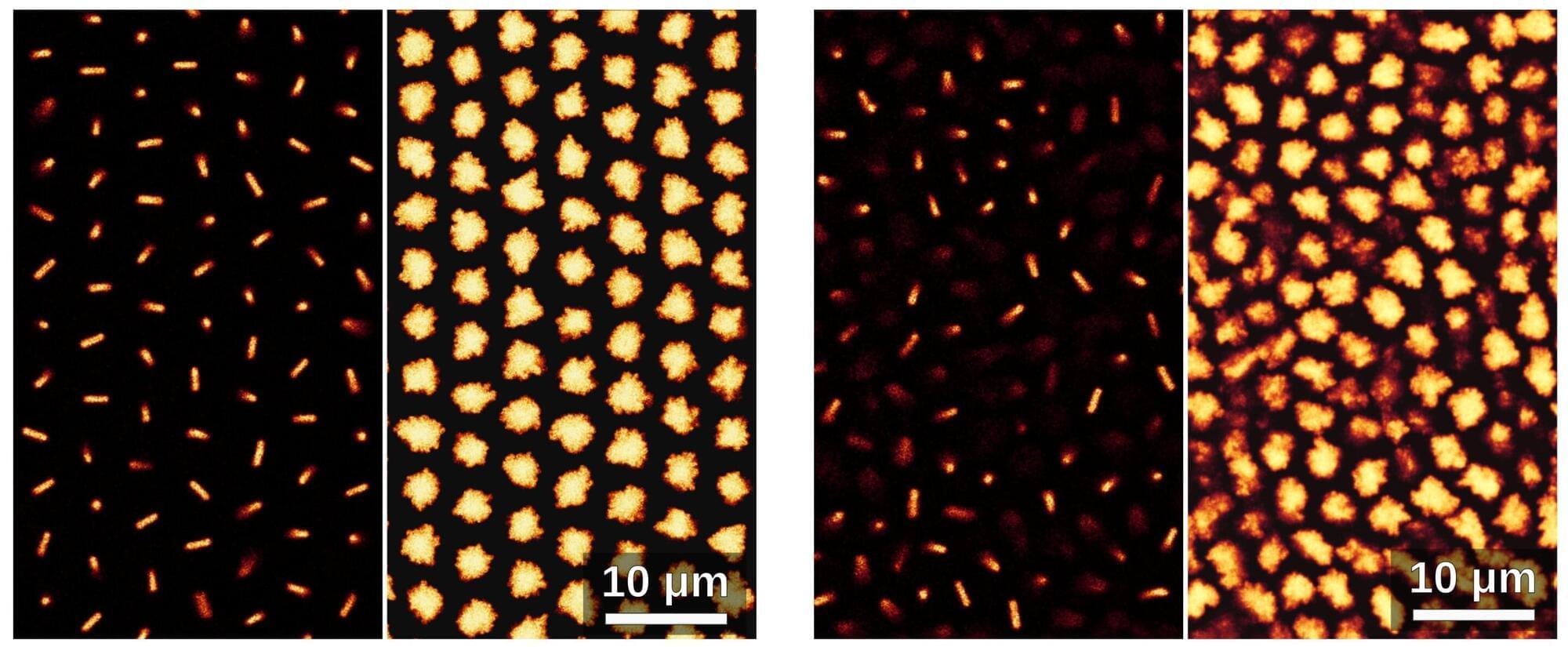
Is glass a solid or a super slow liquid? Physicists create equilibrium glassy phase from rod-shaped particles

Glass appears to be a solid, but in theory it sometimes behaves more like an extremely slow liquid. Physicists in Utrecht now show that glass-like structures can also exist in equilibrium, which is something many theories say should be impossible.

The bottom parts of medieval window panes, such as those in old cathedrals, are often thicker than the top. Has the material slowly flowed downward over the centuries, and does this mean that glass actually flows? This is a persistent myth, and the explanation lies in the way glass was produced in the Middle Ages. Because window panes were made by hand, their structure was often irregular and contained thinner and thicker parts. The panes were usually installed in the frame with the thicker side at the bottom, which made them more stable.

Still, the story touches on a real physics question. What glass actually is, a solid or a very slow liquid, turns out to be more difficult to answer than it seems.

A world‑first quantum battery charges faster when it gets bigger—but it’s tiny and only lasts nanoseconds

You’re late for an important appointment. Just as you are leaving your house, you realize your phone is flat. Imagine you could charge it almost instantly by exploiting the strange rules of quantum physics. That’s the promise of quantum batteries.

My colleagues and I at CSIRO have developed the world’s first quantum battery prototypes —and the direction the technology has taken is surprising.

Dark matter experiment reaches ultracold milestone

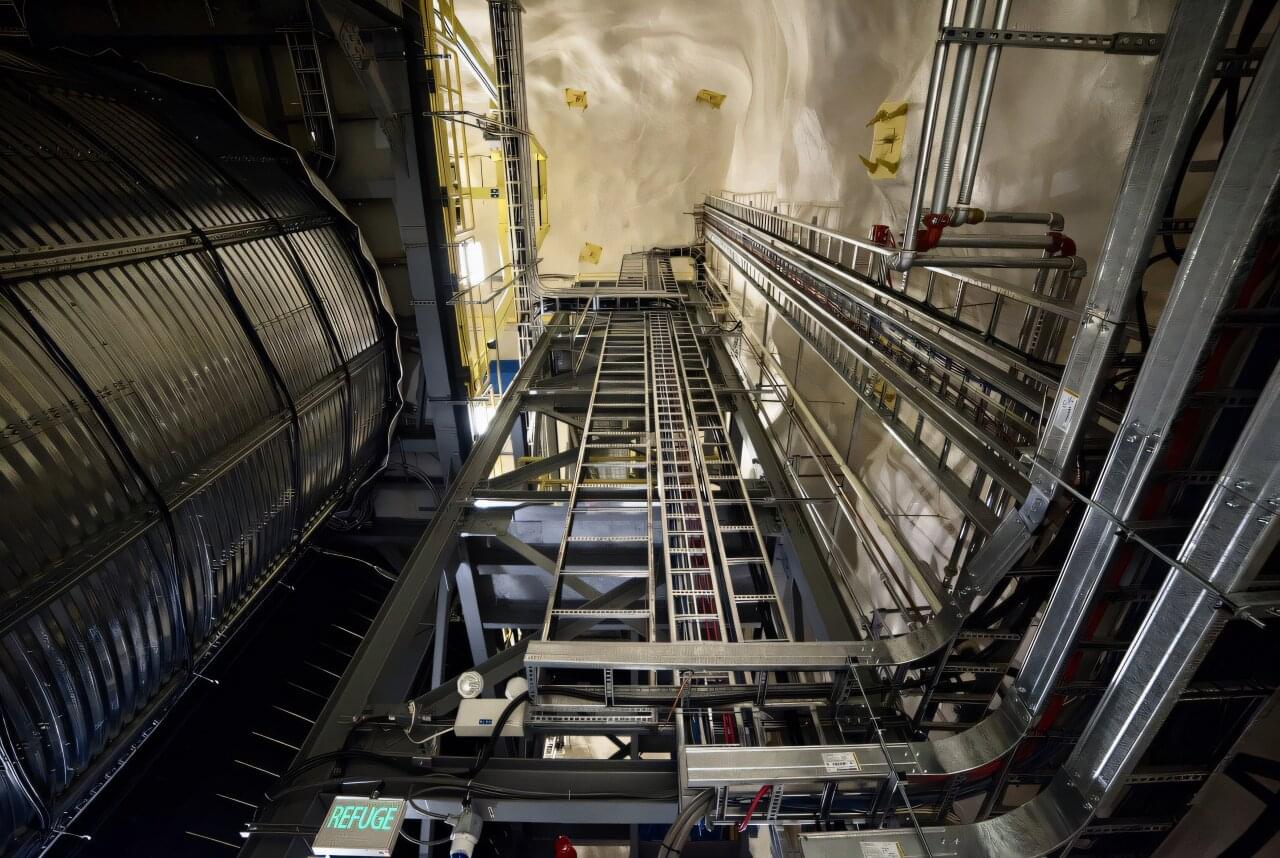
An international collaboration, including Northwestern University, has reached a critical milestone in the search for dark matter, the mysterious substance that makes up about 85% of all matter in the universe. Located two kilometers below ground in Canada, the Super Cryogenic Dark Matter Search (SuperCDMS) at SNOLAB has cooled to its operating temperature, the collaboration announced on March 17.

Just thousandths of a degree above absolute zero, the cryogenic experiment is about 100 times colder than the temperature of deep space. This extreme cold enables scientists to eliminate thermal noise from vibrating atoms, potentially isolating dark matter’s incredibly tiny signals.

With this milestone, the project transitions from building the experiment to preparing for the search. Researchers can now turn on the dark matter detectors, whose superconducting sensors only function when cooled to extremely low temperatures. If the equipment operates correctly, it should achieve the highest level of sensitivity yet for detecting low-mass particles, which have about half the mass of a single proton.

Building trust in the future of quantum computing

Quantum computers could solve certain problems that would take traditional classical computers an impractically long time to solve. At the Japan Advanced Institute of Science and Technology (JAIST), researchers are now working to make these systems reliable and trustworthy.

Unlike classical computers that process information in binary digits (bits) as either 0 or 1, quantum computers use quantum bits or “qubits” that can represent both 0 and 1 simultaneously, enabling dramatic speedups in computations for specific problems.

The potential applications of quantum computing are wide-ranging. These include factoring large numbers that could break today’s encryption, optimizing complex industrial processes, accelerating drug discovery, and supporting advances in artificial intelligence (AI).

/* */