Toggle light / dark theme

Get the latest international news and world events from around the world.

Log in for authorized contributors

Microsoft fixes Classic Outlook bug causing email delivery issues

Microsoft has resolved a known issue that was preventing some Classic Outlook users from sending emails via Outlook.com.

As the company explained when it acknowledged the issue last week, affected users were being warned that some of their messages hadn’t reached intended recipients.

Microsoft said that those experiencing this issue would encounter it more often when the Outlook.com account they used to send emails was an Outlook profile linked to another Exchange account.

Microsoft removes Support and Recovery Assistant from Windows

Microsoft has deprecated and removed the Support and Recovery Assistant (SaRA) command-line utility from all in-support versions of Windows updates starting March 10.

SaRA is a free scriptable tool that helps troubleshoot and resolve common issues with Office, Microsoft 365, Outlook, and Windows by running a series of automated diagnostic tests on Windows 7, Windows 8, Windows 10, and Windows 11 systems.

According to Microsoft, the latest version of the utility should identify the root cause and then either automatically fix the issue, provide step-by-step instructions for a manual fix, or help users contact Microsoft support.

Microsoft links Medusa ransomware affiliate to zero-day attacks

Microsoft says that Storm-1175, a China-based financially motivated cybercriminal group known for deploying Medusa ransomware payloads, has been deploying n-day and zero-day exploits in high-velocity attacks.

This cybercrime gang quickly shifts to targeting new security vulnerabilities to gain access to its victims’ networks, weaponizing some of them within a day and, in some cases, exploiting them a week before patches are released.

“Storm-1175 rapidly moves from initial access to data exfiltration and deployment of Medusa ransomware, often within a few days and, in some cases, within 24 hours,” Microsoft said.

New mouse model of virus-driven liver cancer may boost diagnosis and treatments

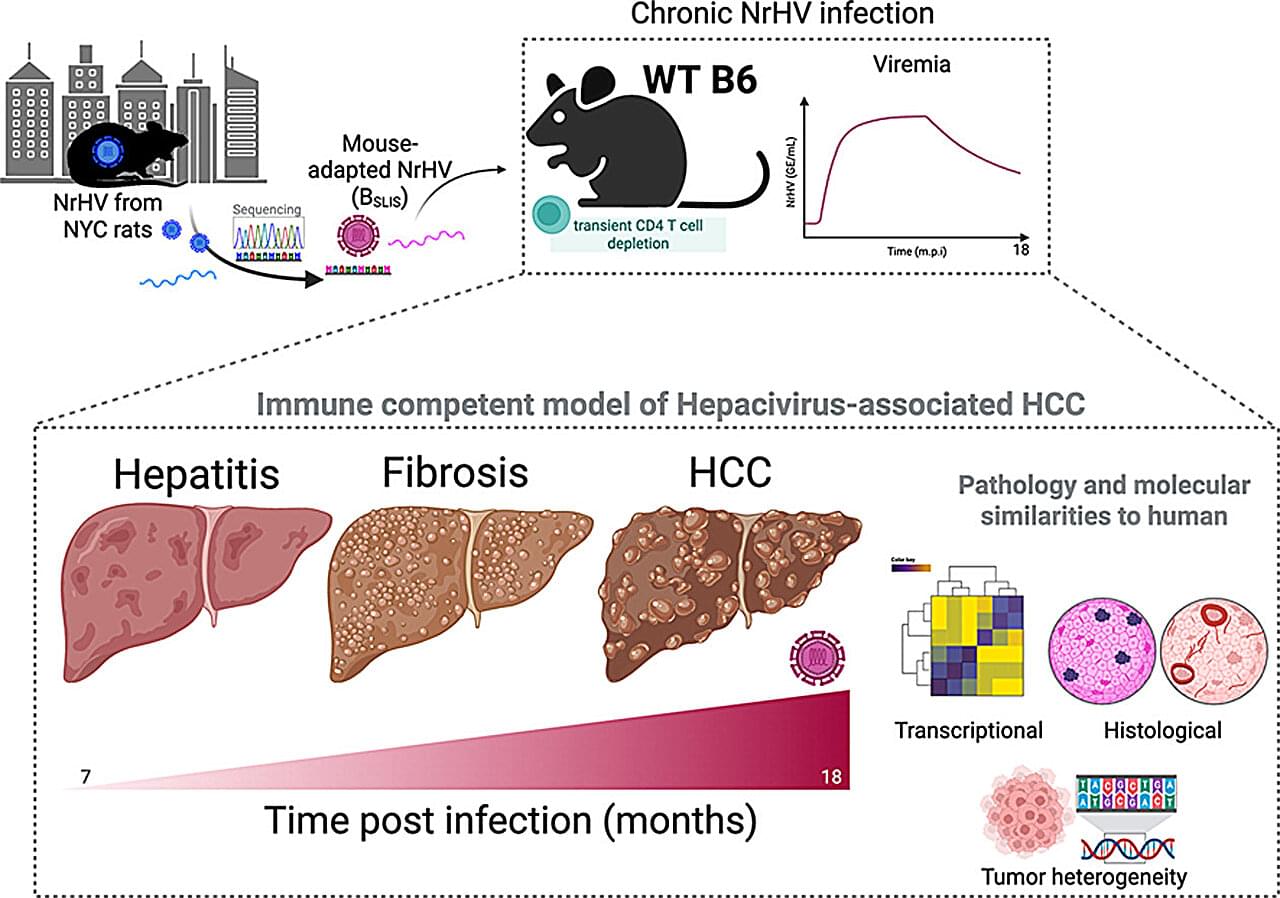
Liver cancer is one of the world’s deadliest cancers, and most cases are linked to chronic viral hepatitis. Yet scientists have lacked an animal model that faithfully recapitulates how the disease unfolds in people, from initial infection with a virus to liver inflammation, scarring, and cancer. Now, researchers at The Rockefeller University have developed that model, as described in the Journal of Hepatology.

By infecting ordinary laboratory mice with an engineered version of Norway rat hepacivirus (NrHV)—a close relative of hepatitis C virus (HCV)—and tracking the animals over 18 months, the team documented the progression from chronic viral hepatitis to spontaneous liver cancer.

“This model fills a critical gap that has long existed in the field,” says Charles M. Rice, whose Laboratory of Virology and Infectious Disease helmed the study. “For the first time, we have a system in which natural chronic viral infection drives liver cancer in an immunologically healthy animal, opening the door to studies and preclinical trials that simply weren’t possible before.”

Cellular and molecular mechanisms of astrocyte plasticity in learning and memory

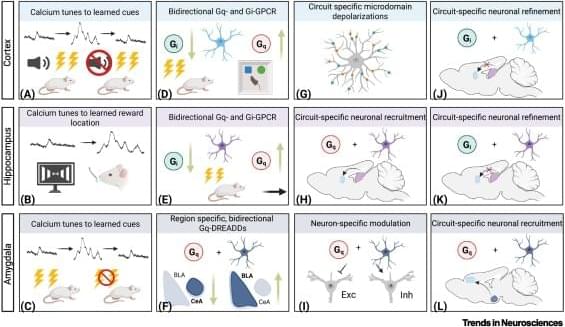
Astrocyte plasticity in learning and memory.

Neuronal hallmark features of learning and memory, such as activity dependent plasticity, circuit-level modulation, and gene regulatory mechanisms, are also observed in astrocytes.

Astrocytic calcium displays plastic, activity-dependent recruitment and refinement (akin to neuronal activity) across neuronal subtypes, brain regions, and behavioral paradigms, and Designer Receptors Exclusively Activated by Designer Drugs (DREADDs)-mediated manipulations highlight astrocytic recruitment of circuit-specific neurons.

Astrocyte peripheral processes display activity-dependent plasticity and are able to discriminate between neuronal subtypes, circuits, and even individual synapses.

Single-cell RNA sequencing reveals molecularly defined subtypes of astrocytes that display unique transcriptional responses to learning and memory and implicates potential ‘ensemble’-like networks of astrocytes. sciencenewshighlights ScienceMission https://sciencemission.com/astrocyte-plasticity


Learning and memory arise from coordinated activity-dependent plasticity across neural circuits and brain regions. Astrocytes are increasingly recognized as active contributors to learning and memory via their roles in sensing, integrating, and responding to contextual information. Astrocytes modulate synaptic transmission, engage in circuit-specific signaling, and display context-dependent calcium dynamics that influence behavior. In this review, we focus on astrocyte functions across rodent models that display plasticity traditionally ascribed to neurons, including activity-dependent molecular and structural plasticity, circuit-level modulation, ensemble-like networks, and transcriptional, translational, proteomic, and epigenetic plasticity.


First-in-class molecules dial down inflammation without compromising immunity

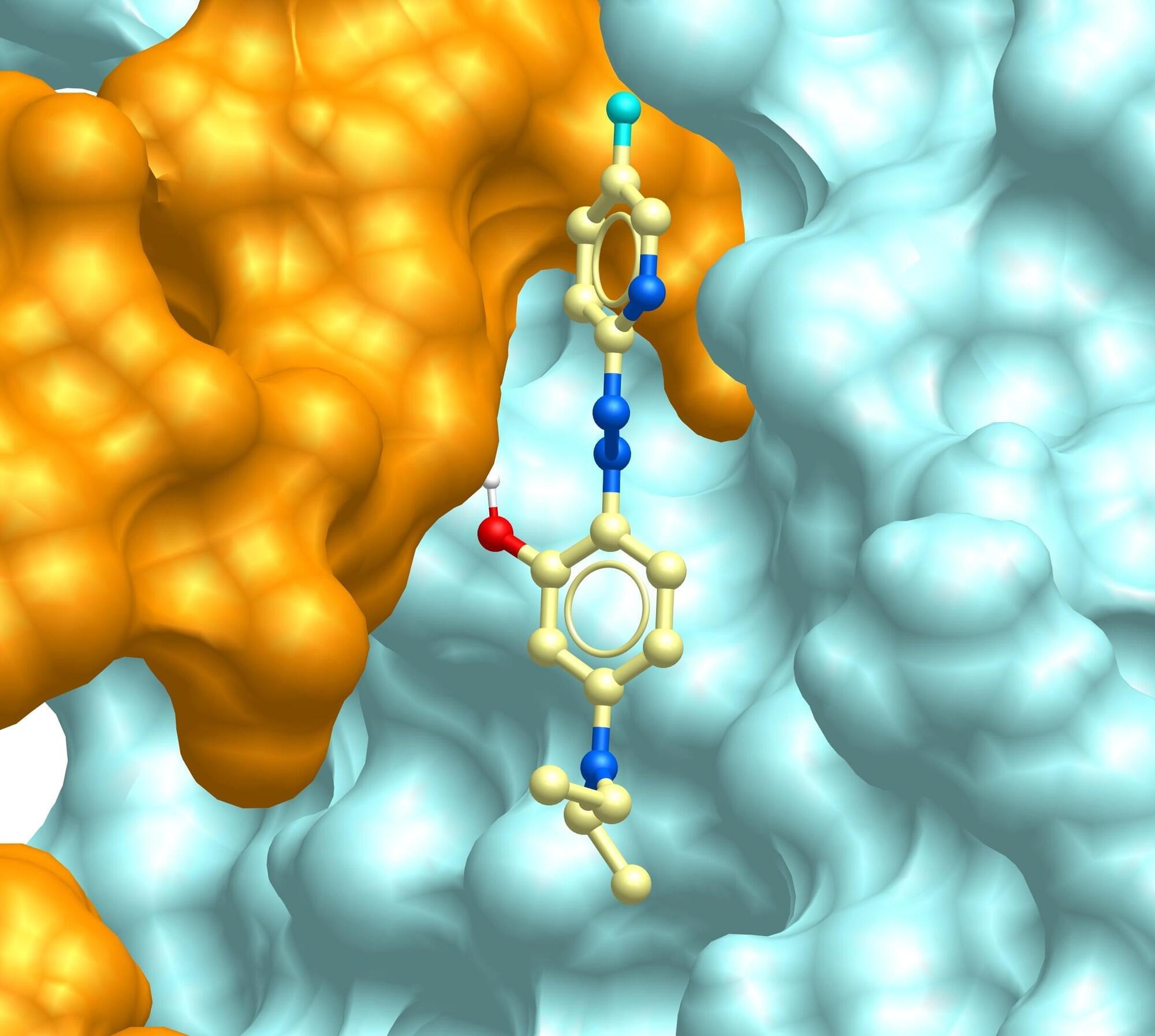
Scripps Research scientists have developed a new class of drug compounds that reduce harmful inflammation while leaving the body’s ability to fight infections intact—a long-sought goal in treating autoimmune diseases. The compounds, called ENDOtollins, work by interrupting a “molecular handshake” between two proteins inside immune cells. The research, published in Nature Chemical Biology, could lead to more targeted treatments for conditions like lupus, rheumatoid arthritis and juvenile arthritis, which together affect more than 15 million Americans.

“A key component of our approach is to begin by understanding the biological mechanisms at play,” says Sergio D. Catz, professor at Scripps Research and senior author. “By accomplishing this first, we can more easily target the pathway driving inflammation without affecting other important processes.”

/* */