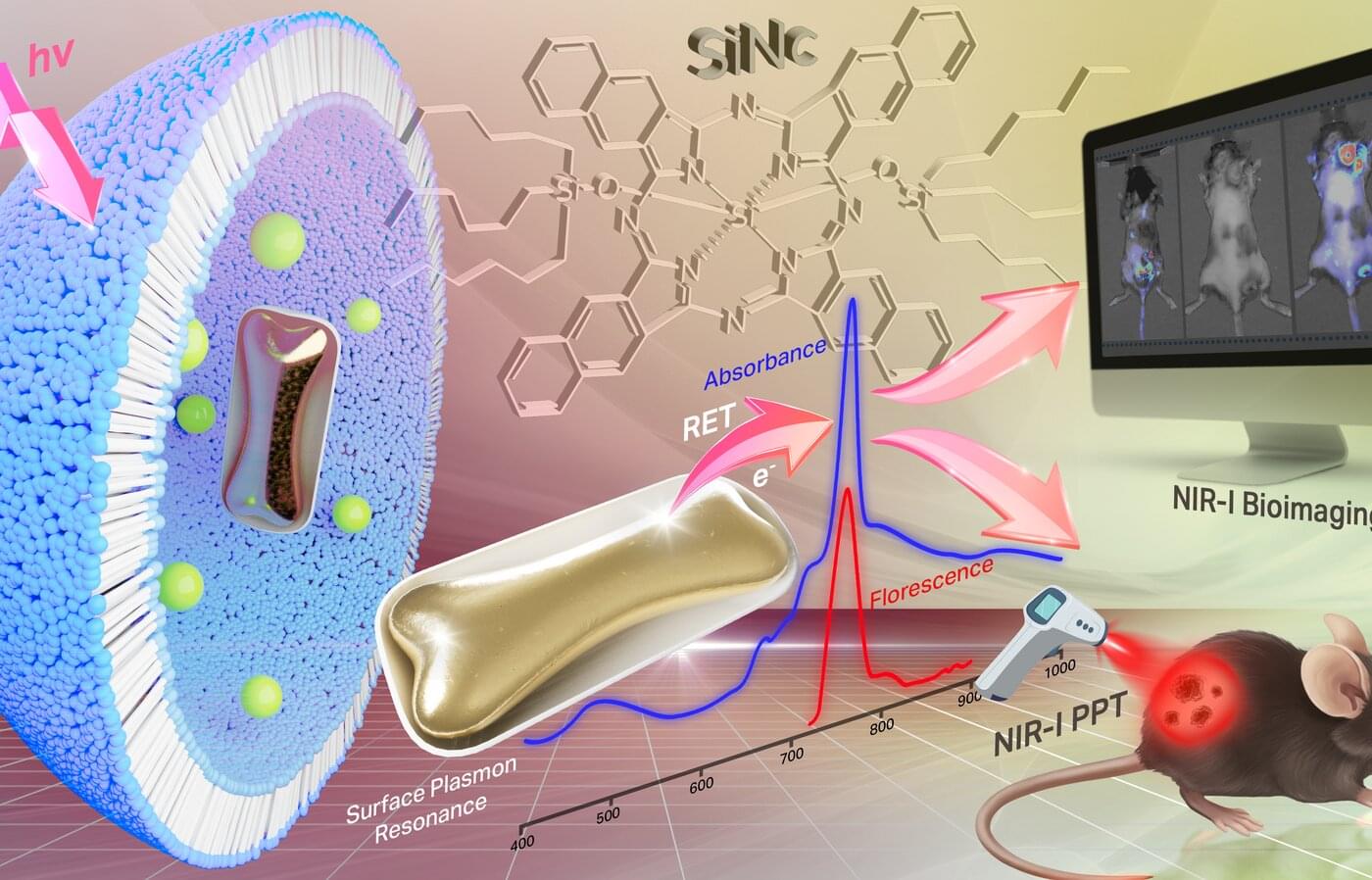
Researchers at Oregon State University have developed and tested in a mouse model a new type of nanoparticle that enables the removal of melanoma tumors with a low-power laser. After the systemically administered nanoparticles accumulate in cancerous tissue, exposure to near-infrared light causes them to heat up and destroy the melanoma cells, leaving healthy tissue unharmed.
The study led by Olena Taratula and Prem Singh of the Oregon State University College of Pharmacy represents a huge step toward solving a persistent problem with using photothermal therapy to treat melanoma, the deadliest form of skin cancer: Conventional nanoparticles require lasers with power densities that are unsafe for the skin. Findings were published in Advanced Functional Materials.
Taratula, associate professor of pharmaceutical sciences, and Singh, a postdoctoral researcher in Taratula’s lab, based their new theranostic platform —it can be used for both treatment and diagnosis—on gold nanorods. The nanorods are coated with an iron-cobalt shell and tightly loaded with a dye that heats up upon exposure to near-infrared light—invisible, low-frequency radiation able to penetrate deeply into human tissue.