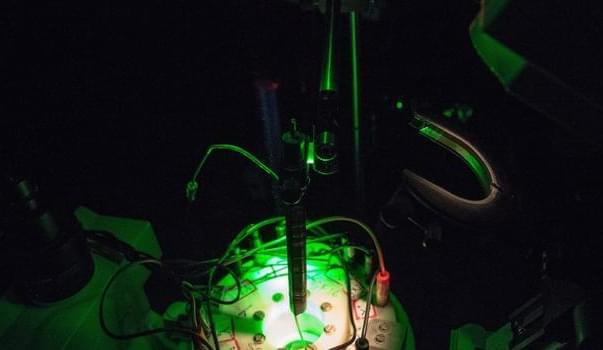
Researchers developed a magnetically controlled microbot system that can precisely steer quantum sensors inside living cells.

(Science fiction’s “warp drive” is speeding closer to reality.)
Inspired by science fiction, they landed on “quantum teleportation.” Since then, the idea has gone from theoretical concept to an experimentally verified reality. The first experiments in the late 1990s showed that quantum states could be transmitted across short distances, while subsequent research proved it works across increasingly longer distances—even to and from low Earth orbit, as Chinese scientists demonstrated in 2017. They’ve achieved quantum teleportation by taking advantage of quantum entanglement, a natural phenomenon in which tiny particles can become linked with each other across infinite distances.
Quantum teleportation is very different from the teleportation of matter we see in fiction. It involves transferring a quantum state without moving any matter. And while experts say it won’t lead to Star Trek-esque beaming, it could help bring about a new era of computing that revolutionizes our understanding of the subatomic world—and by extension, of the nature of the universe and everything within it.
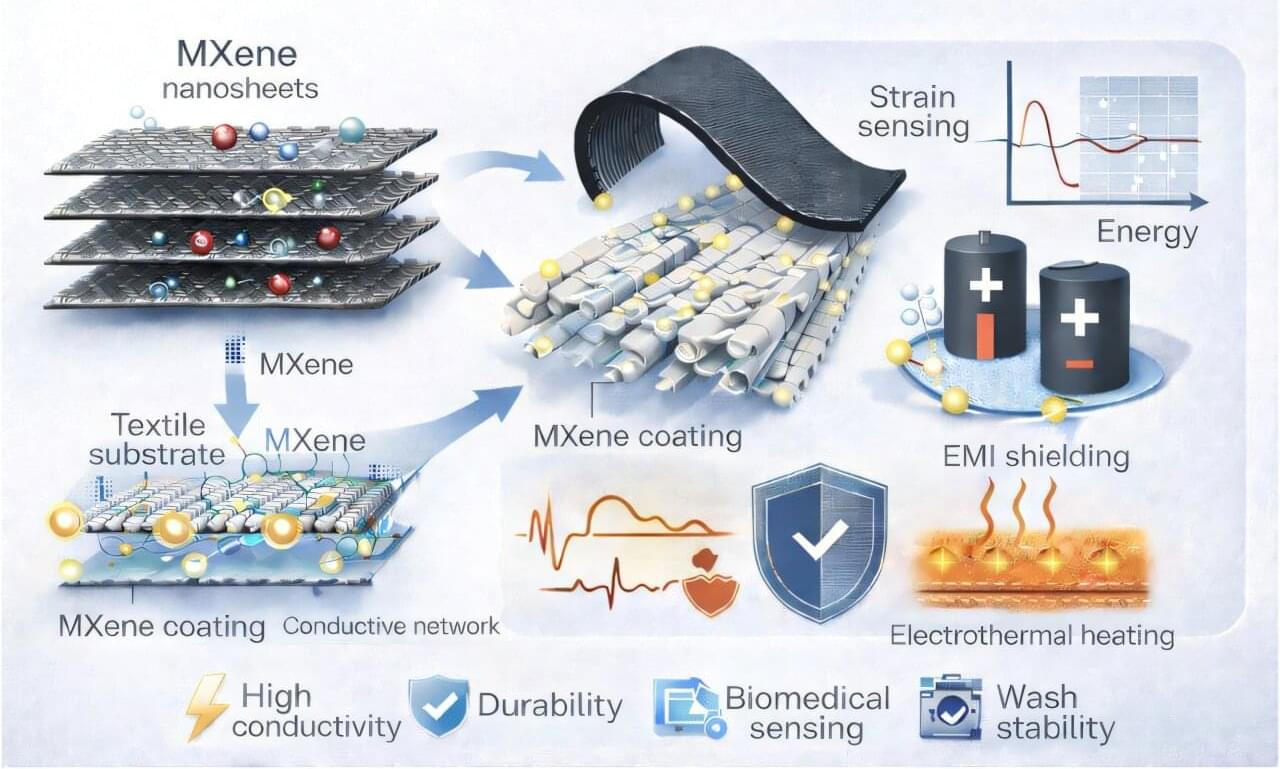
You’re probably used to the sight of smartwatches on people’s wrists. But what about smart clothes? Researchers at the University of Georgia are exploring how the clothes people wear can potentially track and protect their health. Smart textiles are fabrics that can monitor the body’s vitals and movement in real time. They’re flexible and lightweight, making them more comfortable to wear while moving.
The present publication focuses on MXenes, a class of two-dimensional, microscopic materials made from metals that can be coated or printed onto fabrics. The researchers conducted a comprehensive analysis of hundreds of published studies to examine the different properties of MXenes and how they could be used in smart textiles. The paper is published in the journal ACS Omega.
“MXenes have some advanced properties,” said Joyjit Ghosh, corresponding author of the study and a doctoral student in UGA’s College of Family and Consumer Sciences. Not only can they detect body temperature, blood pressure and heart rate, he said, but they are also antimicrobial, making them ideal for hospital settings.
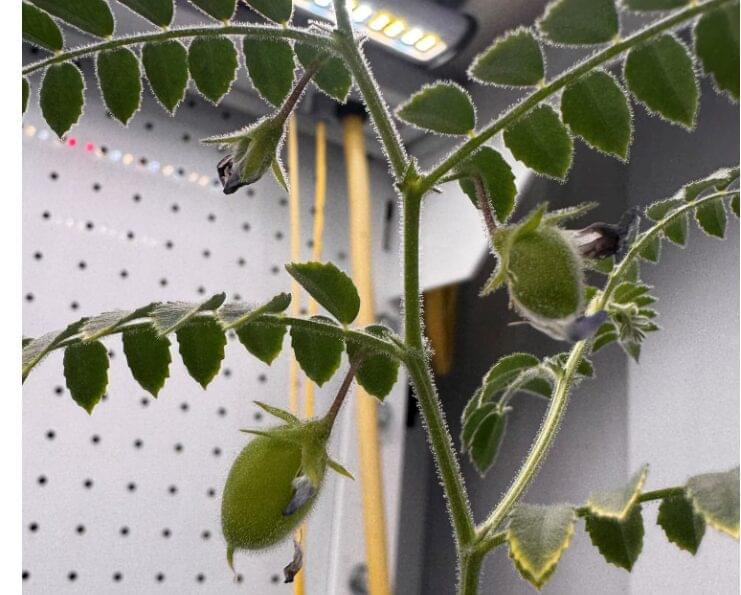
As the U.S. plans to return to the moon with the upcoming Artemis II mission, a question endures: What will future lunar explorers eat? According to new research from The University of Texas at Austin, the answer might be chickpeas.
Scientists have successfully grown and harvested chickpeas using simulated “moon dirt,” the first instance of this crop produced in this medium. The research, which was conducted in collaboration with Texas A&M University, is described in a paper published in the journal Scientific Reports.
Sara Santos, the principal investigator of the project, said that the work is a giant leap in understanding what it will take to grow food on the lunar surface.

Neurotechnology pioneers @gcourtine and @jocelynebloch are redefining what recovery looks like for people with spinal cord injuries. With a combination of neurosurgery, innovative engineering and AI,…
Year 2025
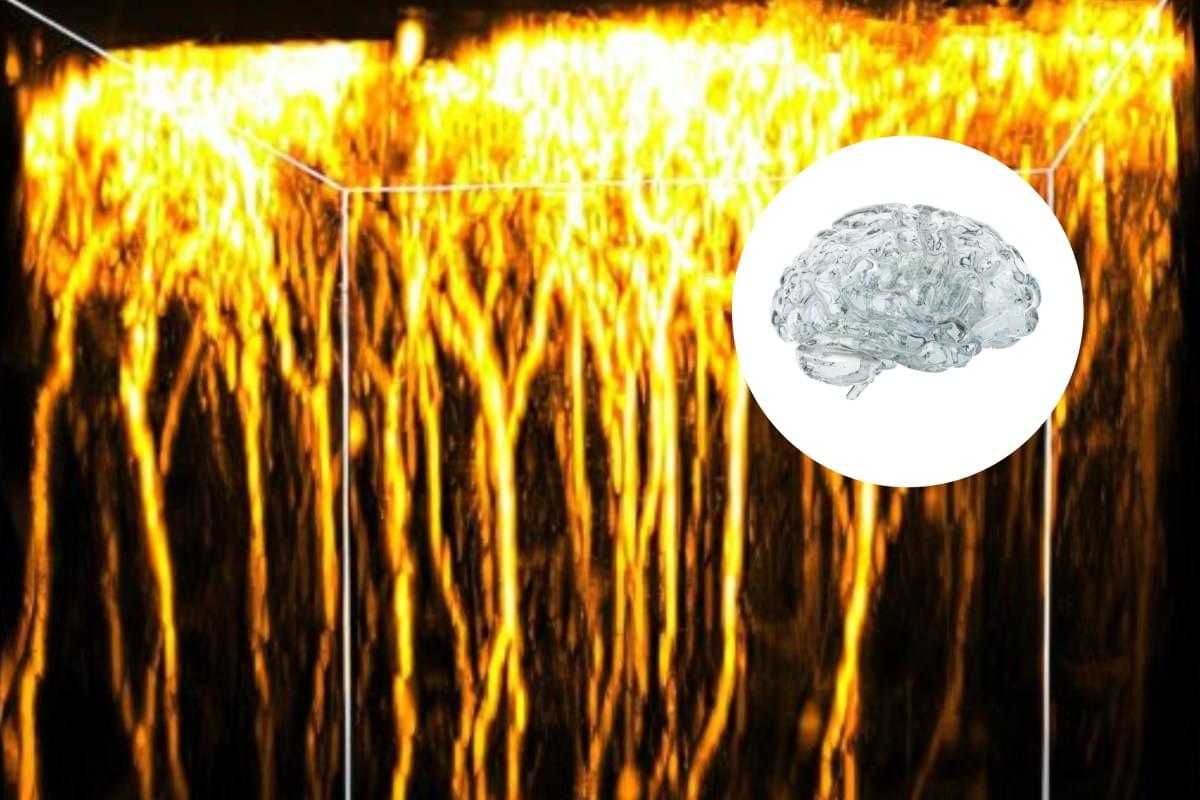
Cryopreserving the adult brain is challenging due to damage from ice formation, and traditional freezing methods fail to maintain neural architecture and function. Vitrification offers a promising alternative but has not been surveyed in the brain. Here, we demonstrate near-physiological recovery of the adult murine hippocampus after vitrification of brain slices and of the whole brain in situ. Key features of the hippocampus are preserved, including structural integrity, metabolic responsiveness, neuronal excitability, and synaptic transmission and plasticity. Notably, hippocampal long-term potentiation was well preserved, indicating that the cellular machinery of learning and memory remains operational. These findings extend known biophysical limits for cerebral hypothermic shutdown by demonstrating recovery after complete cessation of molecular mobility in the vitreous state. This suggests that the brain can be arrested in time and then reactivated, opening avenues for potential clinical applications.
Significance Statement While the brain is considered exceptionally sensitive, we show that the hippocampus can resume normal electrophysiological activity after being rendered completely immobile in a cryogenic glass. The work extends known biophysical tolerance limits for the brain from the hypothermic to the cryogenic range and establishes a protocol for its long-term storage in a viable state.
The authors have declared no competing interest.
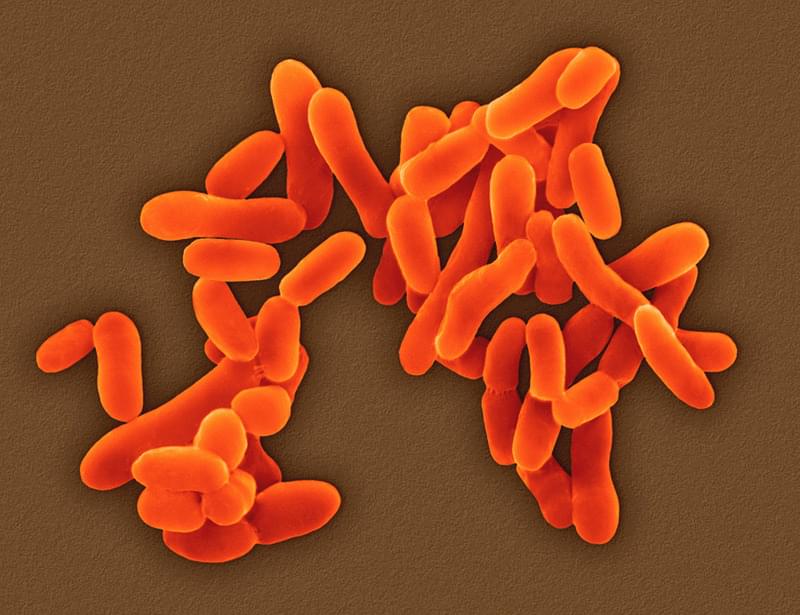
Mycobacterium tuberculosis (M.tb) is a bacterial pathogen that has evolved in humans, and its interactions with the host are complex and best studied in humans.
Myriad immune pathways are involved in infection control, granuloma formation, and progression to tuberculosis (TB) disease. Inflammatory cells, such as macrophages, neutrophils, conventional and unconventional T cells, B cells, NK cells, and innate lymphoid cells, interact via cytokines, cell-cell communication, and eicosanoid signaling to contain or eliminate infection but can alternatively mediate pathological changes required for pathogen transmission. Clinical manifestations include pulmonary and extrapulmonary TB, as well as post-TB lung disease.
Risk factors for TB progression, in turn, largely relate to immune status and, apart from traditional chemotherapy, interventions primarily target immune mechanisms, highlighting the critical role of immunopathology in TB.
Maintaining a balance between effector mechanisms to achieve protective immunity and avoid detrimental inflammation is central to the immunopathogenesis of TB. Many research gaps remain and deserve prioritization to improve our understanding of human TB immunopathogenesis.
Learn more in Science Immunology on WorldTBDay.
The balance between protective and pathological immune responses shapes progression of Mycobacterium tuberculosis infection.