“There are no plans for ESRB to allow any factors outside the content and context of a game to influence the age rating,” says organisation

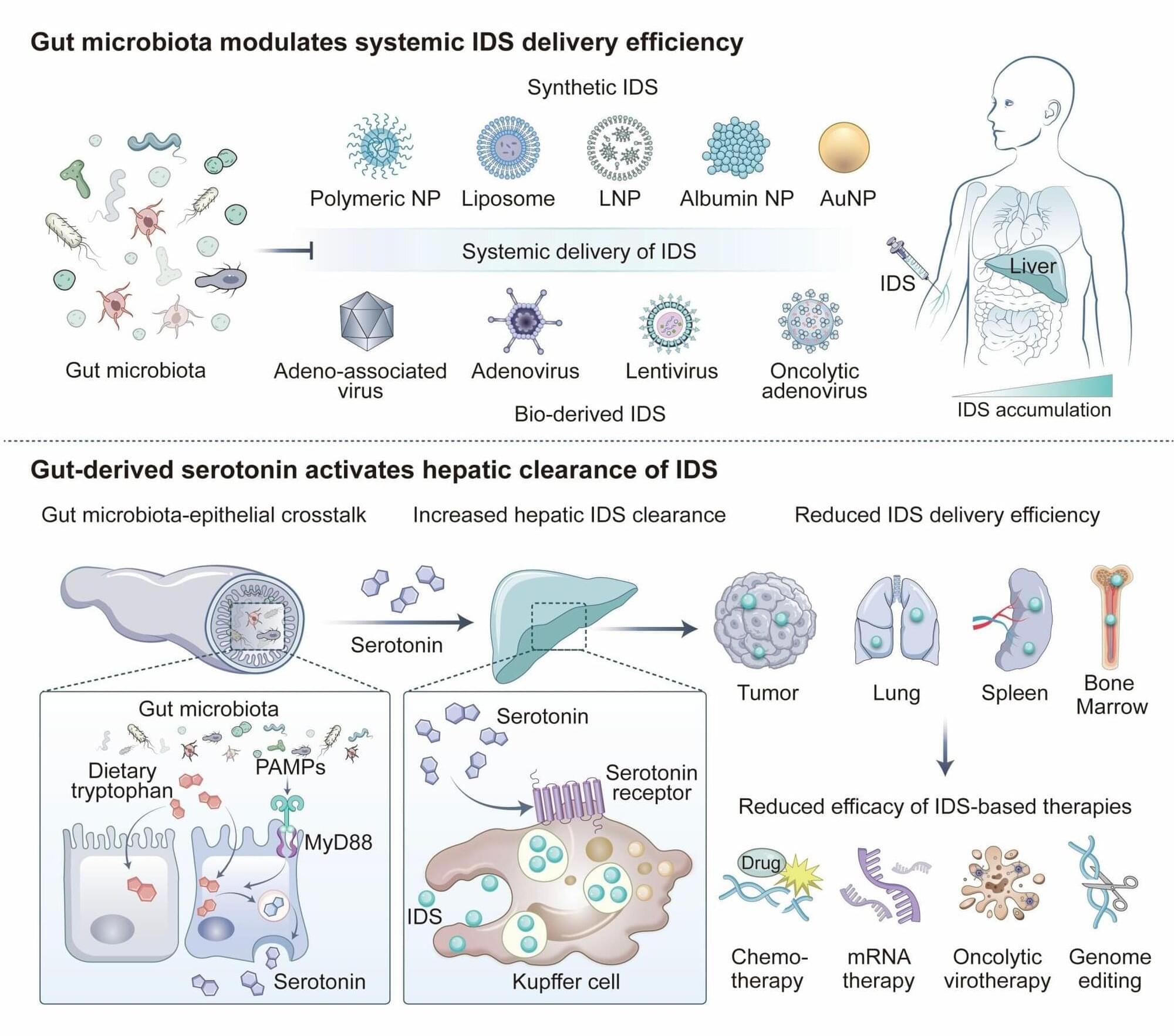
A new study has for the first time elucidated the gut-liver immune regulatory axis jointly maintained by intestinal commensal bacteria and the intestinal endocrine system, and uncovered the fundamental mechanism underlying the body’s nonspecific clearance of drug delivery carriers. It provides a universal solution to the core problem plaguing the delivery field for decades, significantly improves the delivery efficiency and therapeutic effect of tumor-targeted therapy, mRNA therapy, gene editing and other treatments, and blazes a new trail for the clinical translation of biomedical delivery technologies.
The research team led by Professors Wang Yucai, Zhu Shu and Jiang Wei from the University of Science and Technology of China (USTC) published their research paper titled “Commensal-driven serotonin production modulates in vivo delivery of synthetic and viral vectors” in Science on March 19.
An exploration of the question of what happens when a back hole evaporates and ultimately what that means for the end of the universe, and what that end might be like.
My Patreon Page:
/ johnmichaelgodier.
My Event Horizon Channel:
/ eventhorizonshow.
Music:
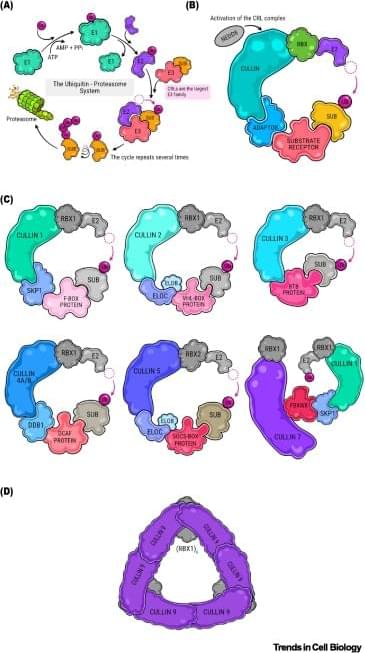
The researchers present the first integrative catalogue of 267 cullin–RING substrate receptors, of which 93 are linked to germline disorders.
The most frequent substrate receptor (SR)-related diseases are neurodevelopmental, neuromuscular, and congenital organ/skeletal syndromes.
Disease associations are shaped by substrate context rather than tissue enriched expression.
Pathogenicity arises through altered degron recognition, disrupted complex assembly, dosage imbalance, or ubiquitin–proteasome system-independent functions.
Distinct variants in the same SR can yield divergent phenotypes, reflecting dosage sensitivity and developmental context.
Patient alleles inform diagnosis and therapeutic strategies, positioning SRs as central nodes connecting proteostasis, rare-disease genetics, and targeted protein degradation. sciencenewshighlights ScienceMission https://sciencemission.com/Cullin%E2%80%93RING-receptors
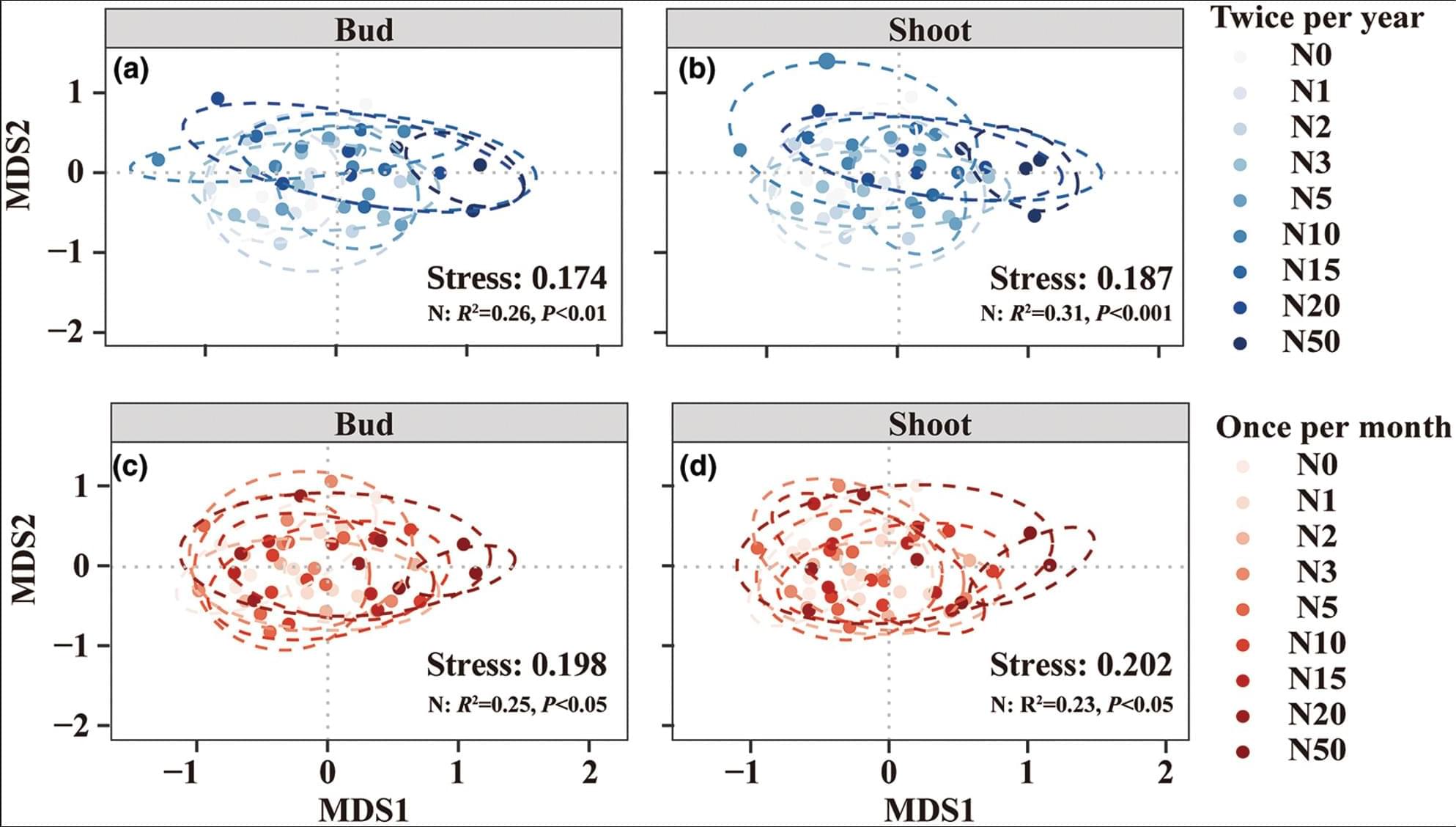
Cyanobacteria and algae are the major photosynthetic organisms in deserts because they survive desiccation, high solar radiation and extreme temperature fluctuations better than other plants. Under favourable conditions, desert cyanobacteria and algae evidently photosynthesise. However, our understanding of whether each group modulates this metabolic process in response to preceding harsh conditions remains limited. To find out the effect of aridity on the photosynthetic activity of desert cyanobacteria and algae, we compared their cellular biovolume-specific carbon dioxide (CO2) fixation in the hyper-arid and arid regions of a typical hot desert—the central Negev Desert. We found that the biovolume-specific CO2 fixation of both cyanobacteria and algae was highly variable rather than being constant.
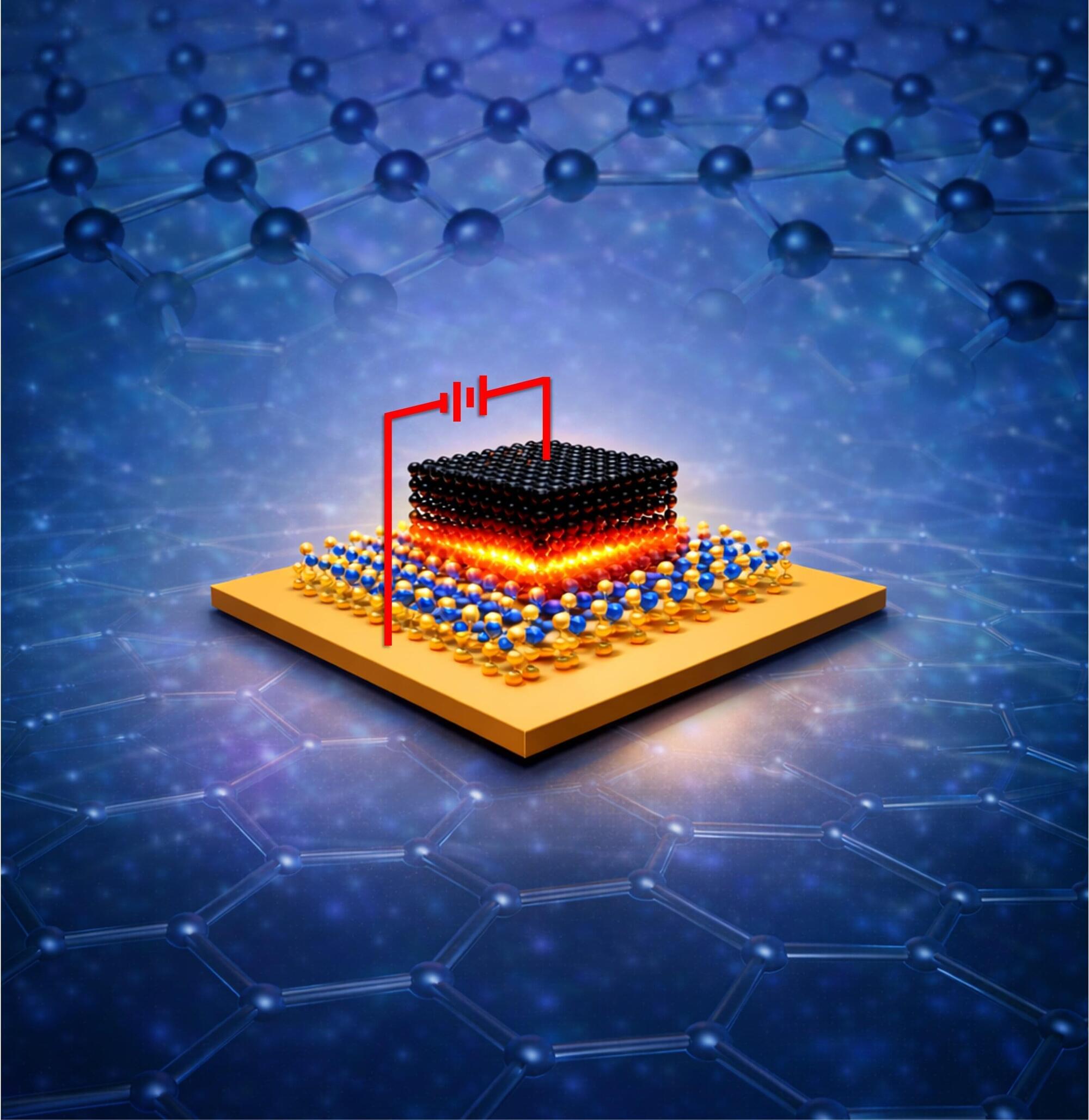
The high-performance semiconductor devices powering smartphone displays, AI computing, EV batteries and more are increasingly incorporating 2D materials to overcome silicon’s scaling limits. To optimize these technologies, a University of Michigan Engineering team developed a precise mathematical framework that accounts for anisotropic—or unevenly spreading—conductivity and device geometry.
Accurate models of how currents move through anisotropic thin films, made of layered 2D materials, can enable the design of more reliable, high-performance nanoelectric devices. Specifically, the model can help engineers reduce current crowding and spreading resistance, essentially current traffic jams, that occur at vertical electrical contacts that connect with the top of a 2D surface. The study is published in ACS Applied Electronic Materials.