Toggle light / dark theme

Get the latest international news and world events from around the world.

Log in for authorized contributors

Myocarditis and look-alikes: when the diagnosis matters

Myocarditis is an inflammatory disease of the heart muscle that can be triggered by various causes, including viruses, autoimmune response, molecular mimicry and exposure to immune-stimulating drugs or vaccines. Most cases of myocarditis heal, and cardiac dysfunction, if present, recovers; however, selected forms may require targeted therapy to improve outcomes. We herein review five conditions presenting with or mimicking myocarditis that require targeted diagnostic approaches, including endomyocardial biopsy, and/or targeted treatments. Giant cell myocarditis is an intense and unresolving inflammation of the heart, characterised by rapid progression, significant arrhythmias, heart failure and shock, that is unlikely to resolve without immunosuppression therapy.

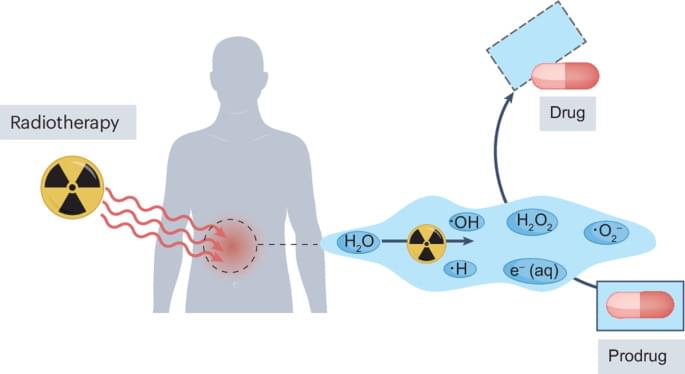
The role of ionizing radiation-initiated reactions in targeted activation of chemotherapeutics

This Review explores how ionizing radiation triggers drug release via water radiolysis, detailing reactive species, drug activation mechanisms and strategies for designing radiation-sensitive prodrugs and nanocarriers to enhance chemoradiation therapy with reduced systemic toxicity.

Chemical recycling of imine-linked covalent organic frameworks

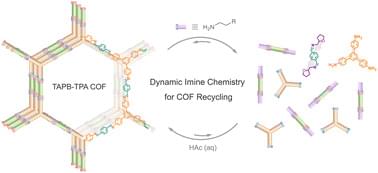
Imine-linked covalent organic frameworks (COFs) have been explored for various applications; however, chemical recycling of end-of-life COFs is an undeveloped area of research. Here, we report closed-loop recycling methods for imine-linked COFs, realizing their chemical depolymerization and reconstruction through d.

Variant Resolution Through RNA Testing and Affected Tissue Analysis in the NeurofibromatosesA Case Series

Abstract. The heart, a vital organ, works without interruption and constantly adjusts to the ever-changing demands on our body. It adapts to physiological and pathological changes, including exercise and emotional state, as well as metabolic, respiratory, and vascular abnormalities. The pumping action of the heart is determined by the health of the myocardium, which undergoes changes with ageing that are both under-investigated and incompletely understood, potentially impacting our approach to pathological conditions. Here, the alterations in cellular, tissue, and gross physiological function of the heart with age are discussed. At the molecular level, non-coding RNAs influence cellular senescence, and extracellular vesicles induce fibrosis through matrix remodelling. Mitochondrial dysfunction and altered fatty acid oxidation reduce cellular energetics, whilst accumulation of reactive oxygen species and steatosis, as well as telomere shortening coupled with reduced autophagy, limit the myocardium’s regenerative capability. Loss of cardiomyocytes, combined with senescence, requires compensatory hypertrophy, inducing myocardial stiffness and altered muscle function. In addition to these direct alterations in myocardial characteristics with ageing, other factors that can affect the myocardium indirectly are addressed, including valve calcification, resulting in regurgitation and/or stenosis; vascular abnormalities, reducing compliance and exacerbating hypertension; fibrosis leading to cardiac arrhythmias; and autonomic dysregulation, reducing cardiac adaptability. Finally, potential modulation of cardiac ageing is discussed whilst also addressing which senescent modifications should be considered as ageing-related physiological changes of the myocardium. A better understanding of myocardial ageing will differentiate physiological changes from early, preventable, and reversible pathological changes, consequently helping to optimize management of individuals with or at risk of myocardial disease by taking into account diverse trajectories of myocardial ageing.

Effect of Tocilizumab on Pro–B-Type Natriuretic Peptide and Infarct Size in Patients With Acute Myocardial Infarction at Risk of Cardiogenic Shock (DOBERMANN-T)

Early IL-6 receptor inhibition with tocilizumab in AMI patients at increased risk of CS safely suppressed systemic inflammation but had an inconclusive effect on NT-proBNP, with a trend toward a favorable effect that did not reach statistical significance. No difference in LV infarct size as assessed with CMR was observed compared with placebo. JACC CRT2026.


The Journal of the American College of Cardiology (JACC) stands as a leading global resource for impactful cardiovascular research, delivering essential peer-reviewed articles and crucial clinical practice guidelines. Gain access to authoritative medical content and vital CME resources designed to advance cardiovascular medicine and improve heart patient outcomes.

Beyond silicon: An indium selenide roadmap for ultra-low-power AI and quantum computing

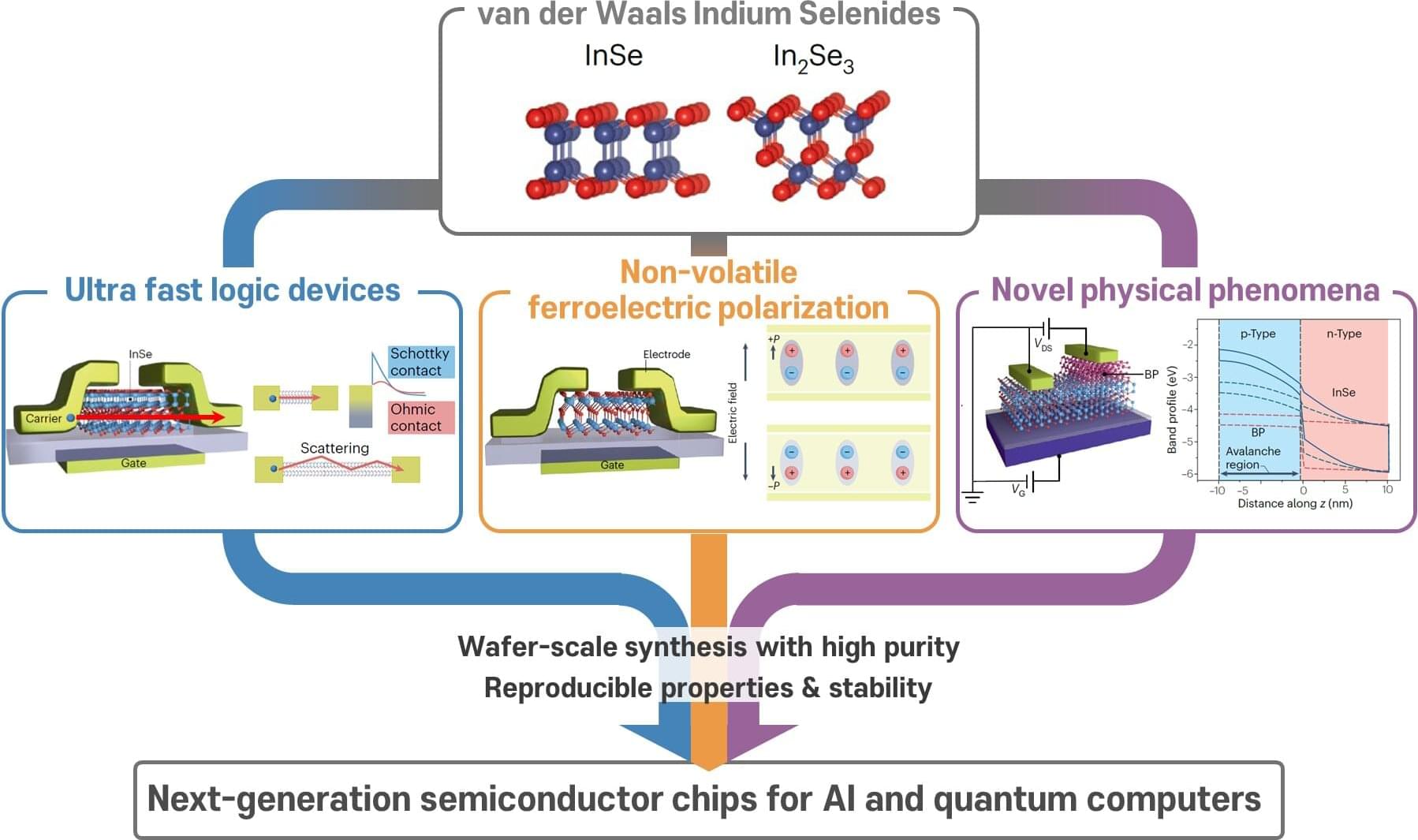
A research team led by Prof. Seunguk Song from the Department of Energy Science at Sungkyunkwan University (SKKU), in collaboration with the Institute for Basic Science (IBS), the University of Pennsylvania, and the U.S. Air Force Research Laboratory, has developed a comprehensive technical roadmap for two-dimensional (2D) indium selenides (InSe)—a key material for next-generation low-power and quantum computing.

The study, titled “Indium selenides for next-generation electronics and optoelectronics,” was published in Nature Reviews Electrical Engineering. This research provides a deep dive into the physical properties and device applications of 2D quantum semiconductors, which are viewed as a definitive alternative to silicon as it reaches its physical scaling limits.

As current silicon-based semiconductors shrink to the sub-nanometer scale, they face critical hurdles such as surging power consumption, overheating, and leakage current. To address these challenges, Professor Song’s team focused on InSe, an atomically thin material.

A perfectly balanced atom just broke one of nuclear physics’ biggest rules

Physicists have discovered a surprising new “Island of Inversion” in a place no one expected: among nuclei where the number of protons equals the number of neutrons. For decades, these strange regions—where atomic nuclei abandon their usual orderly structure and become strongly deformed—were thought to exist only in highly neutron-rich isotopes far from stability. But experiments on molybdenum isotopes revealed that molybdenum-84 behaves dramatically differently from its close neighbor molybdenum-86, even though they differ by just two neutrons.

Scientists Shocked to Find Two Hidden Species for Every One We Know

Scientists may have been dramatically undercounting the number of vertebrate species on Earth. A large analysis of more than 300 studies suggests that for every recognized species of fish, bird, mammal, reptile, or amphibian, there may be two additional “cryptic” species that look almost identica

/* */