Toggle light / dark theme

Get the latest international news and world events from around the world.

Log in for authorized contributors

149 Hacktivist DDoS Attacks Hit 110 Organizations in 16 Countries After Middle East Conflict

“The hacktivist threat in the Middle East is highly lopsided, with two groups, Keymous+ and DieNet, driving nearly 70% of all attack activity between February 28 and March 2,” Radware said in a Tuesday report. The first distributed denial-of-service (DDoS) attack was launched by Hider Nex (aka Tunisian Maskers Cyber Force) on February 28, 2026.

According to details shared by Orange Cyberdefense, Hider Nex is a shadowy Tunisian hacktivist group that supports pro-Palestinian causes. It leverages a hack-and-leak strategy combining DDoS attacks with data breaches to leak sensitive data and advance its geopolitical agenda. The group emerged in mid-2025.

In all, a total of 149 hacktivist DDoS claims were recorded targeting 110 distinct organizations across 16 countries. The attacks were carried out by 12 different groups, including Keymous+, DieNet, and NoName057(16), which accounted for 74.6% of all activity.

Bitwarden adds support for passkey login on Windows 11

Bitwarden announced support for logging into Windows 11 devices using passkeys stored in the manager’s vault, enabling phishing-resistant authentication.

The new feature is available for all plans, including the free tier, and allows logging into Windows by selecting the security key option and scanning a QR code with a mobile device to confirm access to the passkey stored in the Bitwarden encrypted vault.

Bitwarden is an open-source password and secrets manager that can store account passwords, passkeys, API keys, credit card details, identity data, and private notes.

Windows 10 KB5075039 update fixes broken Recovery Environment

Microsoft has released the KB5075039 Windows Recovery Environment update for Windows 10 to fix a long-standing issue that prevented some users from accessing the Recovery environment.

The Windows Recovery Environment (WinRE) is a minimal troubleshooting environment used to repair or restore the operating system after it fails to start, to diagnose crashes, or to remove malware.

In October 2025, Microsoft confirmed that the KB5066835 Patch Tuesday updates broke USB mouse and keyboard input when using the Windows 11 Recovery Environment, making it difficult for many to use the troubleshooting tool.

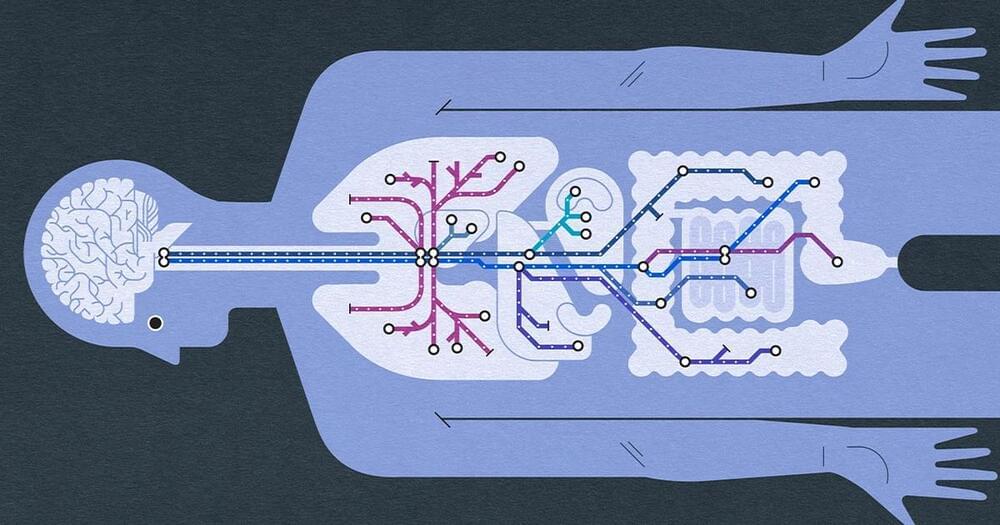
Cell types: encoding the brain’s BIOS

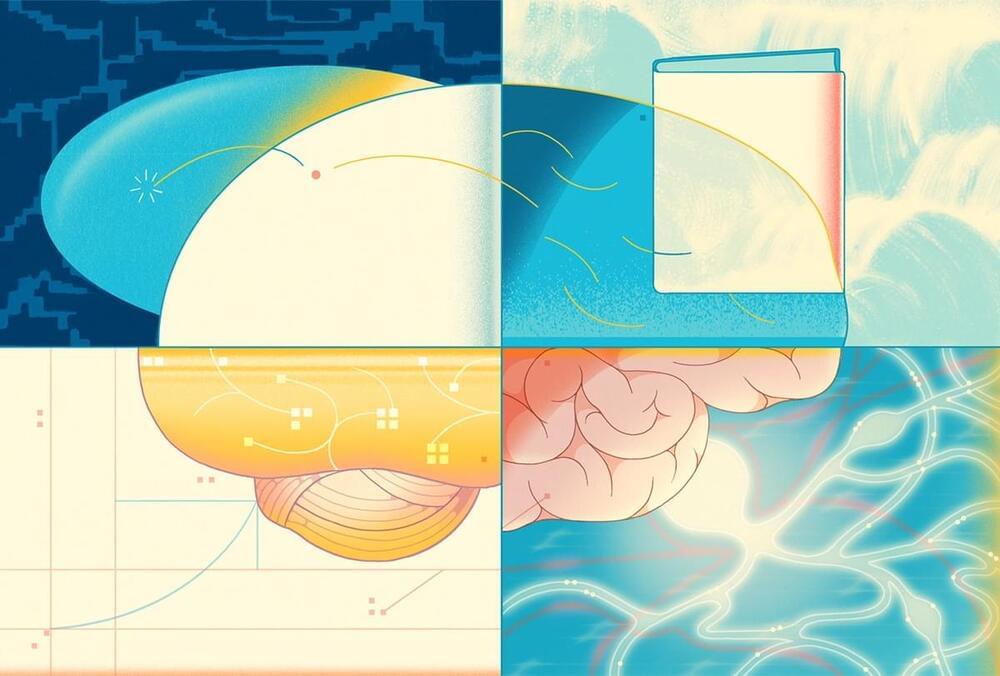
Excellent Substack writeup by Patrick Mineault on how cell types may specify innate behaviors and why mapping regions of the brain specialized to steer innate behaviors (via lots of distinct cell types) could lead us to more aligned AI systems. Highly convincing and elegant arguments made here! [ https://substack.com/home/post/p-189321289](https://substack.com/home/post/p-189321289)


Dwarkesh seemed very confused by this, asking a few different times: “Why would each reward function need a different cell type?” I empathize with Dwarkesh here! It is mysterious that a cell type could represent something as abstract as a reward. As a computational neuroscientist who mostly worked at the representation level during my PhD, I’ve leaned historically towards thinking of cell types as a mere “implementation detail”. But over conversations with Adam, Steve Byrnes, Paul Cisek, Tony Zador, and a few others, I’ve started to become convinced that cell types are a really useful lens to think about innate behaviors and rewards.

In this essay, I’ll unpack the conversation and answer the question: what do cell types have to do with reward functions? To answer it, we’ll need to understand what kind of information can be encoded in the genome, and how that information ultimately relates to connectomes and to cell types. I’ll connect the answer to the central claim of Adam: that these connections matter for AI, and AI safety in particular.

Andrew Barto and colleagues make the point that all primary rewards are internal, and must be genetically encoded. In reinforcement learning, which Barto co-developed along with Rich Sutton, an agent learns by receiving reward signals that indicate what is good and bad. The critical insight is that for biological organisms, all of these reward signals are internal —they are generated by the organism’s own nervous system. It is not a chunk of steak that gives reward: it is circuitry inside the brain that assigns positive valence to fat, salt, umami, heat, and texture. Things like money—secondary rewards—must be bootstrapped off of the pre-existing primary rewards.

Debugging a quantum processor: New method pinpoints qubit errors during logical operations

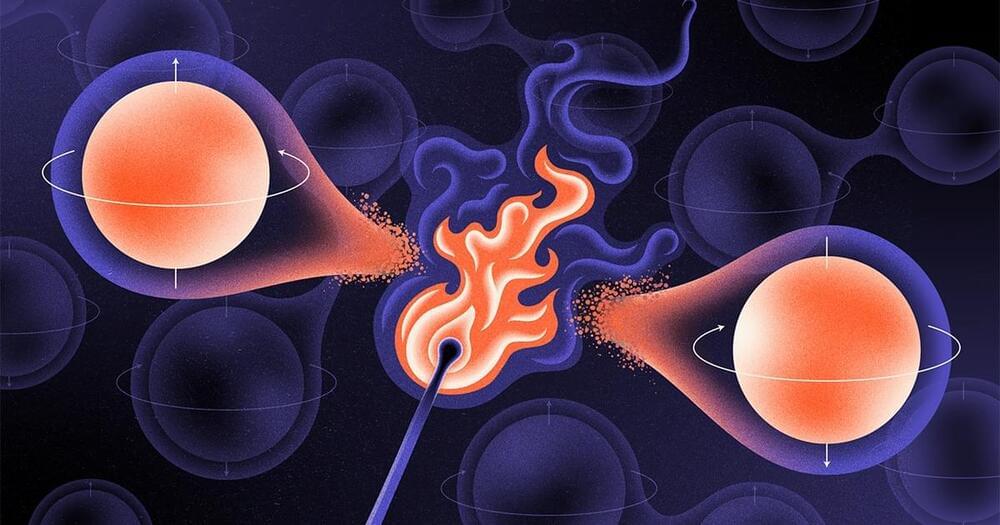
Researchers at the University of Innsbruck, together with partners from Sydney and Waterloo, have presented a new diagnostic method for quantum computers. It makes errors in individual quantum bits visible during logical calculation and evaluates them. The new method was demonstrated on an ion trap quantum processor in Innsbruck. It can be used to identify critical error sources—a key to developing more robust, fault-tolerant quantum processors.

In Physical Review X, the researchers present a scalable method that can be used to reliably characterize logical quantum operations at the level of the underlying quantum bits. Cycle error reconstruction identifies which physical errors influence the performance of logically encoded gates.

“With cycle error reconstruction, we can quantitatively capture the error structure and clearly distinguish between correctable and uncorrectable contributions,” says first author Robert Freund from the Department of Experimental Physics.

Unbalanced chromatin binding of Polycomb complexes drives neurodevelopmental disorders

Neurodevelopmental disorders from Polycomb complex missense mutations.

The causes of many neurodevelopmental disorders (NDDs) is yet to be determined.

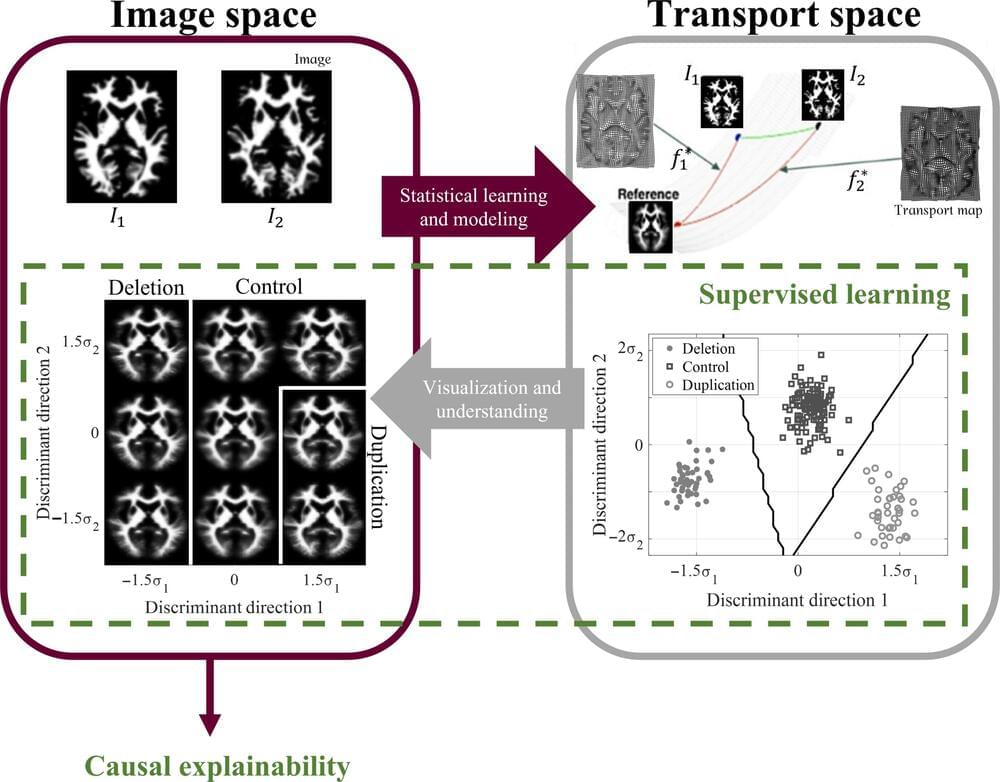
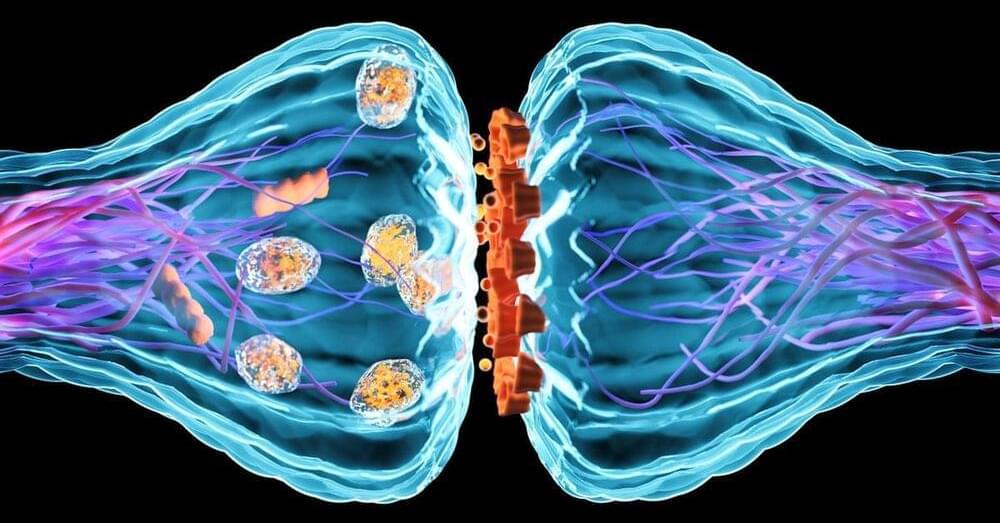
The researchers report new missense mutations in the Polycomb repressive complex 1 (PRC1) E3 ligases RNF2 and RING1 in individuals with neurodevelopmental disorders.

Functional dissection of a deleterious variant reveals that balanced co-recruitment of Polycomb complexes to chromatin is essential for proper neurogenesis and for normal brain function and behavior. sciencenewshighlights ScienceMission https://sciencemission.com/Polycomb-complexes-drives-NDDs


Borges, González-Blanco, Arigela, et al. report new missense mutations in the PRC1 genes RNF2 and RING1 in individuals with neurodevelopmental disorders. Functional dissection of a deleterious variant reveals that balanced co-recruitment of Polycomb complexes to chromatin is essential for proper neurogenesis and for normal brain function and behavior.

/* */