Toggle light / dark theme

Get the latest international news and world events from around the world.

Log in for authorized contributors

Chronic Rhinosinusitis Tied to Increased Cancer Risk

Chronic rhinosinusitis may be linked to an increased risk for cancer, according to a study of patients in Asia.

The study found that chronic rhinosinusitis was linked to an 18% increased risk for cancer in Korean patients and a 63% increased risk for cancer in patients from Japan. The results provide the first large-scale evidence for an association between chronic rhinosinusitis and the risk for cancer, suggesting a possible role for cancer surveillance in patients with the inflammatory condition, researchers said.


Results from Asia suggest chronic rhinosinusitis is associated with an increased risk for cancer, but whether these results apply to the US population remains uncertain.
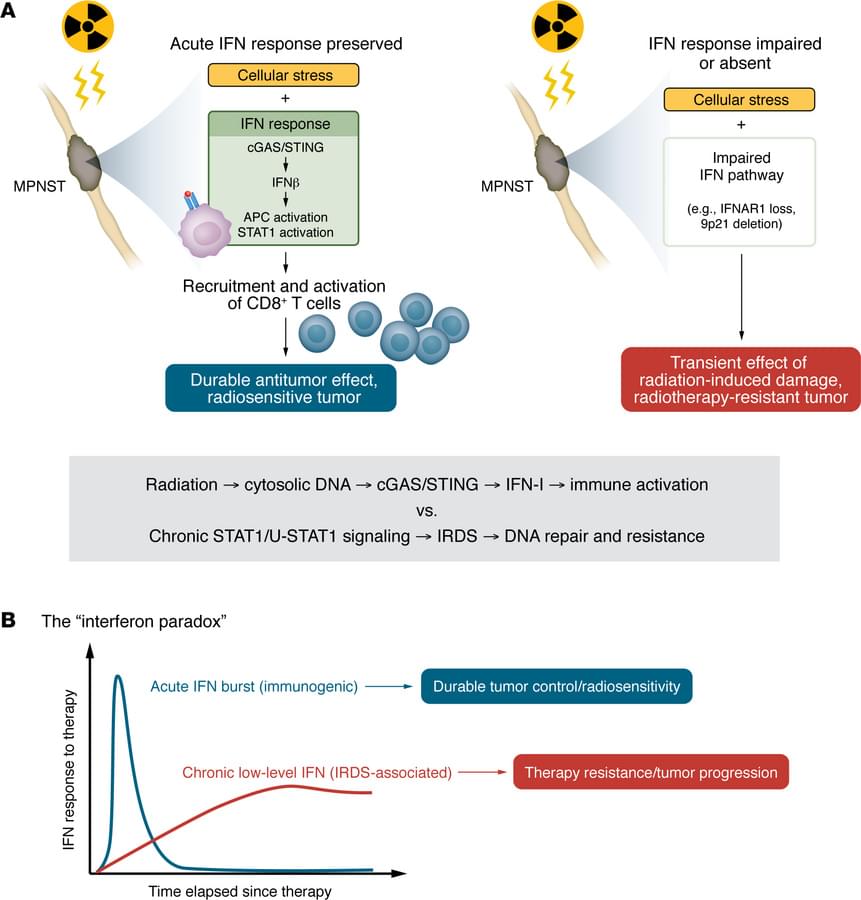

Abstract: IFN signaling at the nexus of the radiotherapy response in malignant peripheral nerve sheath tumors:

Sean P. Pitroda & Ralph R. Weichselbaum provide a Commentary on Iowis Zhu et al.: https://doi.org/10.1172/JCI195652


Address correspondence to: Ralph Weichselbaum, Department of Radiation and Cellular Oncology, The University of Chicago, 5,758 S. Maryland Ave., Chicago, Illinois 60,637, USA.

Find articles by Pitroda, S. in: | Google Scholar

Department of radiation and cellular oncology, the university of chicago, chicago, illinois, USA.

How Multi-Cancer Early Detection Is Reshaping Oncology — Dr. Tomasz Beer, MD — Exact Sciences

With Dr. Tomasz (Tom) Beer MD – Chief Medical Officer for MCED at Exact Sciences

From precision oncology pioneer to leading the shift toward population-scale early detection via blood-based tech. The future of cancer care: intercepting it before it’s too late.


Dr. Tomasz Beer, MD is a nationally recognized medical oncologist and clinical research leader who serves as Chief Medical Officer for Multi-Cancer Early Detection at ‪@ExactSciences‬ Corporation (https://www.exactsciences.com/), a molecular diagnostics company focused on the eradication of cancer by preventing it, detecting it earlier, and guiding personalized treatment.

Before joining Exact Sciences, Dr. Beer spent decades at the forefront of academic oncology, including serving as Deputy Director of the Oregon Health & Science University (OHSU) Knight Cancer Institute, where he helped build one of the country’s leading precision cancer programs.

A prostate cancer specialist by training, Dr. Beer has led numerous clinical trials, authored hundreds of peer-reviewed publications, and been a driving force in advancing biomarker-guided cancer therapy. His career has spanned the evolution of oncology—from empiric chemotherapy to precision medicine and now toward population-scale cancer detection.

Microsoft becomes first company to say it is not ‘abandoning’ Anthropic; company says: Our lawyers have studied that …

The TOI Tech Desk is a dedicated team of journalists committed to delivering the latest and most relevant news from the world of technology to readers of The Times of India. TOI Tech Desk’s news coverage spans a wide spectrum across gadget launches, gadget reviews, trends, in-depth analysis, exclusive reports and breaking stories that impact technology and the digital universe. Be it how-tos or the latest happenings in AI, cybersecurity, personal gadgets, platforms like WhatsApp, Instagram, Facebook and more; TOI Tech Desk brings the news with accuracy and authenticity.

Scientists Successfully Transfer Longevity Gene, Paving the Way for Extending Human Lifespan

A gene borrowed from the naked mole rat, an animal famous for extraordinary longevity and disease resistance, helped mice live a little longer and stay healthier, pointing to a surprising biological “export” of longevity traits across species.

How bacteria may promote breast cancer

Researchers at the Johns Hopkins Kimmel Cancer Center have discovered how certain pathogenic bacteria in gut and breast tissue can promote breast cancer development and progression by hijacking a key metabolic enzyme known as spermine oxidase (SMOX). In a study led by Dipali Sharma, Ph.D., professor of oncology, investigators found that exposure to pathogenic bacteria such as Bacteroides fragilis, Fusobacterium nucleatum, and Escherichia coli significantly increased SMOX activity, leading to DNA damage, tumor growth, and metastasis in laboratory and animal models of breast cancer.

The work, published in Cancer Research, reveals a novel link between microbial dysbiosis—the imbalance of good and harmful bacteria—and breast cancer, and identifies SMOX as a potential therapeutic target.

“Microbes don’t just reside in our gut. They can directly influence cancer behavior,” says Sharma. “We found that an overabundance of certain pathogenic bacteria triggers inflammation and activates SMOX, producing reactive oxygen species that damage DNA and fuel tumor growth. By blocking SMOX, we were able to dramatically reduce tumor formation in our preclinical models.”

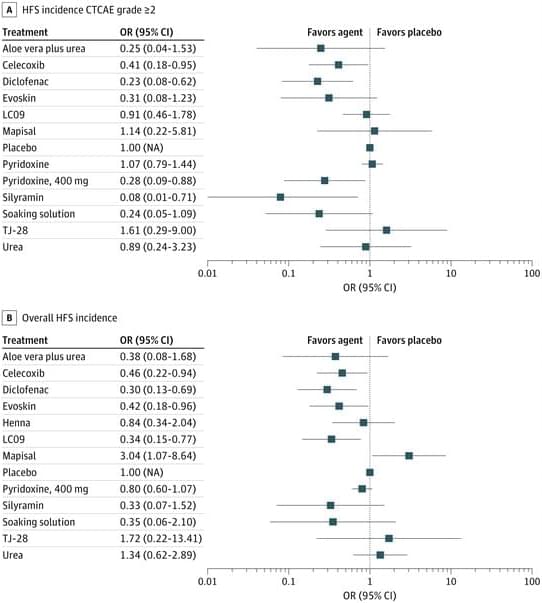
Preventing Hand-Foot Syndrome in Patients With Cancer: A Systematic Review and Network Meta-Analysis

In this systematic review and network meta-analysis, diclofenac and silymarin were the most effective preventive strategies for hand-foot syndrome in patients with cancer, with silymarin requiring confirmation in a larger randomized trial.

Diclofenac emerged as the agent with the best overall supporting evidence, informed by both effect estimates and study quality.


Question Which of the prophylactic agents for treating chemotherapy-induced hand-foot syndrome (HFS) is the most effective for preventing clinically significant HFS in patients with cancer?

Findings In this systematic review and network meta-analysis of 17 randomized clinical trials including 2,192 patients, topical diclofenac, silymarin, 400-mg pyridoxine, and celecoxib significantly reduced the incidence of grade 2 or higher HFS compared with placebo; diclofenac and celecoxib were also effective in reducing overall HFS incidence.

Meaning These findings indicate that diclofenac is the prophylactic agent with the best supporting evidence for prevention of HFS in patients with cancer.

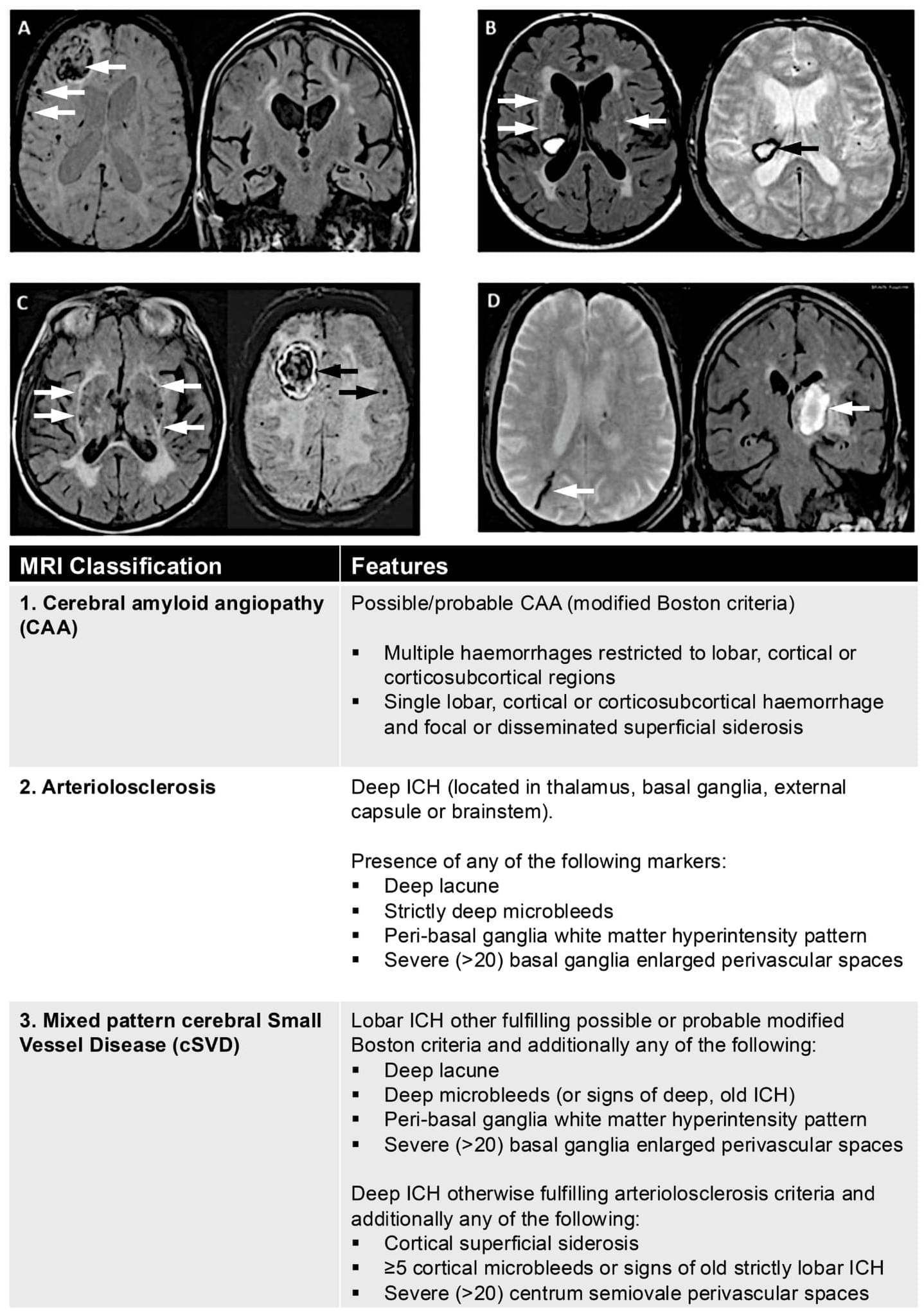
Cardiac Structure Relates to Hemorrhagic Cerebral Small Vessel Disease Phenotype

In patients with hemorrhagic cerebral small vessel disease, left ventricular mass is associated with MRI markers of arteriolosclerosis. @UCLStrokeRes


BackgroundMost intracerebral hemorrhages (ICH) are caused by 1 of 2 cerebral small vessel diseases (cSVDs): arteriolosclerosis and cerebral amyloid angiopathy (CAA). Hypertension is a major risk factor for ICH, but its contribution to the hemorrhagic manifestations of these arteriopathies remains uncertain. We investigated associations between a cardiac structural biomarker of systemic hypertension (left ventricular mass [LVM]) and cSVD neuroimaging phenotype in patients with ICH.

/* */