Toggle light / dark theme

Get the latest international news and world events from around the world.

Log in for authorized contributors

Superconducting chip generates tunable terahertz waves for compact imaging

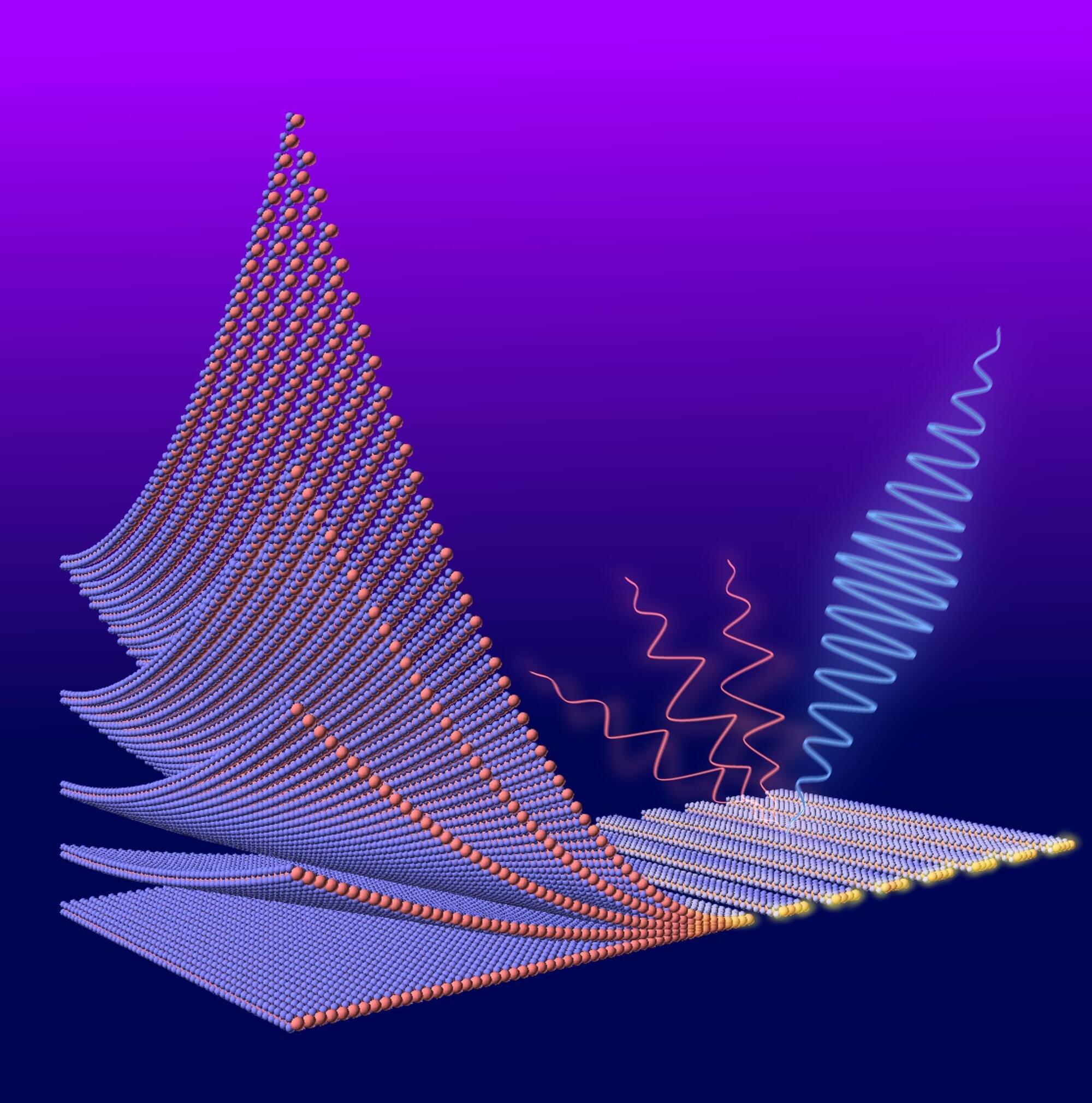
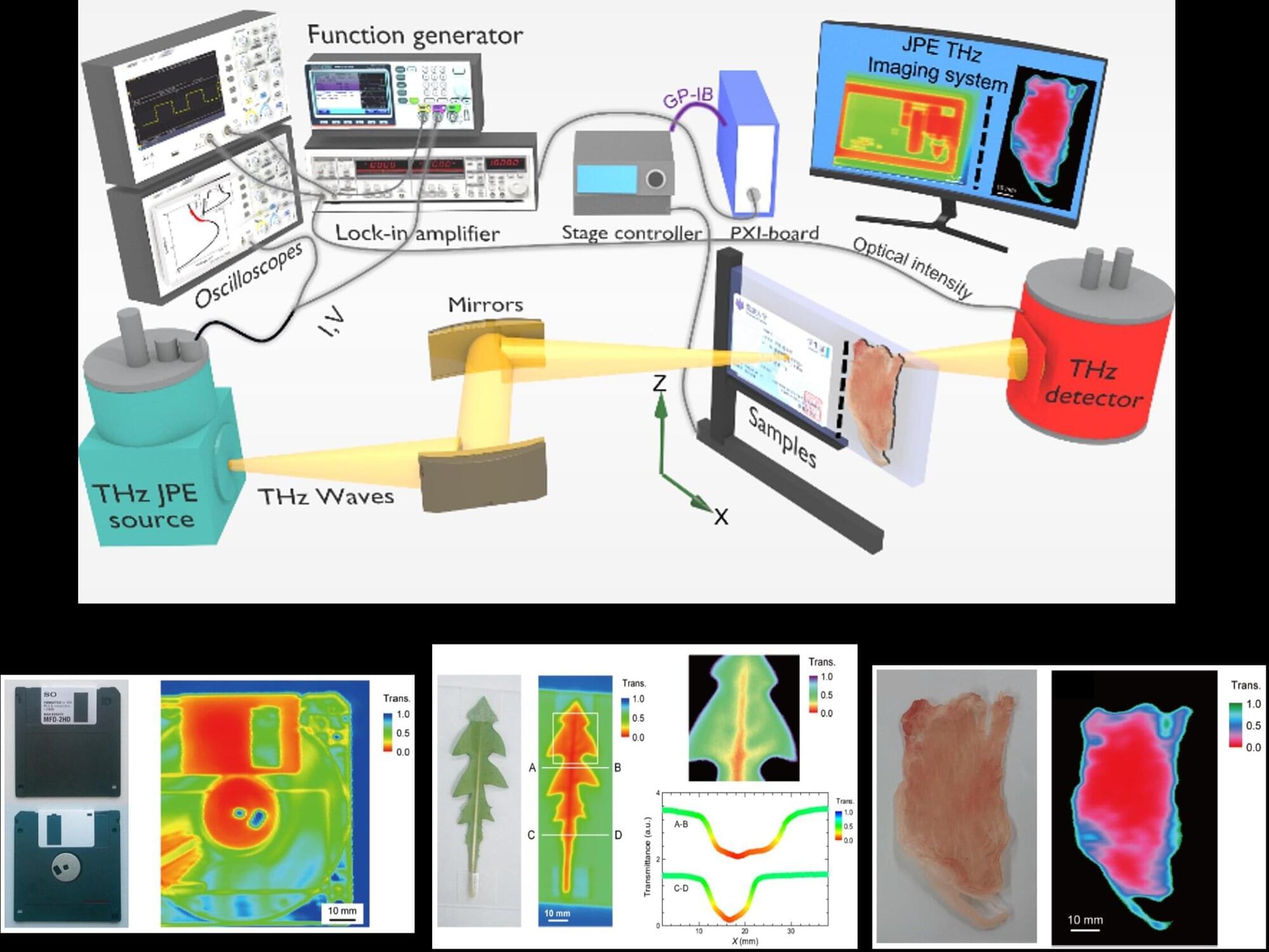
A tiny crystal chip which uses terahertz radiation to see clearly through a wide range of materials could find applications in health care, biological research, and security screening. Researchers from Scotland and Japan have developed a lightweight superconducting chip, which they say could unlock the full potential of terahertz imaging technologies and lead to the development of more powerful and portable devices.

The team’s paper, titled “Terahertz Imaging System with On-Chip Superconducting Josephson Plasma Emitters for Nondestructive Testing,” is published in IEEE Transactions on Applied Superconductivity.

Terahertz radiation lies between the microwave and infrared frequencies of the electromagnetic spectrum. It passes easily and harmlessly through a wide range of materials, and can be used to identify the characteristic “fingerprint” of molecules and biological materials as it does so, allowing them to be detected and analyzed.
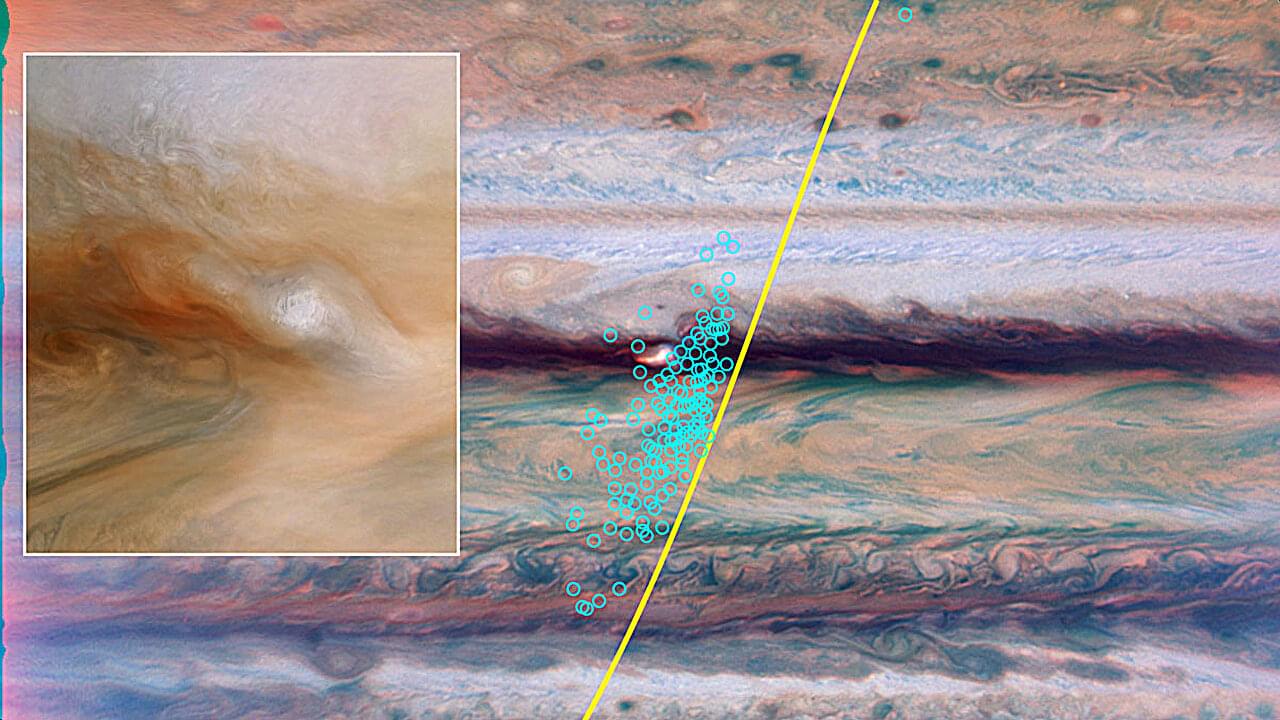
Stealth superstorms reveal lightning on Jupiter: Beyond the superbolt

Jupiter’s lightning has long been of interest to planetary scientists, as it marks stormy spots where researchers can look to learn more about convection in Jupiter’s atmosphere. Observing lightning from a distance can be tricky, so scientists have focused on the bolts that are easiest to study: strong flashes that strike at night. As a result, some studies have concluded that lightning bolts on Jupiter are all similar to the strongest lightning on Earth, known as “superbolts.” This conclusion was recently questioned, however, when the high-sensitivity star tracker camera on NASA’s Juno spacecraft detected faint, shallow lightning.

For a study published in AGU Advances, Michael Wong and colleagues took a closer look, focusing on a period in 2021 and 2022 when lightning in Jupiter’s North Equatorial Belt was highly localized within powerful, isolated storms the researchers labeled “stealth superstorms.” This unusual meteorology allowed researchers to pinpoint the location of lightning more accurately.

Instead of looking only at visible light, the scientists used data from the Microwave Radiometer instrument and the Waves experiment—radio wave detectors carried by Juno, which has been orbiting Jupiter for the past 10 years. Radio waves are just one form of electromagnetic radiation produced by lightning, but they’re an especially informative form because scientists can study them even when clouds or other components of the atmosphere block visual cues. The approach allowed the researchers to look beyond the strong nocturnal bolts other researchers have focused on.

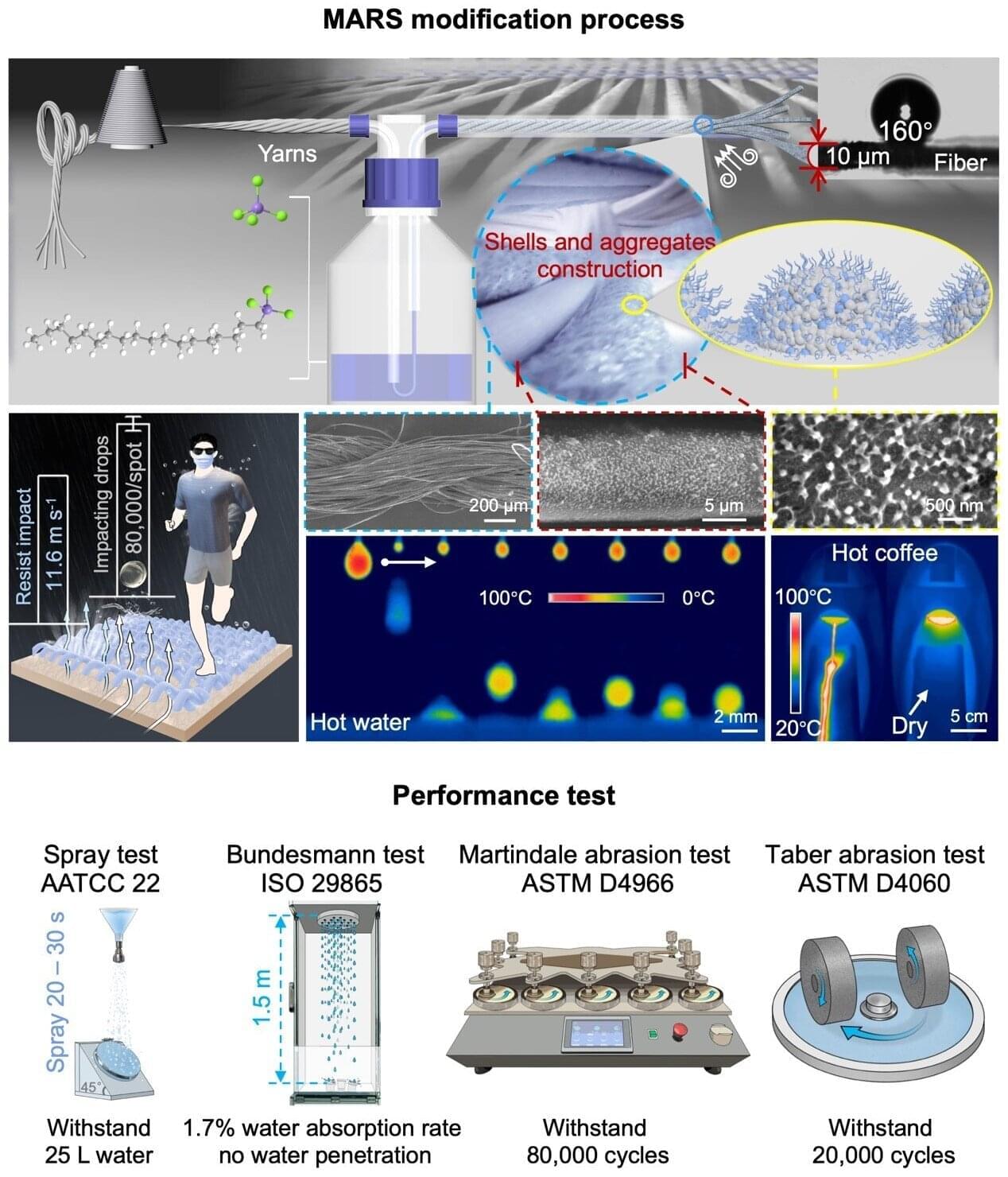
One-step coating keeps fabrics superhydrophobic after tens of thousands of abrasion cycles

Developing robust water-repellent textiles is critical for outdoor, protective, and industrial applications. However, achieving long-lasting water repellency under mechanical stress has been a major challenge.

Now, a research team led by Prof. Dong Zhichao from the Technical Institute of Physics and Chemistry of the Chinese Academy of Sciences has developed a new one-step fabrication strategy—termed MARS (Molecularly Assembled Robust Superhydrophobic Shell)—for producing superhydrophobic fabrics with stable mechanical performance under harsh conditions.

The findings were published in Nature Communications on March 20.

Scientists Identified a Speech Trait That Foreshadows Cognitive Decline

Early signs of Alzheimer’s disease may be hidden in the way a person speaks, but it’s not yet clear which details of our diction are most critical for diagnosis.

A study from 2023 suggests that as we age, how we say something may matter more than what we say. Researchers at the University of Toronto think the pace of everyday speech may be a better indicator of cognitive decline than difficulty finding a word.

“Our results indicate that changes in general talking speed may reflect changes in the brain,” said cognitive neuroscientist Jed Meltzer when the research was published.

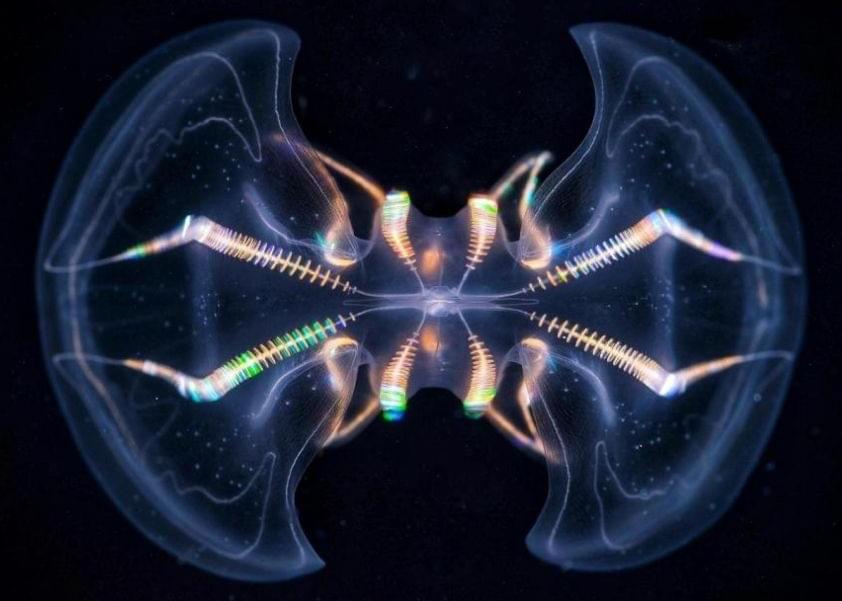
The Comb Jelly ‘Brain’ Is Far More Complex Than We Ever Realized

Comb jellies – very simple, gelatinous creatures best-known for their hypnotic underwater light shows – first appeared in Earth’s oceans around 550 million years ago.

For a long time, biologists have kind of considered them the living embodiment of ‘no thoughts, head empty’

But a new study suggests their central sensory organ is far more complex and brain-like than we realized.

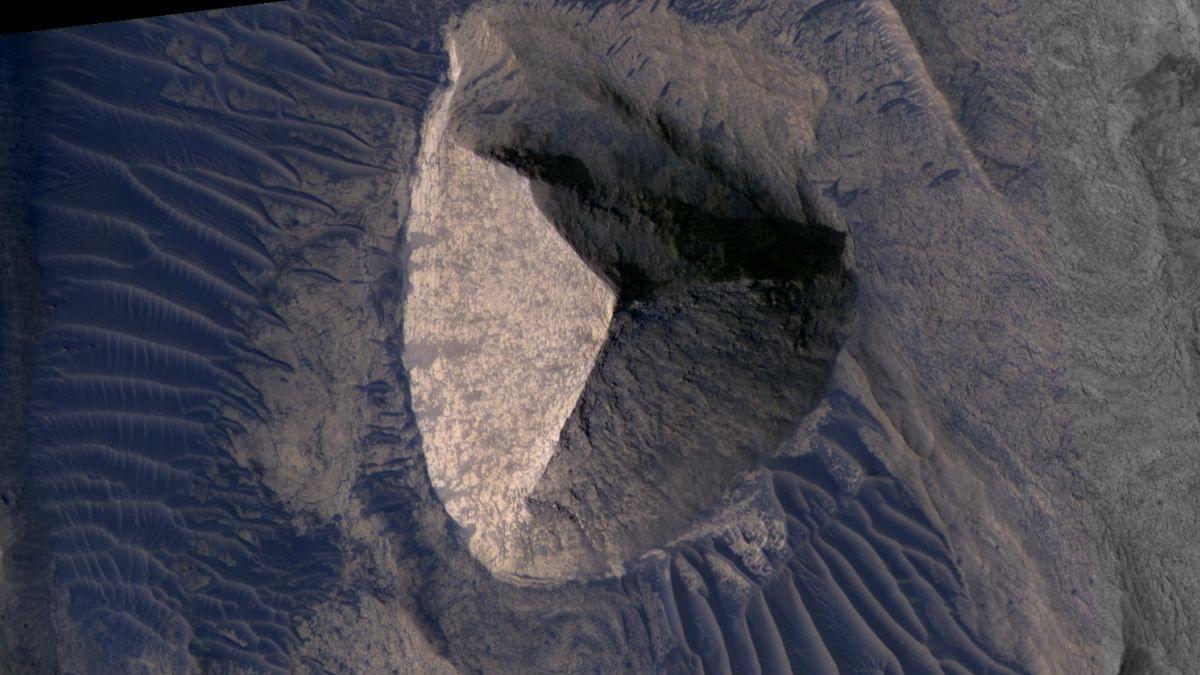
Mysterious Structure on Mars Looks Uncannily Like an Ancient Egyptian Pyramid

It would be tempting to assume there’s nothing much of note happening on Mars, but that dusty rusty planet has a lot of interesting stuff going on.

Most of it has to do with rocks. Mars has a lot of rocks. In fact, Mars has so many rocks that have undergone all sorts of weathering over the eons that, occasionally, it manages to produce something that looks a bit like an artificial or biological structure, if you squint.

It’s a bit like monkeys and typewriters. We may not get Shakespeare, but every once in a while, we might see some rocks that look enough like bugs to fool an entomologist.

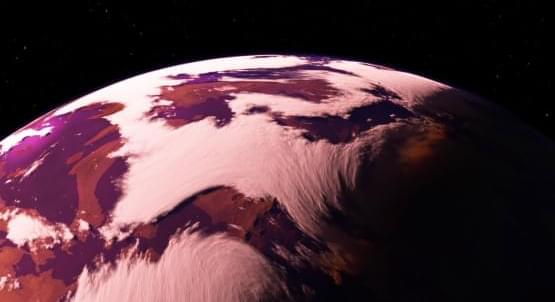
Where to find other Earths? New list narrows down the targets

New Cornell research – co-authored by an undergraduate and two recent alumni – will help exoplanet scientists pinpoint the most likely places to look for life in the universe out of more than 6,000 exoplanets.

The paper, “ Probing the Limits of Habitability: a Catalogue of Rocky Exoplanets in the Habitable Zone,” published March 19 in the Monthly Notices of the Royal Astronomical Society. Authors are Abigail Bohl ’26, Lucas Lawrence ’23, Gillis Lowry ’25 and Lisa Kaltenegger, professor of astronomy and director of the Carl Sagan Institute in the College of Arts and Sciences.

The project utilizes new data from the European Space Agency’s Gaia mission and the NASA Exoplanet Archive to identify planets in the habitable zone.

/* */