Toggle light / dark theme

Get the latest international news and world events from around the world.

Log in for authorized contributors

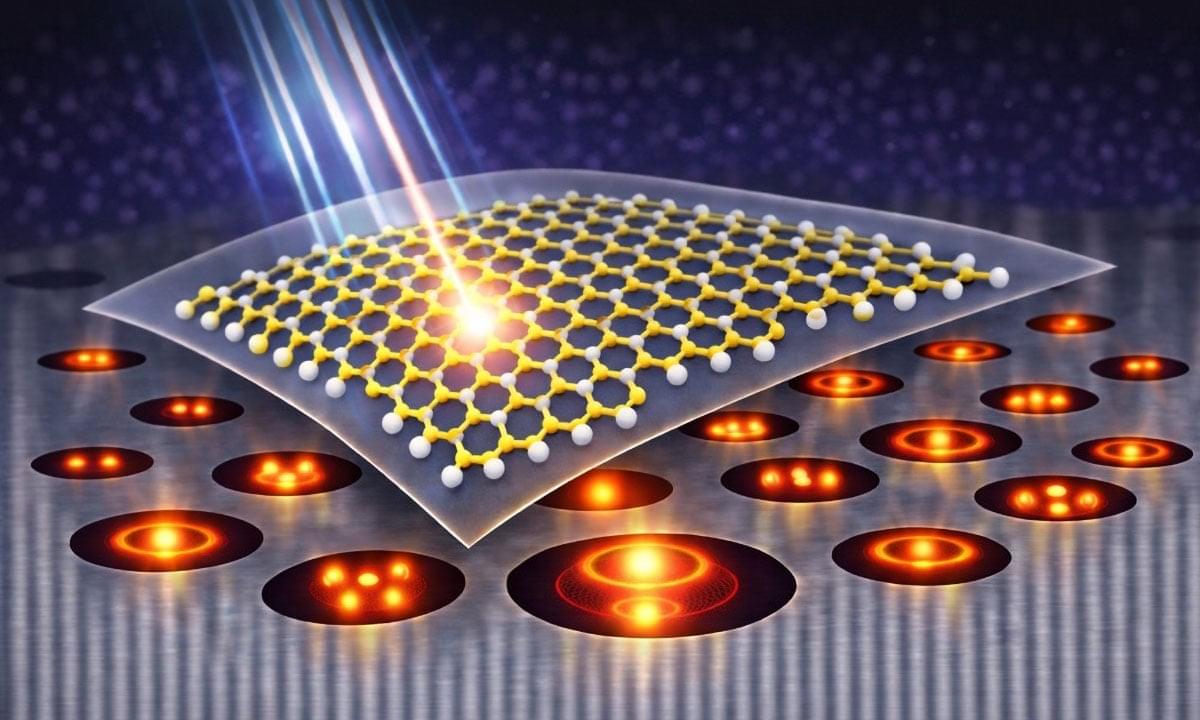
From water splitting to H₂O₂: A new method narrows carbon nitride photocatalyst design

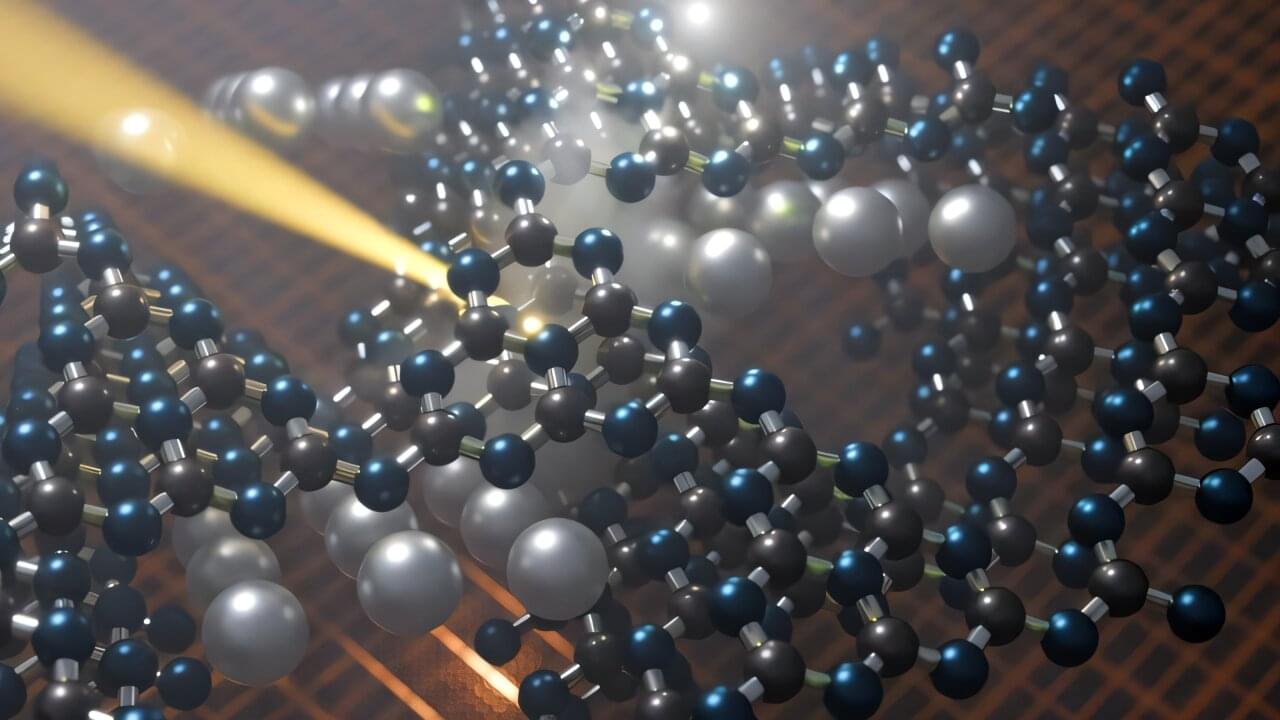
Photocatalysis promises an efficient conversion of abundant solar energy into usable chemical energy. Polyheptazine imides have some key structural and functional twists that make them especially interesting for photocatalysis. So far, there is only limited knowledge about how structural changes affect the electronic and optical properties of the many material candidates in this class. A team led by researchers from the Center for Advanced Systems Understanding (CASUS) at HZDR has now presented a reliable and reproducible theoretical method to solve this challenge that was confirmed by measurements done on genuine candidate materials.

Polyheptazine imides belong to the family of carbon nitrides, which are layered, graphene-like compounds composed of nitrogen-rich, ring-shaped units. Unlike graphene, which exhibits excellent electrical conductivity but lacks photocatalytic activity, polyheptazine imides possess band gaps suitable for visible-light absorption.

Carbon nitride-based materials impress due to their low production cost, nontoxicity and thermal stability. However, the first generation of such materials were not ideal photocatalysts as the materials possessed properties that hindered charge separation. If a material has a low charge separation, the electron excited by an incoming photon quickly recombines with the hole it was propelled from—and releases energy only as heat or light. No energy is available to drive chemical reactions.

Why conversation is more like a dance than an exchange of words

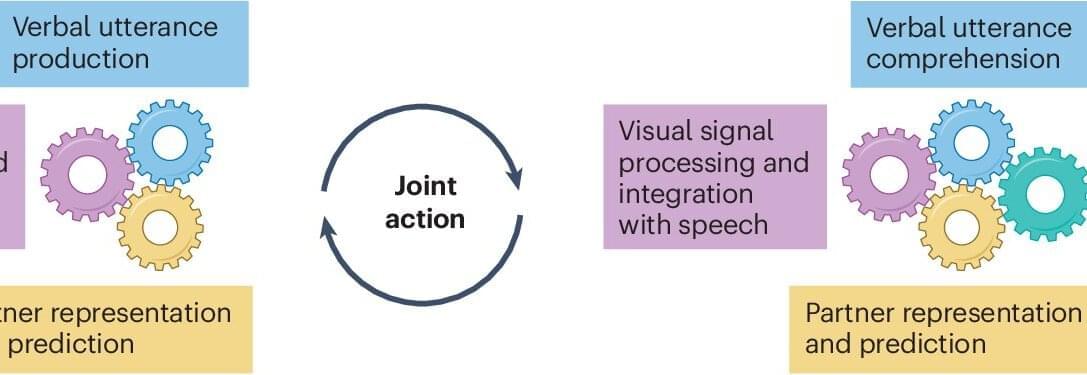
Think about the last time you told a story to a friend. You probably adjusted it halfway through. You saw their eyebrows lift. You noticed them lean in, or glance away. You clarified a detail. You sped up the ending. That constant fine-tuning is not a bonus feature of communication: it is communication. And you can read all about this real-time coordination process in a new review by Judith Holler and Anna K. Kuhlen (Max Planck Institute for Psycholinguistics), published in Nature Reviews Psychology.

Holler and Kuhlen argue that conversation is not simply one person speaking while another listens. It is a process in which both participants continuously monitor, predict, and shape each other’s behavior. “Conversation is not a linear exchange of words,” Holler writes. “It is a jointly managed activity in which meaning emerges through coordination.”

Eye tracking and brain signals reveal how some skills become second nature

Expertise isn’t easy to pass down. Take riding a bike: A seasoned cyclist might talk a beginner through the basics of how to sit and when to push off. But other skills, like how hard to pedal to keep balanced, are more intuitive and harder to articulate. This implicit know-how is known as tacit knowledge, and very often, it can only be learned with experience and time.

But a team of MIT engineers wondered: Could an expert’s unconscious know-how be accessed, and even taught, to quickly bring a novice up to an expert’s level?

The answer appears to be “yes,” at least for a particular type of visual-learning task.

Trapping light on thermal photodetectors shatters speed records

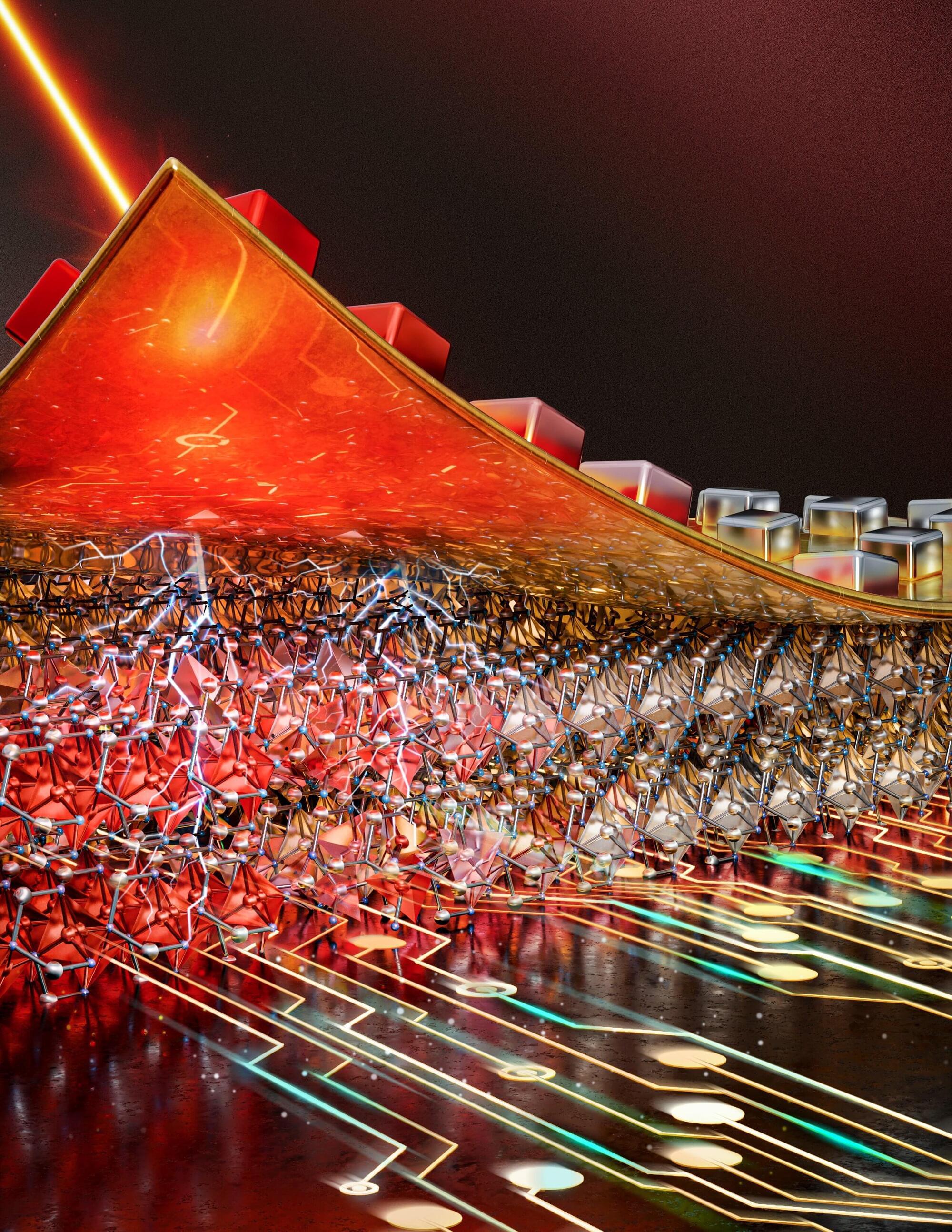
Electrical engineers at Duke University have demonstrated the fastest pyroelectric photodetector to date, which works by absorbing heat generated by incoming light. Capable of capturing light from the entire electromagnetic spectrum, the ultrathin device requires no external power, operates at room temperature and can be readily integrated into on-chip applications.

The advance could form the basis of a new class of multispectral cameras capable of impacting a wide range of fields such as skin cancer detection, food safety inspection and large-scale agriculture.

The results appear in Advanced Functional Materials.

‘Nano-origami’ reshapes liquid droplets into six-pointed stars

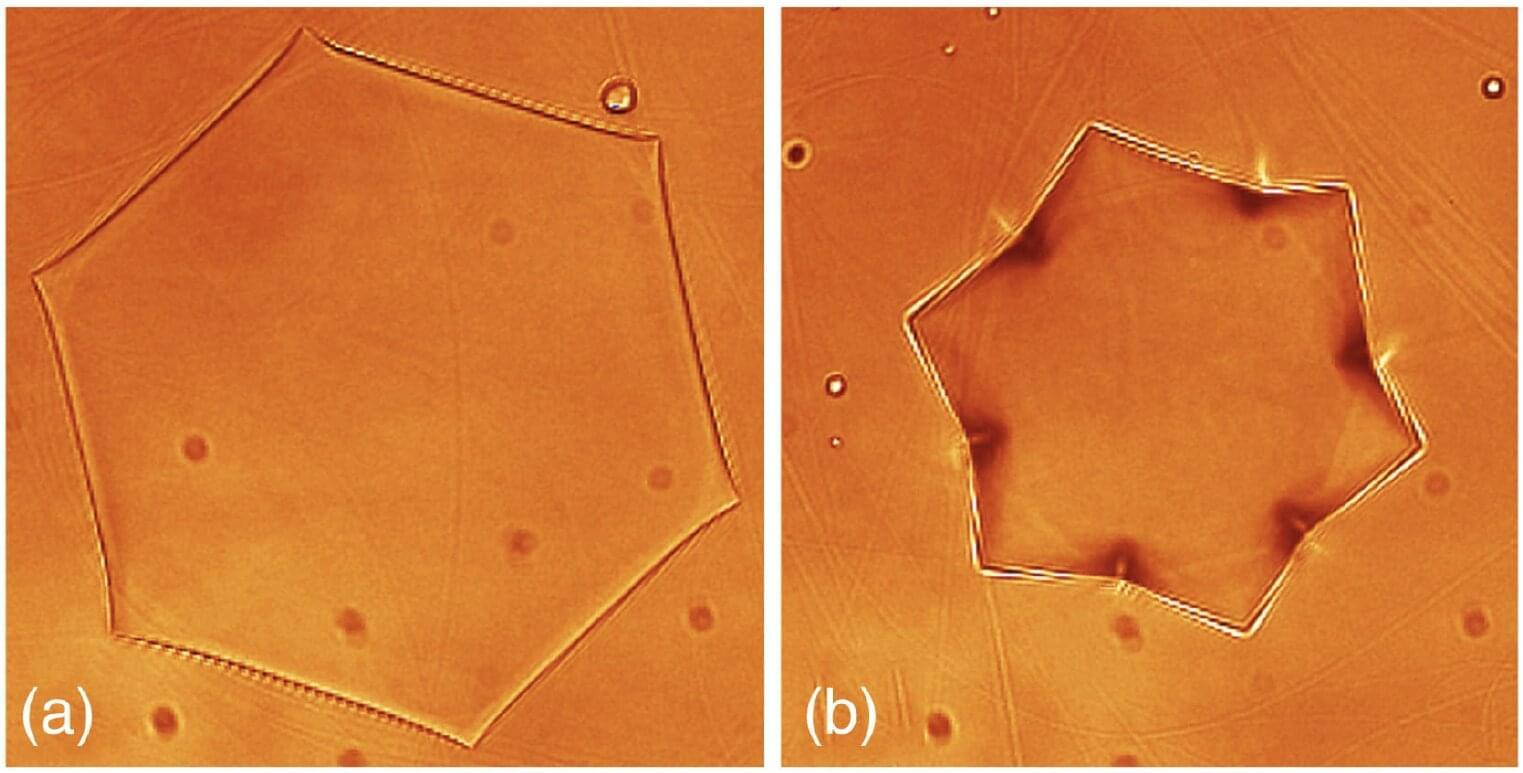
For the first time, researchers in France and Israel have observed how an emulsified liquid droplet can transform from a hexagon into a six-pointed star shape in response to rising temperature. Publishing their results in Physical Review Letters, a team led by Eli Sloutskin at Bar-Ilan University has shed new light on the mechanisms underlying this striking behavior, revealing a previously unseen form of “nano-origami,” that could inspire future generations of self-assembling nanostructures.

When tiny amounts of liquid are isolated, surface tension usually drives them to adopt a spherical shape—but over the past decade, researchers have uncovered far more complex behavior in emulsions of oil and water. In these systems, droplets are stabilized by surfactant molecules, which reduce the surface tension between the two liquids.

Under carefully controlled temperature changes, these droplets can undergo dramatic shape transformations. Previous studies have shown spheres turning into icosahedra, and then flattening into triangular, parallelogram or hexagonal, lens-like shapes with exclusively convex edges.

What’s going on inside quantum computers? New method simplifies process tomography

Quantum computers work by applying quantum operations, such as quantum gates, to delicate quantum states. Ideally, quantum computers can solve complex equations at staggeringly fast speeds that vastly outpace regular computers. In real hardware, the operations of quantum computers often deviate from the ideal behavior because of device imperfections and unwanted noise from the environment. To build reliable quantum machines, researchers need a way to accurately determine what a quantum device is actually doing.

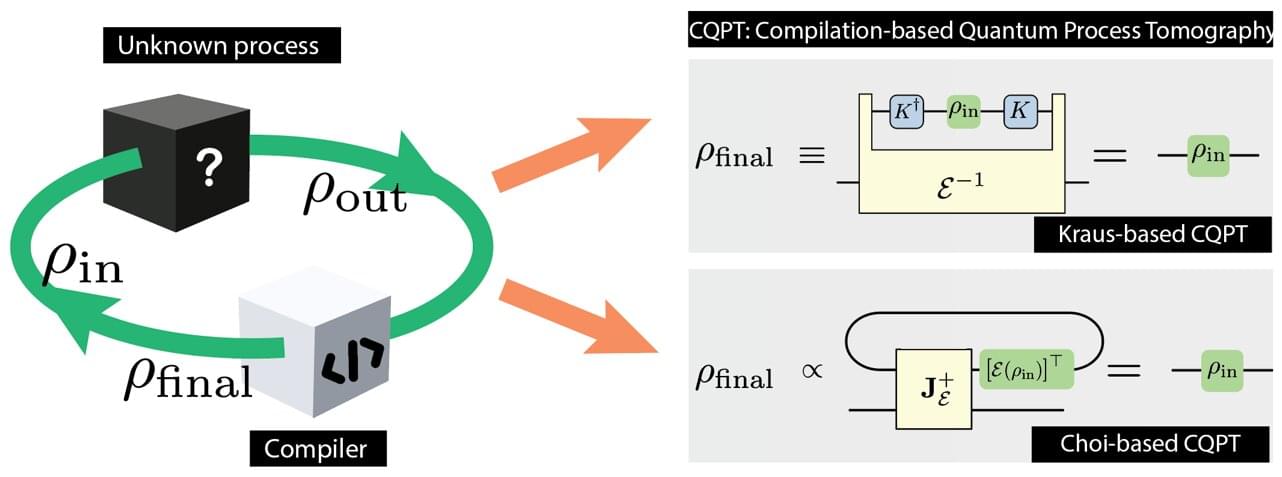
Quantum process tomography (QPT) is a standard method for this. However, traditional QPT becomes very costly as the system grows, because the number of required measurements and calculations increases rapidly with the number of qubits.

To address this challenge, a research team from Tohoku University, the Nara Institute of Science and Technology (NAIST), and the University of Information Technology (Vietnam National University, Ho Chi Minh City) has introduced a new framework called compilation-based quantum process tomography (CQPT). The work is published in Advanced Quantum Technologies.

NA62 Collaboration refines measurement of rare particle decay

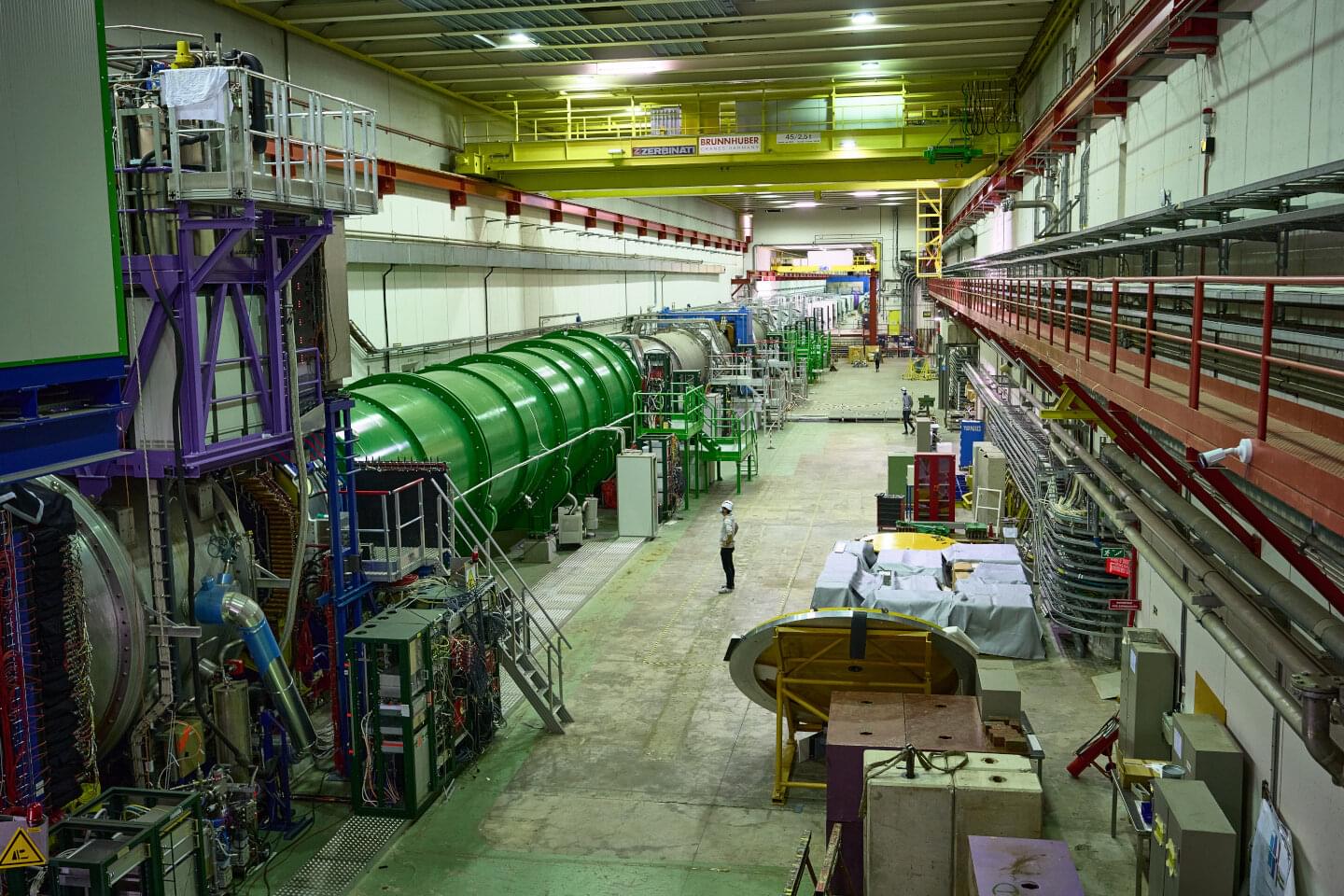
The NA62 Collaboration has dramatically reduced the uncertainty in its measurement of an extremely rare particle decay, in results just presented at the 2026 La Thuile conference.

The study of rare decays gives physicists the chance to probe the Standard Model of particle physics. Researchers can determine what is known as the branching ratio of a decay, which describes how many particles decay through a particular process as a fraction of the total number of decays that occur.

The branching ratio of the decay that the NA62 Collaboration has studied—the decay of a positively charged kaon into a positively charged pion and neutrino–antineutrino pair (written K+→π+νν)—can be predicted theoretically with a very high degree of precision. Thanks to this “theoretical cleanliness,” this particular kaon decay is extremely sensitive to new physics beyond the Standard Model but, with a predicted branching ratio of less than one in 10 billion, it is extremely rare and very challenging to observe.

How “Empty Space” Is Supercharging Atomically Thin Semiconductors

A single layer of atoms may seem too thin to meaningfully interact with light, yet materials like tungsten disulfide are reshaping what is possible in nanophotonics. Researchers have now found a way to dramatically strengthen these interactions. Atomically thin semiconductors such as tungsten dis

/* */