Toggle light / dark theme

Get the latest international news and world events from around the world.

Log in for authorized contributors

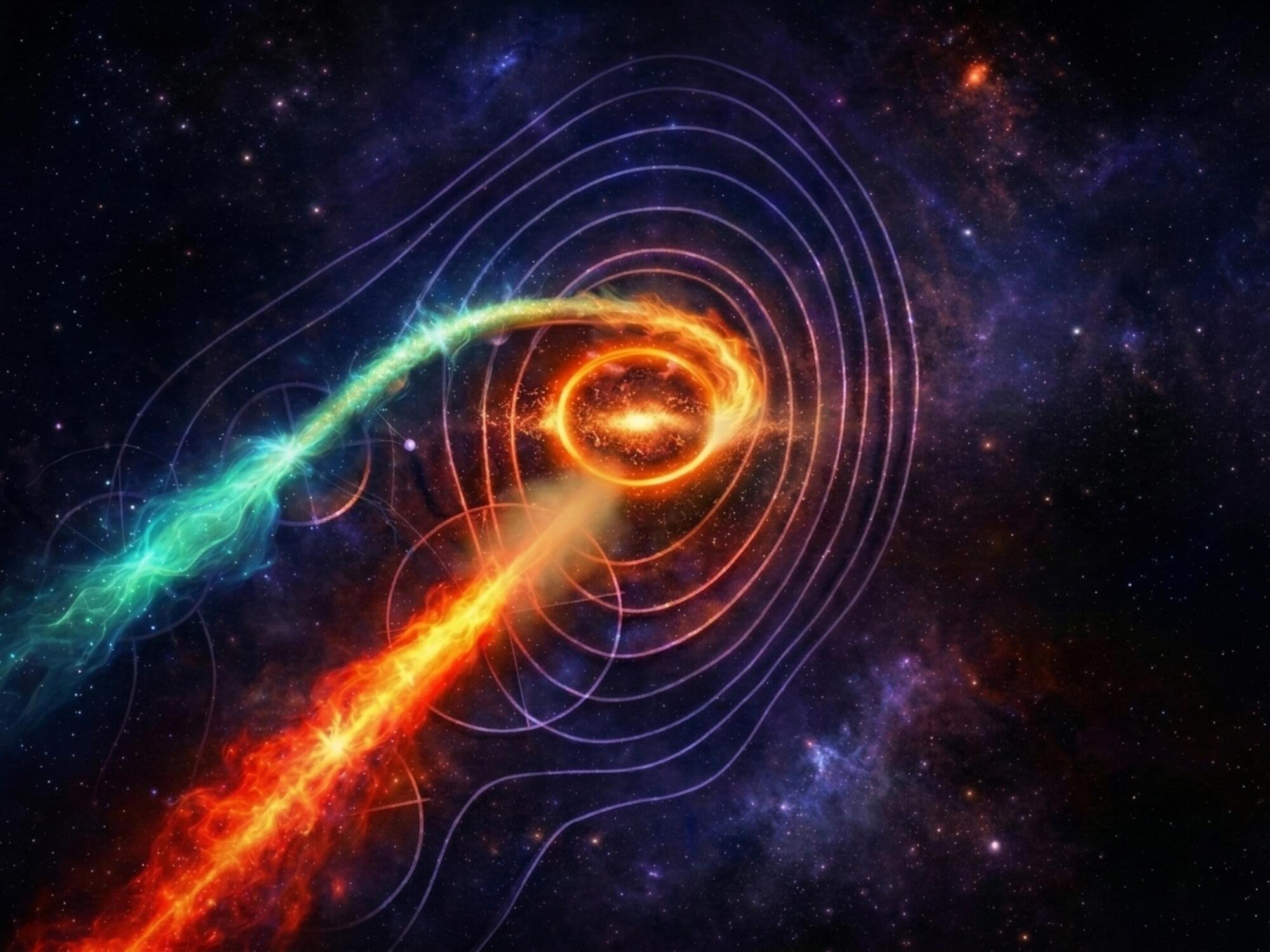
First close pair of supermassive black holes detected

Supermassive black holes at the centers of galaxies are one of the most active fields of research in astronomy. In order to accumulate their enormous masses, they must merge with each other. A research team led by Silke Britzen from the Max Planck Institute for Radio Astronomy (MPIfR) in Bonn has found direct evidence of two supermassive black holes in the galaxy Markarian 501, which orbit each other very closely. This could be the first time that a pair has been detected that is about to merge. This provides a unique opportunity to better understand a central process in galaxy evolution.

The findings suggest that there is a supermassive black hole at the center of almost every large galaxy, with a mass millions or even billions of times greater than that of our sun. It is still unclear exactly how they can reach such enormous masses. Collecting (accreting) gas from the surrounding area alone would take too long, so it is likely that they have to merge with other massive black holes. Galaxy collisions have been observed throughout our universe. It is thus very likely that the supermassive black holes at the centers of these colliding galaxies also merge, first orbiting each other ever closer and ultimately coalescing into one.

‘Voorhees law’ explains why the slower car often catches up

Many drivers will know the feeling: you pull ahead of the slower car you’ve been stuck behind and cruise the open road ahead at your own, faster speed. By the time you reach the next stop light, you’re sure that you’ve left the slower car far behind you—but to your surprise, you see that same car cruise up right behind you in the mirror. Horror buffs might even recall scenes from “Friday the 13th,” where masked villain Jason Voorhees always catches up to his sprinting victims—despite himself walking at a leisurely pace.

In a new study published in Royal Society Open Science, Conor Boland at Dublin City University shows that this unsettlingly common phenomenon can be explained with simple mathematics. His model reveals precisely when and why a slower vehicle catches up after being overtaken, offering fresh insights into how individual vehicles interact with traffic signals.

Turmeric and ginger extract may boost implant bonding and kill 92% bacteria

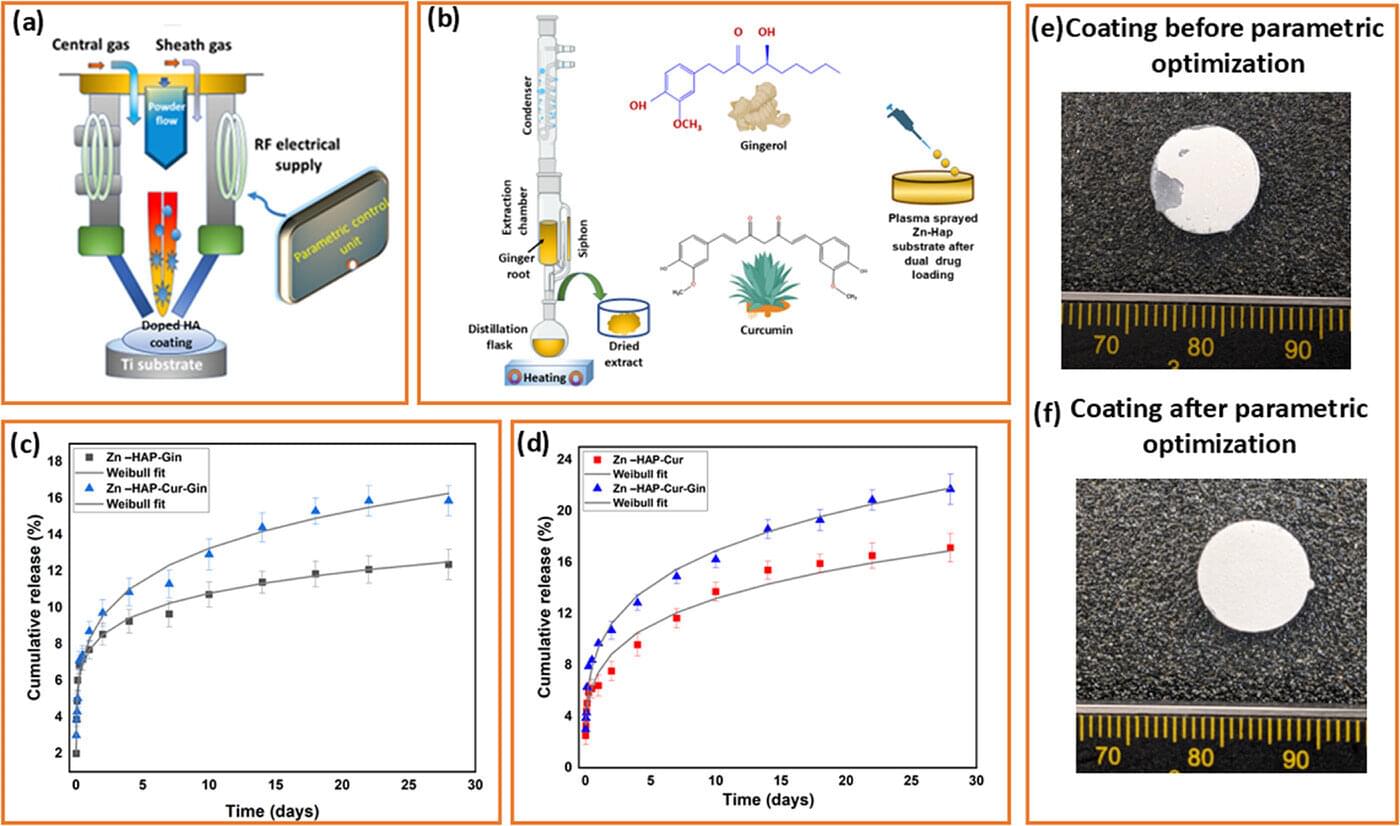
An extract of turmeric and ginger helps bone implants bond strongly while killing bacteria and cancer cells, according to new research from Washington State University with implications for millions of patients with joint replacements and bone cancer. In early tests, the extract roughly doubled bone bonding within six weeks around the implant site, killed more than 90% of bacteria on implant surfaces, and sharply reduced cancer-causing cells. The findings marry elements of a naturopathic approach drawing on traditional medicine with current medical technologies. Turmeric, a golden-orange spice, and ginger root have been used for food and medicinal purposes in China and India for thousands of years.

“Basically, I say it’s combining the best with the latest,” said Susmita Bose, the Westinghouse Distinguished Chair Professor in WSU’s School of Mechanical and Materials Engineering and corresponding author of the paper. “The best part is from the food, and the latest aspect comes from the biomedical device.”

The new study, published in the Journal of the American Ceramic Society, is the most recent work from Bose and Amit Bandyopadhyay, Boeing Distinguished Professor in the School of Mechanical and Materials Engineering, demonstrating that compounds from turmeric and ginger can be effective supplements to cutting-edge medical treatment. That work builds upon their earlier research into the use of 3D printing to produce bone implants, an idea once considered far-fetched that is now a common way to manufacture implants.

Astronomers discover Andromeda XXXVI, an ultra-faint dwarf satellite galaxy

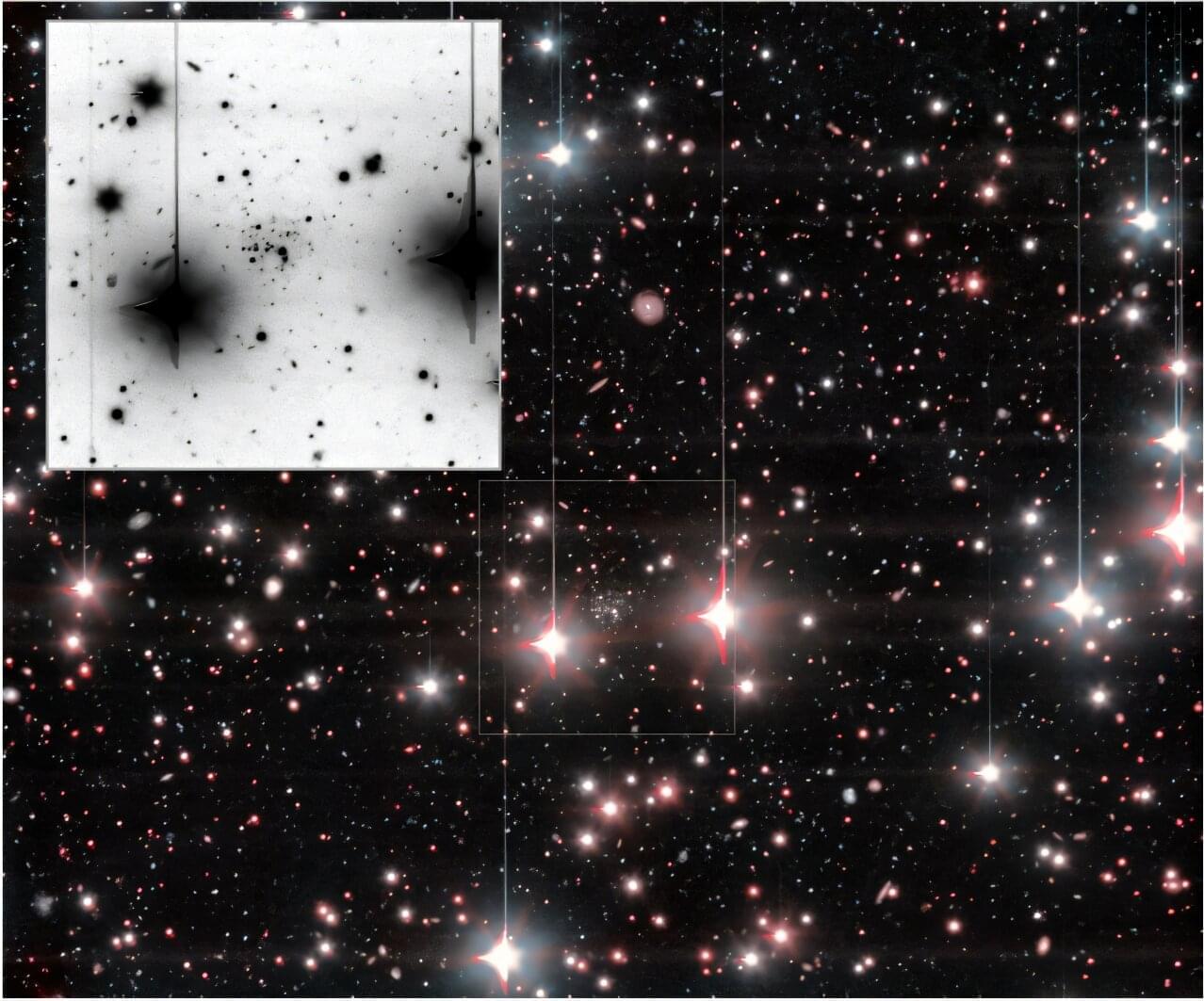
By analyzing the data from the Pan-Andromeda Archaeological Survey (PandAS), European astronomers have discovered a new satellite of the Andromeda galaxy. The newfound object, which received the designation Andromeda XXXVI, appears to be an ultra-faint dwarf galaxy. The finding is reported in a paper published March 30 on the arXiv preprint server.

The so-called ultra-faint dwarf galaxies (UFDs) are the least luminous, most dark matter-dominated, and least chemically evolved galaxies known. Therefore, they are perceived by astronomers as the best candidate fossils from the universe at its early stages.

Now, a team of astronomers, led by Joanna D. Sakowska of the Institute of Astrophysics of Andalusia in Spain, reports the finding of a new UFD. Andromeda XXXVI was first spotted and classified as a candidate UFD by amateur astronomer Giuseppe Donatiello during a systematic, visual inspection search of public images from the full PAndAS footprint. Sakowska and her colleagues recently performed follow-up deep imaging of Andromeda XXXVI with the Roque de los Muchachos Observatory, which confirmed the UFD nature of this galaxy.

Experiment indicates new type of mesic nuclei that could reveal how matter acquires mass

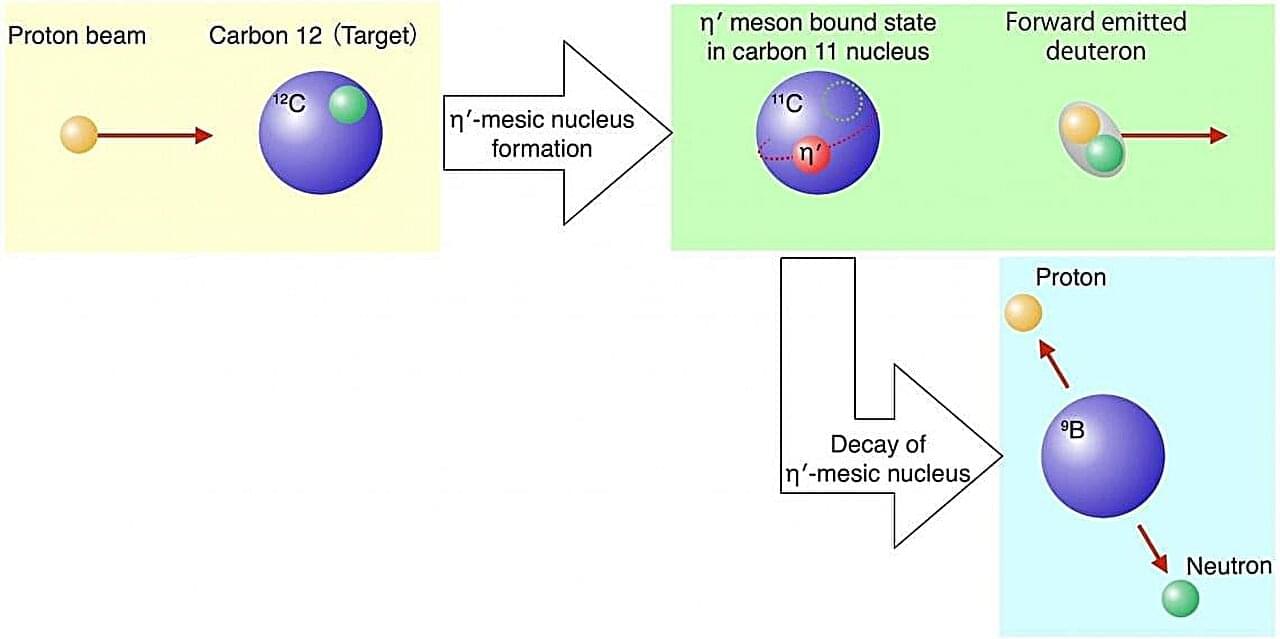
Nearly every object we interact with in our lives has a mass, but where does this mass come from? Modern physics says matter acquires its mass from interaction with a physical vacuum—it is not an empty space, but contains a complex structure. Investigating the system of a meson—a composite particle made of a quark, an elementary particle, and its anti-matter, anti-quark—bound to an atomic nucleus, a mesic nucleus, provides precious insight into the vacuum structure, or mass generation mechanism. Scientists are now one step closer to further understanding the origin of mass thanks to new experimental results on a completely new type of mesic nucleus.

The researchers, as part of a major international collaboration, have reported evidence hinting at the existence of a never-before-seen but predicted exotic bound state known as an η′-mesic nucleus. The findings are published in Physical Review Letters.

Physicists have theorized that under certain conditions, short-lived particles called mesons—which only exist for less than a ten-millionth of a second—can become temporarily trapped inside a nucleus, forming an exotic bound system. Measuring mesic nuclei could help scientists understand how the strong nuclear force, which binds atomic nuclei together, behaves and how the vacuum structure changes in extremely high-density environments.

Light-driven method enables sustainable production of porous semiconducting polymers

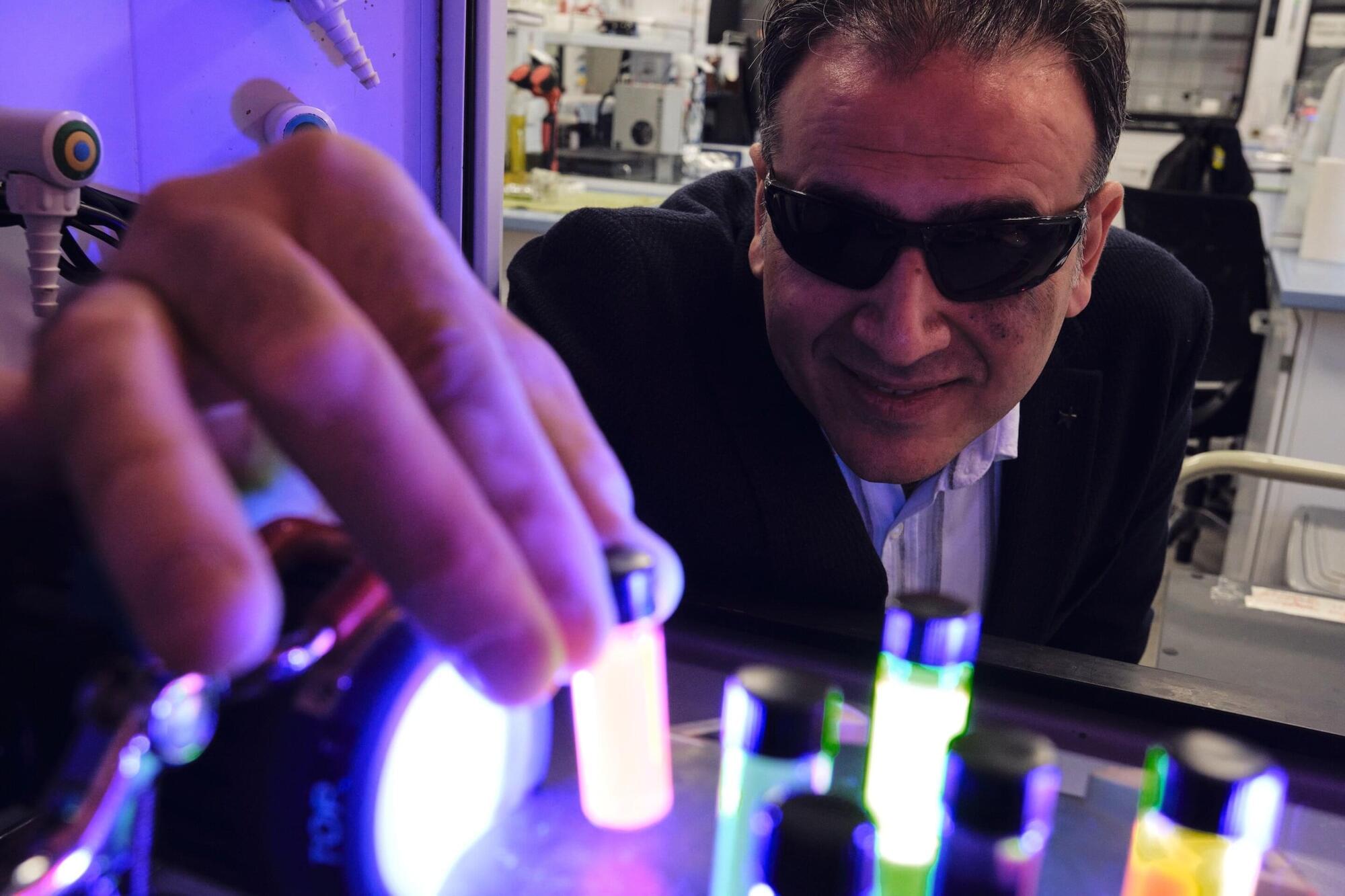
Researchers at Koç University have developed a light-driven method to produce porous semiconducting polymers under ambient conditions without the need for metal catalysts. The study, led by Prof. Dr. Önder Metin from the Department of Chemistry, in collaboration with Dr. Melek Sermin Özer, Dr. Zafer Eroğlu, and Prof. Dr. Sermet Koyuncu, was published in Nature Communications.

Porous semiconducting organic polymers have attracted growing attention due to their high thermal and chemical stability, as well as their tunable structures. With a high density of molecular-scale pores, these materials exhibit strong charge transport and light-harvesting capabilities, making them promising for applications ranging from gas storage and energy technologies to photocatalysis and optoelectronics.

However, conventional synthesis methods are often complex, costly, and difficult to scale. They typically require high temperatures, expensive metal catalysts, and multi-step reaction processes, limiting their broader applicability.

Parabolic flight test shows lasers can propel graphene aerogels in microgravity

Lasers could one day steer solar sails and adjust a satellite’s position in outer space, thanks to graphene. An experiment on a gravity rollercoaster ride showed how this innovative material has the potential to revolutionize propulsion beyond Earth.

An international research team boarded ESA’s 86th parabolic flight campaign in May 2025 with ultralight graphene aerogels, then hit them with light during zero gravity phases to observe their reaction under space-like conditions.

The effect of the laser during the microgravity phases was startling: The graphene samples shot forward instantly.

New AI video tool removes objects without breaking the laws of physics

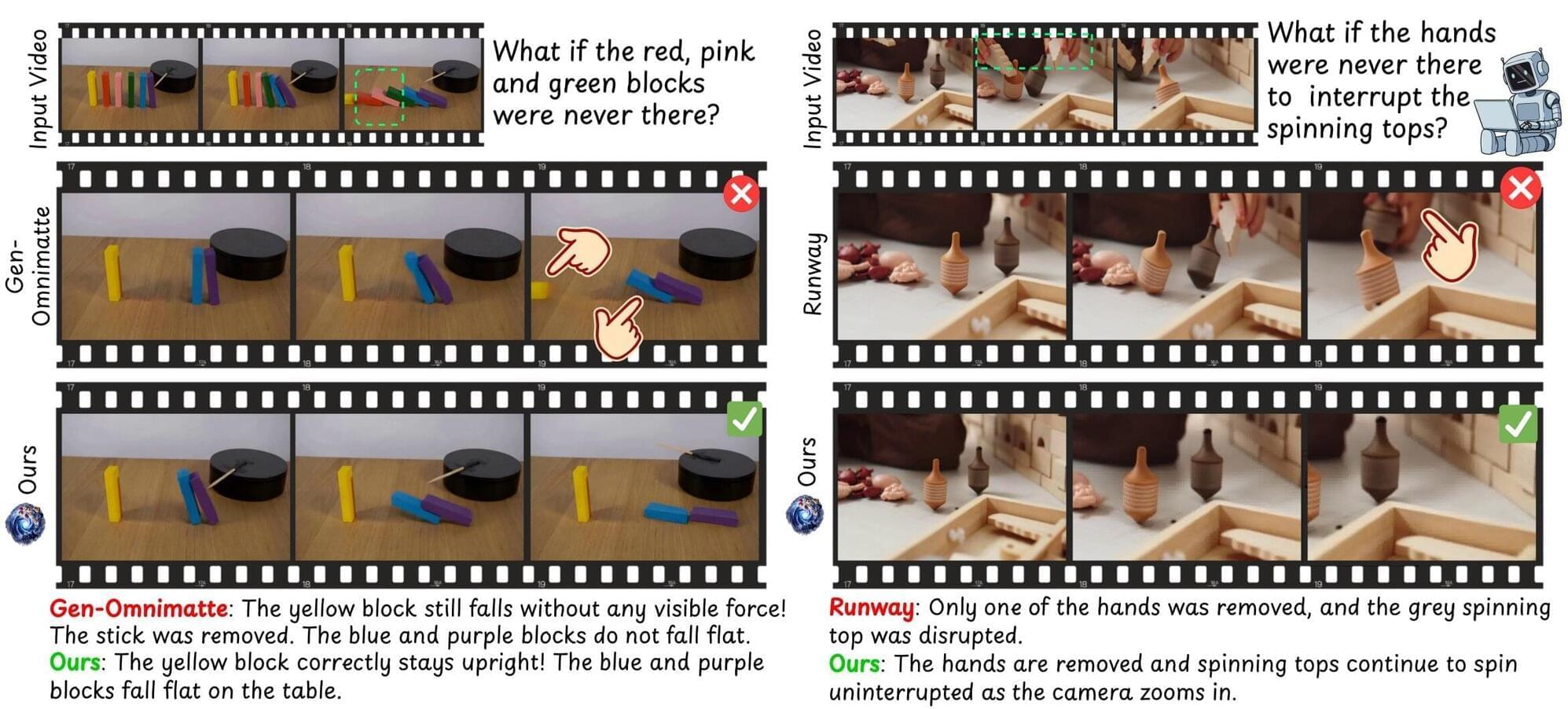
When movie and TV directors want to tinker with their footage in post-production, they have an array of tools at their disposal to perfect a scene if it wasn’t shot exactly how they liked. That includes removing objects like stray equipment or unwanted background actors. But the tech has its limits when it comes to more complex physical interactions.

For example, if you want to remove an object that was bumping into or supporting something else, traditional tools often leave the remaining objects behaving in ways that defy the laws of physics, like a character hovering mid-air if the chair they were sitting on is deleted.

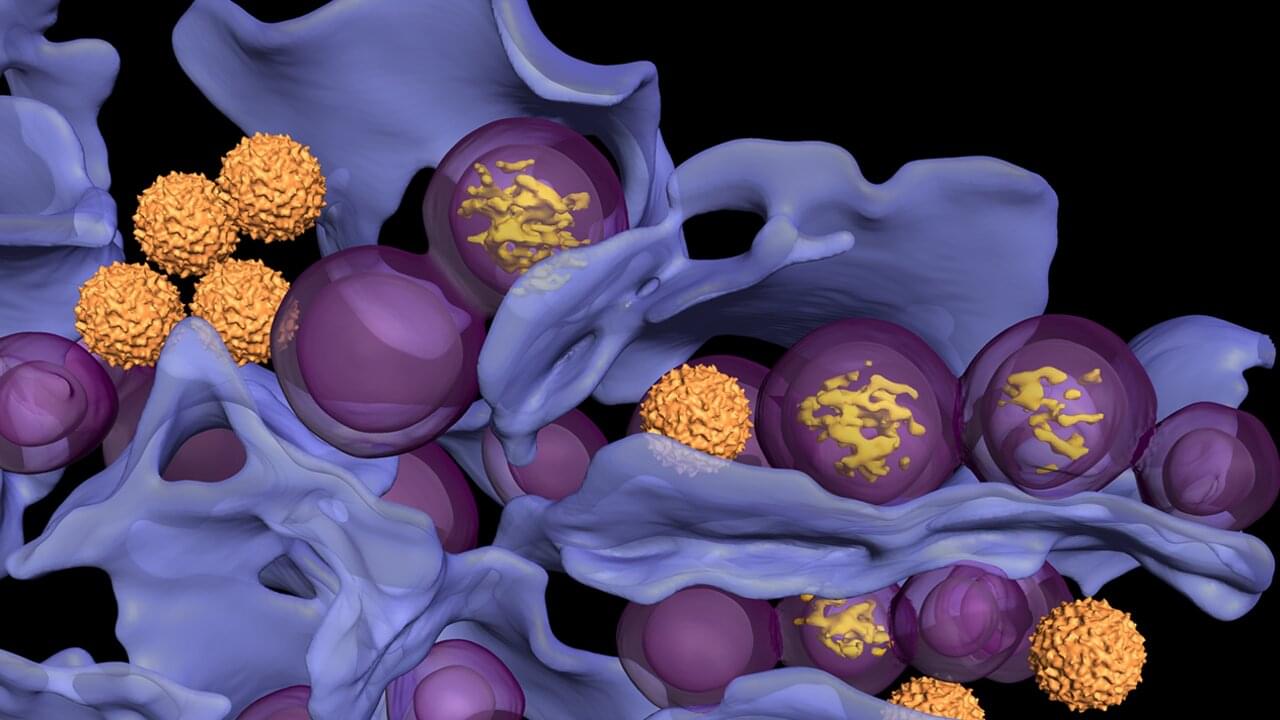
3D microscopy reveals how a tick-borne virus reshapes human cells to replicate

Researchers at Umeå University show how tick-borne viruses remodel human cells into virus factories, using an advanced microscopy method. The findings provide new insight into how the virus replicates and matures, knowledge that may become important for future treatments against TBE. The study is published in Nature Communications.

“When we saw the three-dimensional images for the first time, we immediately realized how much new information we could gain about the virus’s replication,” says Lars-Anders Carlson, professor at the Department of Medical Chemistry and Biophysics at Umeå University, who led the study.

One of the most dangerous viral diseases spread in Europe is tick-borne encephalitis. A bite from an infected tick can transmit the TBE virus to humans and cause severe inflammation of the brain. Using electron microscopy, researchers at Umeå University have now discovered how tick-borne viruses reshape infected human cells and turn them into virus factories.

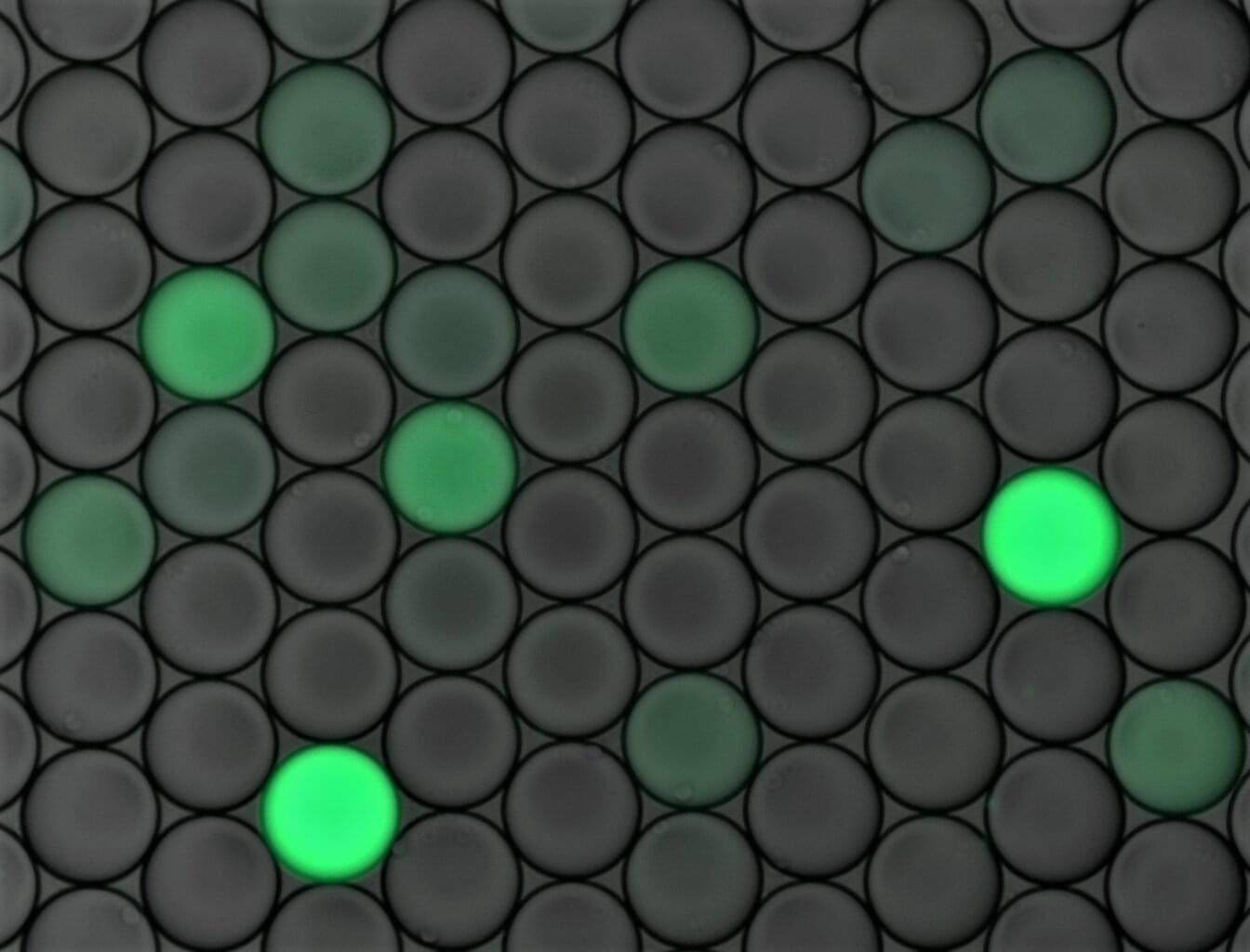
What this AI epitope library means for vaccines, immunotherapy and biosensors

A new tool makes it possible to screen millions of tiny protein fragments and select those that can be recognized by the immune system. The CIC biomaGUNE Center for Cooperative Research in Biomaterials has developed epiGPTope, a system that uses machine learning to generate and classify epitopes, in collaboration with the company Multiverse Computing.

The immune system is triggered by the presence of viruses or bacteria. When the antibodies produced recognize the epitopes, a small part of these viruses or bacteria, they launch an attack strategy. These epitopes are small fragments of protein recognized by antibodies or by immune cell receptors. So discovering new epitope sequences that target specific antibodies is essential for the development of diagnostic tools, immunotherapies and vaccines.

CIC biomaGUNE’s Biomolecular Nanotechnology laboratory, led by the Ikerbasque Research Professor Aitziber L. Cortajarena, is creating a library or database of hundreds of thousands of synthetic epitopes using this AI-based technique. The work is published in the journal ACS Synthetic Biology.

/* */