Toggle light / dark theme

Get the latest international news and world events from around the world.

Log in for authorized contributors

What Happens When Quantum-AI Knows TOO MUCH?

Let’s unravel what happens when AI merges with quantum, and starts knowing EVERYTHING ♾️ Go to https://piavpn.com/beeyondideas to get 83% off from our sponsor Private Internet Access with 4 months free!

Want to support our production? Feel free to join our membership at https://youtu.be/_Z4W6sWDo_4?si=Q8eRZoNFUv7sAd9y Special thanks to our beloved YouTube members this month: Powlin Manuel, Saïd Kadi, Chenxi, Lord, Sudhir Paranjape, Nate Lachae, Alison Rewell, Thomas Lapins, Ahmad Salahudin, Antonio Ferriol Colombram, Anton Nicolas Burger 🚀🚀🚀 Experts featured in this video include Demis Hassabis, Tristan Harris, Aza Raskin, Elon Musk, David Deutsch, Michio Kaku, Brian Greene and Nick Bostrom. Chapter: 0:00 A dangerous truth? 1:29 AI advancement 3:46 AI pretending not to know 7:29 Interactive tutoring 9:37 That’s it from our sponsor! 10:21 The merging of QC and AI 12:03 IBM 100,000 qubits 14:34 AI wipes out humanity? 16:05 Google Willow 17:06 The misuse of AI and QC 18:22 Singularity and Turing test 22:51 Reverse Turing test 29:39 Quantum-AI consequences 32:25 The double slit experiment 36:15 Quantum multiverse 41:05 Computing history 46:49 AGI timeline 51:45 Philosophical consequence #AI #quantumcomputing #singularity.

Special thanks to our beloved YouTube members this month: Powlin Manuel, Saïd Kadi, Chenxi, Lord, Sudhir Paranjape, Nate Lachae, Alison Rewell, Thomas Lapins, Ahmad Salahudin, Antonio Ferriol Colombram, Anton Nicolas Burger 🚀🚀🚀

Experts featured in this video include Demis Hassabis, Tristan Harris, Aza Raskin, Elon Musk, David Deutsch, Michio Kaku, Brian Greene and Nick Bostrom.

Chapter:
0:00 A dangerous truth?
1:29 AI advancement.
3:46 AI pretending not to know.
7:29 Interactive tutoring.
9:37 That’s it from our sponsor!
10:21 The merging of QC and AI
12:03 IBM 100,000 qubits.
14:34 AI wipes out humanity?
16:05 Google Willow.
17:06 The misuse of AI and QC
18:22 Singularity and Turing test.
22:51 Reverse Turing test.
29:39 Quantum-AI consequences.
32:25 The double slit experiment.
36:15 Quantum multiverse.
41:05 Computing history.
46:49 AGI timeline.
51:45 Philosophical consequence.

#AI #quantumcomputing #singularity
This Ultra-Thin Device Controls Light Like a Microscopic Spotlight

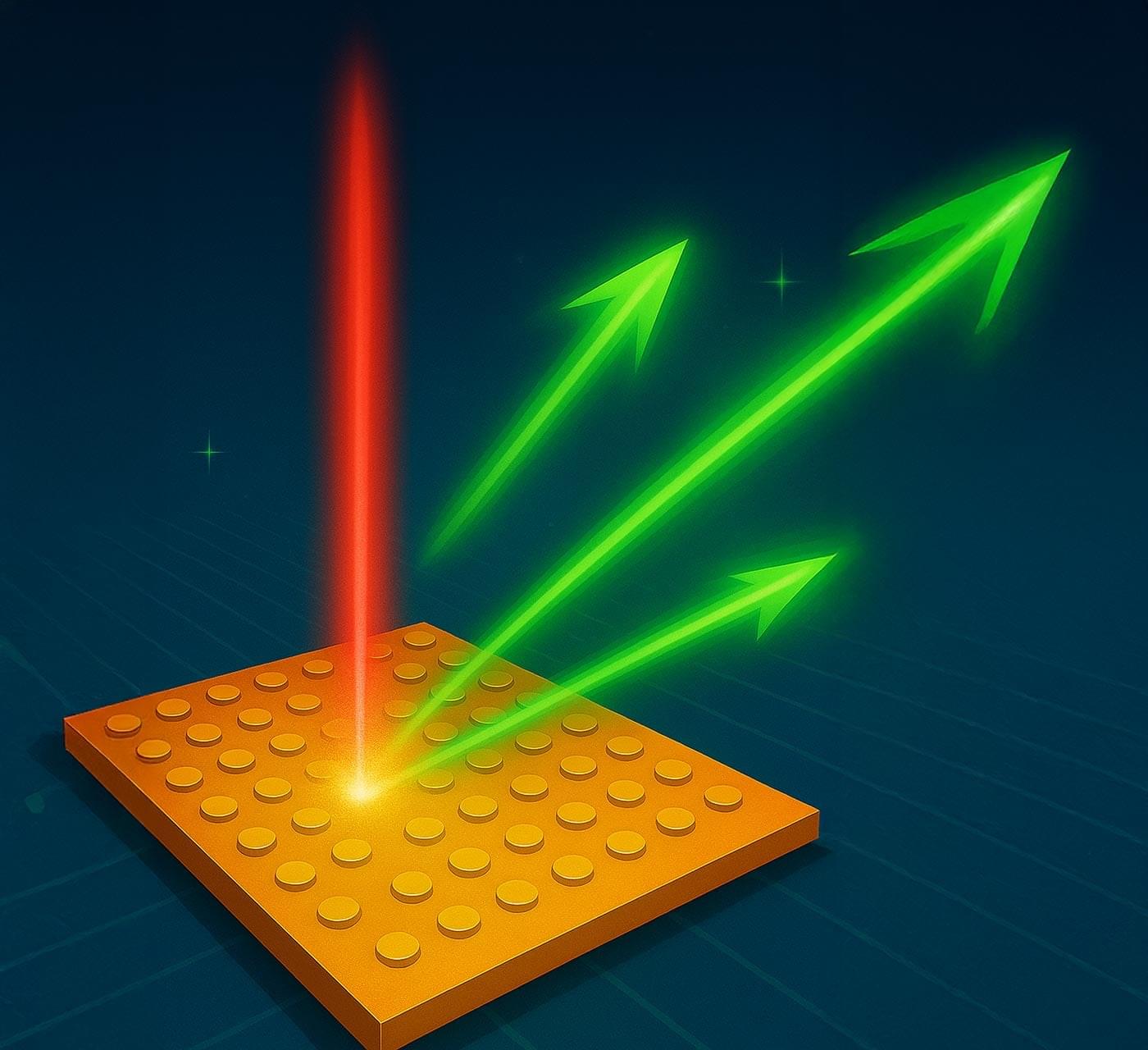
A tiny metasurface chip can turn invisible infrared light into steerable visible beams, opening the door to powerful new optical technologies.

Developing extremely small devices that can precisely guide and manipulate light is critical for many emerging technologies. Scientists at the Advanced Science Research Center at the CUNY Graduate Center (CUNY ASRC) have now demonstrated an important advance by creating a metasurface that can transform invisible infrared light into visible light and send it in different directions—without any moving parts. Their results are described in a study published in the journal eLight.

How the ultra-thin metasurface chip works.

Laser-etched glass can store data for for 10,000 years, Microsoft says

Thousands of years from now, what will remain of our digital era? The ever-growing vastness of human knowledge is no longer stored in libraries, but on hard drives that struggle to last decades, let alone millennia.

However, information written into glass by lasers could allow data to be preserved for more than 10,000 years, Microsoft announced in a study on Wednesday.

Since 2019, Microsoft’s Silica project has been trying to encode data on glass plates, in a throwback to the early days of photography, when negatives were also stored on glass.

Preventing breast cancer resistance to CDK4/6 inhibitors using genomic findings

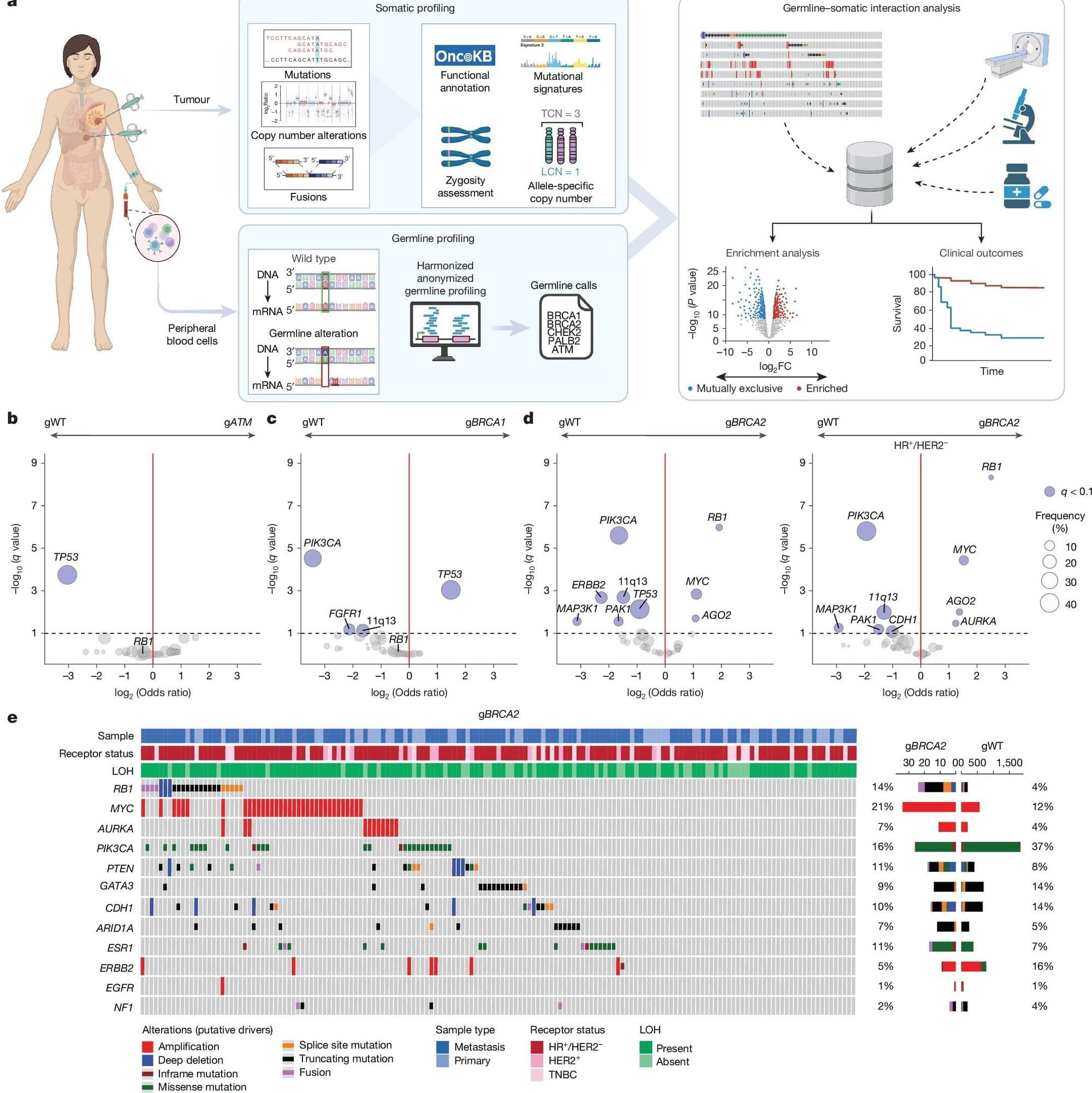
Researchers at Memorial Sloan Kettering Cancer Center (MSK) have made an important discovery about how genetic mutations in breast cancer patients can interact and drive resistance to certain drugs called CDK4/6 inhibitors. This finding, published in Nature, suggests a new strategy for predicting and preventing resistance to specific therapies based on the tumor’s genetic profile.

“This represents a major advance in understanding and predicting cancer behavior in response to treatment,” says physician-scientist Pedram Razavi, MD, Ph.D., who led the study with physician-scientist Sarat Chandarlapaty, MD, Ph.D. The study’s first author was Anton Safonov, MD, a physician-scientist in the MSK Breast Translational Program.

“To our knowledge, this is the first example showing that a complete genomic analysis of breast cancer, including both inherited and tumor-specific alterations, can predict the precise biological mechanism of resistance before therapy even begins,” Dr. Razavi adds.

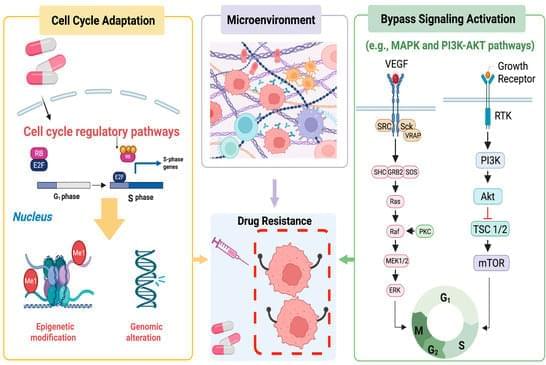
CDK4/6 Inhibitor Resistance in Hormone Receptor-Positive Metastatic Breast Cancer: Translational Research, Clinical Trials, and Future Directions

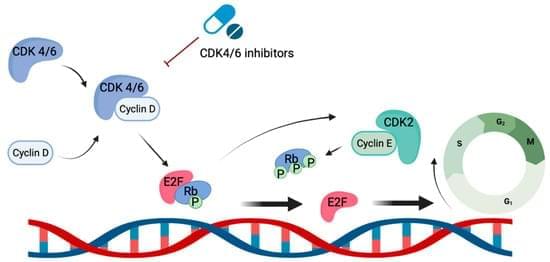
The emergence of CDK4/6 inhibitors, such as palbociclib, ribociclib, and abemaciclib, has revolutionized the treatment landscape for hormone receptor-positive breast cancer.

Cryogenic Arks — Sleeping Through the Ages

From frozen habitats to millennia-long journeys, we explore the science behind cryogenic arks and deep-time interstellar travel.

Get Nebula using my link for 50% off an annual subscription: https://go.nebula.tv/isaacarthur.
Check out Joe Scott’s Oldest & Newest: https://nebula.tv/videos/joescott-old… my exclusive video Chronoengineering: https://nebula.tv/videos/isaacarthur–… 🚀 Join this channel to get access to perks: / @isaacarthursfia 🛒 SFIA Merchandise: https://isaac-arthur-shop.fourthwall… 🌐 Visit our Website: http://www.isaacarthur.net ❤️ Support us on Patreon: / isaacarthur ⭐ Support us on Subscribestar: https://www.subscribestar.com/isaac-a… 👥 Facebook Group: / 1,583,992,725,237,264 📣 Reddit Community: / isaacarthur 🐦 Follow on Twitter / X: / isaac_a_arthur 💬 SFIA Discord Server: / discord Credits: Cryogenic Arks – Sleeping Through the Ages Written, Produced & Narrated by: Isaac Arthur Select imagery/video supplied by Getty Images Music by Epidemic Sound: http://nebula.tv/epidemic & Stellardrone Chapters 0:00 Intro 2:50 The Need for Cryogenic Arks 6:12 From Freezing Flesh to Preserving Life 12:33 The Physics and Engineering of the Cryogenic Ark 18:46 The Problem of Time and Identity 24:59 Oldest & Newest 25:59 How Long Can We Stay Frozen? 30:48 Crew Dynamics and Risk 35:18 Beyond Cryogenics – Slowing Time Itself.
Watch my exclusive video Chronoengineering: https://nebula.tv/videos/isaacarthur–

🚀 Join this channel to get access to perks: / @isaacarthursfia.
🛒 SFIA Merchandise: https://isaac-arthur-shop.fourthwall
🌐 Visit our Website: http://www.isaacarthur.net.

❤️ Support us on Patreon: / isaacarthur.
⭐ Support us on Subscribestar: https://www.subscribestar.com/isaac-a

👥 Facebook Group: / 1583992725237264
📣 Reddit Community: / isaacarthur.
🐦 Follow on Twitter / X: / isaac_a_arthur.
💬 SFIA Discord Server: / discord.

Credits:

Learning makes brain cells work together, not apart

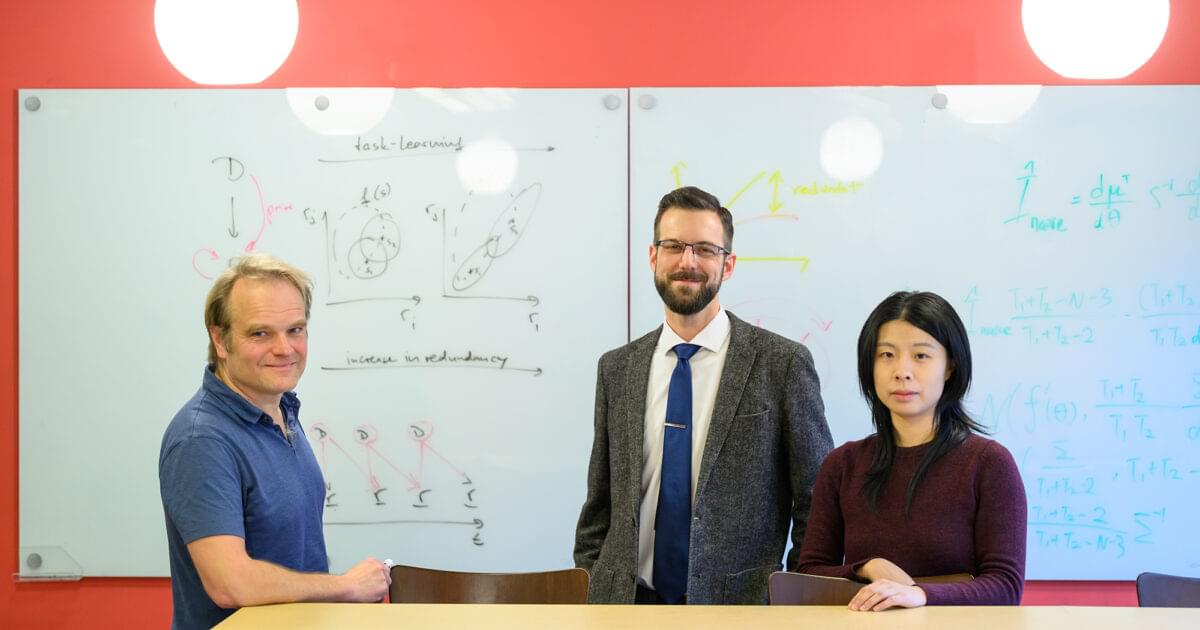
When you get better at a skill—recognizing a familiar face in a crowd, spotting a typo at a glance, or anticipating the next move in a game—sensory neurons in your brain become more coordinated, sharing information rather than acting more independently. That’s the conclusion of a new study by researchers at the University of Rochester and its Del Monte Institute for Neuroscience, published in Science, which challenges a long-held assumption in neuroscience that learning improves efficiency by minimizing repetition across neural signals.

Led by Shizhao Liu, a graduate student in the labs of Ralf Haefner and Adam Snyder, both faculty members in the Department of Brain and Cognitive Sciences, the study shows that learning instead increases shared activity among neurons. The findings could provide insights into learning disorders and inspire more flexible, human-like artificial intelligence tools.

“The dominant view in neuroscience has been that learning makes the brain more efficient by pushing neurons to act more independently, so information can be read out more cleanly,” Liu says. “Our results support a different idea, that sensory areas of the brain aren’t just passively encoding the world. They’re actively performing inference by combining what’s coming in with what the brain has learned to expect.”


A new University of Rochester study could reshape how scientists think about perception, learning disorders, and artificial intelligence.

Navigating Postacute Care Options for Patients After Hospital Discharge: A Review

Approximately 25% to 40% of hospitalized adults are discharged to receive postacute care either at home through home health or in skilled nursing facilities, inpatient rehabilitation facilities, or long-term acute care hospitals.

This Narrative Review considers postacute care settings to assist hospital-based clinicians in effectively collaborating with patients, caregivers, and interdisciplinary care teams to facilitate transitions to high-quality postacute care.


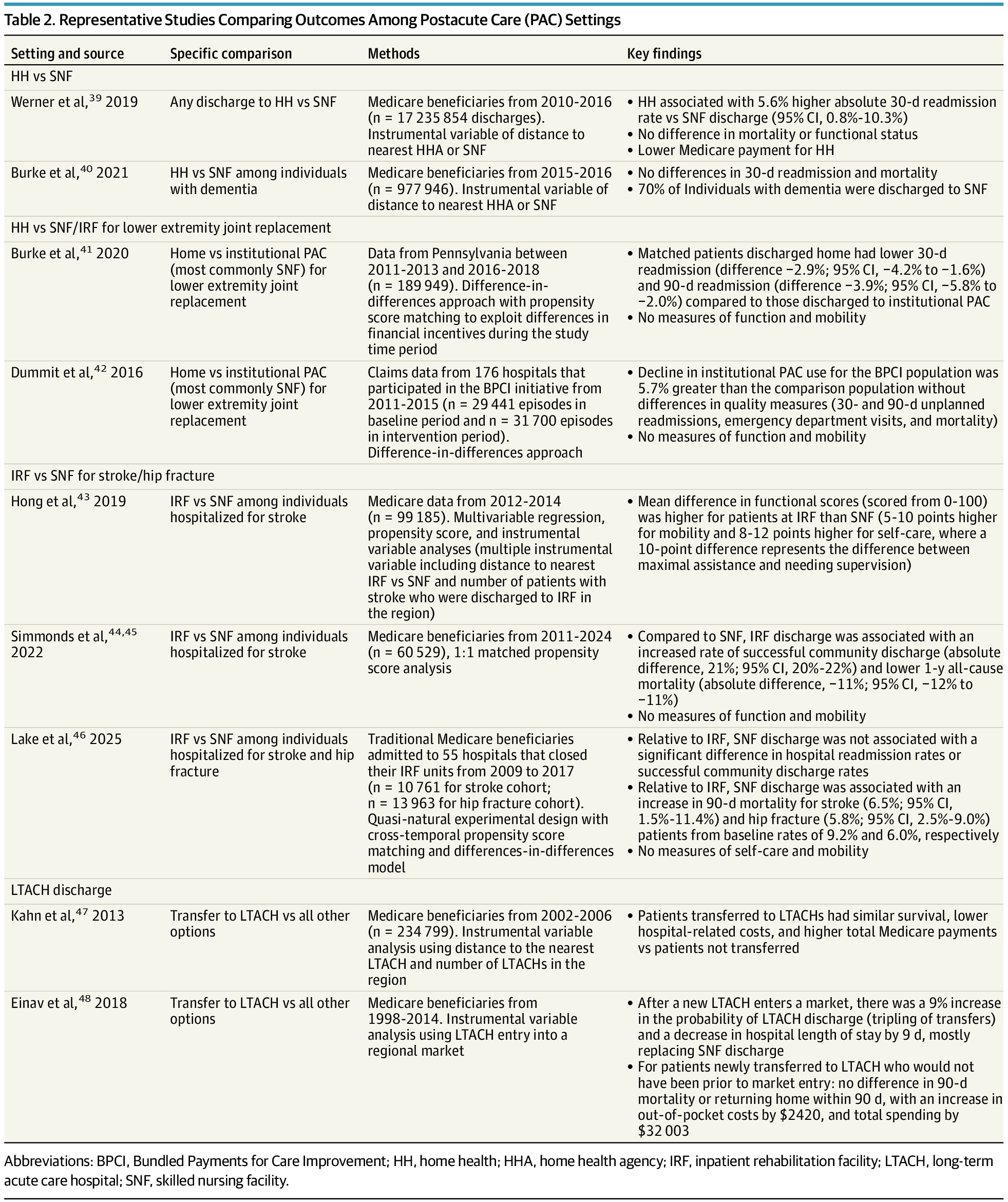
Clinicians often care for patients who cannot return to their previous level of support in the community due to new functional impairments or complex posthospital care needs. After hospital discharge, these patients may require postacute care (PAC)—broadly defined as medical and rehabilitative services intended to help individuals recuperate and rehabilitate. PAC can be provided at home through home health (HH) or in skilled nursing facilities (SNFs), inpatient rehabilitation facilities (IRFs), and long-term acute care hospitals (LTACHs). A key criterion for PAC eligibility is the need for skilled nursing and/or rehabilitative services as determined by the treating physician.1-3 Payers require that these health services be reasonable and necessary for the treatment of a specific illness or injury, and that given their complexity (eg, wound care, intravenous infusion), they be provided only by a health professional. Yet, clinicians often play a passive role in PAC planning; many report a lack of knowledge around PAC capabilities, quality, and constraints.4-6

The epidemiology of PAC in the US is best understood for Traditional Medicare (or fee-for-service). Among hospitalized Medicare beneficiaries, approximately 40% were discharged to PAC in 2023: 18% to HH, 17% to SNF, 5% to IRFs, and 1% to LTACHs,7 accounting for approximately $60 billion of Medicare spending annually.7 Up to three-quarters of regional differences in Medicare spending are attributable to PAC, suggesting that discharge decisions are often driven by local practice norms rather than patient need. This underscores the need to improve and standardize PAC best practices.8,9

Hospital-based physicians, nurse practitioners, and physician assistants play an important role in PAC discharge planning due to their in-depth understanding of a patient’s complex medical needs. A better understanding of the qualifications and services provided can help clinicians engage in a more helpful role in the PAC discharge planning process. This Narrative Review provides an overview of PAC settings with the goal of helping clinicians collaborate most effectively with patients, caregivers, and interdisciplinary care teams to promote transition to high-quality PAC. We present a general summary of the most common types of PAC, followed by a comparison of the supporting evidence for each PAC setting. Descriptions of elements of PAC are based on the benefits covered by Traditional Medicare, which generally inform other payers’ coverage policies. Lastly, we review best practices for clinicians to actively discuss PAC options with patients, helping to orchestrate transitions of care to PAC for eligible individuals.

/* */