Toggle light / dark theme

Get the latest international news and world events from around the world.

Log in for authorized contributors

Handwriting vs. typing: 30 brain studies reveal which is better for your brain

From the article:

“A review of brain imaging studies found that handwriting activates a broader network of neural pathways than typing or tapping, engaging fine motor skills, memory encoding, and deeper cognitive processing simultaneously. The physical act of forming letters on paper recruits brain regions that digital input simply doesn’t reach. Studies suggest that the pen engages what some researchers describe as a “symphony of neural pathways,” connecting motor control to thought formation in ways that keyboards and touchscreens may bypass.”

The Simulation Hypothesis Gets Scientific Backing

Use promo code SABINE2026RC to get 5% off all devices and accessories at https://radiacode.com.

Radiacode – the world’s first series of pocket-sized radiation detectors and spectrometers, engineered for natural science enthusiasts.

Do we live in a computer simulation? So far this question has been pursued mostly by philosophers because it was just too vague to make scientific sense of it. But this situation has changed now. Physicists are beginning to explore the consequences of the simulation hypothesis and a computer scientist has proposed a scientific framework to make sense of it. Let’s take a look.

Paper: https://iopscience.iop.org/article/10.1088/2632-072X/ae1e50

👕T-shirts, mugs, posters and more: ➜ https://sabines-store.dashery.com/
💌 Support me on Donorbox ➜ https://donorbox.org/swtg.
👉 Transcript with links to references on Patreon ➜ https://www.patreon.com/Sabine.
📝 Transcripts and written news on Substack ➜ https://sciencewtg.substack.com/
📩 Free weekly science newsletter ➜ https://sabinehossenfelder.com/newsletter/
👂 Audio only podcast ➜ https://open.spotify.com/show/0MkNfXlKnMPEUMEeKQYmYC
🔗 Join this channel to get access to perks ➜
https://www.youtube.com/channel/UC1yNl2E66ZzKApQdRuTQ4tw/join.
📚 Buy my book ➜ https://amzn.to/3HSAWJW

#science #sciencenews #physics #simulation

Senovax takes a novel approach

Senescent “zombie” cells accumulate as we age, releasing inflammatory signals that damage surrounding tissue. Senovax takes a novel approach: train the immune system to recognize these cells and eliminate them. By exposing dendritic immune cells to lab-generated senescent cells, the body learns the markers that identify aging cells. The result: the immune system creates a “wanted poster” and begins targeting senescent cells throughout the body. Unlike drugs that must reach specific tissues, the immune system already travels everywhere — and it remembers. One treatment could potentially provide long-lasting protection.

Read more

A new way to deliver antibodies could make treatment much easier for patients

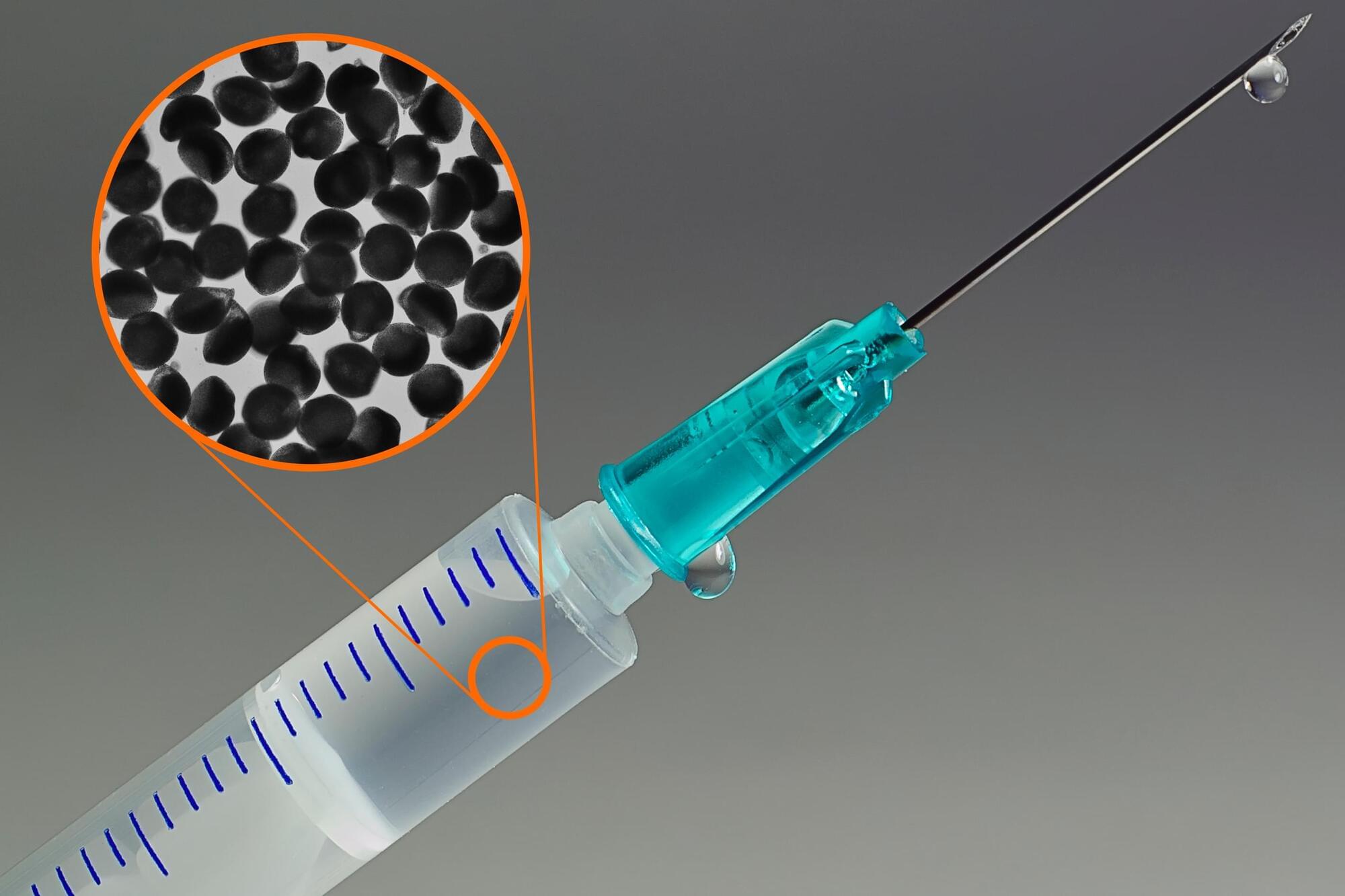
Antibody treatments for cancer and other diseases are typically delivered intravenously, because of the large volumes that are needed per dose. This means the patient has to go to a hospital for every treatment, where they may spend hours receiving the infusion.

MIT engineers have now taken a major step toward reformulating antibodies so that they can be injected using a standard syringe. The researchers found a way to create solid particles of highly concentrated antibodies, suspended in a solution. These particles carry enough antibodies that only about 2 milliliters of solution would be needed per dose.

This advance could make it much easier for patients to receive antibody treatments, and could make treatment more accessible for patients who have difficulty coming into a hospital, including older people.

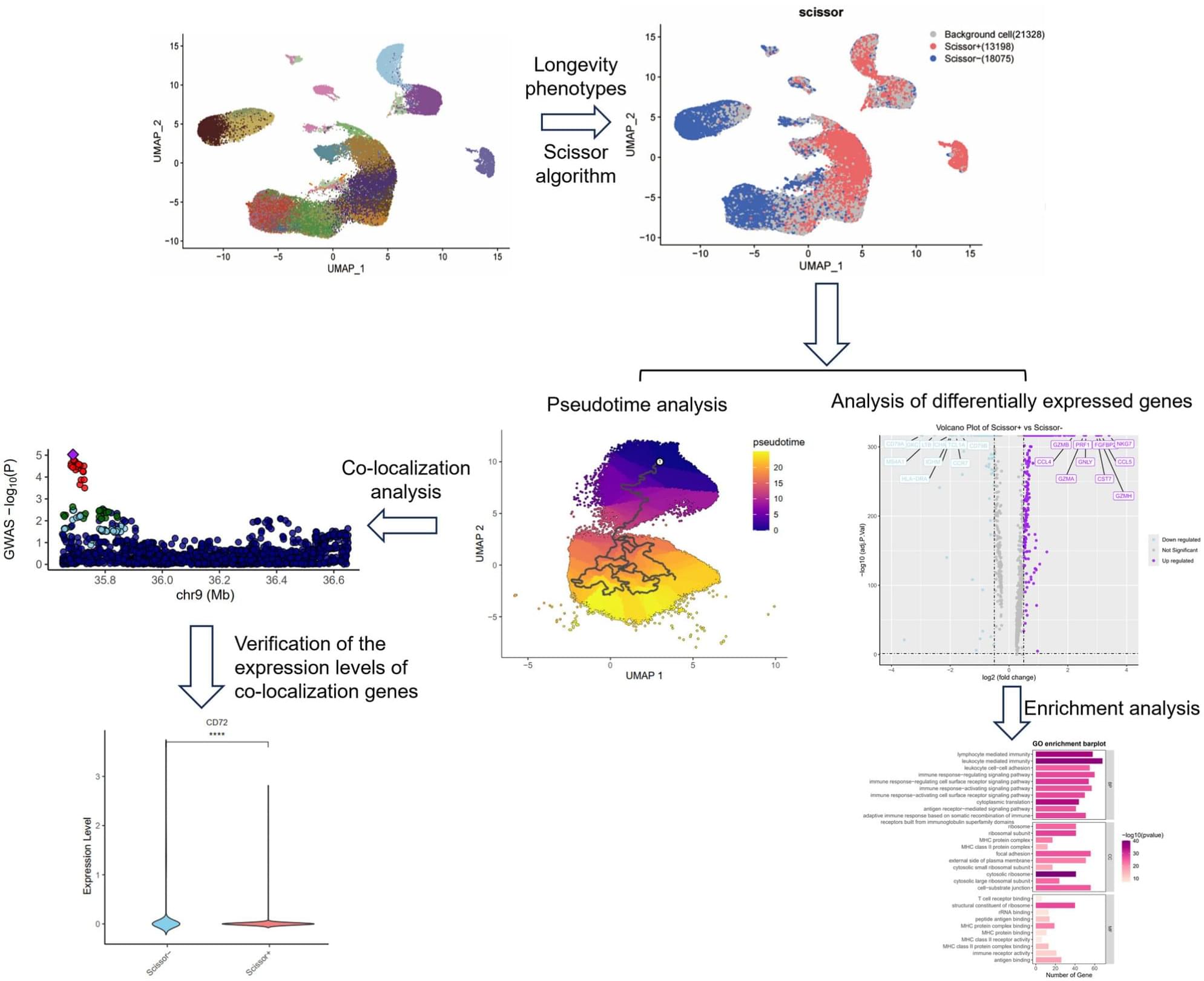
The Immune Cell Atlas of “Longevity Molecular Tag”: Identification of Principal Immune Cell Subsets and Their Underlying Molecular Regulatory Mechanisms

Immunosenescence represents a critical aspect of the aging process. Centenarians, serving as a nature model of “healthy aging,” demonstrate a distinctive immune “compensatory adaptation” mechanism that contributes to the maintenance of immune homeostasis. However, the specific immune cell subsets involved and the molecular mechanisms underlying these phenotypic traits remain incompletely understood. In this study, we integrated single-cell RNA sequencing data spanning the entire lifespan of East Asian populations with bulk transcriptomic data from a centenarian cohort in Guangxi. Utilizing the Scissor algorithm, we identified immune cell subpopulations positively (Scissor+) and negatively (Scissor) associated with longevity phenotypes, thereby constructing an immune cell atlas of “Longevity Molecular Tag.” Our findings indicate that Scissor+ cells predominantly comprise natural killer (NK) cells, CD8+ T cells, and γδ T cells, characterized by enhanced cytotoxic and immunomodulatory functions. Conversely, Scissor cells mainly include CD4+ T cells, B cells, and dendritic cells (DCs), which are linked to inflammatory signaling pathways and Th17/Th1 differentiation. Trajectory analysis elucidated the differentiation pathways of NK, CD8+ T cells, CD4+ T cells, and B cells. Differentially expressed genes were enriched in pathways such as NF-κB signaling, T cell receptor signaling, and NK cell cytotoxicity. Furthermore, co-localization analysis revealed five eQTL-colocalized events (rs3793537–GLIPR2/CD72/TLN1 and rs8019902–TRDV2/TRDC) associated with longevity. Collectively, these results suggest that centenarians achieve immune equilibrium by remodeling cytotoxic immune lineages and finely tuning inflammatory responses, thereby promoting health span and longevity. This study offers novel insights into potential strategies for modulating immunosenescence.

The Strehler-Mildvan mortality correlation arises from changes in the variability of ageing

As global human life expectancy continues to rise, accompanying increases in healthspan that prevent morbidity expansion become increasingly imperative. Population lifespan can increase in distinct ways, for instance through rectangularisation (steepening) or triangularisation (flattening) of survival curves. These two demographic changes, particularly rectangularisation, occur frequently across human and model organism populations, yet their biological determinants and effects on healthspan and morbidity are largely unknown. Notably, these modes of life-extension occur when parameters of the Gompertz mortality model (capturing exponential age-increases in mortality rate) change inversely, a widely-reported phenomenon known as the Strehler-Mildvan correlation — whose biological basis also remains unexplained. We therefore investigated longitudinal health, morbidity and lifespan in 30 Caenorhabditis elegans cohorts using multiple life-extension protocols. We report that survival curve rectangularisation results from healthspan expansion in short-lived population members, whereas triangularisation from healthspan and morbidity expansion in long-lived population members. Interestingly, rectangularisation and triangularisation respectively decrease and increase inter-individual variation in the ageing process, and the mode of life-extension that occurs depends on levels of existing variation. Notably, triangularisation was more effective at extending lifespan without morbidity expansion. Analysis of fruit fly and mouse data show that these biological determinants of the Strehler-Mildvan correlation are also largely evolutionarily conserved.


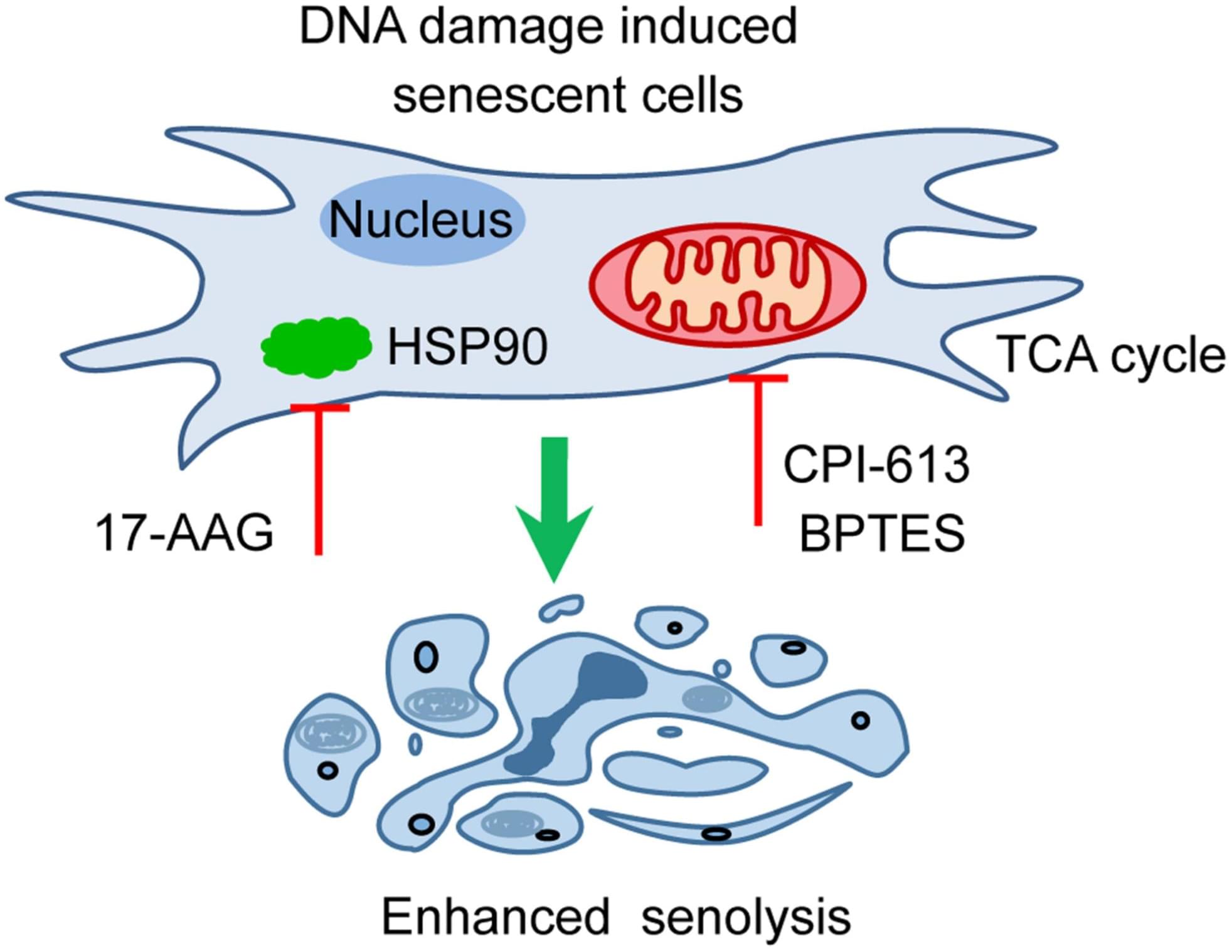
Decreased Glucose Metabolism and Declined Chaperones Are Unique Features Required for the Survival of Senescent Fibroblasts and Pyruvate Dehydrogenase Is a Potent Senolytic Target

By a global proteomic profiling of senescent human BJ fibroblasts induced by ionizing radiation, 178 cellular proteins with at least 4-fold or greater changes in abundance were identified, representing the cellular landscape of the senescent fibroblasts. Functional enrichments and biological experiments demonstrated that the decreased glucose metabolism, reduced ATP and alpha-KG production, and declined chaperones are the most striking features associated with senescent fibroblasts. Moreover, these proteomic features are closely correlated with their transcription alterations confirmed by RT-PCR. Respectively, inhibiting pyruvate dehydrogenase (critical enzyme to supply acetyl-CoA to TCA cycle) or glutaminase GLS1 (crucial enzyme to supplement TCA cycle intermediate alpha-KG) or inhibiting Hsp90 (important member of chaperones) led to the selective killing of senescent fibroblasts, indicating the essential roles of the TCA cycle or chaperones in the survival and maintenance of cellular senescence. Most importantly, co-inhibiting the TCA cycle and Hsp90 gave rise to the enhanced selective killing of senescent fibroblasts as well as the therapy-induced senescent cancer cells and the alleviation of physical dysfunctions in aged mice, suggesting the synergistic regulation of cellular senescence by the TCA cycle and chaperones. Thus, our profiling revealed key cellular features for the survival and maintenance in senescent normal cells, demonstrating that pyruvate dehydrogenase is a novel and potent senolytic target for the selective elimination of senescence.

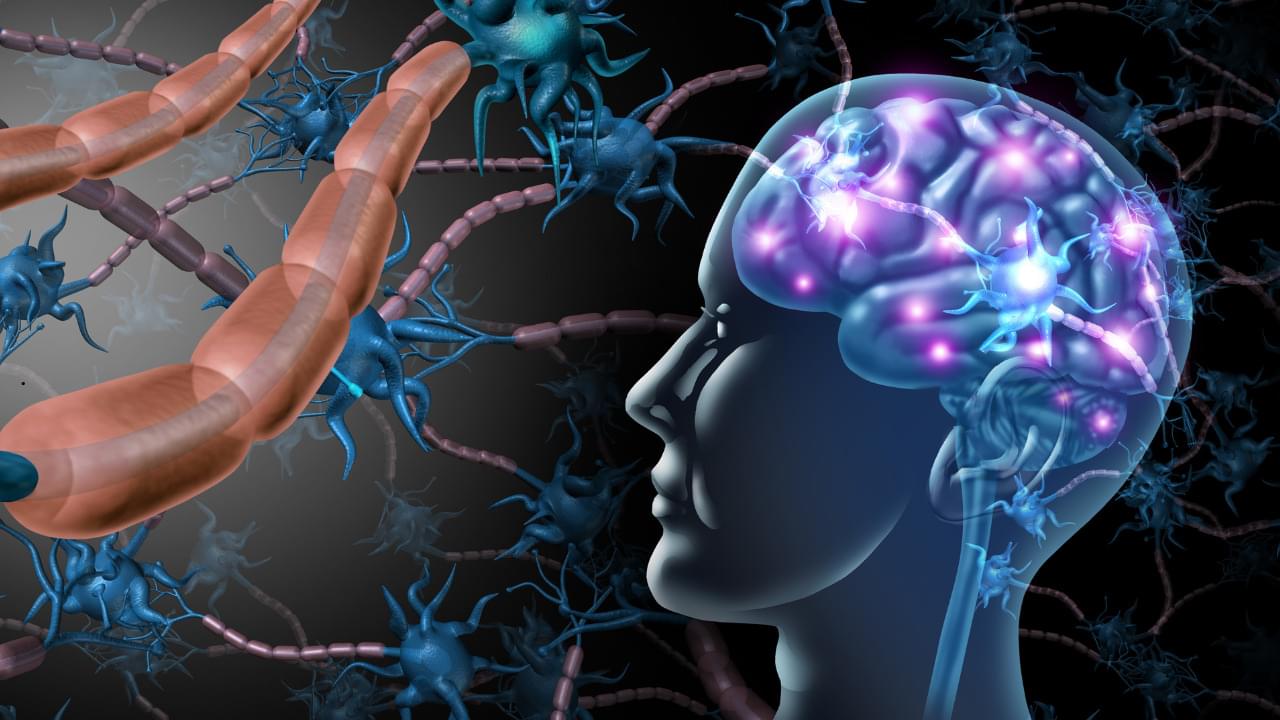
Scientists Find Protein Inside The Body That Reverses Brain Aging

Cyclin D-binding myb-like transcription factor 1 or DMTF1a key protein in the brain can help to regenerate neural stem cells and improve aging-associated memory decline. NUS scientists found that this protein’s levels are repressed in the “aged” neural stem cells, Health & Wellness News, Health and Me

/* */