Clarke called it magic. We call it applied topology. How the physics of Mirror-Mind geometry allows us to engineer localized miracles.

Scientists are discovering that targeting senescent cells the “aged” cells surrounding tumors may weaken cancer itself.
Cancer often forces nearby cells into accelerated aging. Those senescent cells then release growth factors that help the tumor survive and expand.
A new therapy called Senovax aims to eliminate those surrounding cells, effectively collapsing the tumor’s support system.
Preclinical data from Immortebio shows tumor reduction in mouse models of:
Lung cancer.

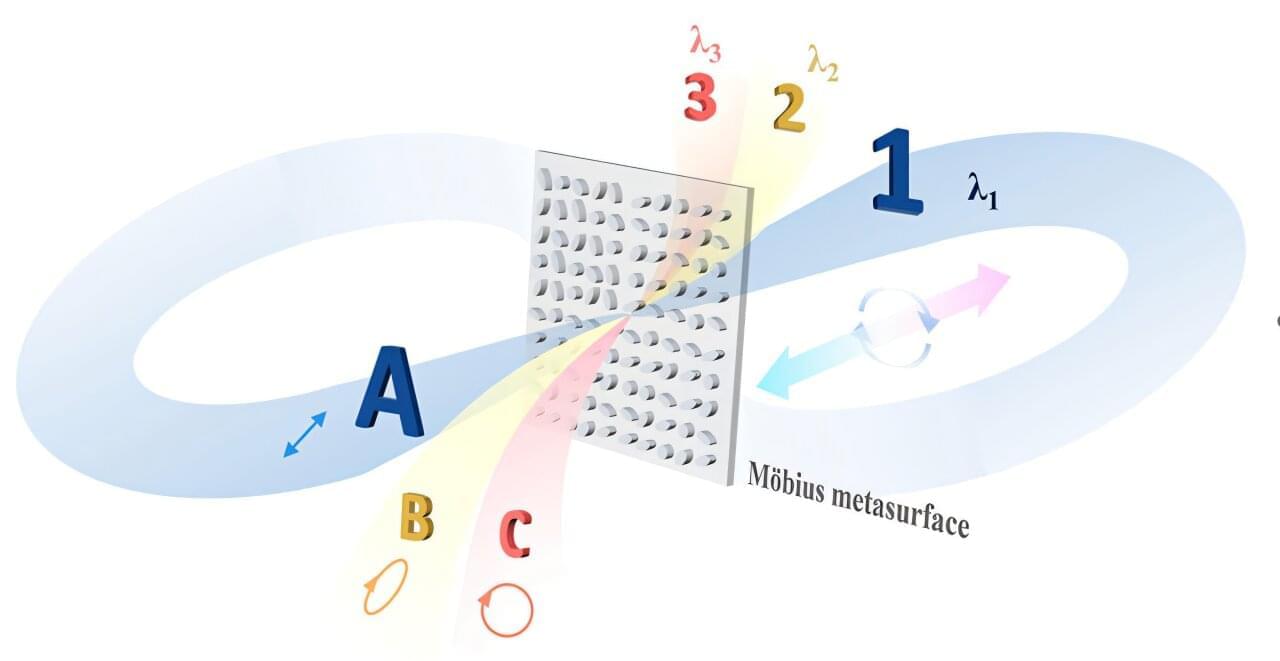
Light is an unusually rich carrier of information. Its direction of travel, wavelength, and polarization can all be used to encode signals or images. Yet controlling these properties independently remains difficult, especially when light can enter a device from either side.
In most optical materials—and even in many metasurfaces—the laws of reciprocity and time-reversal symmetry tightly link how a device behaves for forward and backward illumination. As a result, truly different responses in the two directions are hard to achieve in a compact optical element.
The challenge grows sharper when polarization is included. Many metasurfaces work only with simple polarization states, such as horizontal and vertical or left-and right-circular polarization.
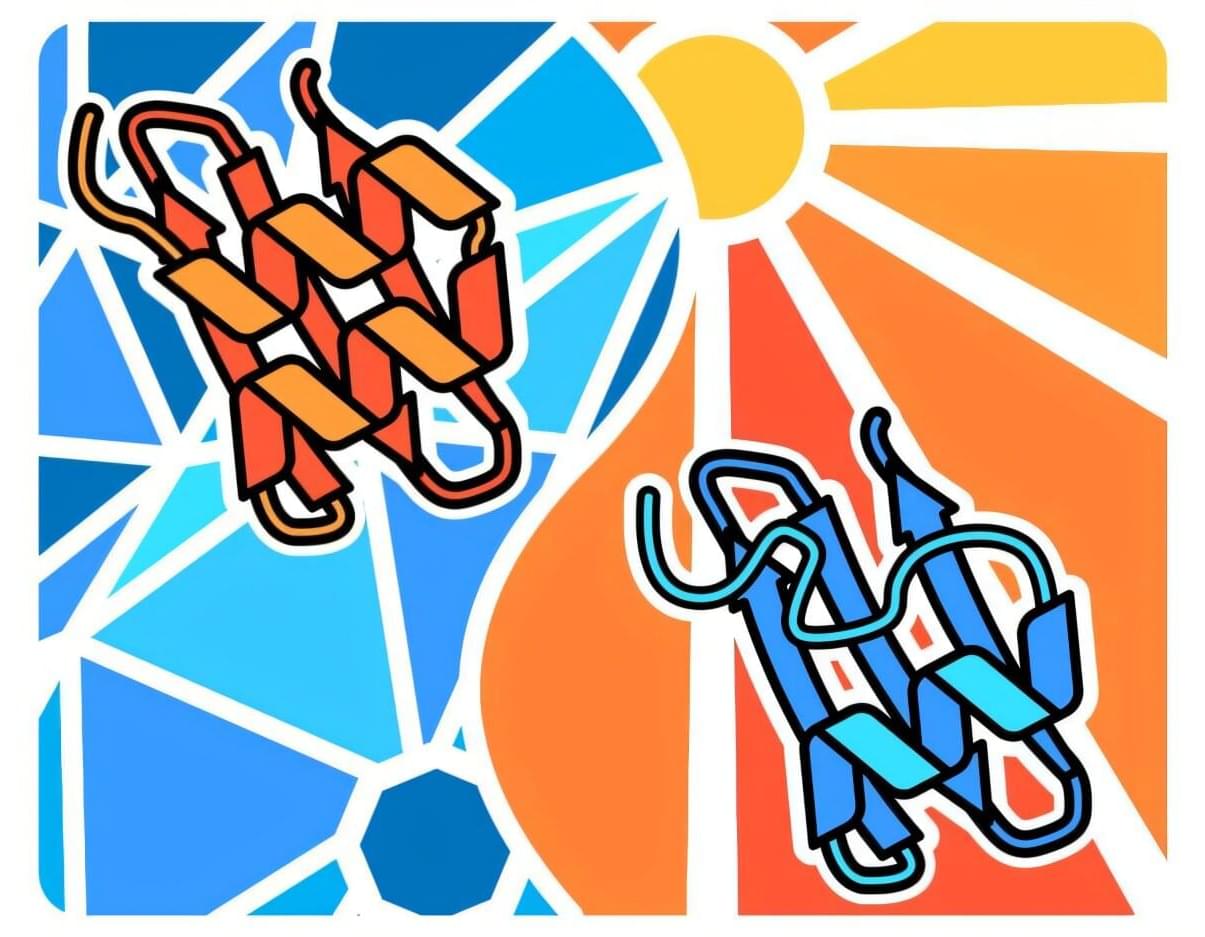
Protein activity can be precisely regulated via subtle changes in temperature using heat-sensitive switches. Underlying this capability is a novel modular design strategy developed by researchers at the Institute of Pharmacy and Molecular Biotechnology of Heidelberg University. The strategy allows the integration of sensory domains in various proteins regardless of function or spatial structure.
This new approach in the field of thermogenetics is broadly applicable and opens up new possibilities for precise, non-invasive control of different cellular processes. It was developed by a research team led by Prof. Dr. Dominik Niopek and Dr. Jan Mathony and is published in Nature Chemical Biology
Proteins are the molecular machines of the cell. They regulate nearly all vital processes and their responses are highly dynamic. To better understand these processes and their chronological sequence, scientists need tools that can be used to change individual parameters precisely and in a controlled manner. The most suitable proteins are those that can be turned on and off like technical devices. Especially attractive in this context are heat-sensitive protein switches that tightly regulate the temperature spatiotemporally and are able to deeply penetrate tissue or complex biological samples as a signal.
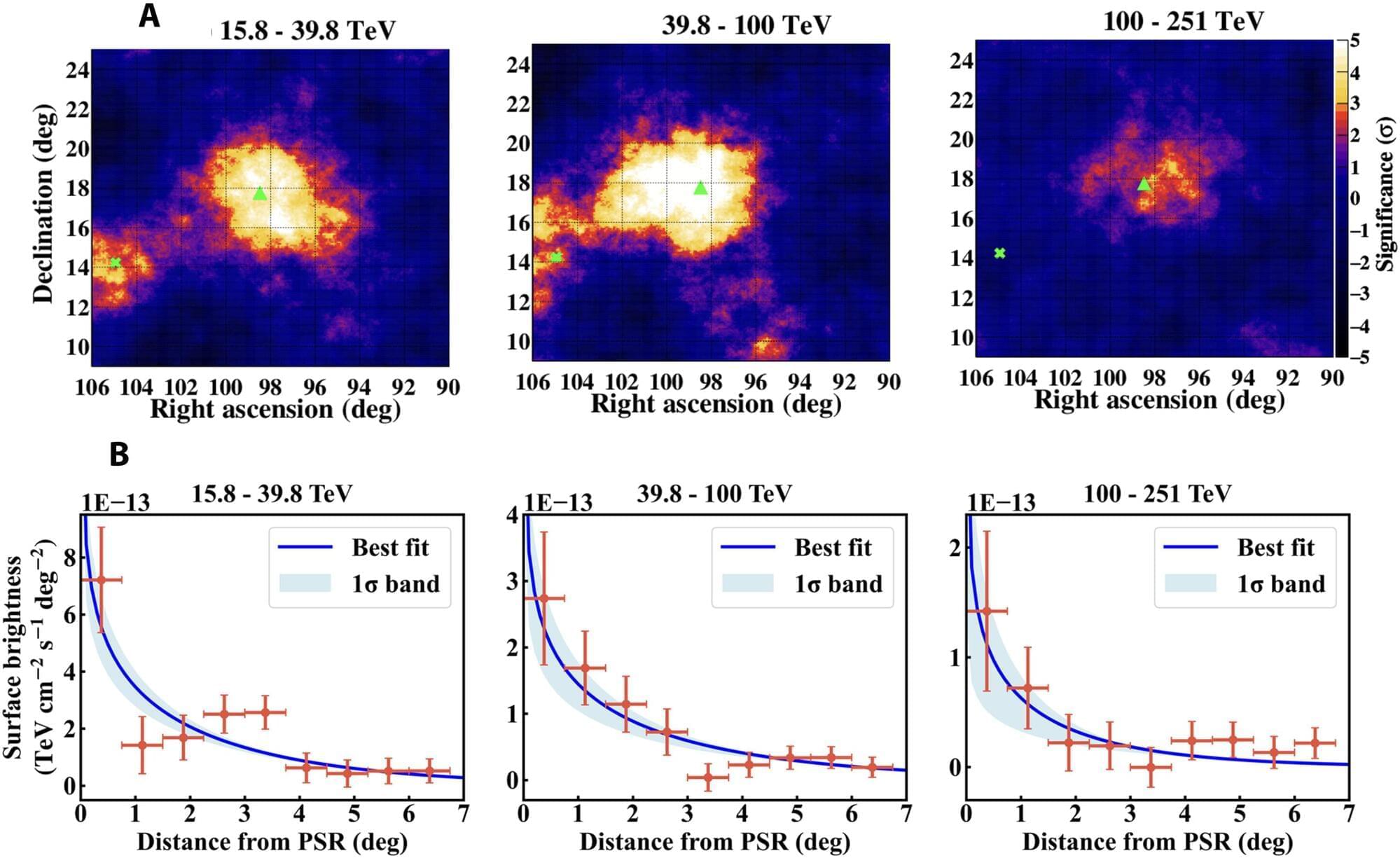
For the first time, the Tibet ASγ Experiment has successfully measured magnetohydrodynamic (MHD) turbulence on scales below one parsec (approximately 3.3 light-years) within the gamma-ray halo surrounding the Geminga pulsar wind nebula (PWN). This observation extends to the highest energies, above 100 tera-electron volts (TeV), providing new insights into the behavior of cosmic rays and magnetic fields within the Milky Way.
The findings are published in Science Advances. The study was conducted by the Tibet ASγ Experiment, including the Institute of High Energy Physics (IHEP) of the Chinese Academy of Sciences (CAS) and the National Astronomical Observatories of CAS.
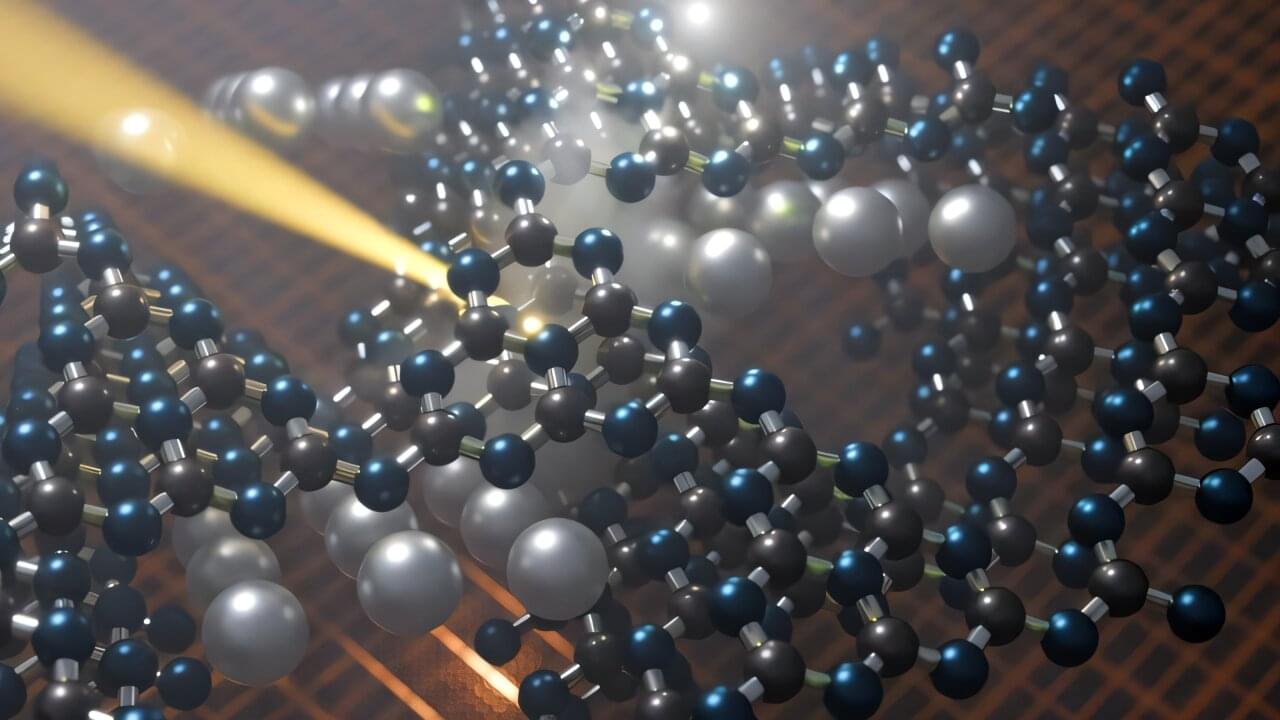
Photocatalysis promises an efficient conversion of abundant solar energy into usable chemical energy. Polyheptazine imides have some key structural and functional twists that make them especially interesting for photocatalysis. So far, there is only limited knowledge about how structural changes affect the electronic and optical properties of the many material candidates in this class. A team led by researchers from the Center for Advanced Systems Understanding (CASUS) at HZDR has now presented a reliable and reproducible theoretical method to solve this challenge that was confirmed by measurements done on genuine candidate materials.
Polyheptazine imides belong to the family of carbon nitrides, which are layered, graphene-like compounds composed of nitrogen-rich, ring-shaped units. Unlike graphene, which exhibits excellent electrical conductivity but lacks photocatalytic activity, polyheptazine imides possess band gaps suitable for visible-light absorption.
Carbon nitride-based materials impress due to their low production cost, nontoxicity and thermal stability. However, the first generation of such materials were not ideal photocatalysts as the materials possessed properties that hindered charge separation. If a material has a low charge separation, the electron excited by an incoming photon quickly recombines with the hole it was propelled from—and releases energy only as heat or light. No energy is available to drive chemical reactions.
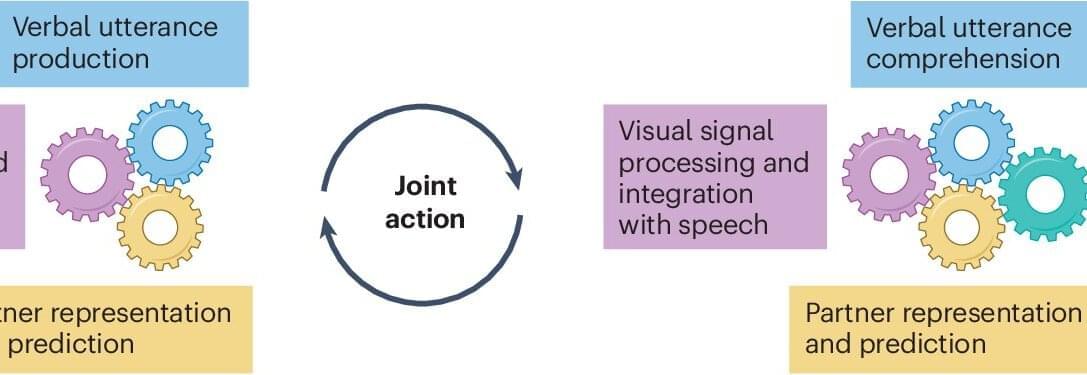
Think about the last time you told a story to a friend. You probably adjusted it halfway through. You saw their eyebrows lift. You noticed them lean in, or glance away. You clarified a detail. You sped up the ending. That constant fine-tuning is not a bonus feature of communication: it is communication. And you can read all about this real-time coordination process in a new review by Judith Holler and Anna K. Kuhlen (Max Planck Institute for Psycholinguistics), published in Nature Reviews Psychology.
Holler and Kuhlen argue that conversation is not simply one person speaking while another listens. It is a process in which both participants continuously monitor, predict, and shape each other’s behavior. “Conversation is not a linear exchange of words,” Holler writes. “It is a jointly managed activity in which meaning emerges through coordination.”
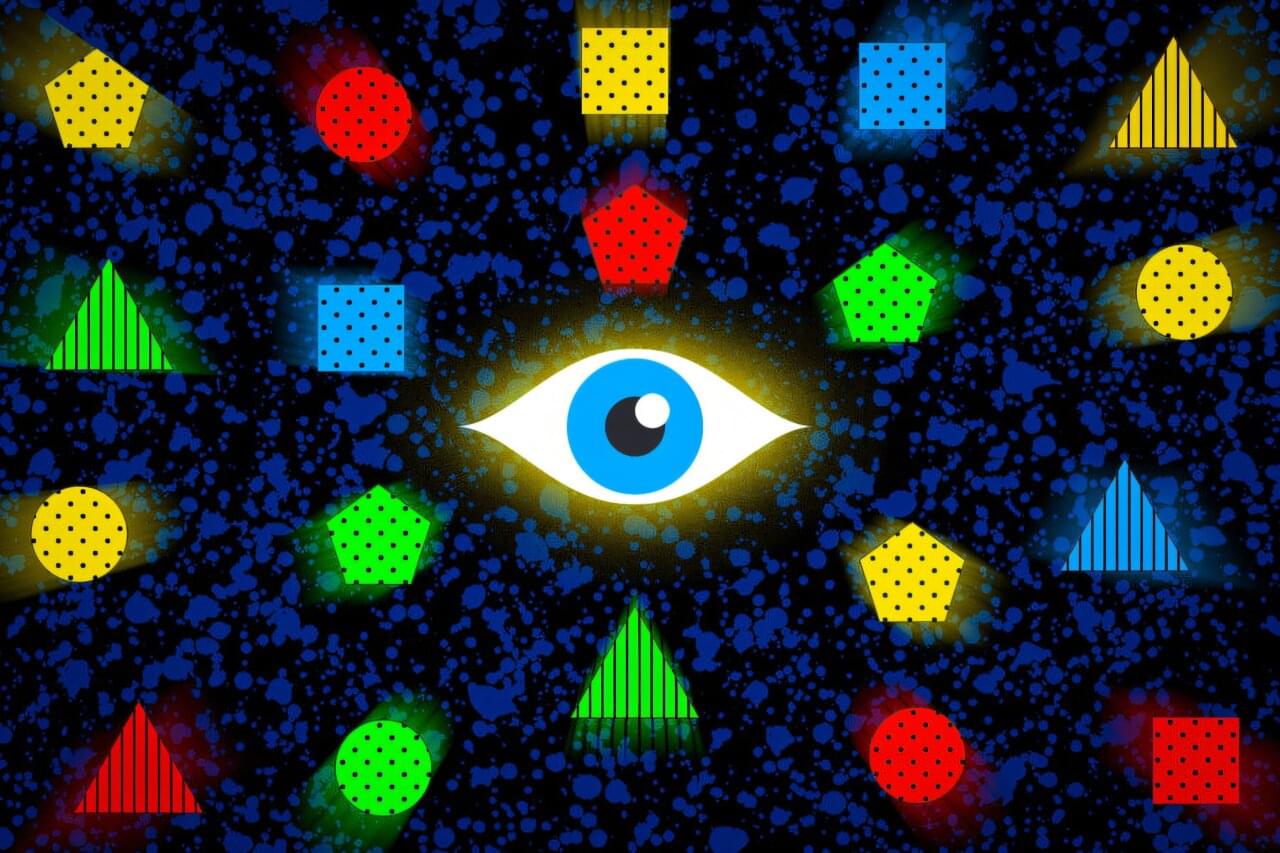
Expertise isn’t easy to pass down. Take riding a bike: A seasoned cyclist might talk a beginner through the basics of how to sit and when to push off. But other skills, like how hard to pedal to keep balanced, are more intuitive and harder to articulate. This implicit know-how is known as tacit knowledge, and very often, it can only be learned with experience and time.
But a team of MIT engineers wondered: Could an expert’s unconscious know-how be accessed, and even taught, to quickly bring a novice up to an expert’s level?
The answer appears to be “yes,” at least for a particular type of visual-learning task.