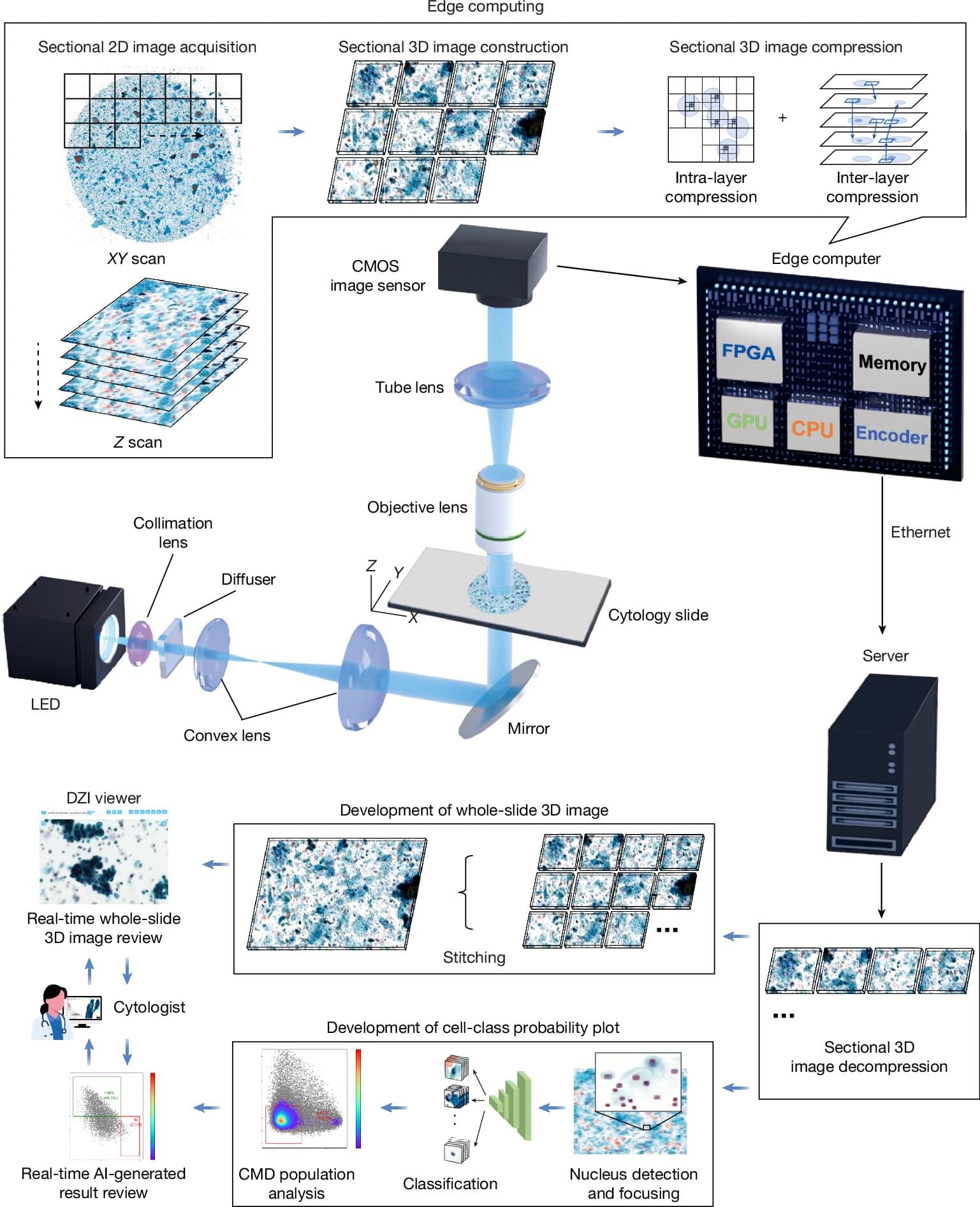
One way cancer specialists detect the disease is by examining cells and bodily fluids under a microscope, a time-consuming and labor-intensive process called cytology. It involves visually inspecting tens of thousands to one million cells per slide for subtle 3D morphological changes that might signal the onset of cancer. But AI offers an approach that is potentially faster and more accurate.
In a new study published in the journal Nature, researchers demonstrate an AI-powered 3D scanning system that can automatically sort through samples and identify abnormal cells with performance approaching that of human experts.
Building digital models The team developed a system called Whole-Slide Edge Tomography, which uses a scanner to capture a series of images at different depths to create a 3D digital model of every cell on a slide.
Up next. Brian Cox: The quantum roots of reality | Full Interview ► • Brian Cox: The quantum roots of reality |…
Time feels obvious, but physics tells a stranger story about its existence: Theoretical physicist Jim Al-Khalili explores why our sense of time may be incredibly misleading, including the idea that past, present, and future might all exist at once.
0:00 Chapter 1: Does time flow? 2:42 Why Time Feels Faster as We Age. 3:56 Time and Change in Philosophy and Physics. 5:28 Einstein and the End of Absolute Time. 6:19 Time in the Equations of Physics. 7:50 Chapter 2: How do we reconcile quantum field theory with the general theory of relativity? 12:10 Evidence for Time Dilation: Muons. 14:29 Gravity Slows Time: General Relativity. 19:22 Space-Time and the Block Universe. 21:55 Does Time Really Exist? 26:33 The Debate: Eternalism vs Presentism. 34:12 Chapter 3: Is There a “Now”? 40:40 Chapter 4: Why Does Thermodynamics Have a Direction in Time? 49:38 Quantum Entanglement and the Direction of Time. 55:10 Did Time Begin at the Big Bang? 45:00 Will Time End? 1:05:40 Chapter 5: Is Time Travel Possible?
A research team from the University of Minnesota has discovered that certain polyunsaturated lipids (fatty acids) can selectively eliminate senescent cells — aged, dysfunctional cells that accumulate in the body over time and contribute to chronic disease and aging. The mechanism involves triggering ferroptosis, a regulated form of cell death, which senescent cells are particularly vulnerable to due to their elevated iron levels and heightened oxidative stress. This marks the first demonstration that fatty acids can act as senolytics (agents that clear senescent cells). While clinical application remains premature — further testing on animal models of age-related diseases is still needed — the findings open a promising new avenue for developing senolytic therapies targeting aging and its associated conditions.
MINNEAPOLIS/ST. PAUL (03/12/2026) —New research from the University of Minnesota Medical School has identified fatty acids that selectively induce death in senescent cells — the culprits behind aging and many chronic diseases, opening new avenues for age-related therapies. The findings were recently published in Cell Press Blue.
The research team discovered certain naturally occurring polyunsaturated lipids can selectively remove senescent cells. Senescent cells are old, damaged cells that accumulate with age and contribute to aging and many age-related diseases like pulmonary fibrosis, osteoarthritis and loss of resilience to infections.
These lipids cause senescent cells to die through a process called ferroptosis, which is a regulated form of cell death that occurs when iron in the cell triggers damaging reactions in its fats. The study also showed that these aging cells have high levels of iron and oxidative stress, which makes them uniquely susceptible to this process. Since lowering the number of senescent cells is associated with better health in old age, these natural, active fats could be used as a treatment for age-related illnesses caused by cellular senescence.
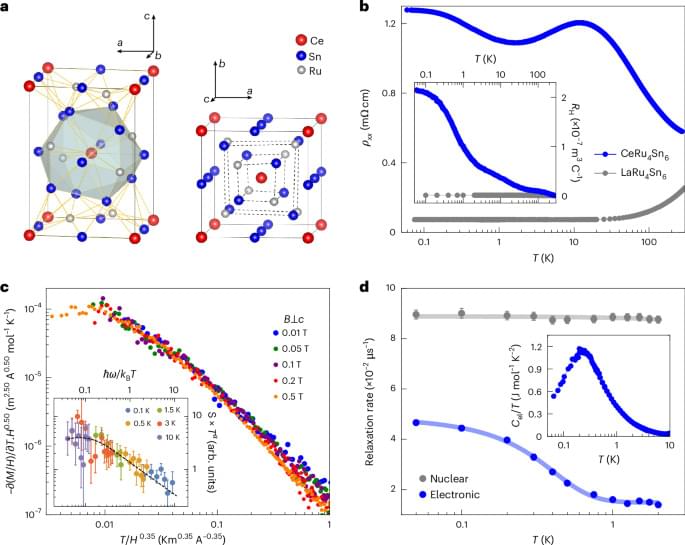
Consider a material that doesn’t just “have” a certain property, but spontaneously creates it out of total chaos. That is the essence of what researchers found in a recent study on a specific metal called CeRu4Sn6.
This isn’t just a lab curiosity. By proving that quantum fluctuations (the tiny, frantic jitters of atoms) can work together with a material’s symmetry to create new phases, the researchers have provided a new “treasure map.”
Key Takeaway: You don’t always need solid building blocks (quasiparticles) to build a structure; sometimes, the “jitter” of quantum physics is enough to weave a new reality.
Examples of materials with non-trivial band topology in the presence of strong electron correlations are rare. Now it is shown that quantum fluctuations near a quantum phase transition can promote topological phases in a heavy-fermion compound.
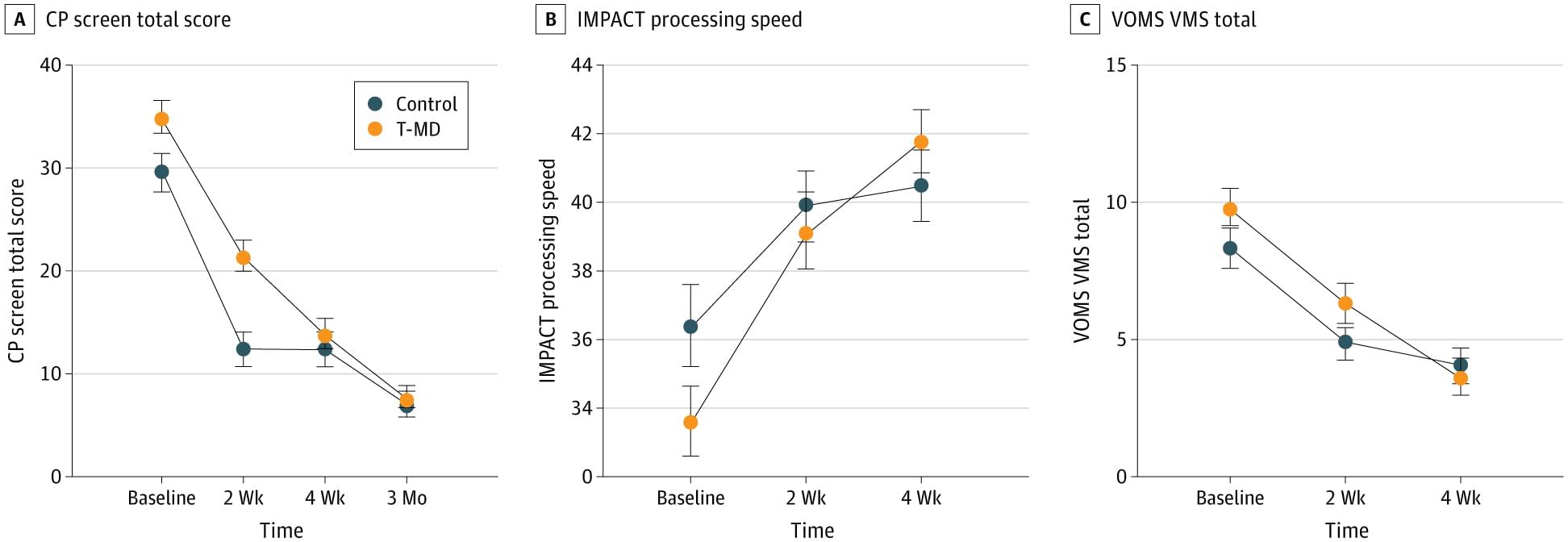
RCT: Among adults with mTBI, targeted multidomain interventions and usual care behavioral management resulted in similar improvements in overall symptom severity and patient-perceived recovery over 4 weeks.
Question Is a targeted multidomain (T-MD) intervention more effective than a standardized behavioral management intervention in adults with mild traumatic brain injury (mTBI)?
Findings In this randomized clinical trial of 162 patients, both the T-MD and behavioral management groups experienced similar improvements in mTBI symptom severity and perceived improvement in primary outcomes over 4 weeks.
Meaning The findings suggest that both T-MD and behavioral management are effective for improving global mTBI symptoms.
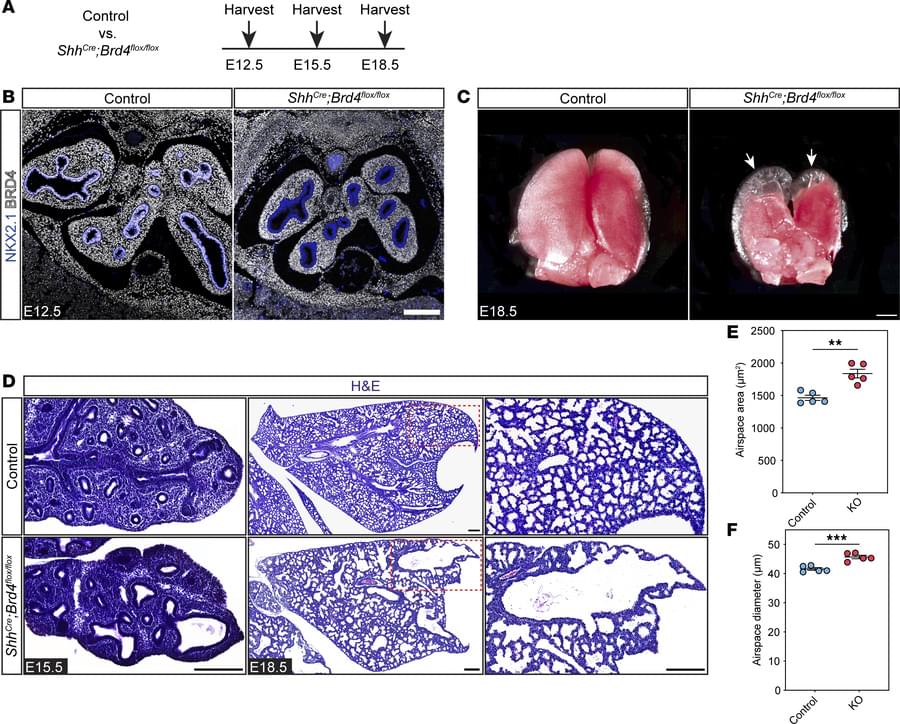
David B. Frank & team now report BRD4 regulates gene expression and cell differentiation of lung endodermal progenitors into epithelial cells of the lung airways:
The figure shows mutant lungs exhibit fewer and dilated airways with diminished SOX2 expression in distal airways in addition to the formation of cystic distal airway structures.
1Department of Pediatrics, Division of Cardiology, Perelman School of Medicine, University of Pennsylvania, and.
2CHOP Cardiovascular Institute, Children’s Hospital of Philadelphia, Philadelphia, Pennsylvania, USA.
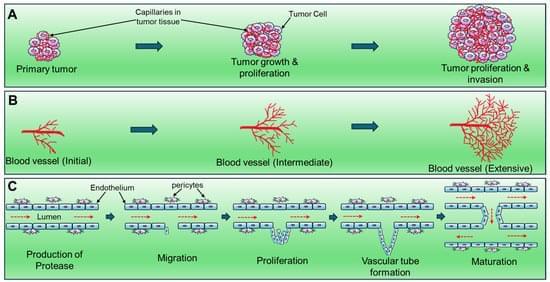
Tumor angiogenesis, the formation of new blood vessels within the tumor microenvironment, is considered a hallmark of cancer progression and represents a crucial target for therapeutic intervention.
At conferences. After keynotes. In the Q&A. In the parking lot on the way out.
What skills will matter when AI can do almost everything?
Here is the framing principle that governs my answer:
The skills that will matter most are not the skills AI does best. They are the skills AI cannot replicate — and the ones that become more valuable precisely because AI makes everything else cheap.
When answers are free, questions become priceless.
When content is infinite, context becomes everything.
Southwest Research Institute was part of an international team that demonstrated how complex organic molecules (COMs), key chemical precursors to life, could have been incorporated into Jupiter’s Galilean moons during their formation. The team’s findings have resulted in complementary studies published in The Planetary Science Journal and Monthly Notices of the Royal Astronomical Society, offering new insights into the potential for life in the Jovian system.
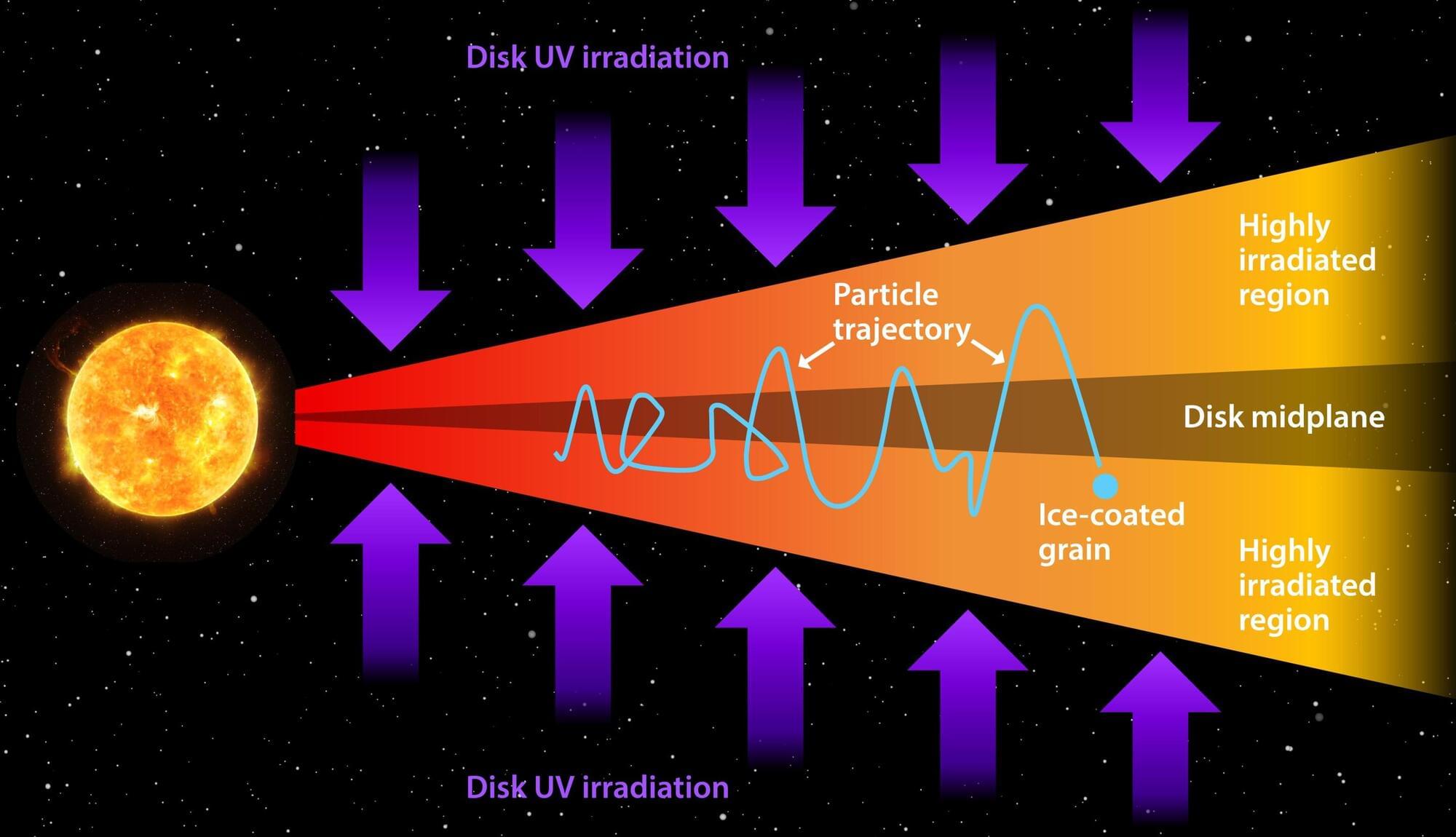
How complex organics can form Carbon-rich compounds containing oxygen, nitrogen and other elements are necessary for living matter to form. Laboratory experiments have shown that COMs can form when icy grains containing methanol or mixtures of carbondioxide and ammonia are exposed to either ultraviolet radiation or moderate heating under conditions found in protoplanetary disks. These disks of gas and dust surround newly formed stars that eventually form planets.
“By combining disk evolution with particle transport models, we could precisely quantify the radiation and thermal conditions the icy grains experienced,” said Dr. Olivier Mousis of SwRI’s solar system science and exploration division, who is lead author of one of the two studies. “Then we directly compared our simulations with other laboratory experiments that produce COMs under realistic astrophysical conditions. The results showed that COM formation is possible in both the protosolar nebula environment and Jupiter’s circumplanetary disk.”
Delve into the groundbreaking world of CRISPR gene editing – a technology rapidly reshaping medicine and offering unprecedented hope for treating previously incurable diseases. This video explores the remarkable journey from basic scientific curiosity about bacterial defense mechanisms to the first-ever personalized gene therapies being administered in Germany and beyond.
Discover how scientists uncovered CRISPR, an ancient bacterial immune system that functions as a precise molecular “cut-and-paste” tool for DNA. Learn about the astonishing speed at which this discovery transitioned from laboratory research to clinical applications, culminating in FDA approval of treatments for sickle cell disease and beta thalassemia – conditions once considered devastatingly difficult to manage.
We’ll examine the details of these revolutionary therapies, including how they work to correct genetic defects and provide lasting relief for patients. Beyond current successes, explore the exciting potential of CRISPR to address a wide range of inherited disorders, from hereditary angioedema to various cancers.
The video highlights the extraordinary case of KJ, an infant who received a custom-designed CRISPR base editing therapy to treat a rare metabolic disorder – demonstrating the feasibility of truly personalized medicine tailored to individual genetic profiles. Understand how this breakthrough compresses years of research into mere months, paving the way for treating countless other rare diseases.
Finally, look ahead to the future with the emergence of TIGR systems, an even more advanced class of gene-editing tools discovered in viruses that infect bacteria. These next-generation technologies promise enhanced precision, broader targeting capabilities, and potentially safer therapeutic applications. Join us as we unpack this complex science and reveal how fundamental research continues to unlock the secrets of life and offer hope for a healthier future.