A sweeping genetic survey of Antarctic waters reveals a hidden microbial world with untold influence on Earth’s climate.


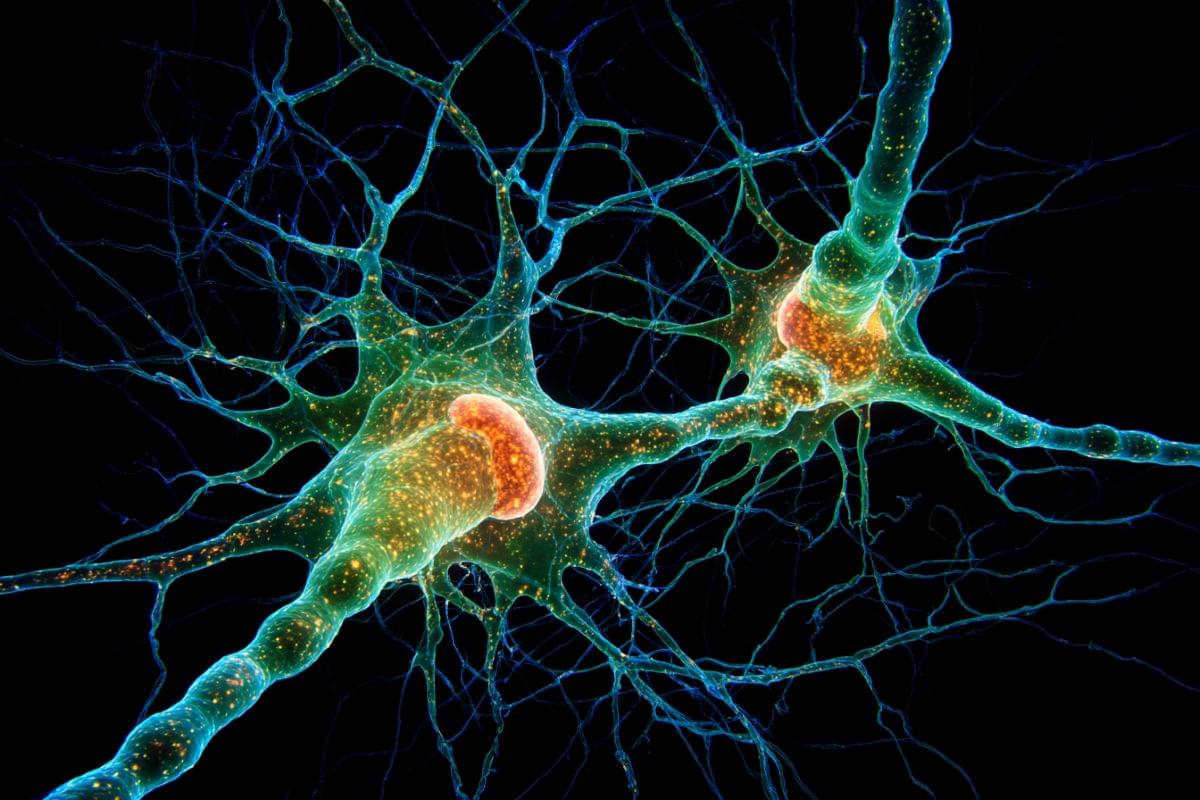
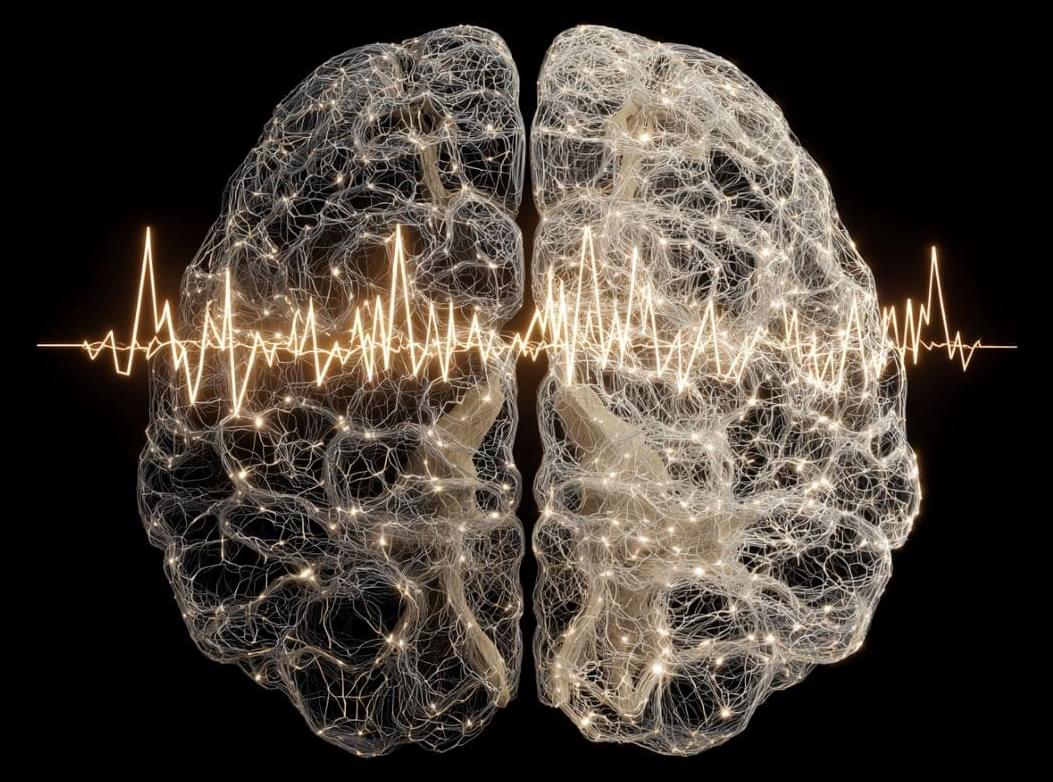



Video games offer adults a popular way to connect and unwind, but the specific reasons people pick up a controller can alter how they experience stress and life satisfaction. A new study reveals that playing primarily to win is linked to higher anxiety, while men and women often report different motivations for starting a game. These results were published in the Journal of Affective Disorders.
People engage with digital worlds for many different reasons. Some look for a temporary escape from daily responsibilities. Others want to challenge their reflexes, socialize with distant friends, or experience an interactive story.
Psychologists categorize these motivations into a few broad buckets based on the rewards they provide. The most common reasons include playing to relax, playing to improve one’s skills, playing to simply have fun, and playing to win. The video game uses and gratifications theory proposes that players actively seek out different digital experiences to satisfy specific psychological needs. These diverse starting goals can strongly alter the emotional impact of a gaming session.
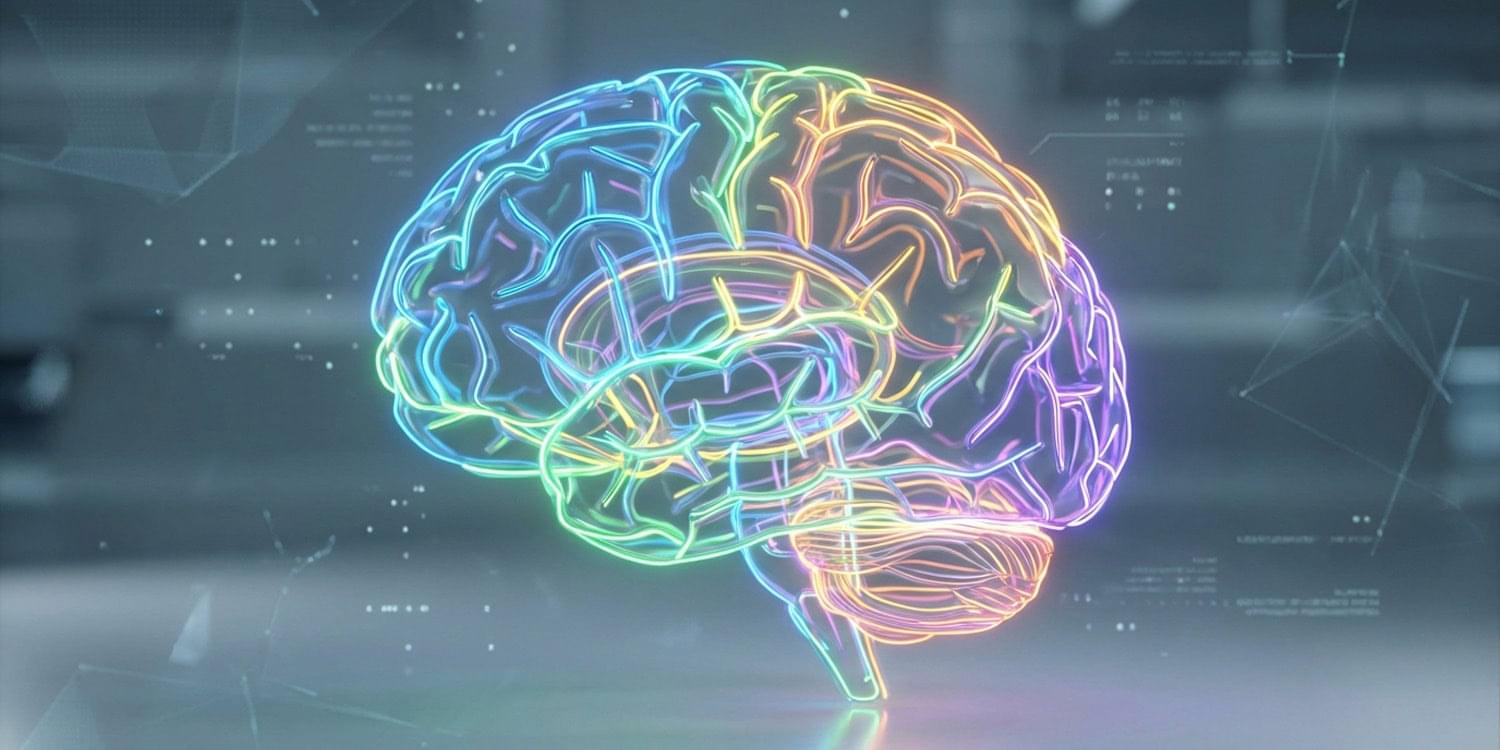
A recent study published in Human Brain Mapping provides evidence that young adults experiencing suicidal thoughts process concepts related to death differently in their brains compared to healthy individuals. The findings indicate that these individuals reflexively associate death-related ideas with their own sense of self. This research suggests that brain imaging combined with artificial intelligence could eventually help identify people at risk for suicide based on how their brains represent specific words.
If you or someone you know is experiencing suicidal thoughts or a mental health crisis, help is available. Call or text 988 to reach the free and confidential Suicide & Crisis Lifeline, or chat live at 988lifeline.org.
While mental health professionals typically rely on patients to report their feelings, people at risk for suicide do not always disclose their struggles. Finding an objective physical measurement in the brain could help identify those in need of support.

A recent study published in the journal Behaviour Research and Therapy provides evidence that people experiencing symptoms of depression hold genuinely pessimistic biases about future positive events, rather than simply viewing the world more realistically. The research suggests that while individuals with depression can update their beliefs when desirable things happen, these hopeful shifts tend to be fragile and easily reversed.
The study was designed to test whether the negative thinking patterns seen in depression reflect a genuine bias or just an absence of normal optimism. For decades, experts have debated the idea of depressive realism, a concept suggesting that depressed individuals actually see the world more accurately than healthy individuals, who tend to be overly optimistic. To test this, the researchers wanted to see how people predict everyday life events and how they adjust those expectations when real life proves them wrong.
“We know that depression involves a generally pessimistic outlook on life. Previous research has shown that people with high depressive symptoms tend to underestimate the likelihood of positive outcomes in their lives,” said study author Joe Maffly-Kipp, a postdoctoral fellow in the Mood & Individual Differences Lab (MIND Lab) at The Ohio State University Wexner Medical Center.

Axios 1.14.1 and 0.30.4 injected malicious [email protected] after npm compromise on March 31, 2026, deploying cross-platform RAT malware.