Toggle light / dark theme

Get the latest international news and world events from around the world.

Log in for authorized contributors

Clinical and laboratory features of juvenile-onset anti-NF155 autoimmune nodopathy

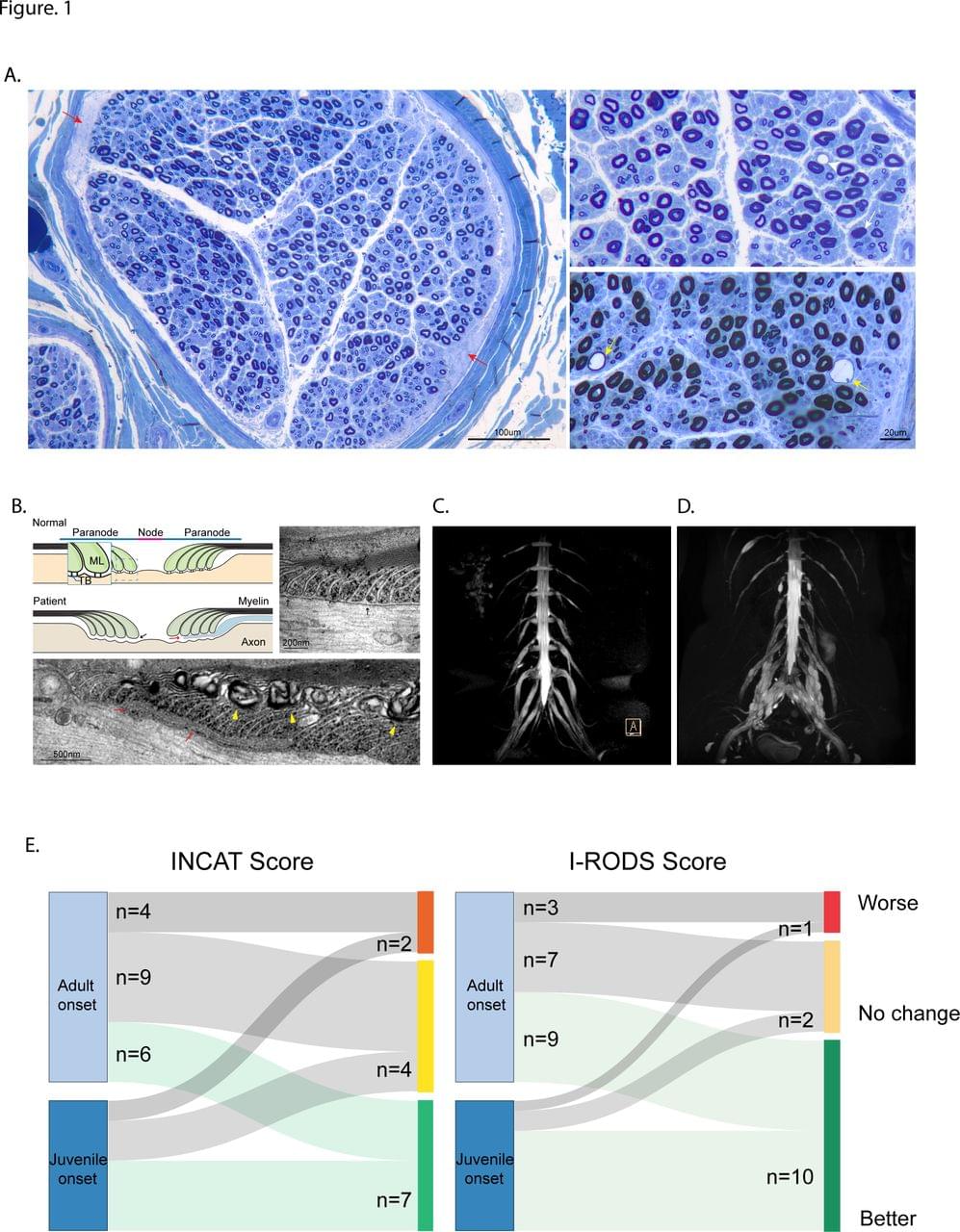
Background Neurofascin 155 autoimmune nodopathy (NF155 AN) is a recently recognised immune-mediated neuropathy distinct from chronic inflammatory demyelinating polyneuropathy. While adult-onset cases have been increasingly reported, the juvenile-onset form remains poorly characterised.

Methods We retrospectively analysed 36 patients with NF155 AN, focusing on detailed characterisation of 16 juvenile-onset cases. Their clinical and laboratory data were reviewed.

Results Juvenile-onset patients presented with sensorimotor neuropathy characterised by distal predominant weakness, tremor and sensory ataxia. Motor symptoms were the presenting feature in 75% of patients, which significantly differed from the adult cases (p=0.0015). Postural tremor was more frequent in juvenile patients (94%), while cranial nerve involvement was less common (19%).

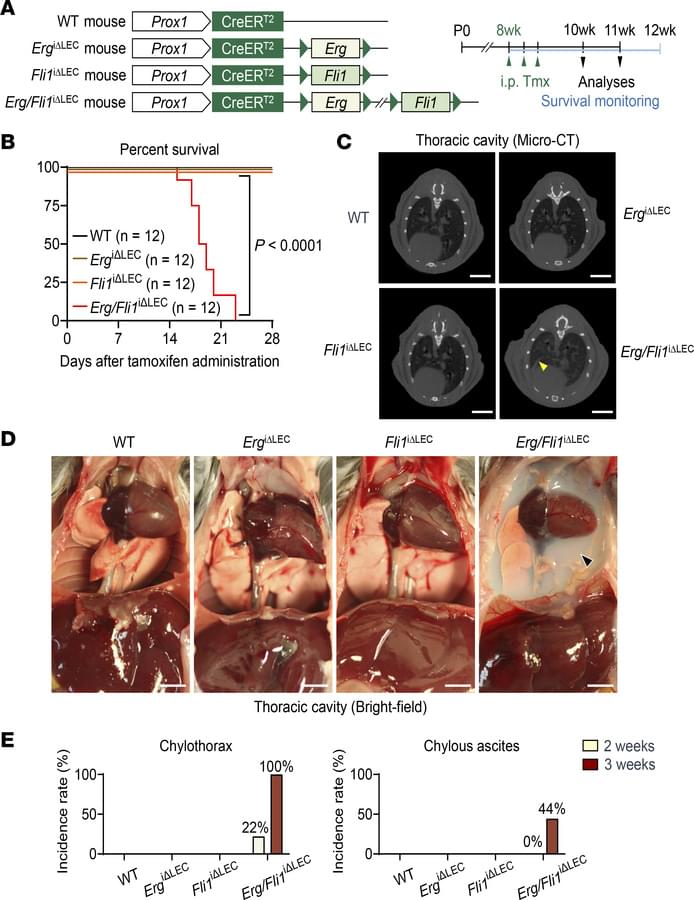
Abstract: These two transcription factors are required for regenerative lymphangiogenesis and repair following injury👇

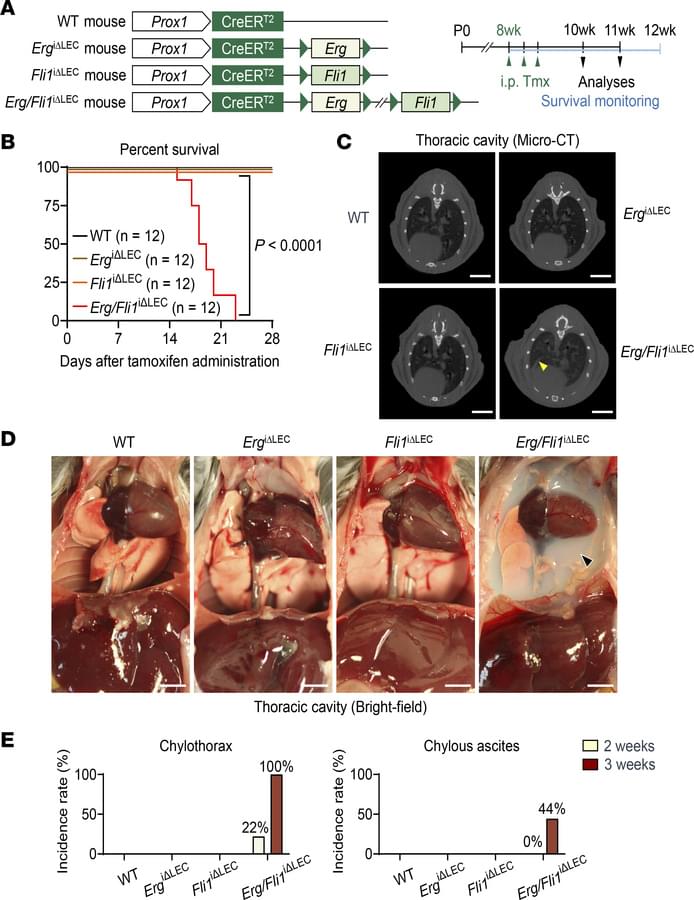
Gou Young Koh & team establish ERG and Fli1 as core transcriptional regulators of lymphatic identity, integrity, and function, using human cells and mouse models:

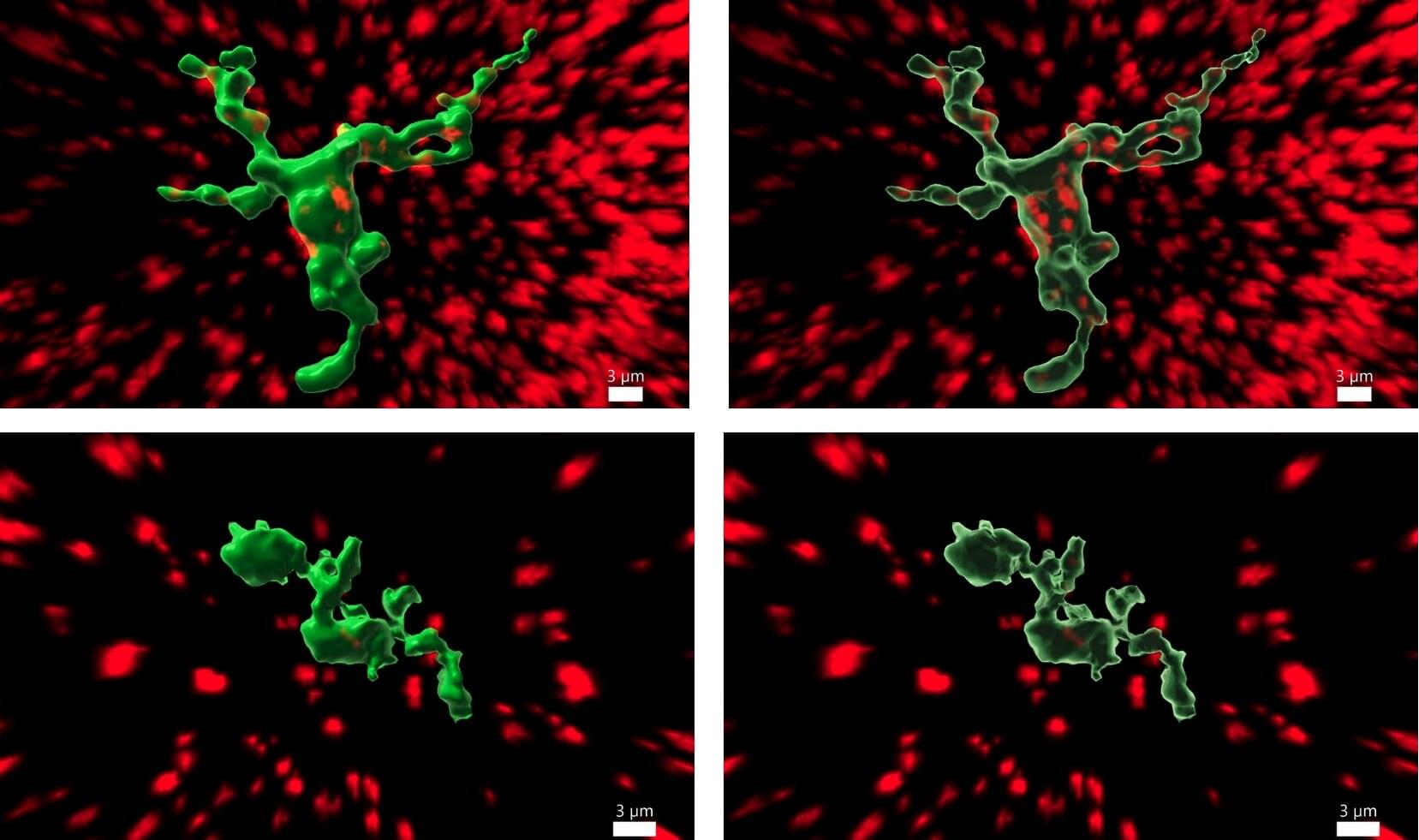
The figure shows stasis of mesenteric lymphatic drainage for a tracer (red) in Prox1-GFP-mice lacking Erg/Fli1 specifically in lymphatic endothelial cells compared with Prox1-GFP-WT mice; with Prox1-GFP marking lymphatic structures (green).


1Center for Vascular Research, Institute for Basic Science, Daejeon, South Korea.

2Graduate School of Medical Science and Engineering, Korea Advanced Institute of Science and Technology, Daejeon, South Korea.

Address correspondence to: Hyuek Jong Lee or Gou Young Koh, Center for Vascular Research, Institute for Basic Science, Daejeon 34,141, South Korea. Email: [email protected] (HJL); [email protected] (GYK).

Developmental reprogramming in melanocortin neurons modulates diet-induced obesity in mice

Reprogramming in melanocortin modulates diet-induced obesity.

Hypothalamic proopiomelanocortin (POMC) neurons promote satiety, while agouti-related peptide (AgRP) neurons drive hunger and maintain energy balance.

However, it is not clear how the system is diversified developmentally.

The researchers in this study show that transcription factor Otp act as a developmental ‘‘switch’’ in the hypothalamus and determines whether immature neurons become appetite suppressing (POMC) or appetite stimulating (AgRP).

Disrupting this switch reshapes feeding behavior and protects mice from obesity, revealing how early life programming shapes lifelong metabolic health. sciencenewshighlights ScienceMission https://sciencemission.com/melanocortin-neurons-modulates-diet-induced-obesity


Xu et al. show that a developmental “switch” in the hypothalamus determines whether immature neurons become appetite suppressing or appetite stimulating. Disrupting this switch reshapes feeding behavior and protects mice from obesity, revealing how early-life programming shapes lifelong metabolic health.

Setd4-expressing cells drive regenerative recovery in chronic liver injury

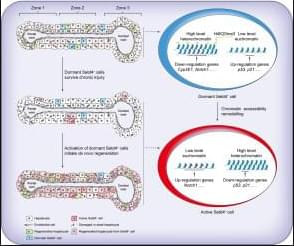
Liver regeneration in chronic disease is incompletely understood. In this issue, Jia and coworkers identify a distinct population of hepatocytes expressing Setd4 as key contributors to liver regeneration after chronic injury. Using lineage-tracing and ablation strategies in mouse models of chronic liver damage due to thioacetamide or 3,5-diethoxycarbonyl-1,4-dihydrocollidine diet, the authors show that Setd4+ cells are a long-lasting, dormant, injury-resistant hepatocyte population that survives chronic insults and get activated to support de novo regeneration. Quiescent Setd4+ cells show suppressed metabolic activity maintained by a chromatin state that promotes cellular dormancy and survival (H4K20me3-enriched heterochromatin). After chronic injury, chromatin accessibility remodelling occurs, leading to activation of the cells and initiating regeneration. Selective ablation of Setd4+ cells markedly impaired regenerative recovery, leading to increased fibrosis, higher transaminases, and shorter survival. Interestingly, Setd4+ cells appeared to be essential to initiate de novo regeneration under chronic but not acute conditions. Given the presented data, this newly identified dormant Setd4+ hepatocyte population might hold therapeutic potential to restore regeneration in chronic liver disease.

Full text here: https://www.journal-of-hepatology.eu/article/S0168-8278(
4/fulltext.

EASL — the home of hepatology.


Chronic liver injury and its progression to disease often extend beyond exposure to toxic metabolites or xenobiotics. Recovery from chronic injury, when achieved, depends on de novo regeneration, the underlying mechanisms of which remain poorly understood. Herein, we investigate a specific cell population proposed to be fundamental for de novo regeneration and recovery following chronic injury, aiming to elucidate its regulatory mechanisms.
Immune cells in the brain may tune fertility hormones, animal study suggests

The kick-off signal for puberty begins in the brain. Specifically, in the hypothalamus, where specific neurons release a hormone that activates the hypophysis, at the base of the skull, which then releases other hormones to start gonad—ovaries or testicles—maturation. This mechanism leading to a fertile organism is the hypothalamic-pituitary-gonadal (HPG) axis.

A study by Spain’s National Cancer Research Center (CNIO) has discovered in animal models that two previously unsuspected elements are also involved in this hormone regulating system: microglia—defensive cells of the nervous system—and the protein RANK, which contributes to bone remodeling and is essential in the functioning of the mammary glands.

The work is published in the journal Science. It is led by Eva GonzĂĄlez-SuĂĄrez, head of the CNIO Transformation and Metastasis Group, who discovered in 2010 the key role played by RANK in the development of breast cancer. The first author is Alejandro Collado, a researcher from the same group and co-corresponding author.

Pluripotent stem-based screening uncovers sildenafil as a mitochondrial disease therapy

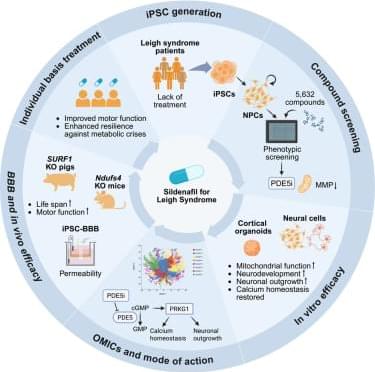
Now online! Leigh syndrome is a severe and untreatable mitochondrial disease. Using patient-derived models in 2D and 3D, Zink and colleagues identify the PDE5 inhibitor sildenafil as a repurposable drug candidate, leading to lifespan extension in mammalian models and clinical improvement in six individuals with Leigh syndrome.

Insulin Receptor Signaling in Normal and Insulin-Resistant States

In the wake of the worldwide increase in type-2 diabetes, a major focus of research is understanding the signaling pathways impacting this disease. Insulin signaling regulates glucose, lipid, and energy homeostasis, predominantly via action on liver, skeletal muscle, and adipose tissue. Precise modulation of this pathway is vital for adaption as the individual moves from the fed to the fasted state. The positive and negative modulators acting on different steps of the signaling pathway, as well as the diversity of protein isoform interaction, ensure a proper and coordinated biological response to insulin in different tissues. Whereas genetic mutations are causes of rare and severe insulin resistance, obesity can lead to insulin resistance through a variety of mechanisms.

Reshaping the colorectal cancer immune microenvironment: insights from single-cell and spatial omics

Zhang, S., Fu, Q., Yuan, X. et al. Reshaping the colorectal cancer immune microenvironment: insights from single-cell and spatial omics. Cancer Cell Int (2026). https://doi.org/10.1186/s12935-026-04245-y.

Download citation.

A Phase 1 Dose-Escalation Trial of Reirradiation for Patients With Recurrent Glioblastoma

New in practicalRO: radonc.


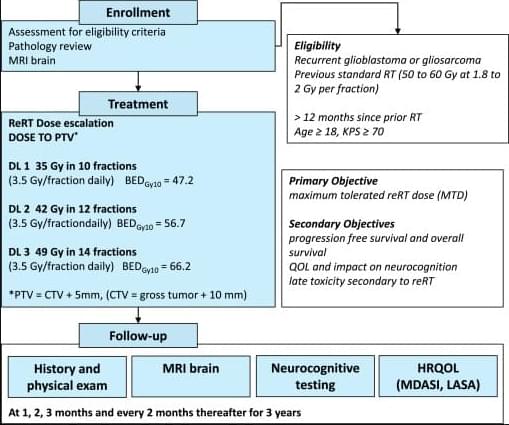
A dose-escalation trial of reirradiation (reRT) was conducted in patients with a diagnosis of recurrent glioblastoma (rGBM) to increase the total overall dose given to the tumor without increasing toxicity. The primary objective of this study was to establish the maximum tolerated dose (MTD) for reRT in patients with rGBM.

New strategy intercepts pancreatic cancer by eliminating microscopic lesions before they become cancer

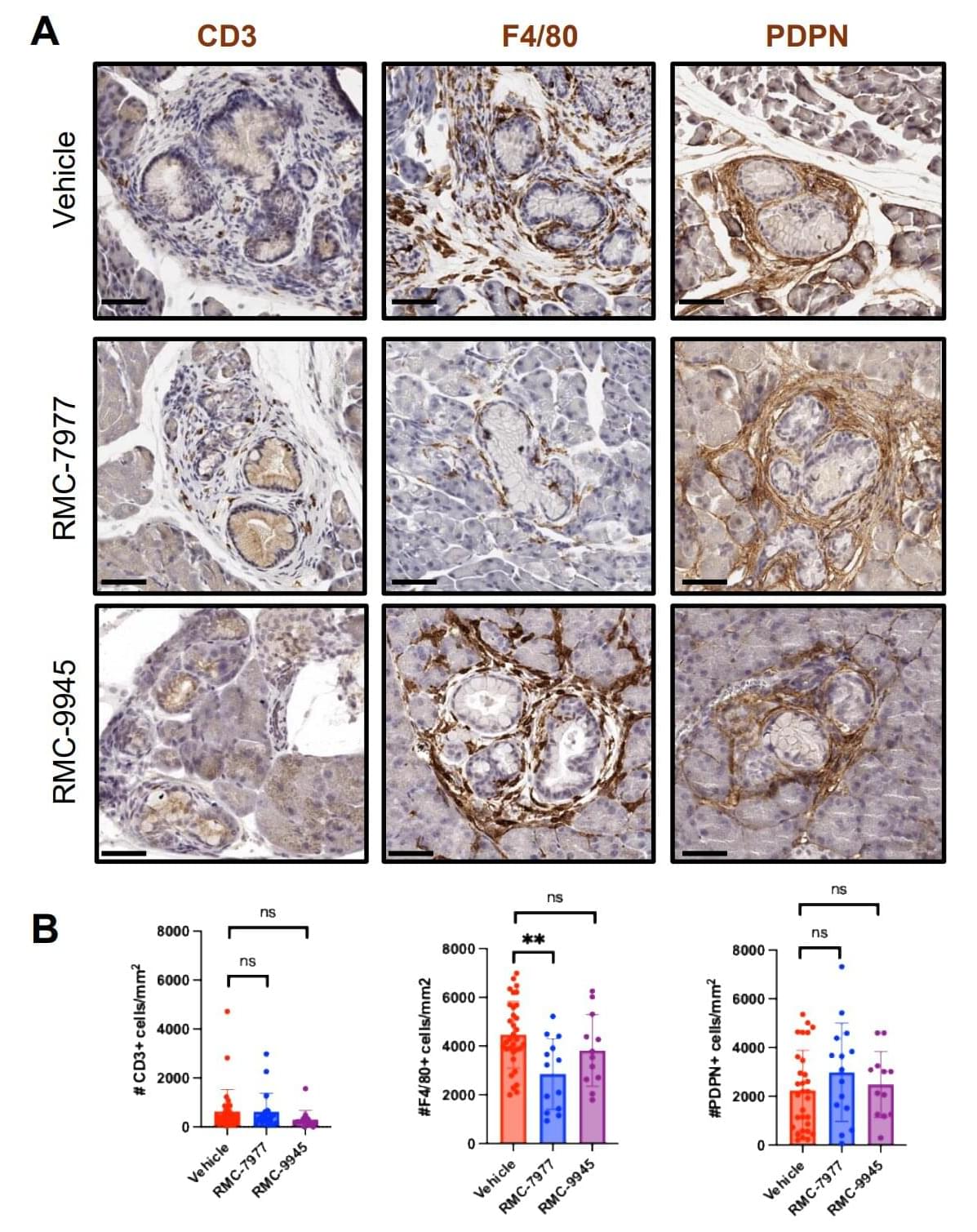
A new preclinical study in mice shows that precancerous cells in the pancreas can be eliminated before they have the chance to become tumors. Using an experimental therapy to target microscopic precancerous lesions in the pancreas nearly doubled survival in mouse models of pancreatic ductal adenocarcinoma (PDAC) compared to the same treatment given after cancer developed.

The research, published in Science, was led by physician-scientists in the Perelman School of Medicine at the University of Pennsylvania and Penn Medicine’s Abramson Cancer Center. It’s the first time scientists have shown that a medical intervention could stop growth of pre-cancerous lesions in the pancreas before they develop into pancreatic cancer, providing strong evidence for the burgeoning field of cancer interception.

“I’m convinced that cancer interception will become the next frontier of cancer therapy,” said co-corresponding author Robert Vonderheide, MD, DPhil, director of the Abramson Cancer Center.

/* */