Toggle light / dark theme

Get the latest international news and world events from around the world.

Log in for authorized contributors

Epigenetic changes regulate gene expression, but what regulates epigenetics?

A chromosome pulled from the flowers of Arabidopsis thaliana (green and white) unspools to reveal DNA (blue) coiled around packaging-proteins called histones (purple). The direction of epigenetic changes by genetic features begins as the RIM transcription factor (pink) docks on a corresponding DNA sequence (pink). Once docked, the RIM transcription factor directs methylation machinery to tack methyl groups (orange) onto specific nearby cytosines (orange). Click here for a high-resolution image. Credit: Salk Institute.

All the cells in an organism have the exact same genetic sequence. What differs across cell types is their epigenetics—meticulously placed chemical tags that influence which genes are expressed in each cell. Mistakes or failures in epigenetic regulation can lead to severe developmental defects in plants and animals alike. This creates a puzzling question: If epigenetic changes regulate our genetics, what is regulating them?

Scientists at the Salk Institute have now used plant cells to discover that a type of epigenetic tag, called DNA methylation, can be regulated by genetic mechanisms. This new mode of plant DNA methylation targeting uses specific DNA sequences to tell the methylation machinery where to dock. Prior to this study, scientists had understood only how DNA methylation was regulated by other epigenetic features, so the discovery that genetic features can also guide DNA methylation patterns is a major paradigm shift.

AI that sees and speaks

Naoufel werghi, professor of computer science at the centre for cyber-physical systems, khalifa university.

Naoufel Werghi aims not only to replicate the human visual system, but to extend its capabilities so that machines can perceive patterns invisible to the eye and process information at scales beyond human capacity.

I started my PhD working on robots that can ‘see’—machines capable of sensing the environment, analyzing images and making decisions. As I delved deeper, I realized that I was grappling with the same fundamental problems that once preoccupied David Marr, a visionary neuroscientist and the founder of modern computer vision. He believed that for robots to see, we first needed computers to analyze images and understand the context.

SPACE4 Ukraine

There are a lot of great charities out there, including space. This is something different.

Imagine; Supporting space education. Giving children in the depths of a war hope and Permission to Dream. Laying the groundwork for an emerging democratic Space Nation by inspiring its children. In other words, doing something that might help the arc of history swing upwards — to the Stars!

In 2017, I traveled across Ukraine on a speaking tour. Even though the country was already at war, what I found wasn’t fear or despair — it was optimism. A fierce, almost defiant belief in the future and democratic values. I met hundreds of young Ukrainians, from teenagers gathered in tech cafés to little kids proudly showing me crayon drawings of the space stations and rockets they dreamed of building someday.

I think about those kids a lot now. I wonder how many of them are gone, how many never had the chance to grow into the engineers, artists, scientists, and explorers they were meant to be. It breaks my heart — and it also drives me to help the ones who are still here, still dreaming, still holding on to hope.

That’s why I launched SPACE4 Ukraine with my partner, Yuliya Kurokhtina — one of Ukraine’s leading business voices and a relentless philanthropist. Together, our mission is simple: give Ukrainian children direction, inspiration, and a reason to believe in their future. The same Permission to Dream that carried me through my own storms.

Most people don’t realize it, but Ukraine has a deep and remarkable space legacy. They helped build Sputnik. They designed the Zenit rockets. They powered Sea Launch. Their engineers remain among the best in the world. This legacy matters — not just historically, but as a beacon for their children: your future can be bigger than your present.

SPACE4 Ukraine is designed to be clear, direct, and transparent.

Digital twins for in vivo metabolic flux estimations in patients with brain cancer

Quantifying metabolic activity in patient tumors could advance personalized cancer targeting. Meghdadi et al. develop a digital twin framework using machine learning to quantify metabolic fluxes in tissues from patients with glioma, identifying which patients may benefit from different targeted metabolic therapies like specialized diets or pharmacologic agents.

Beyond the Buzz: Tumor Treating Fields for Cancer

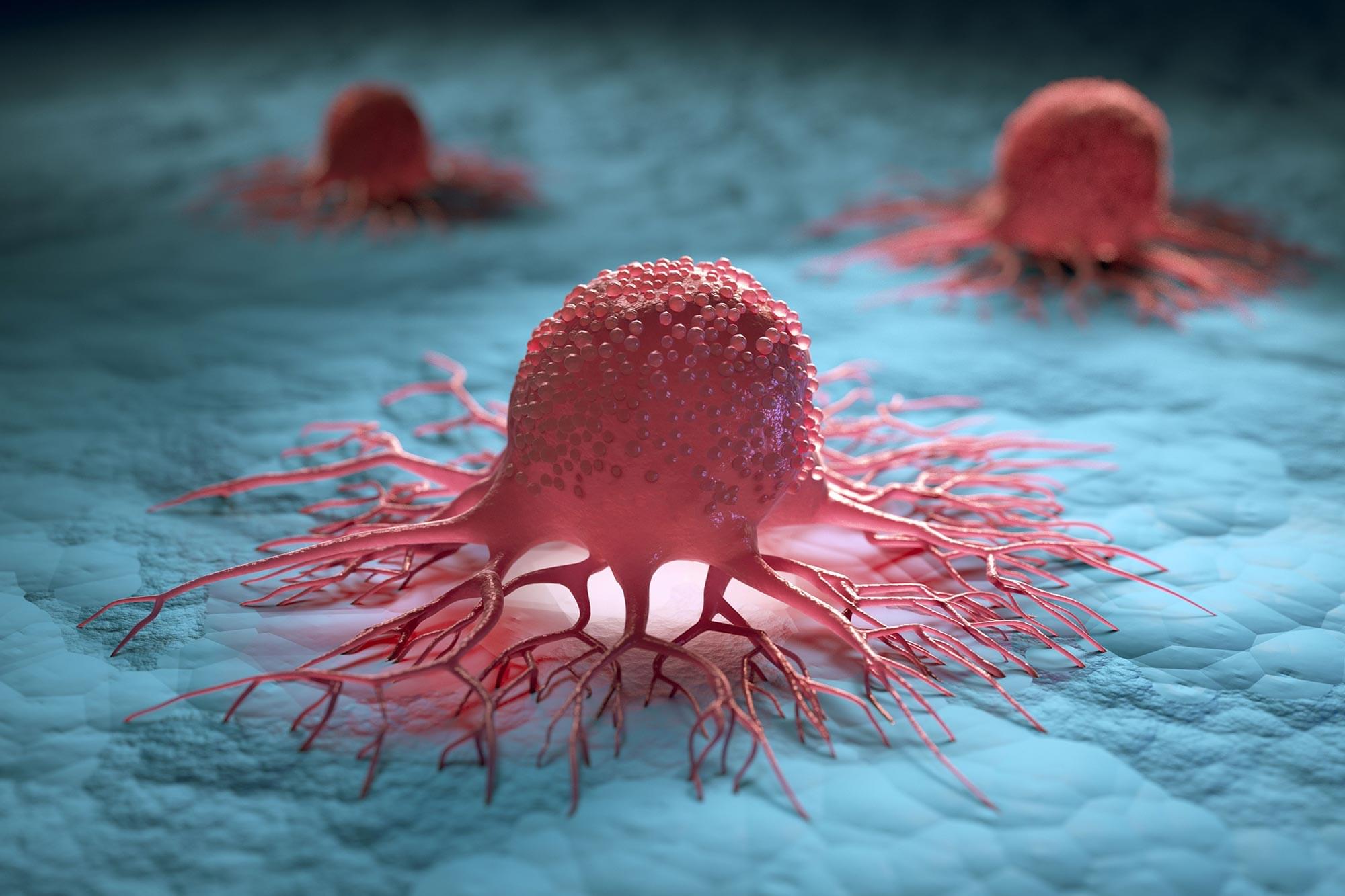
Tumor-treating fields (TTFields) are gaining traction as evidence expands beyond early enthusiasm, Medscape reports. Once considered experimental, TTFields are now supported by multiple randomized trials and are being tested across a growing list of solid tumors, positioning the therapy as a potential addition to standard cancer care in selected patients.


Here’s a look at how it works, the body of evidence, and the limitations.

Tumor treating fields use low intensity, alternating electric fields to disrupt cancer cell division.

The electric fields are generated by a wearable device — Optune Gio for glioblastoma and Optune Lua for pleural mesothelioma and NSCLC — developed and marketed by Switzerland-based oncology company Novocure.

AI With Integrity: Leading Innovation Responsibly

• Ensuring ethical leadership at all levels.

Ethical considerations must be integrated into every phase of AI development—not added as an afterthought.

As AI transforms business, responsible leadership will unlock new possibilities. Responsible AI is not just about compliance—it is a strategic advantage that builds trust and drives sustainable growth in an era where technology should benefit every part of society. In domains such as supply chain management, local decisions can have global consequences. Ethical AI enables progress that stays true to shared values across all points of influence. Fair, transparent and accountable by design—this is how institutions can trust innovation to build smarter systems and a better world.

/* */