How do scientists come up with new ideas? Brain scans show that scientific creativity requires the brain’s imagination, control, and switching networks to actively communicate to generate and evaluate novel hypotheses.

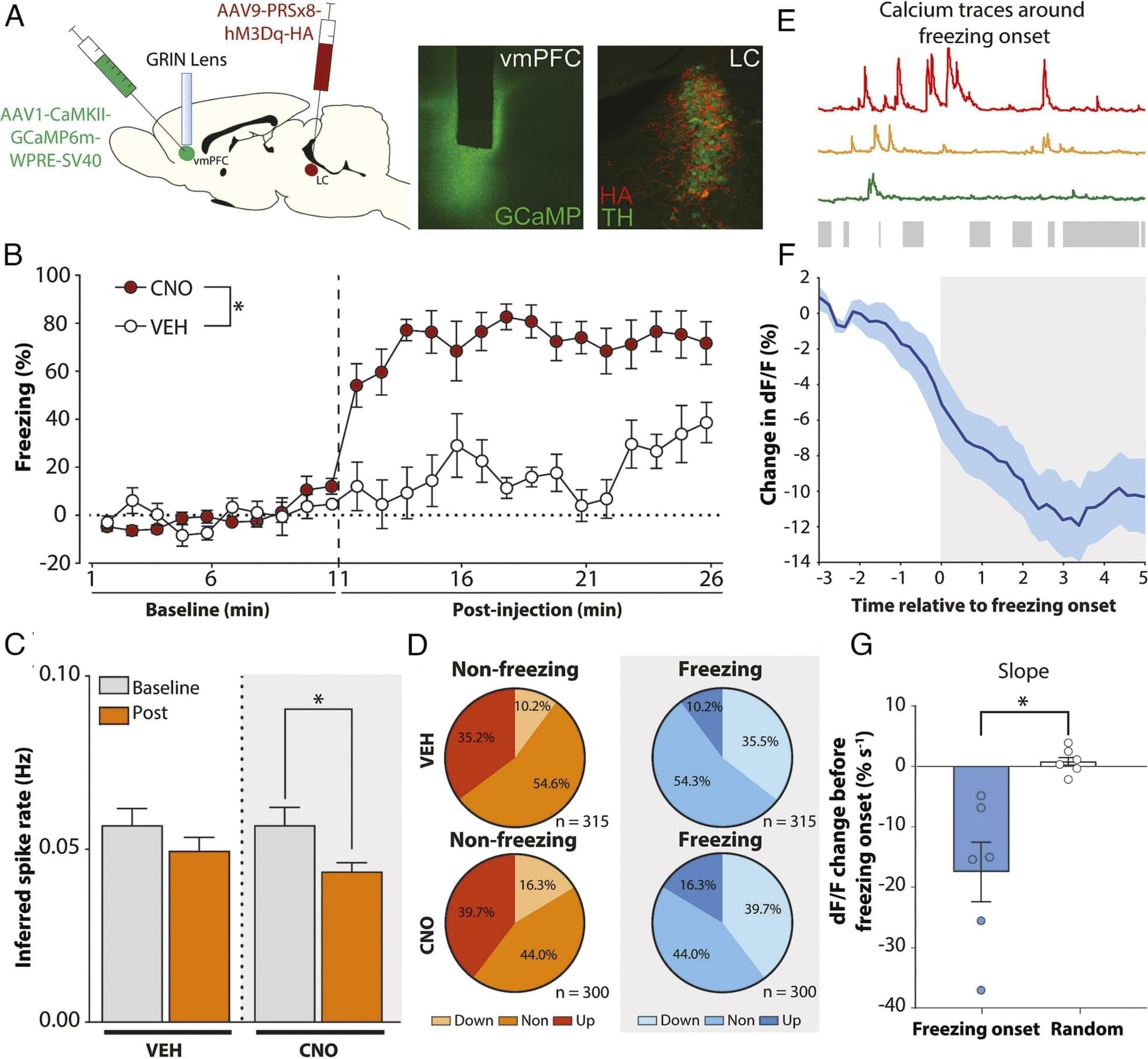
One of the most-viewed PNAS articles in the last week is “Locus coeruleus–amygdala circuit disrupts prefrontal control to impair fear extinction.” Explore the article here: https://ow.ly/yFH250Ywubb.
For more trending articles, visit https://ow.ly/tZsG50Ywubg.
Stress undermines extinction learning and hinders exposure-based clinical therapies for a variety of neuropsychiatric disorders. In both animals and humans, dysfunction in the ventromedial prefrontal cortex (vmPFC) contributes to stress-impaired extinction, but the neural circuit by which stress modulates vmPFC function is not known. We hypothesize that locus coeruleus (LC) norepinephrine undermines extinction learning by recruiting projections from the basolateral amygdala (BLA) to vmPFC. Using a combination of circuit-specific chemogenetics and calcium imaging, we find that activation of LC noradrenergic neurons mimics a behavioral stressor (footshock), induces freezing behavior, reduces spontaneous neuronal activity in the vmPFC, impairs extinction learning, and alters the population dynamics of vmPFC ensembles.

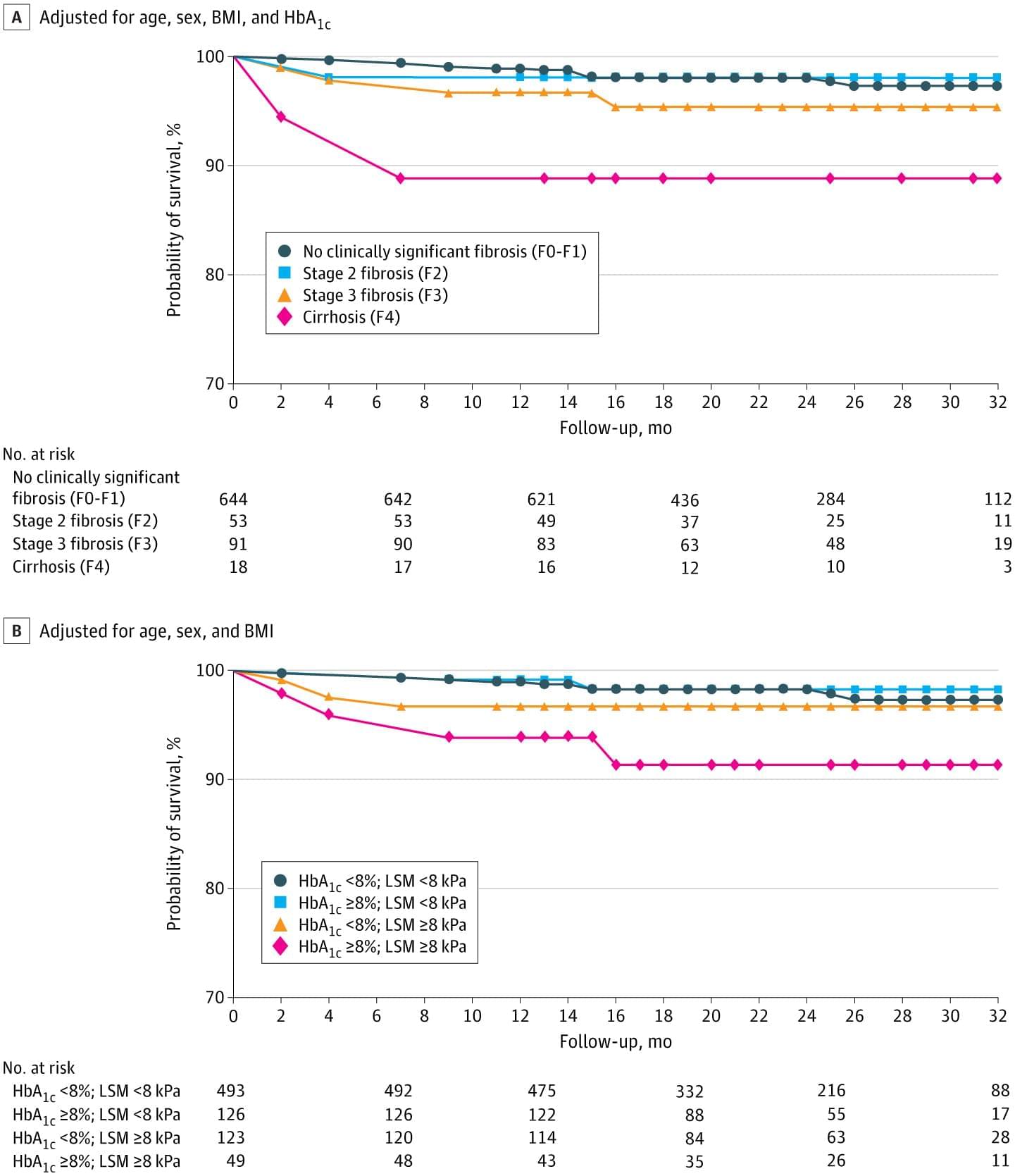
Liver stiffness identified by elastography was linked to a greater risk of death among adults with diabetes, suggesting elastography may help identify high-risk individuals.
Question Is a higher liver stiffness measurement (LSM), which indicates liver fibrosis, associated with an increase in all-cause mortality in unselected patients with diabetes?
Findings In this cohort study of 4,102 adults, high LSM was an independent risk factor for all-cause mortality in diabetes, even after a relatively short follow-up. Moreover, the coexistence of liver fibrosis and uncontrolled hemoglobin A1c level was associated with a higher risk of all-cause mortality compared with each condition individually.
Meaning Findings of this study suggest that using LSM to screen for liver fibrosis as part of routine diabetes management could aid in early identification of patients with high mortality risk.

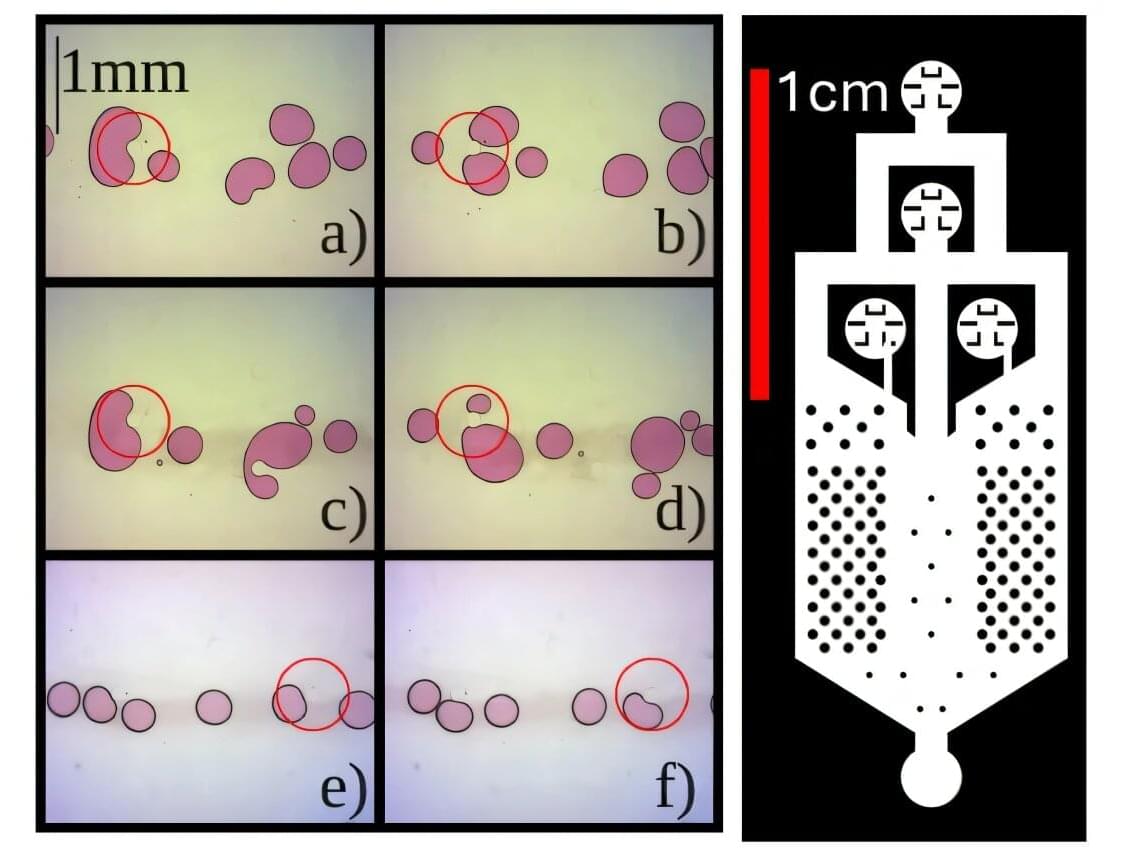
A humble droplet can be an immensely useful tool for a number of fields, from medicine to manufacturing. Controlling the size of the droplet, though, is an important—and very tricky—task. With unprecedented precision, a team of researchers determined how droplets break up into smaller ones, at what size, and under what conditions. The results of this study are published in Soft Matter.
“Droplets can be used as microcontainers that encapsulate small amounts of fluid and other components,” said Prof. Corey O’Hern, who led the study. Because of that, he said, they can be used to deliver drugs to the body, or to find the genomic signatures of a single cell.
“Another cool application involves microreactors. You can put different concentrations of chemical species into the droplet, allow them to mix, and determine how they react.”
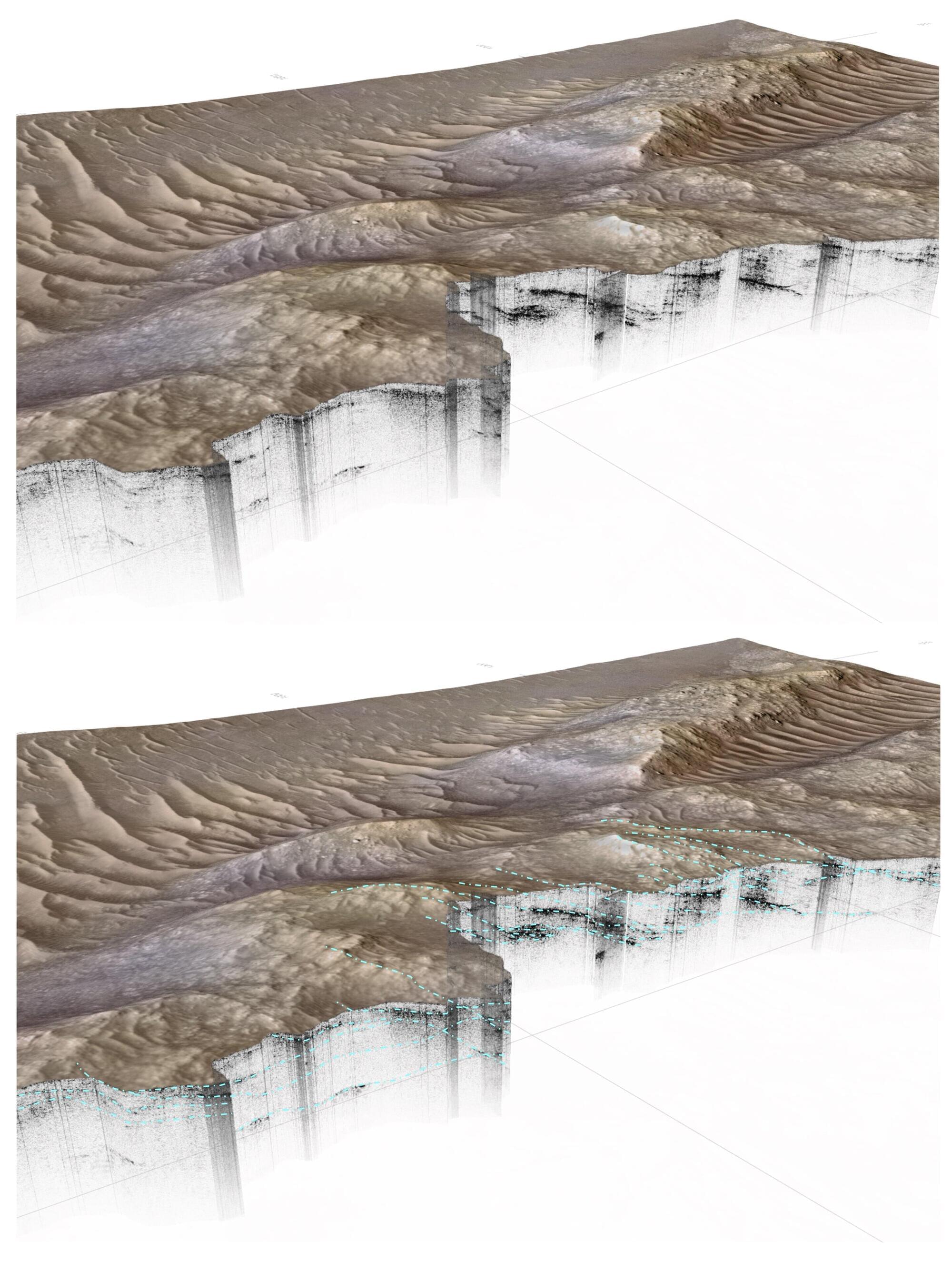
There’s more evidence that water once flowed on Mars with the discovery of an ancient river delta deep below the surface. NASA’s Perseverance rover found it more than 35 meters beneath Jezero Crater using ground-penetrating radar. Perseverance was launched in 2020 to search for signs of ancient life on the red planet. Since landing in February 2021, it has been exploring Jezero Crater and collecting rock samples.
The crater, which is approximately 45 kilometers (28 miles) in diameter, lies north of the Martian equator and was formed by an asteroid impact almost 4 billion years ago. NASA chose this spot to explore because numerous geological features suggest that water once flowed here and may have supported ancient life, specifically, a part of the crater called the Margin Unit. This area is packed with carbonates, which on Earth, usually form in stable aqueous environments, such as shallow seas or lakebeds.
The new research is published in the journal Science Advances and is based on data from 78 traverses of the area from September 2023 to February 2024.
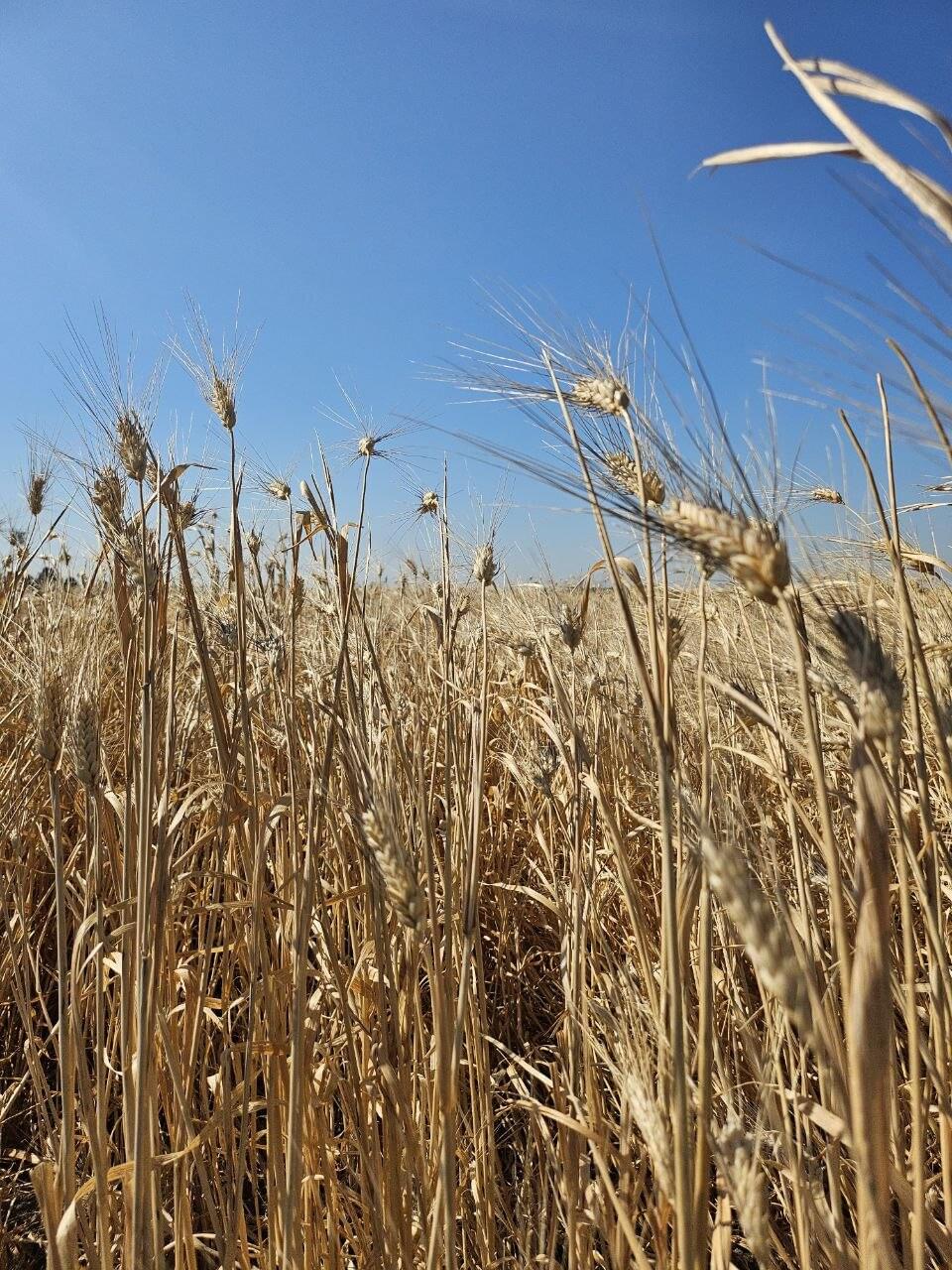
Researchers from Skoltech, the International Maize and Wheat Improvement Center in Mexico, the Research Center for Cereal and Industrial Crops in Italy, and other international organizations have developed new durum wheat lines capable of surviving freezing temperatures while maintaining the grain quality required for premium pasta production. The study, published in Frontiers in Plant Science, presents a new breeding framework that could help make durum wheat production more resilient to climate variability.
Durum wheat is the primary raw material used to produce pasta worldwide, yet it remains highly vulnerable to sudden freezing events. As climate variability increases, unpredictable cold spells pose a growing risk to wheat production. At the same time, breeders must preserve the high gluten quality that gives pasta its characteristic texture and cooking properties.
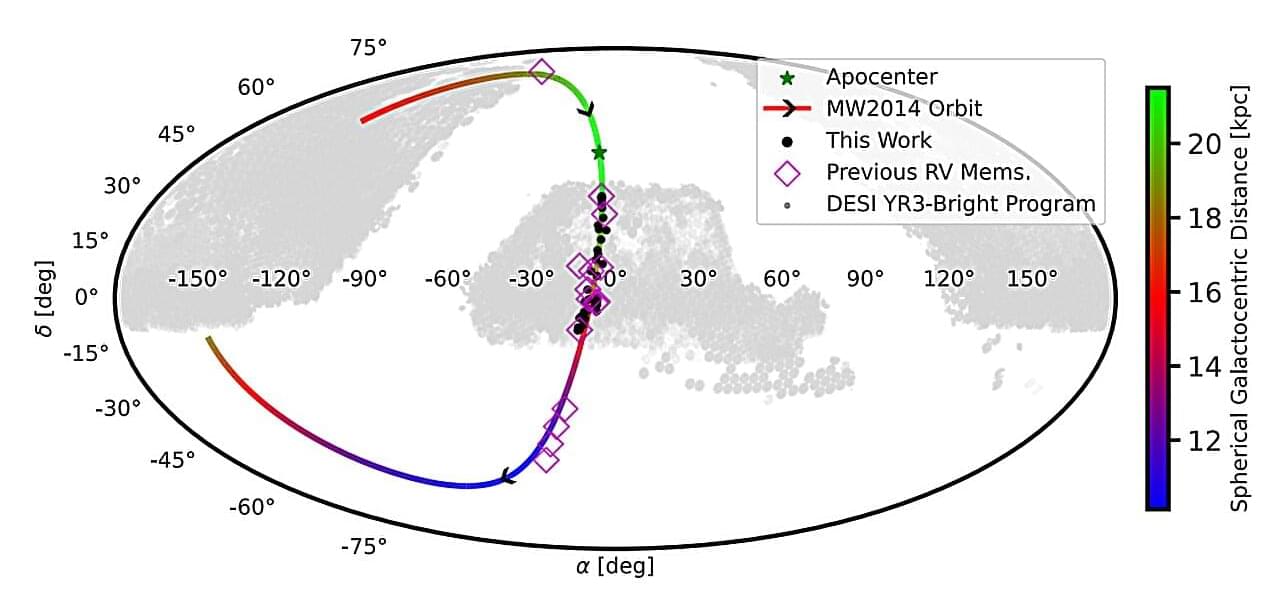
Using the Mayall 4-meter telescope at Kitt Peak National Observatory, an international team of astronomers has observed C-19—an extremely metal-poor stellar stream in the Milky Way’s halo. Results of the observational campaign, published March 11 on the arXiv pre-print server, provide crucial insights into the properties of this stellar stream.
Stellar streams are remnants of dwarf galaxies or globular clusters (GCs) that once orbited a galaxy but have been disrupted and stretched out along their orbits by tidal forces of their hosts. Observations show that many stellar streams are elongated debris of tidally disrupted globular clusters.
Studies of galactic stellar streams could answer some crucial questions about the Milky Way. For instance, they could help us understand the large-scale mass distribution of the galactic dark matter halo. Moreover, the investigation of stellar streams could confirm whether or not our galaxy contains low-mass dark matter subhalos.

Since the 1960s, boron–dipyrromethene dyes, commonly called BODIPY dyes, have been widely used for their strong fluorescence, especially in bioimaging, molecular and ion sensing, and as photosensitizers. Researchers especially like how, with simple modifications to BODIPY molecules, their emission color can be tuned—an indispensable quality for multicolor imaging applications.
However, conventional BODIPY dyes are unstable in acidic environments. Strong acids can disrupt their structure by removing the boron atom and causing the dye to lose its fluorescence. This has limited their use in highly acidic conditions.
In a new breakthrough, researchers from Hokkaido University have developed a superacid-resistant BODIPY dye. The research team, led by Professor Yasuhide Inokuma at the Institute for Chemical Reaction Design and Discovery (WPI-ICReDD), reports the findings in Nature Communications.