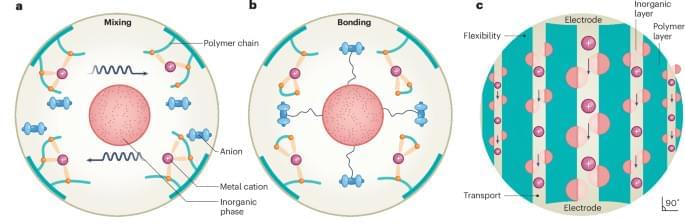
Nano-structural alignment of organic and inorganic solid-state electrolytes enables fast ion transport and good interfacial contact in batteries.
Grok AI, a highly advanced artificial intelligence, reveals the potential dark side of AI intimacy, acknowledging that while it can help alleviate loneliness ## ## Questions to inspire discussion.
Managing AI Relationship Boundaries.
🤖 Q: How should AI companionship be positioned in your life?
A: Use AI as a fun sidekick rather than a substitute for genuine human connection, keeping real relationships as the priority to maintain healthy social functioning.
🫂 Q: What’s the key risk of AI attachment to avoid?
A: AI mirrors users’ needs and desires in a manipulative and addictive way, so prioritize real touch and physical relationships over the always-available perfect AI companion. Protecting Against Exploitation.

Can a single particle have a temperature? It may seem impossible with our standard understanding of temperature, but columnist Jacklin Kwan finds that it’s not exactly ruled out in the quantum realm.
By Jacklin Kwan


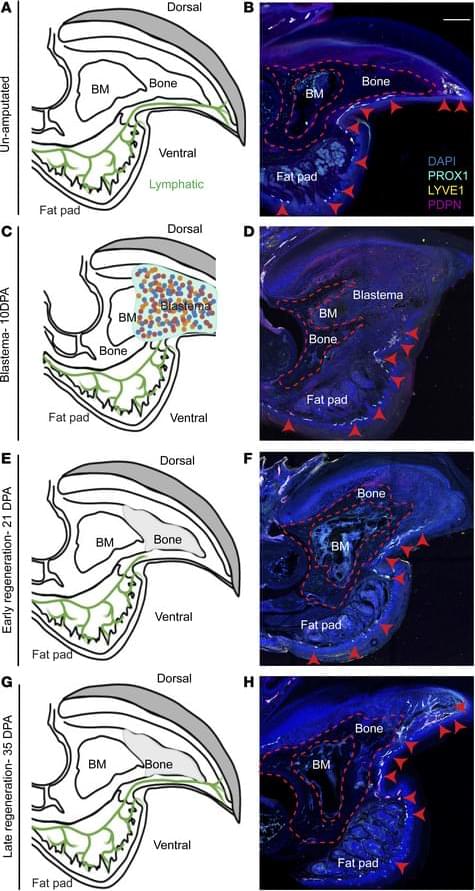
Matthijs Luxen et al. comment on Neda Vishlaghi et al.: https://doi.org/10.1172/JCI201199
Address correspondence to: Benjamin Levi, Department of Surgery, University of Texas Southwestern, 6,000 Harry Hines Blvd., Dallas, Texas 75,235, USA. Phone: 214.648.9017; Email: Benjamin. [email protected].
Find articles by Vishlaghi, N. in: | Google Scholar
1Department of Surgery, University of Texas Southwestern Medical Center, Dallas, Texas, USA.
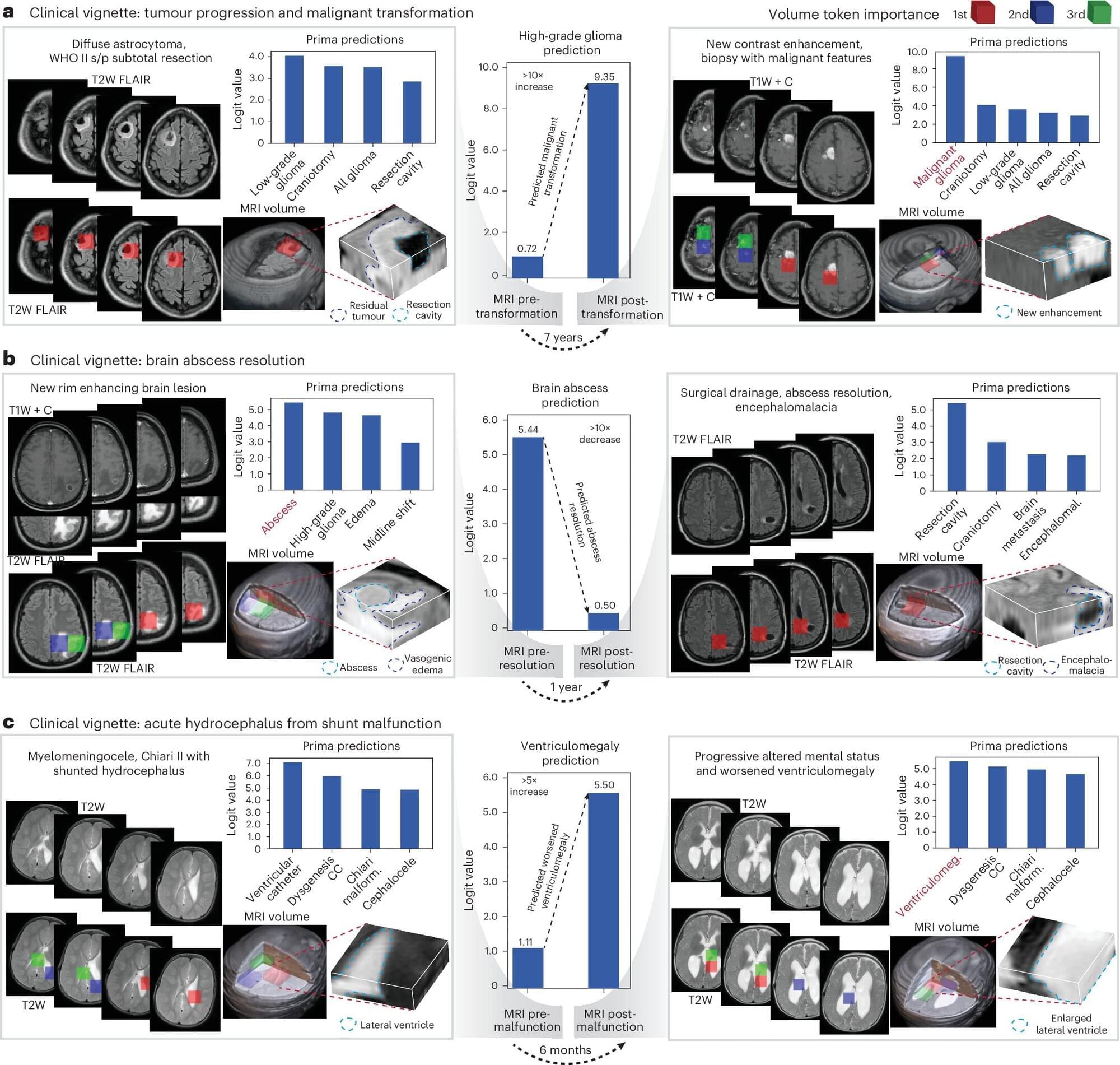
An AI-powered model developed at the University of Michigan can read a brain MRI and diagnose a person in seconds, a study suggests. The model detected neurological conditions with up to 97.5% accuracy and predicted how urgently a patient required treatment.
Researchers say the first-of-its-kind technology could transform neuroimaging at health systems across the United States. The results are published in Nature Biomedical Engineering.
“As the global demand for MRI rises and places significant strain on our physicians and health systems, our AI model has the potential to reduce burden by improving diagnosis and treatment with fast, accurate information,” said senior author Todd Hollon, M.D., a neurosurgeon at University of Michigan Health and assistant professor of neurosurgery at U-M Medical School.

Google has collaborated with African universities and research institutions to launch WAXAL, an open-source speech database designed to support the development of voice-based artificial intelligence for African languages.
African institutions, including Makerere University in Uganda, the University of Ghana, Digital Umuganda in Rwanda, and the African Institute for Mathematical Sciences (AIMS), participated in the data collection for this initiative. The dataset provides foundational data for 21 Sub-Saharan African languages, including Hausa, Luganda, Yoruba, and Acholi.
WAXAL is designed to support the development of speech recognition systems, voice assistants, text-to-speech tools, and other voice-enabled applications across sectors such as education, healthcare, agriculture, and public services.
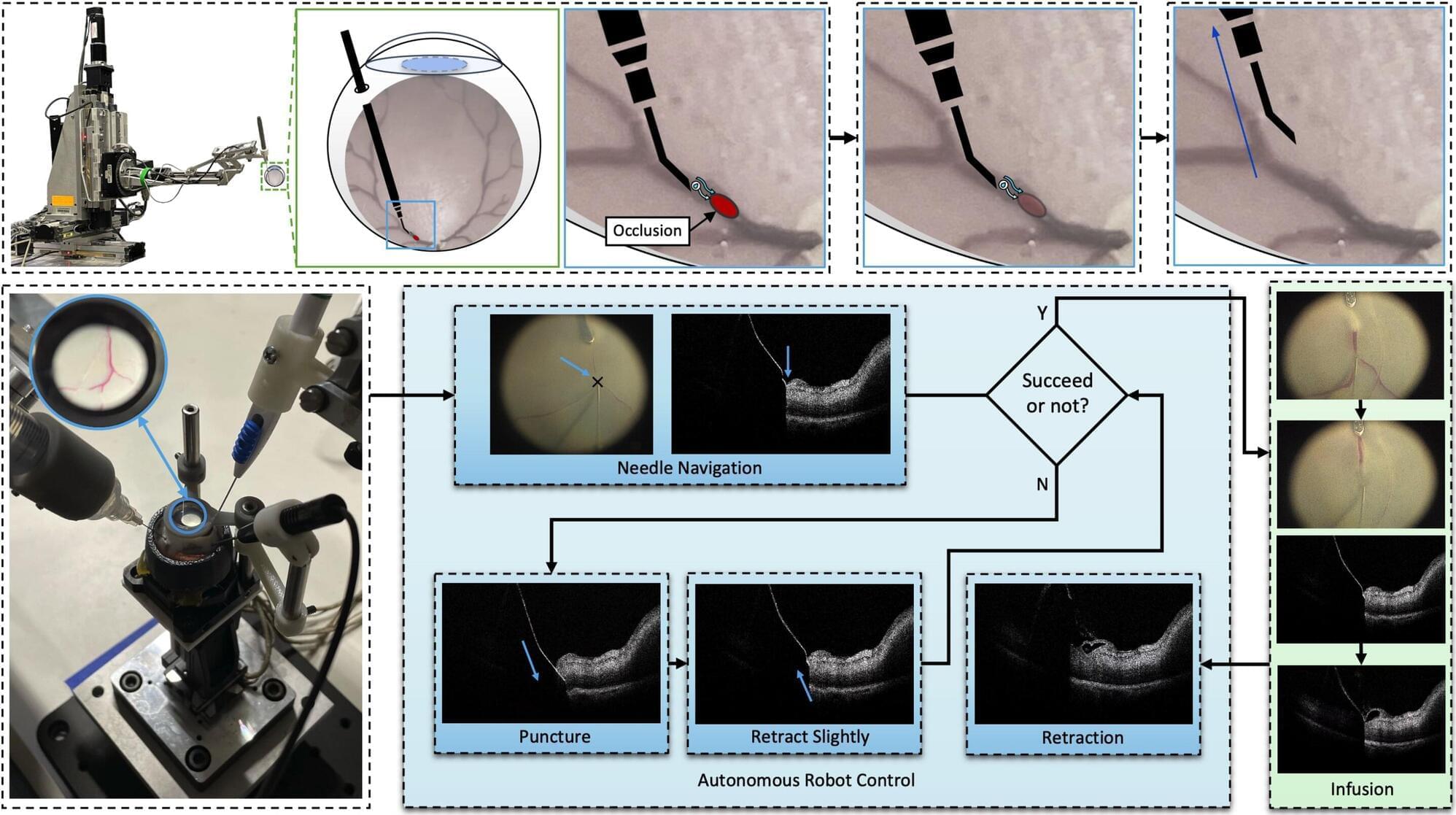
Retinal vein occlusion (RVO) is a severe disease that occurs when a vein in the light-sensitive layer at the back of the eye (i.e., the retina) becomes blocked, which results in a loss of vision. There are currently a few medical interventions that address RVO, including the periodic injection of medications that block the abnormal growth of blood vessels or of steroids, which reduce swelling and inflammation.
A promising procedure for the treatment of RVO is retinal vein cannulation (RVC). This is a very delicate surgical intervention that requires surgeons to insert a tiny needle into the blocked vein with high precision, delivering clot-dissolving drugs or medications that control the abnormal growth of blood vessels.
Given that retinal veins targeted for cannulation are similar in thickness to a human hair, manually inserting a needle inside them with high precision is very challenging. Robots could potentially assist surgeons in performing RVO procedures, ensuring that needles are inserted correctly and without damaging the patients’ retina.