Toggle light / dark theme

Get the latest international news and world events from around the world.

Log in for authorized contributors

Abstract: Decoding neurodegeneration one cell at a time

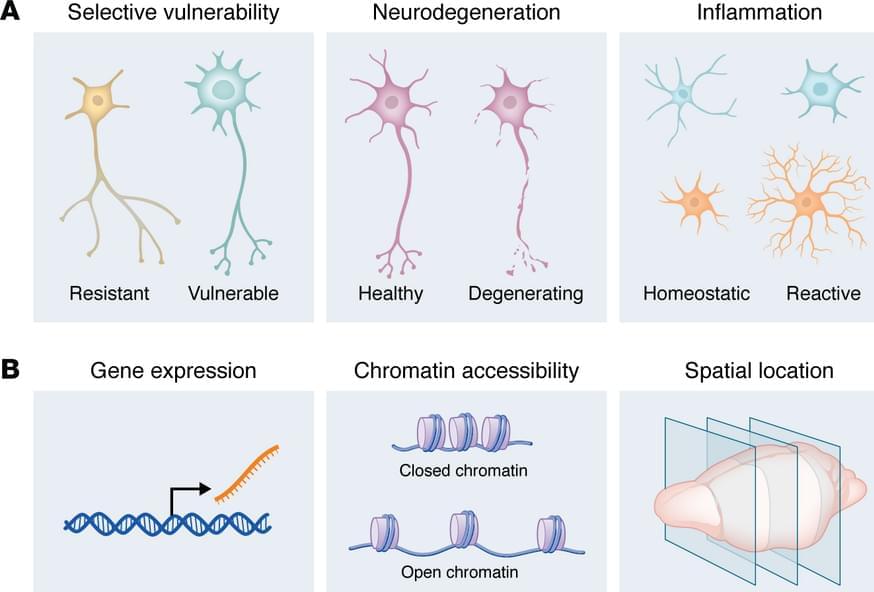
https://doi.org/10.1172/JCI199841 As part of the JCI’s Review Series on Neurodegeneration, Olivia Gautier, Thao P. Nguyen & Aaron D. Gitler explore the molecular basis for selective neuronal vulnerability and degeneration and summarize recent advances and applications of single-cell genomic approaches.


How do we decide whether we should choose single-cell or single-nucleus sequencing? This depends on sample types and biological applications. Single-cell sequencing is typically applied to fresh, readily dissociable tissues or cultured cells to study intact cell populations. Because it captures both cytoplasmic and nuclear transcripts, scRNA-seq provides a comprehensive view of cellular gene expression. However, tissue dissociation can induce stress-related transcriptional artifacts and introduce substantial cell-type bias. Large or fragile neurons are often lost during dissociation, whereas smaller cell types, such as astrocytes and oligodendrocytes, tend to be overrepresented. In contrast, single-nucleus sequencing is commonly used for frozen samples or for tissues that are difficult to dissociate, including the brain and spinal cord. Although fresh or fresh-frozen samples are typically used, snRNA-seq is compatible with formalin-fixed, paraffin-embedded (FFPE) samples, enabling the analysis of archived human specimens. A key limitation is that snRNA-seq does not capture cytoplasmic transcripts and is therefore biased toward nuclear, often premature, mRNA species.

Spatial transcriptomics does not require tissue dissociation and enables examination of cellular transcriptomes within their native tissue niches. Some spatial transcriptomic technologies are now compatible with FFPE samples, allowing analyses of preserved clinical specimens along with fixed-frozen and fresh-frozen samples. These technologies can be broadly classified into two main categories: imaging-based and sequencing-based (Figure 2B). Imaging-based approaches, like multiplexed error-robust fluorescence in situ hybridization (MERFISH), spatially resolved transcript amplicon readout mapping (STARmap), and 10x Genomics Xenium, rely on probe hybridization and multiplexed imaging to detect and visualize transcripts at high spatial resolution, often achieving single-cell or even subcellular resolution (17, 18). Although whole-transcriptome measurements are possible, MERFISH typically targets predefined gene panels due to the constraints of iterative hybridization and imaging. In contrast, sequencing-based approaches, including NanoString GeoMx and 10x Genomics Visium, capture RNA on spatially barcoded tissue slides or nanobeads followed by next-generation sequencing. These methods generally recover a broader range of transcripts than imaging-based approaches but, in most cases, do not yet achieve true single-cell resolution. Instead, they measure gene expression within spatial “spots” that encompass multiple cells and therefore rely on computational deconvolution to infer cell-type composition. Newer spatial transcriptomic methods, like spatial enhanced resolution omics sequencing (Stereo-seq) and reverse-padlock amplicon-encoding fluorescence in situ hybridization (RAEFISH), are approaching single-cell and single-molecule resolution (1921).

In this Review, we summarize recent advances and applications of single-cell genomics approaches to study neurodegenerative disorders, including Alzheimer disease (AD), Parkinson disease (PD), amyotrophic lateral sclerosis (ALS), frontotemporal dementia (FTD), and Huntington disease (HD). We focus on how these approaches provide insight into the unique vulnerabilities of specific neuronal populations, define novel disease-associated cellular states, and reveal contributions of non-neuronal cells to disease pathogenesis. We then look to the future, envisioning how these technologies will empower genetic screens to uncover modifiers of neurodegeneration and new therapeutic targets.
Prodrug lipid nanoparticle could unlock universal immunotherapy for solid cancers

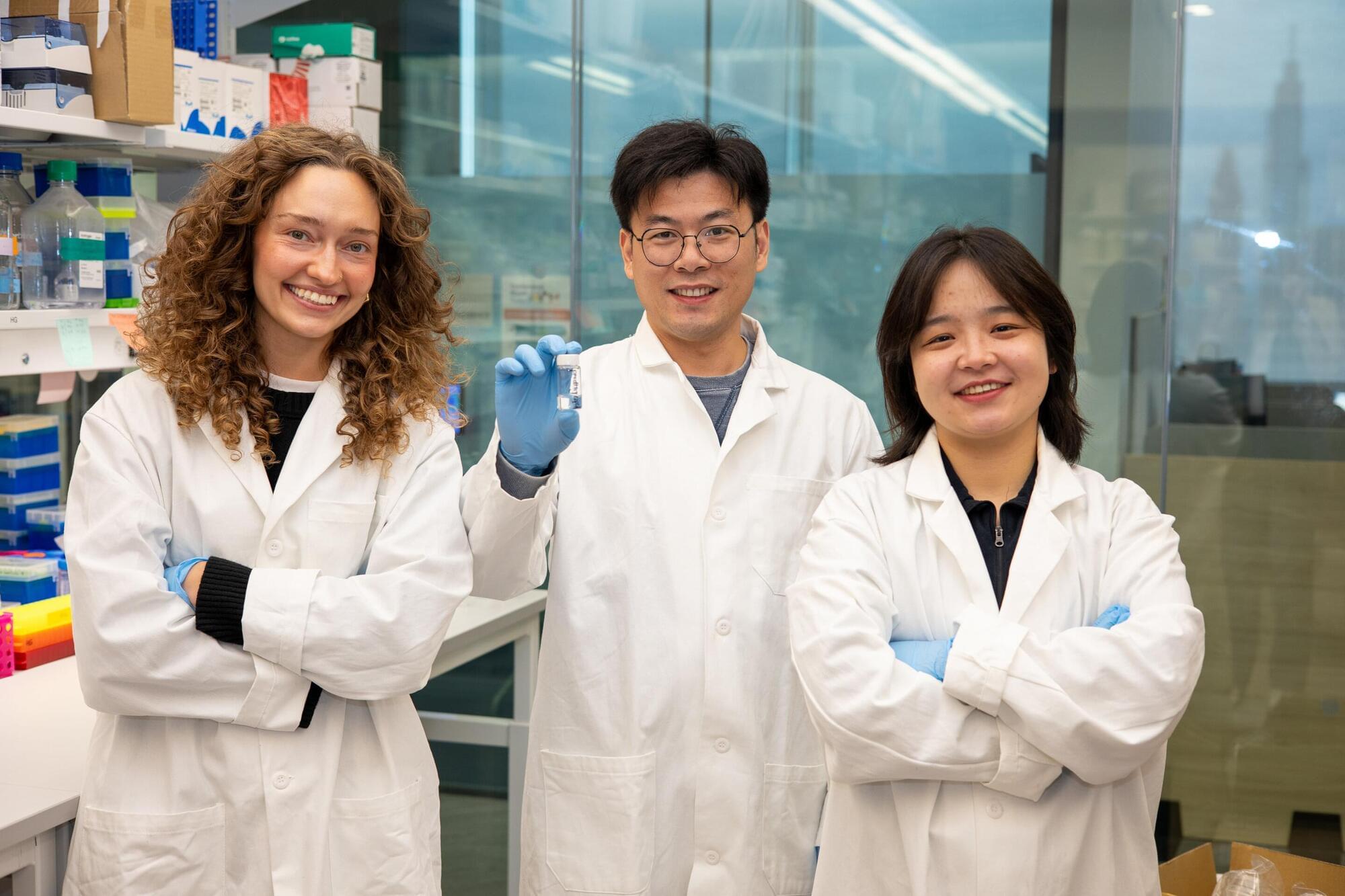
Engineers at the University of Pennsylvania have developed a new type of lipid nanoparticle (LNP) that could one day serve as a universal immunotherapy for cancers that form solid tumors, including common variants such as cancers of the breast, liver, and colon.

One of the greatest challenges in immunotherapy is the exhaustion of T cells, the white blood cells responsible for detecting and destroying cancer cells. Many tumors produce an enzyme called IDO that dampens immune activity. Over time, exposure to the harsh environment inside tumors further weakens T cells.

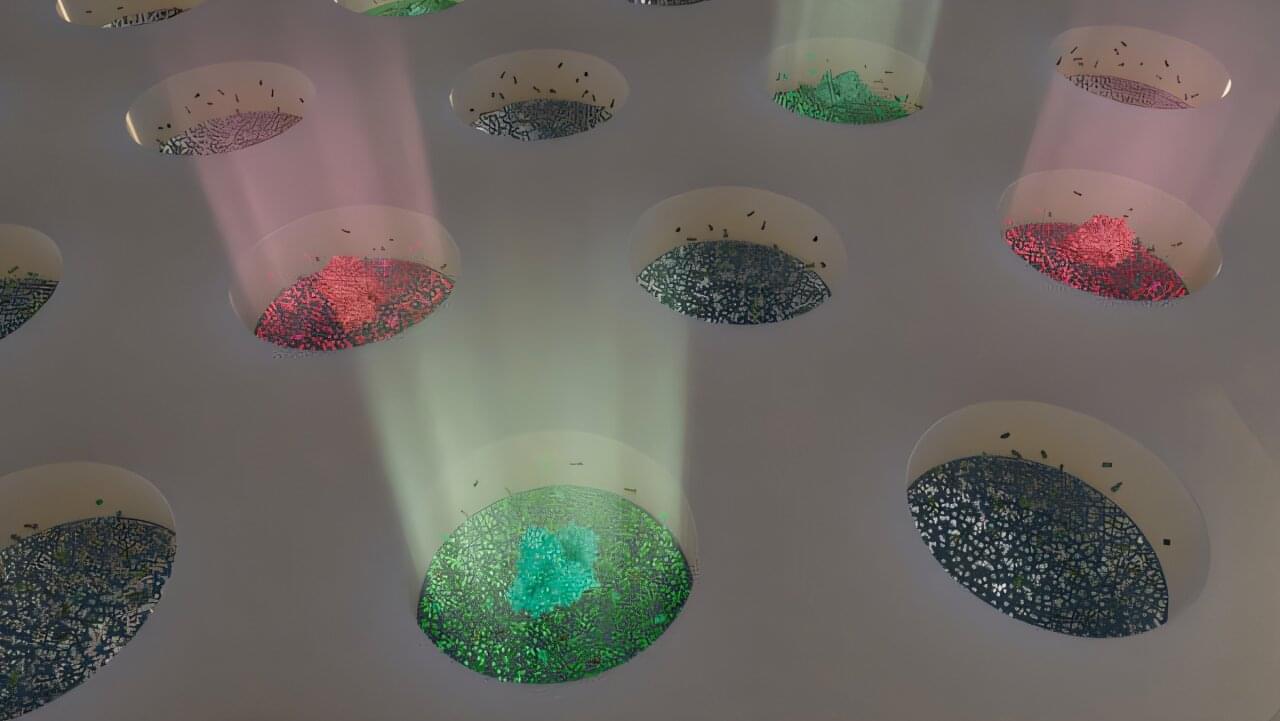
The new particles counter both effects at once. By delivering a drug that blocks IDO together with mRNA that instructs cells to produce an immune-activating protein, the engineered nanoparticles reinvigorate exhausted T cells, enabling them to attack tumors without the need for costly and time-consuming, patient-specific adjustments.

The Effect of Exogenous Acid Identity on Iron Tetraphenylporphyrin-Catalyzed CO2 ReductionClick to copy article linkArticle link copied!

‘The Effect of Exogenous Acid Identity on Iron Tetraphenylporphyrin-Catalyzed CO2 Reduction’ from Inorganic Chemistry is currently free to read as an ACSEditorsChoice.

📖 Read the article.


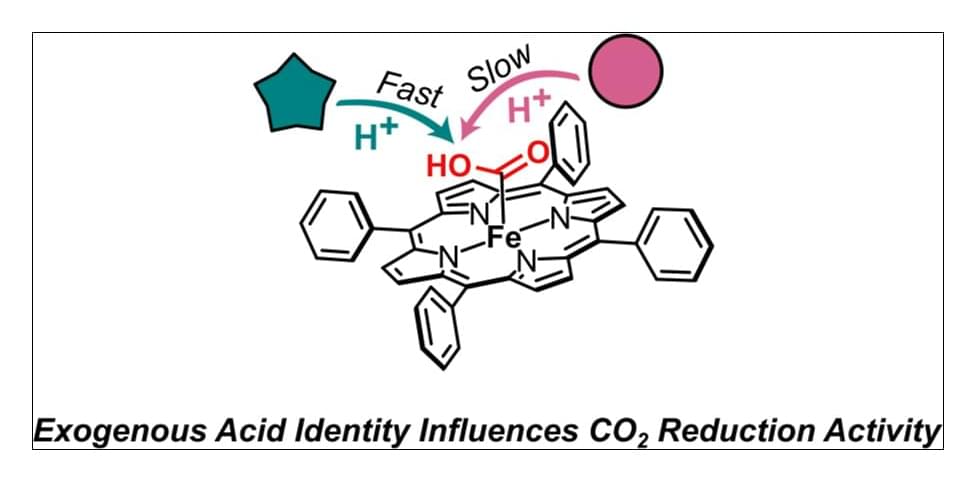
Iron tetraphenylporphyrin (FeTPP) is a privileged electrocatalyst for the 2e–/2H+ reduction of CO2 to CO. FeTPP-catalyzed CO2 reduction typically employs phenol as an exogenous acid to promote the rate-limiting proton-coupled electron transfer. Beyond the observation that catalytic rates increase with decreasing pKa, the effects of acid identity on reaction kinetics are largely unexplored. Herein, we report rates of FeTPP-catalyzed CO2 reduction with structurally diverse O–H, N–H, and C–H acids. While many of these acids follow the expected Brønsted relationship, there are several notable exceptions: the fluorinated alcohols hexafluoroisopropanol (log(kcat) = 4.54) and 2,2,2-trifluoroethanol (log(kcat) = 3.55)─and the N–H acid imidazole (log(kcat) = 4.41)─display catalytic rates that are several times greater than rates obtained with similarly acidic phenols. Amides with pKas 19 (in dimethyl sulfoxide) display similar activity as comparably acidic O–H acids, while rates obtained with less acidic amides are ∼2 orders of magnitude slower than O–H donors of similar pKa. Each C–H acid affords poor activity. An Eyring analysis suggests that acids enforcing less ordered transition states afford superior kinetics. This study reveals that acid pKa is only one relevant parameter for altering catalytic rates, and judicious selection of the acid is crucial for enhancing catalytic rates.

Liquid biopsy method uses nanoparticle Raman signals to separate two lookalike enzymes

RIKEN researchers have demonstrated a method that can detect tiny amounts of biomarkers in liquid samples and can distinguish between highly similar biomarkers. This promises to boost the versatility and usefulness of liquid biopsies. The results are published in the Proceedings of the National Academy of Sciences.

Liquid biopsies are powerful tools for research and diagnosis since they can detect minute amounts of biomarkers in blood, saliva and urine. In particular, they are often used to detect enzymes that are connected to diseases.

“During the COVID-19 pandemic, liquid biopsies attracted unprecedented attention as a diagnostic method for infectious diseases,” notes Rikiya Watanabe of the RIKEN Molecular Physiology Laboratory. “As a result, the effectiveness of liquid biopsies is now being recognized for both testing for infectious diseases but also for a wide range of medical diagnostics.”

Regeneration: Wound healing, reprogramming and tissue engineering

BMC Biology is calling for submissions to our Collection on Regeneration: wound healing, reprogramming, and tissue engineering. This Collection aims to bring together cutting-edge research exploring the cellular and molecular mechanisms of wound healing and repair, cellular reprogramming as a means of achieving tissue regeneration in vivo or in vitro, as well as advances in tissue engineering, aiming at replacing damaged cells and organs via transplantation.

We welcome studies on:

- Investigating processes involved in wound healing, including inflammation, re-epithelialization, cell fusion, fibroblast activation, scar formation, angiogenesis, and extracellular matrix (ECM) remodeling.

Moshe Vardi Named 2026 NAAI Academy Award Laureate

Congratulations, Moshe Vardi!


Moshe Y. Vardi, University Professor at Rice University, has been named a 2026 NAAI Academy Award laureate by the National Academy of Artificial Intelligence (NAAI). The award is the Academy’s highest honor and recognizes scientists whose research has fundamentally advanced the scientific foundations of artificial intelligence.

Vardi received the award for seminal contributions to logic-based artificial intelligence and formal reasoning in intelligent systems. His work has significantly advanced the logical foundations that underpin modern AI research, particularly in areas such as formal reasoning, verification and logic in computer science.

The 2026 NAAI Academy Award recognizes three international leaders whose work has shaped key theoretical pillars of modern artificial intelligence.

Microbiota derived nicotinic acid protects colon tissue

Prior research has shown that the four sections of the colon—ascending, transverse, descending and sigmoid—have different functions and risks for disease, but it wasn’t clear why these variations exist.

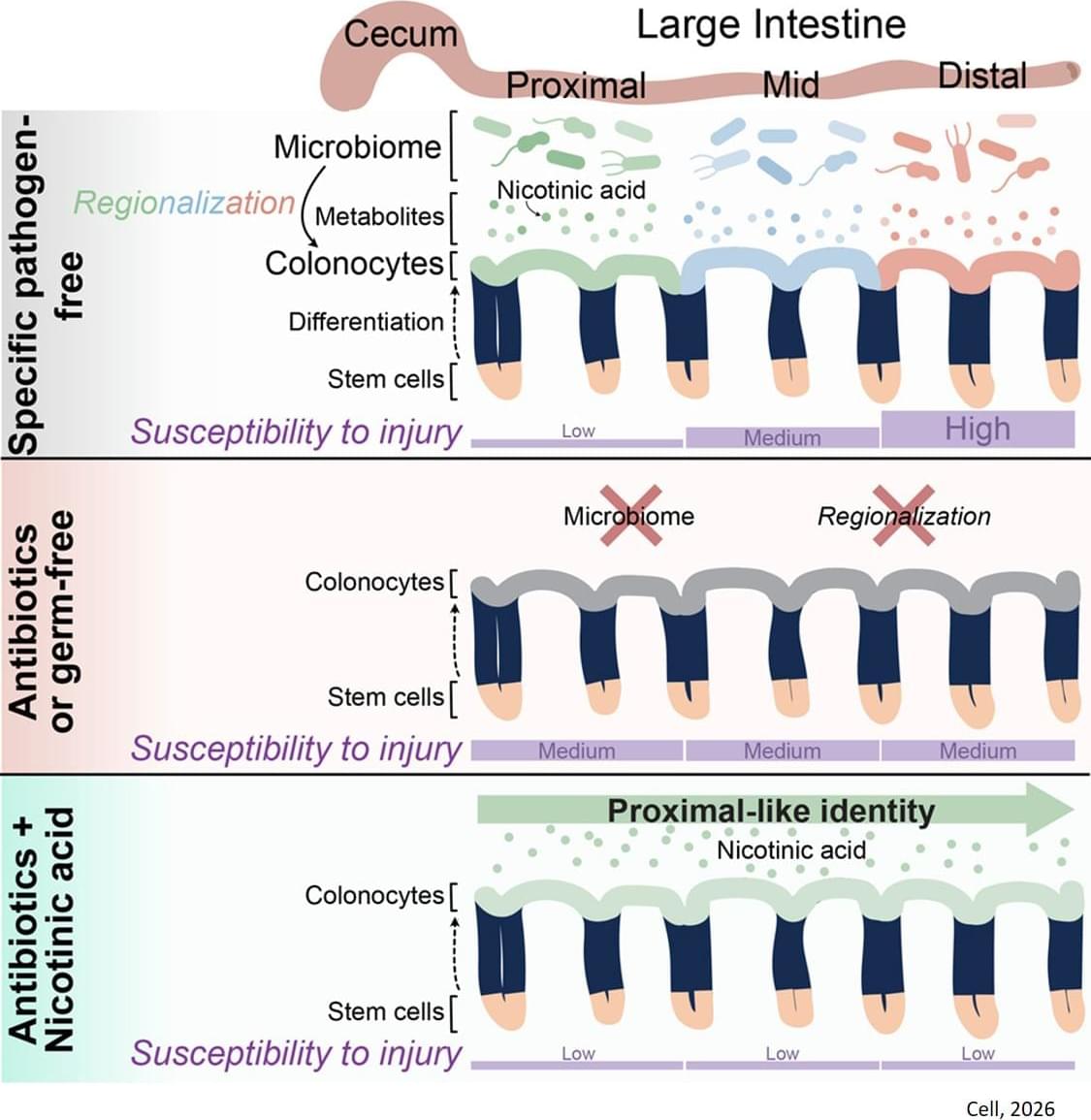
In this study, the investigators showed that the identity of distinct regions of the colon are regulated by the gut microbiome. They identified nicotinic acid, a molecule produced by certain bacteria in the gut microbiome, as a main driver of these regional differences in the colon’s sections. Nicotinic acid, also known as niacin, part of the vitamin B3 family, helps the body convert food into energy and supports the health of cells.

The researchers compared laboratory mice with and without a microbiome. They found that production of nicotinic acid by bacteria in the upper colon activates a protective mechanism in colon cells by the induction of Pparα expression to establish proximal colonocyte identity. In mice without a microbiome, minimal nicotinic acid was produced, and cells in the upper colon became more vulnerable to damage and disease.

Investigators also studied human colon tissue samples. They found that the different sections of the human colon showed regional characteristics similar to patterns observed in mice. And in samples from human patients with Crohn’s disease— a type of bowel disease in which abnormal immune system activity causes inflammation—this protective mechanism was reduced. ScienceMission sciencenewshighlights.


The gut microbiome—the trillions of bacteria and other microbes that inhabit the gastrointestinal tract—drives a process vital for protecting the colon against tissue injury, according to the findings of a new study.

The discovery, published in Cell, has important implications for understanding how a wide variety of intestinal disorders may develop.

Redox regulation of the transcription factor HAT1 limits basal defenses and promotes responses to infection in Arabidopsis thaliana

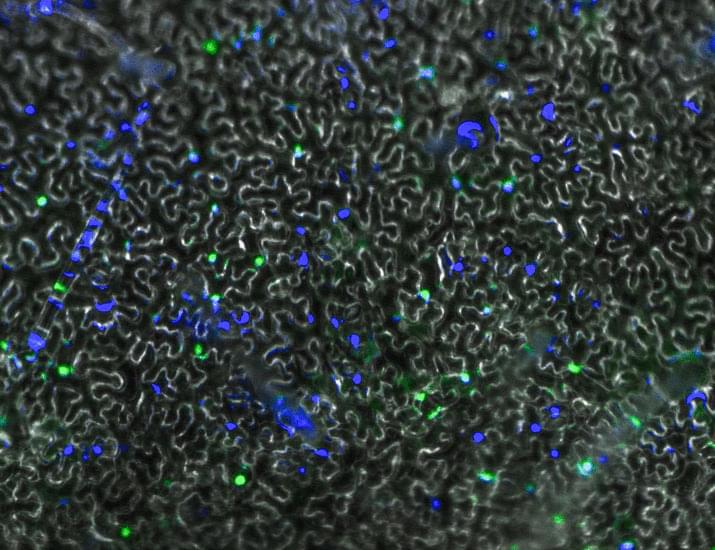
A study in Science Signaling reveals a molecular “brake” in plants that fine-tunes the immune response to infection, casting light on the sophisticated and dynamic pathways that enable plants to balance energy between growth and immune defense.

📄


The redox status of cysteine residues in a transcription factor balances plant defense gene expression.

Abstract: Uncovering a novel disease mechanism in partial lipodystrophy syndrome disease

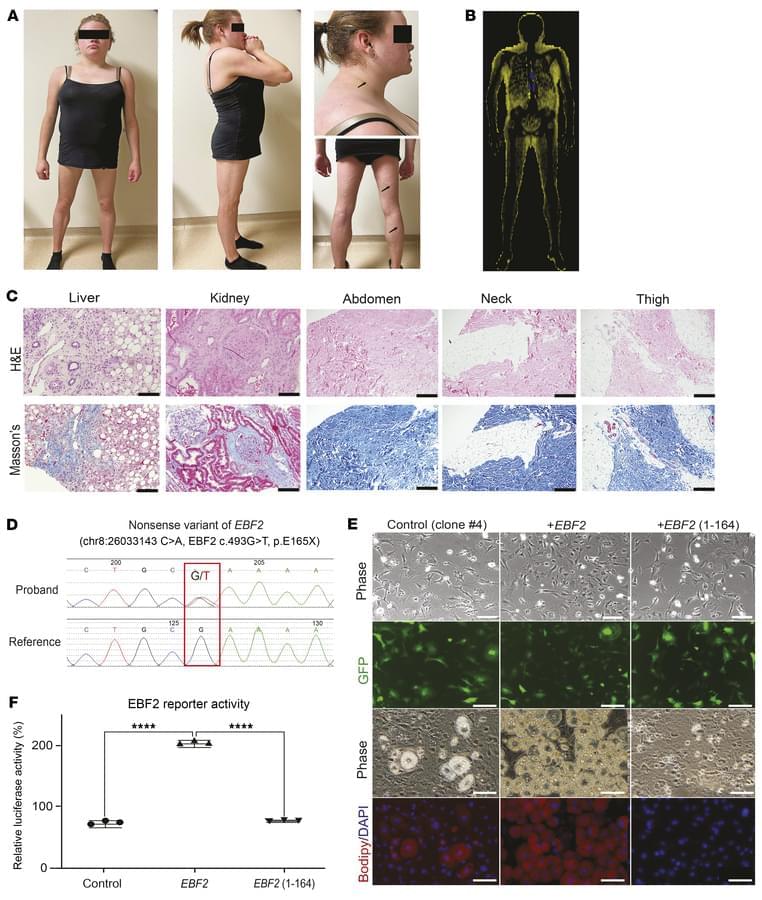
Here, Elif A. Oral & team describe a nonsense variant in EBF2 in a patient with an atypical form of partial lipodystrophy and establish a mouse model—linking the EBF2 p. E165X variant to impaired adipogenesis and adipose tissue function.

The image shows inguinal adipose tissue from the EBF2 p. E165X knock-in mouse, demonstrating prominent accumulation of collagen fibers (blue) and elastin-rich eosinophilic material (purple).


1Caswell Diabetes Institute and Metabolism, Endocrinology and Diabetes Division, Department of Internal Medicine, University of Michigan Medical School, Ann Arbor, Michigan, USA.

2Department of Clinical and Translational Sciences, University of Pisa, Pisa, Italy.

3Division of Genetics and Genomics, Boston Children’s Hospital, Boston, Massachusetts, USA.

/* */