Toggle light / dark theme

Get the latest international news and world events from around the world.

Log in for authorized contributors

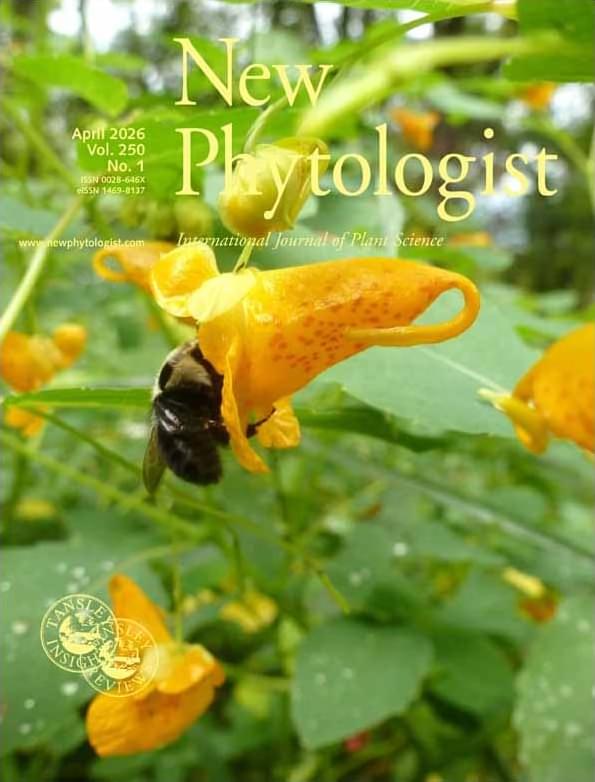
Mass spectrometry imaging: principles and applications in plant research

A Research review by Sun et al. 👇

📖


Mass spectrometry imaging (MSI) is an advanced analytical technique that combines mass spectrometry with spatial mapping, enabling the direct, label-free detection and visualization of molecular distributions within biological tissues. This review comprehensively outlines the fundamental principles, major technological platforms, and recent applications of MSI in plant science. We detail key ionization techniques – matrix-assisted laser desorption/ionization (MALDI), desorption electrospray ionization (DESI), and secondary ion mass spectrometry (SIMS) – focusing on their ionization mechanisms and instrumental characteristics.

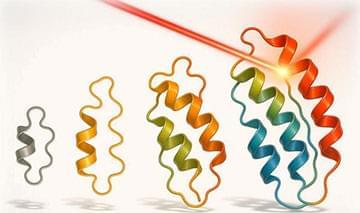
Light-Directed Evolution of More Complex Proteins

Researchers have discovered how to guide the evolution of proteins with light to develop more complex proteins, paving the way for new possibilities in synthetic biology and biotechnology.

Read the OPN story: biotech technology physics.


New technique creates new possibilities for synthetic biology and biotechnology.

Pretreatment risk model for radiation-induced lymphopenia is associated with adjuvant durvalumab efficacy in patients with unresectable stage III NSCLC

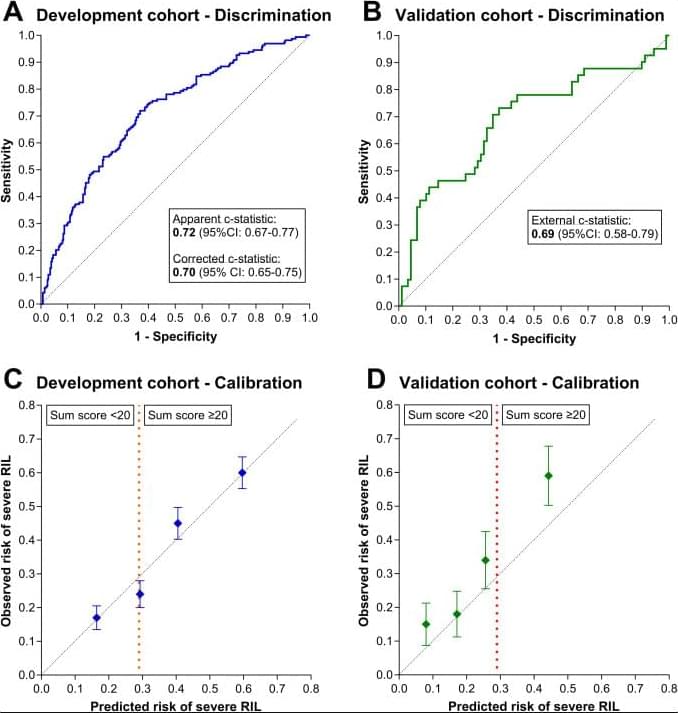
Can we predict immunotherapy success by forecasting severe radiation-induced lymphopenia (RIL)? A pretreatment NSCLC nomogram shows only low RIL-risk patients benefit from adjuvant durvalumab, potentially enabling personalized RIL mitigation and optimized immunotherapy. Read it here in the RedJournal.


Severe radiation-induced lymphopenia (RIL) during concurrent chemoradiotherapy (CCRT) for NSCLC has been associated with poorer outcomes and reduced immunotherapy efficacy. Because RIL often develops late during CCRT, identifying patients at risk before treatment may be clinically relevant. This study aimed to develop and validate a nomogram based on pretreatment predictors for severe RIL, and secondarily to explore associations between predicted RIL risk and adjuvant durvalumab-associated survival.

Tubulin prevents toxic protein clump formation

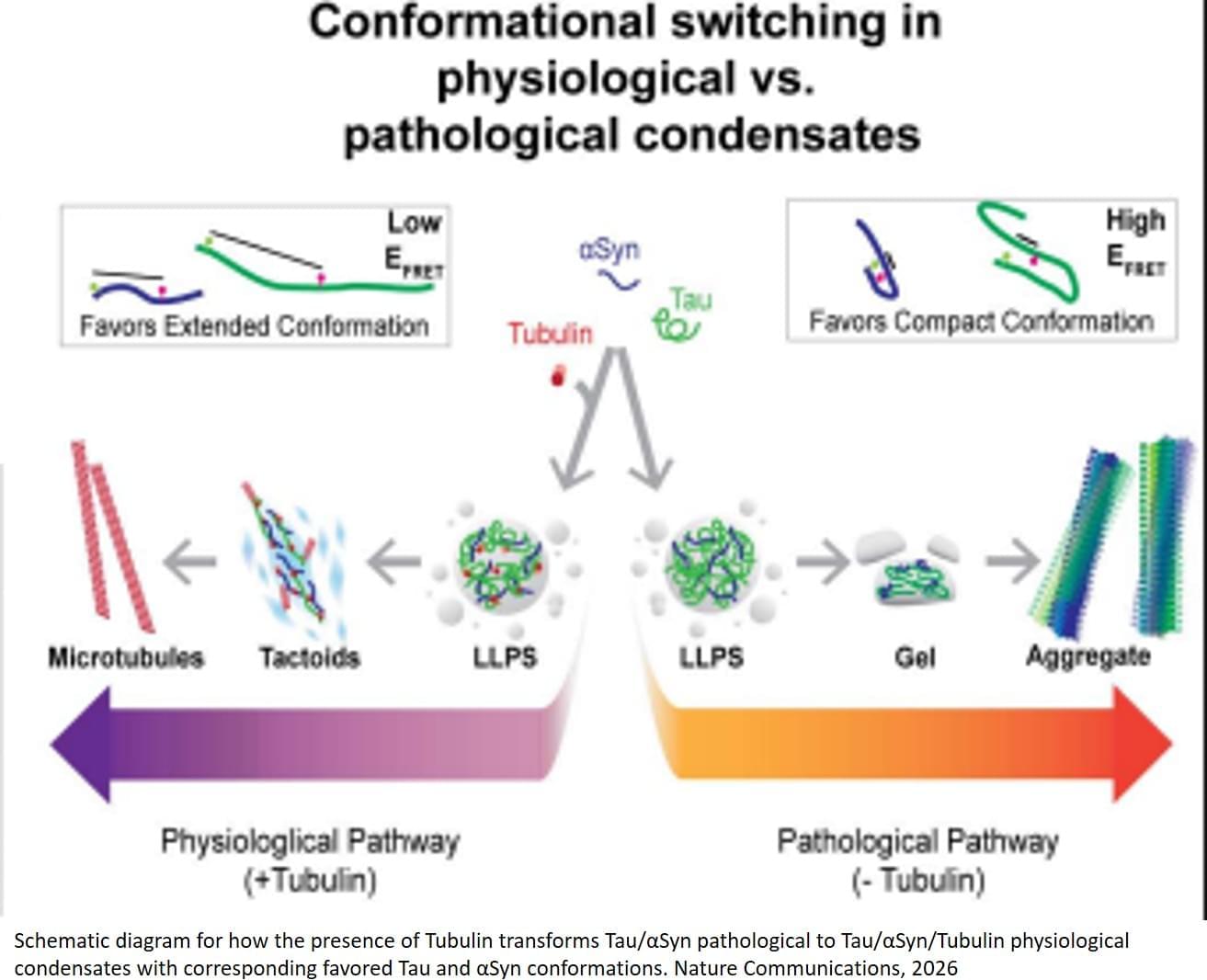
“This led us to the following idea: what if instead of preventing the formation of droplets, we created conditions that would drive Tau and alpha synuclein inside the droplets toward their healthy path, discouraging them from taking the disease path?” said a co-corresponding author of the work.

The team worked with biochemical and biophysical techniques, high-resolution microscopy and neuronal-based assays to investigate tubulin’s role in modulating and preventing the formation of toxic aggregates in droplets.

The researchers show that Tubulin modulates Tau:αSyn condensates by promoting microtubule interactions and inhibiting homotypic and heterotypic pathological oligomers. Tubulin partitioning into condensates promotes microtubule polymerization and prevents Tau and αSyn oligomerization.

In the absence of Tubulin, Tau-driven condensation accelerates formation of pathogenic Tau:αSyn heterodimers and amyloid fibrils. The authors also identify distinct Tau and αSyn structural states in pathological Tubulin-absent versus physiological Tubulin-rich condensates.

“When tubulin levels are low, as it has been found in Alzheimer’s disease, microtubules are less abundant and Tau and alpha synuclein can form toxic aggregates,” the author said. “But when tubulin is present, Tau and alpha‑synuclein shift away from harmful aggregates and instead promote the assembly of healthy microtubules,” the author said. “Tubulin redirects the activity of these proteins by giving them something productive to do.” ScienceMission sciencenewshighlights.


Researchers have discovered a potential new strategy to fight back against Alzheimer’s and Parkinson’s diseases, conditions that are linked to the toxic accumulation of Tau and alpha synuclein protein clumps in the brain. The team reports in Nature Communications that tubulin, the building block of microtubules, the cell’s internal ‘railway tracks,’ can stop Tau and alpha synuclein from forming toxic clumps and instead steer them into their normal, healthy roles.
/* */