Some researchers worry about risks of devaluing sign language, overreliance on imperfect devices



Learn more about this fascinating technique which is coming to cardiovascular medicine:
Paper:
Podcast with the authors: https://bit.ly/49oxvq9
Photon-counting CT (PCCT) represents a transformative advancement in cardiac imaging, addressing key limitations of conventional CT. This review synthesises current evidence to demonstrate how PCCT’s superior spatial resolution, enhanced tissue characterisation and multienergy capabilities broaden the diagnostic potential of cardiac CT. Applications include the precise detection and quantification of coronary artery calcifications, evaluation of coronary plaque burden and composition, improved assessment of coronary stents, and comprehensive myocardial tissue characterisation and perfusion analysis. By offering high-quality spectral information and detailed tissue characterisation, PCCT provides a non-invasive alternative for assessing coronary artery disease and myocardial pathology, reducing the need for invasive coronary angiography and cardiac MRI.
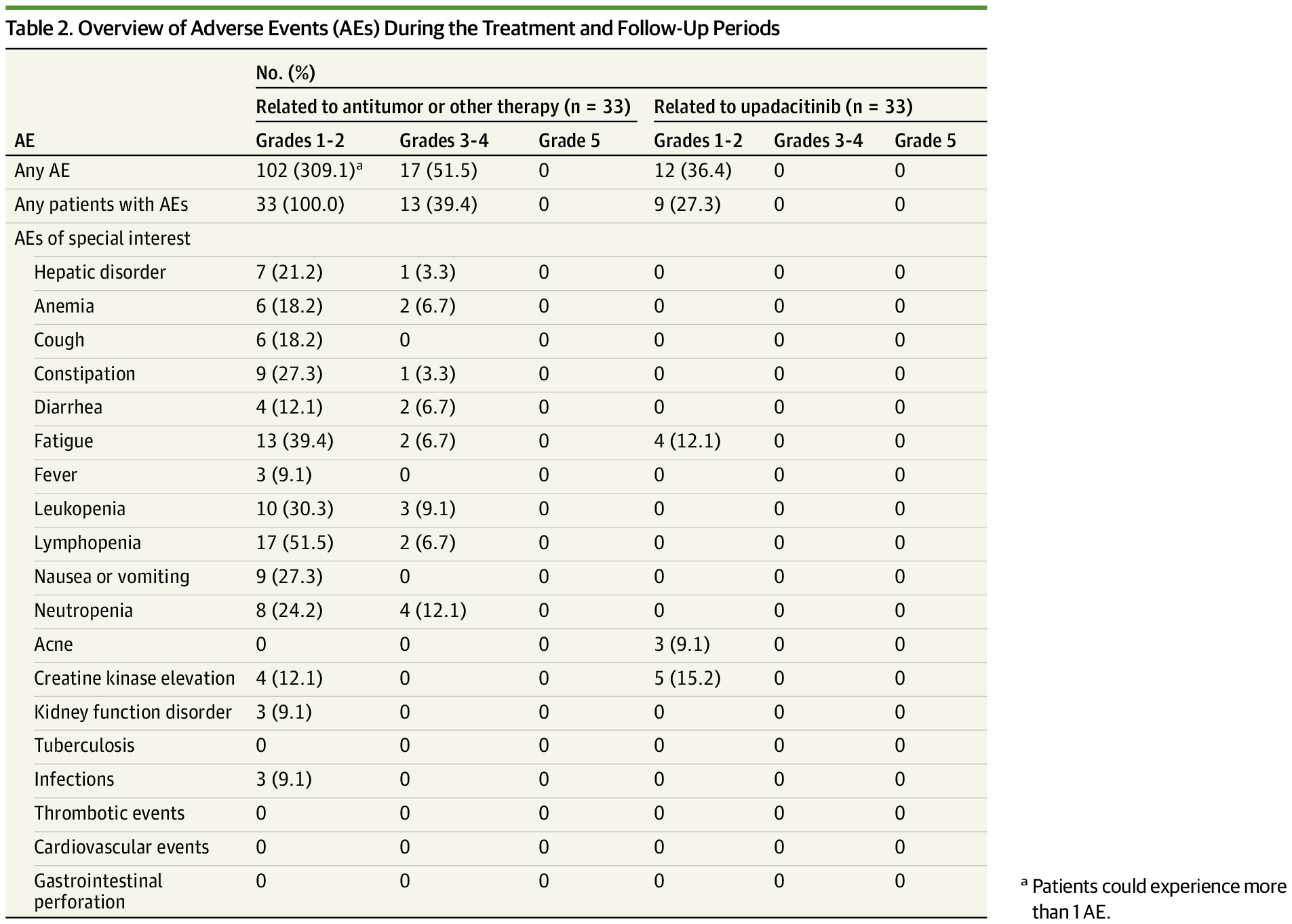
This phase 2 nonrandomized clinical trial evaluated oral upadacitinib for severe immune checkpoint inhibitor–related dermatitis in patients with solid tumors.
Rash resolution to grade ≤1 was achieved in all participants within 28 days, and pruritus improvement was reported within 1 day of initiation. Upadacitinib was well tolerated, with no serious treatment-related adverse events.
The majority of patients were able to continue immune checkpoint inhibitor therapy as scheduled, indicating the potential of upadacitinib as a safe and effective option for managing severe Dermatitis induced by immunotherapy.
This nonrandomized clinical trial examines the safety and efficacy of oral upadacitinib in the treatment of patients with severe immune checkpoint inhibitor–related dermatitis.
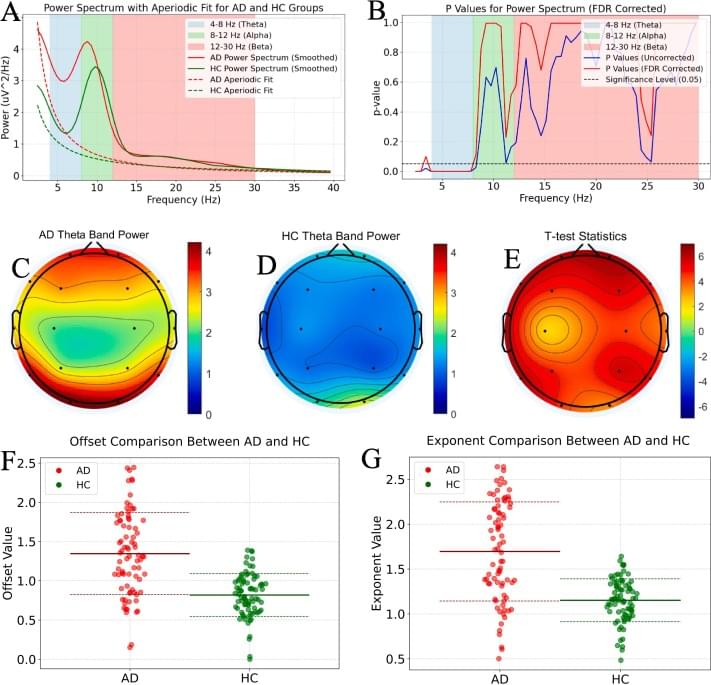
[Alzheimer’s disease: AD] Zhang et al.: “Increased theta band power was statistically significant in AD patients, highlighting its critical role in AD pathology.”
Your browser extensions or network settings have blocked the security verification process required by www.sciencedirect.com. To resolve this, try the following steps:
Temporarily disable browser extensions:
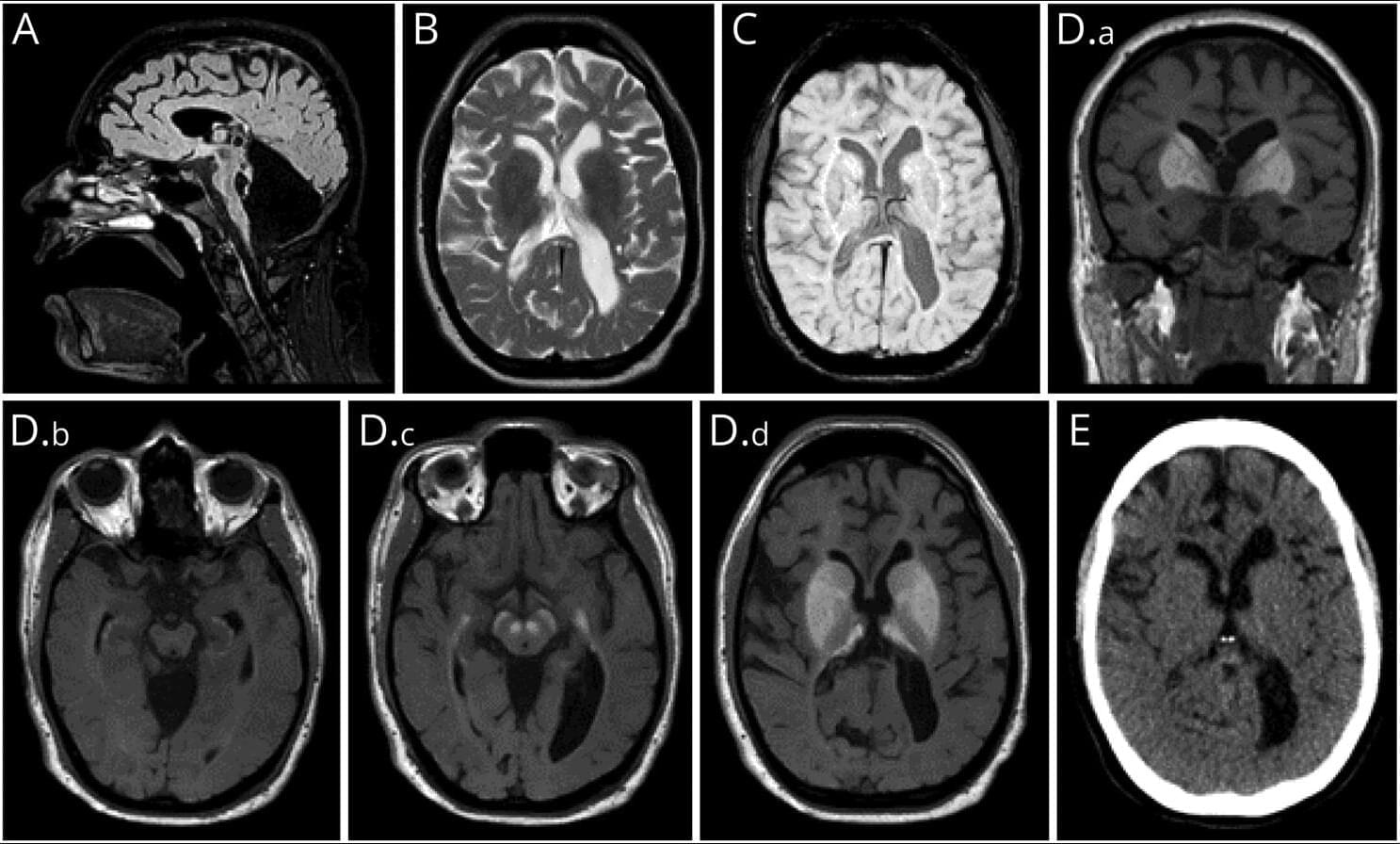
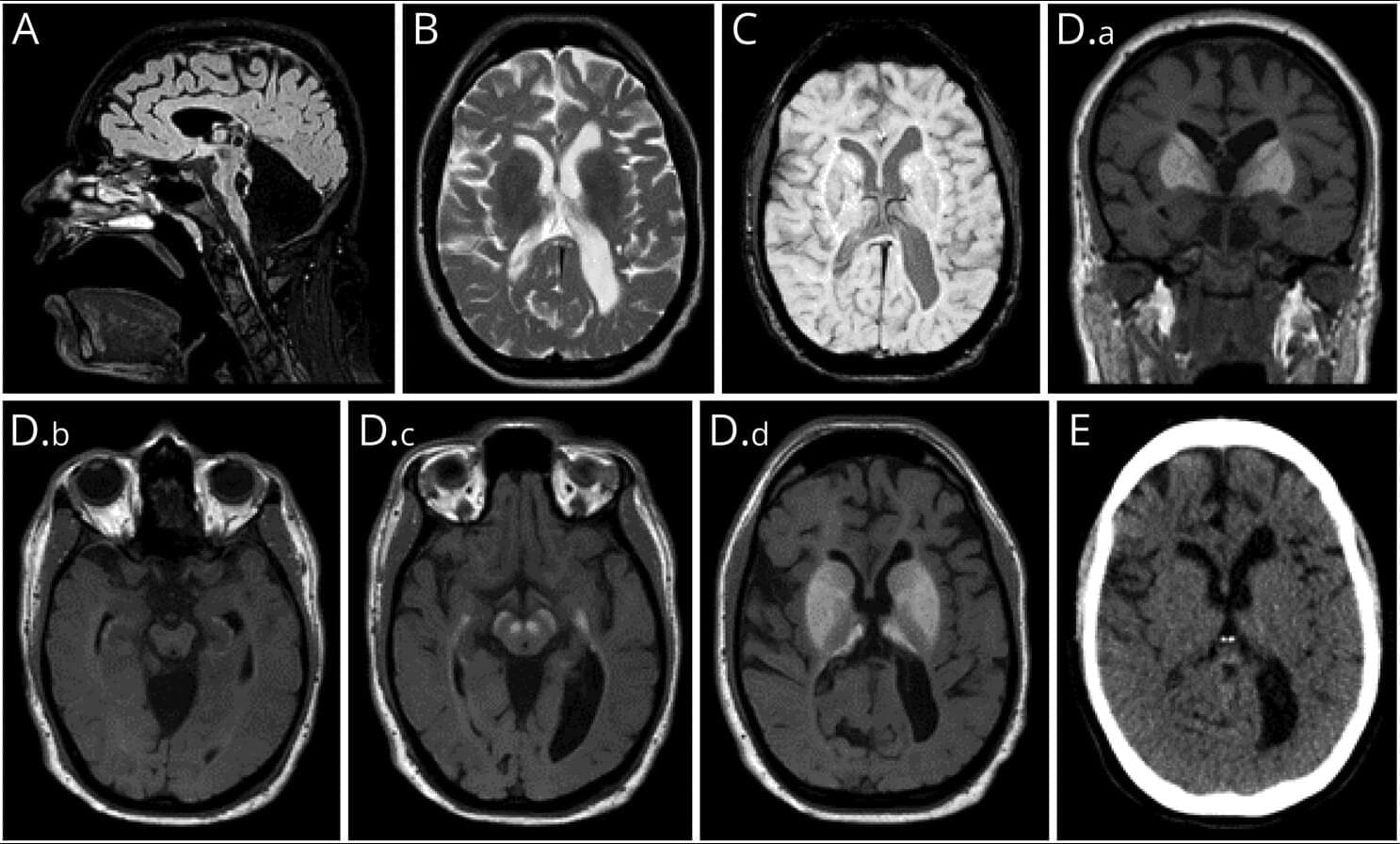
ObjectivesWe report on a patient with a distinct clinical and neuroradiologic phenotype and a de novo variant in the FTH1 gene. MethodsThe patient was a 25-year-old woman with developmental delay and pontocerebellar hypoplasia, who after years of stable condition visited our hospital at age 20 years because of clinical deterioration. With consent from the patients’ family, we obtained clinical, imaging, and genetic data from the patient’s medical record.

Microglial replacement strategy to treat microgliopathy.
Colony-stimulating factor 1 receptor (CSF1R) gene mutation (I794T) is linked to primary microgliopathy manifesting as leukoencephalopathy.
The researchers define the clinical features of patients carrying the CSF1R p. I794T variant and establish a corresponding knockin mouse model.
The authors demonstrate that knockin mice exhibited hallmark features of CSF1R-related disorder (CSF1R-RD).
They show that Csf1rI792T/+ microglia adopt a disease associated state and that a microglial replacement strategy termed “duplicate-cyclic microglial depletion for transplantation” (DCMDT), mitigates cognitive and neuropathological deficits in CSF1R-RD. sciencenewshighlights ScienceMission https://sciencemission.com/microglia-replacement-18450
Li et al. define the clinical features of patients carrying the CSF1R p. I794T variant and establish a corresponding knockin mouse model. They show that Csf1rI792T/+ microglia adopt a disease-associated state and that a microglial replacement strategy, DCMDT, mitigates cognitive and neuropathological deficits in CSF1R-related disorder.