Toggle light / dark theme

Get the latest international news and world events from around the world.

Log in for authorized contributors

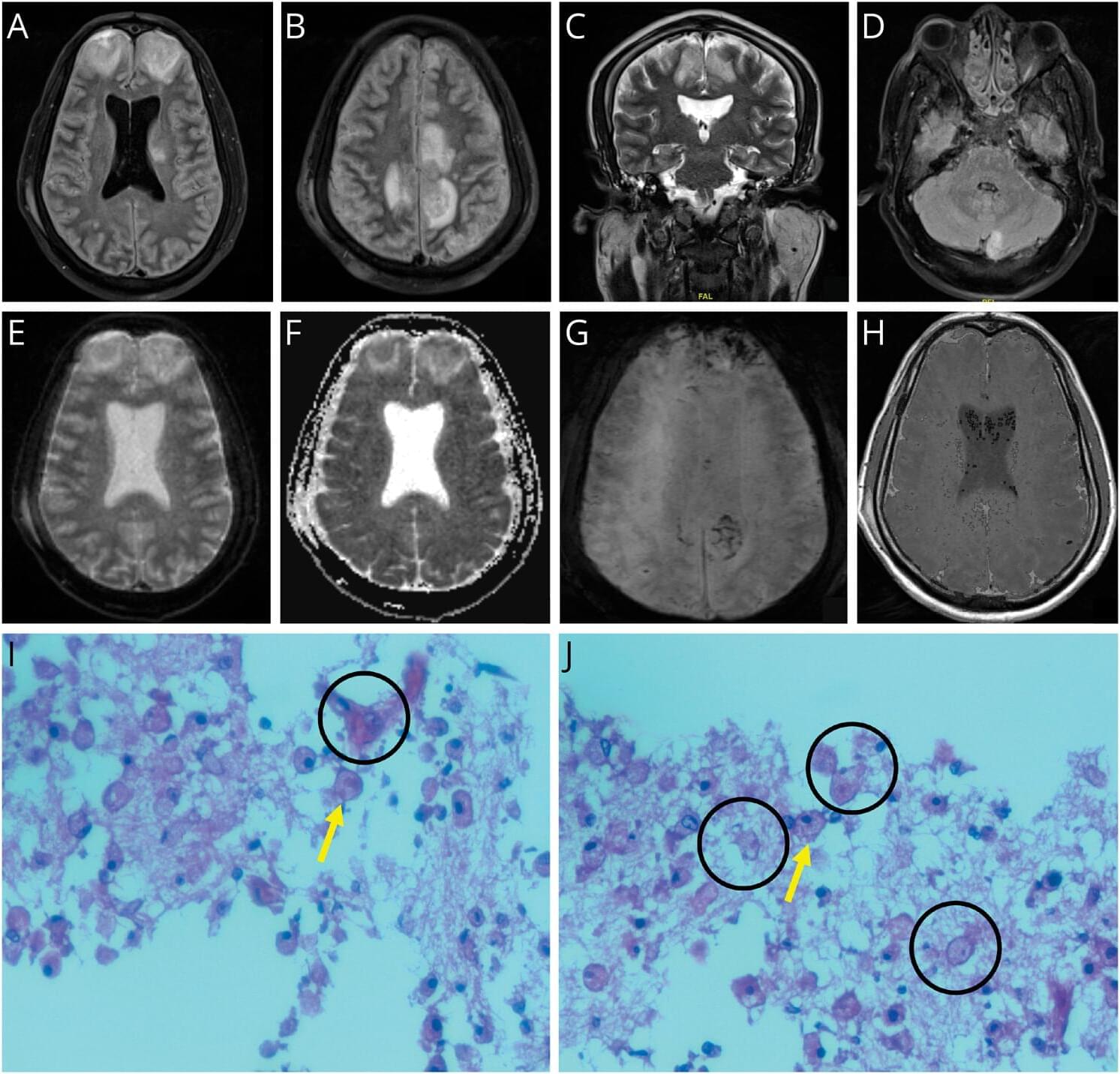
Clinical Reasoning: A 49-Year-Old Man With Meningoencephalitis and Persistent Altered Mental Status

Cannabis use is common among those with mental health conditions, and many people report using cannabis to manage mental health symptoms.

It is important for clinicians to understand the lack of clear benefits of cannabis for mental health conditions and the potential for substantial adverse effects.

📌 This Review summarizes the current evidence on the effects of cannabis on commonly encountered mental health conditions and provides clinicians with basic information about cannabis pharmacology and biology.
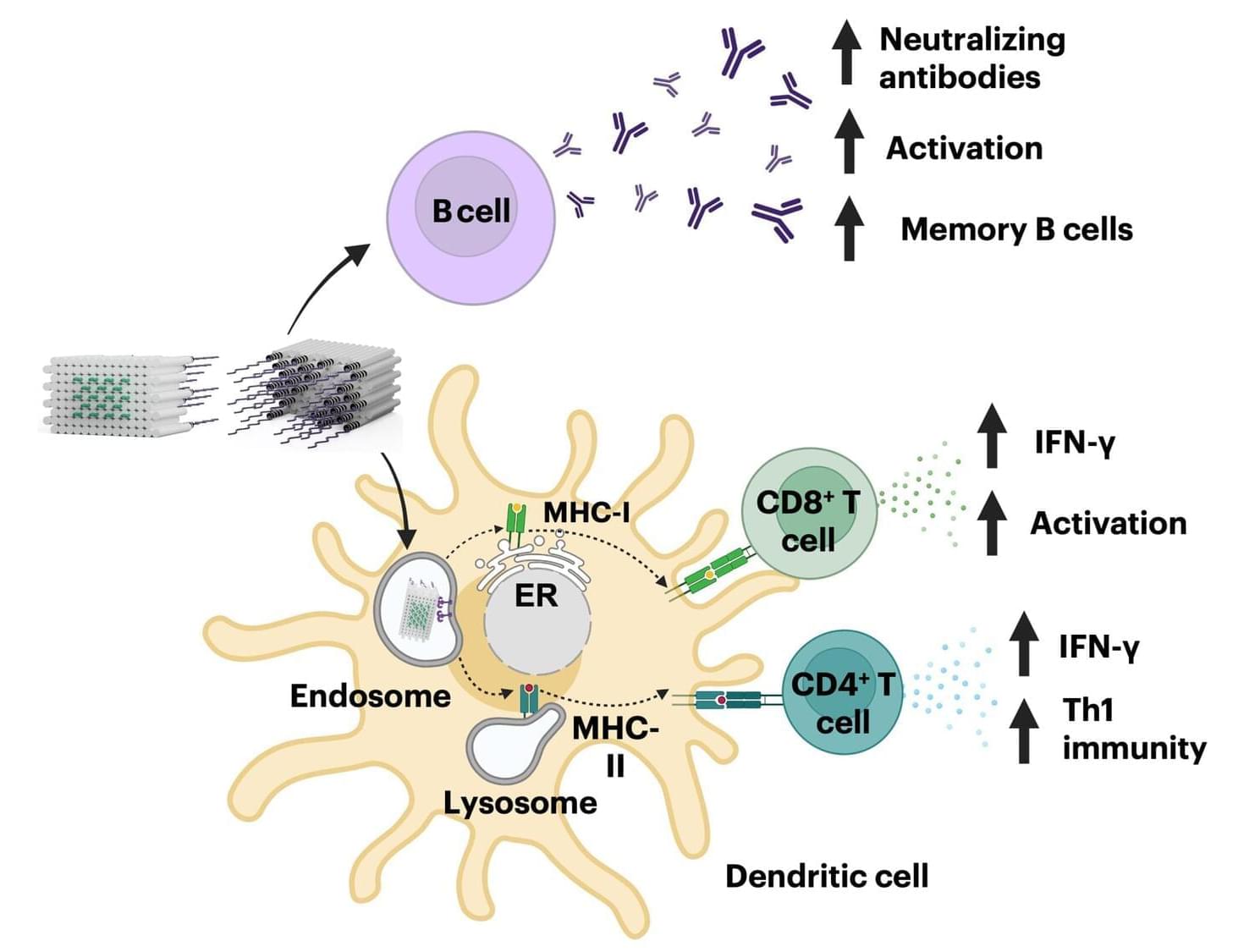
DNA origami vaccine rivals mRNA shots while being easier to store and manufacture

The COVID-19 pandemic brought messenger RNA (mRNA) vaccines to the forefront of global health care. After their clinical trial stages, the first COVID-19 mRNA vaccine was administered on 8 December 2020 and mathematical models suggest that mRNA vaccines prevented at least 14.4 million deaths from COVID-19 in the first year alone.

Their extraordinary effectiveness in having softened the blow of the disease has led to the development of mRNA vaccines to also combat other infectious pathogens.

Clinical trials for influenza virus, Respiratory Syncytial Virus (RSV), HIV, Zika, Epstein-Barr virus, and tuberculosis bacteria are all on the way. Importantly, however, COVID-19 research has revealed shortcomings of mRNA vaccines that highlight the need for different approaches.

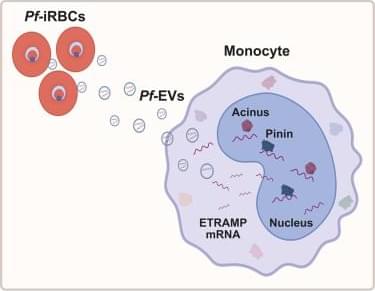
Nuclear import of malaria RNA rewires splicing in host immune cells

Abou Karam et al. identify a cell communication mechanism used by the malaria parasite Plasmodium falciparum. The parasite delivers its mRNAs into monocytes and imports them into their protected nuclei, where they perturb the splicing. This extracellular RNA-based strategy disrupts host transcript processing and immune signaling, revealing another layer of host interference.

Mass spectrometry imaging: principles and applications in plant research

A Research review by Sun et al. 👇

📖


Mass spectrometry imaging (MSI) is an advanced analytical technique that combines mass spectrometry with spatial mapping, enabling the direct, label-free detection and visualization of molecular distributions within biological tissues. This review comprehensively outlines the fundamental principles, major technological platforms, and recent applications of MSI in plant science. We detail key ionization techniques – matrix-assisted laser desorption/ionization (MALDI), desorption electrospray ionization (DESI), and secondary ion mass spectrometry (SIMS) – focusing on their ionization mechanisms and instrumental characteristics.

Light-Directed Evolution of More Complex Proteins

Researchers have discovered how to guide the evolution of proteins with light to develop more complex proteins, paving the way for new possibilities in synthetic biology and biotechnology.

Read the OPN story: biotech technology physics.


New technique creates new possibilities for synthetic biology and biotechnology.

/* */