Veeam fixes 7 Backup & Replication flaws, including CVSS 9.9 RCE bugs, warning attackers may exploit unpatched systems.





Microsoft is rolling out passkey support for Microsoft Entra on Windows devices, adding phishing-resistant passwordless authentication via Windows Hello.
The feature is opt-in and will enter public preview from mid-March through late April 2026 for worldwide tenants. Government cloud environments (GCC, GCC High, and DoD) follow with mid-April through mid-May rollout windows.
Notably, this also extends passwordless sign-in to unmanaged Windows devices, a gap that previously left personal and shared devices relying on password-based authentication.

Google paid over $17 million to 747 security researchers who reported security bugs through its Vulnerability Reward Program (VRP) in 2025.
The company says it has awarded over $81.6 million in bug bounties since the first Vulnerability Reward Program went live in 2010, while the highest reward paid last year was of $250,000.
“Our VRP once again confirmed the ongoing value of engaging with the external security research community to make Google and its products safer,” Google said.

A new malware strain dubbed Slopoly, likely created using generative AI tools, allowed a threat actor to remain on a compromised server for more than a week and steal data in an Interlock ransomware attack.
The breach started with a ClickFix ruse, and in later stages of the attack, the hackers deployed the Slopoly backdoor as a PowerShell script acting as a client for the command-and-control (C2) framework.
IBM X-Force researchers analyzed the script and found strong indicators that it was created using a large language model (LLM), but could not determine which one.
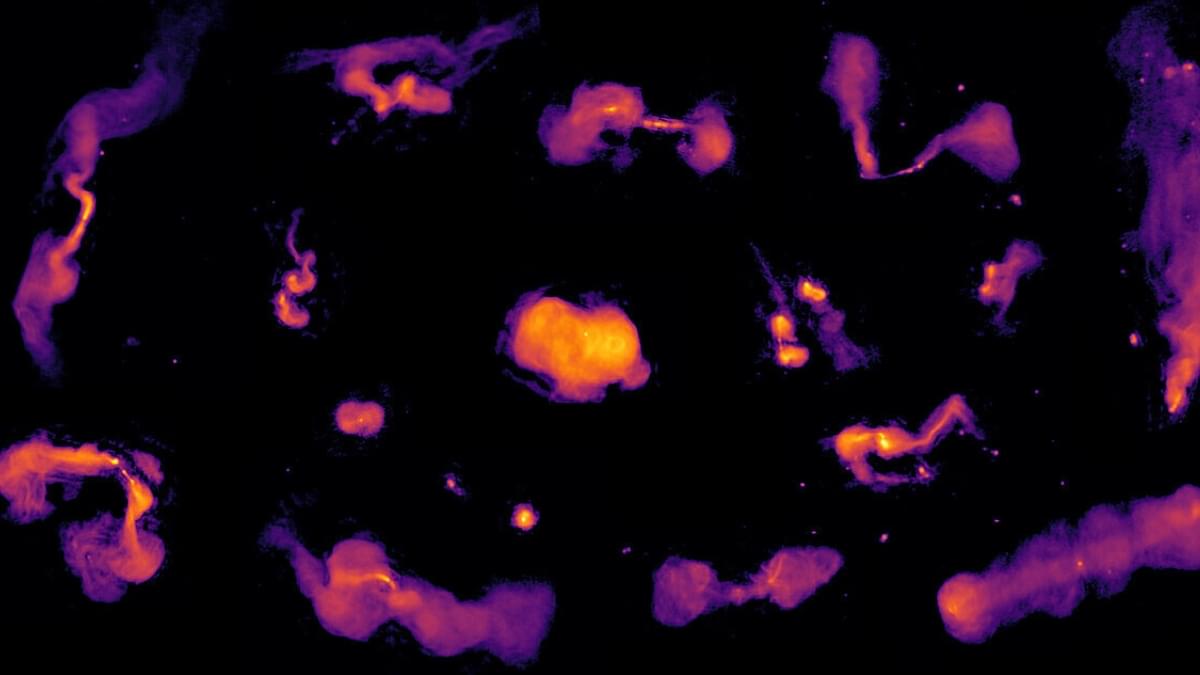
Our view of the cosmos changes completely based on how we observe it.
Now, astronomers have released the data from the largest-ever sky survey at radio wavelengths, revealing nearly 13.7 million celestial objects in light the human eye literally cannot see unaided.
This is the third data release from the LOFAR Two-metre Sky Survey (LoTSS-DR3). It provides an unprecedented collection of cosmic objects that emit radio waves.