Toggle light / dark theme

Get the latest international news and world events from around the world.

Log in for authorized contributors

Molecular chains with bite: Customized carbon nanoribbons open a cleaner path to molecular electronics

The longest chains of the conductive polymer poly(p-phenylene; PPP) produced to date are just under one micrometer (thousandth of a millimeter) long—almost an order of magnitude longer than previously possible. A research team from the fields of chemistry and physics led by Prof. Dr. Michael Gottfried from Marburg University, Germany, has demonstrated for the first time that PPP can be synthesized on surfaces via a specific ring-opening polymerization as genuine chain growth.

The statistically most frequently measured length is around 170 nanometers—with one outlier reaching nearly 1,000 nanometers—a record. The new, halogen-free process does not produce any disruptive by-products, thus opening up a particularly clean approach to ultra-long, conjugated polymer chains.

The results have been published by the interdisciplinary team from the Universities of Marburg, Giessen and Leipzig and Chinese researchers in the journal Nature Chemistry.

Scientists Spot a Black Hole-Neutron Star Pair Breaking the Rules of Cosmic Orbits

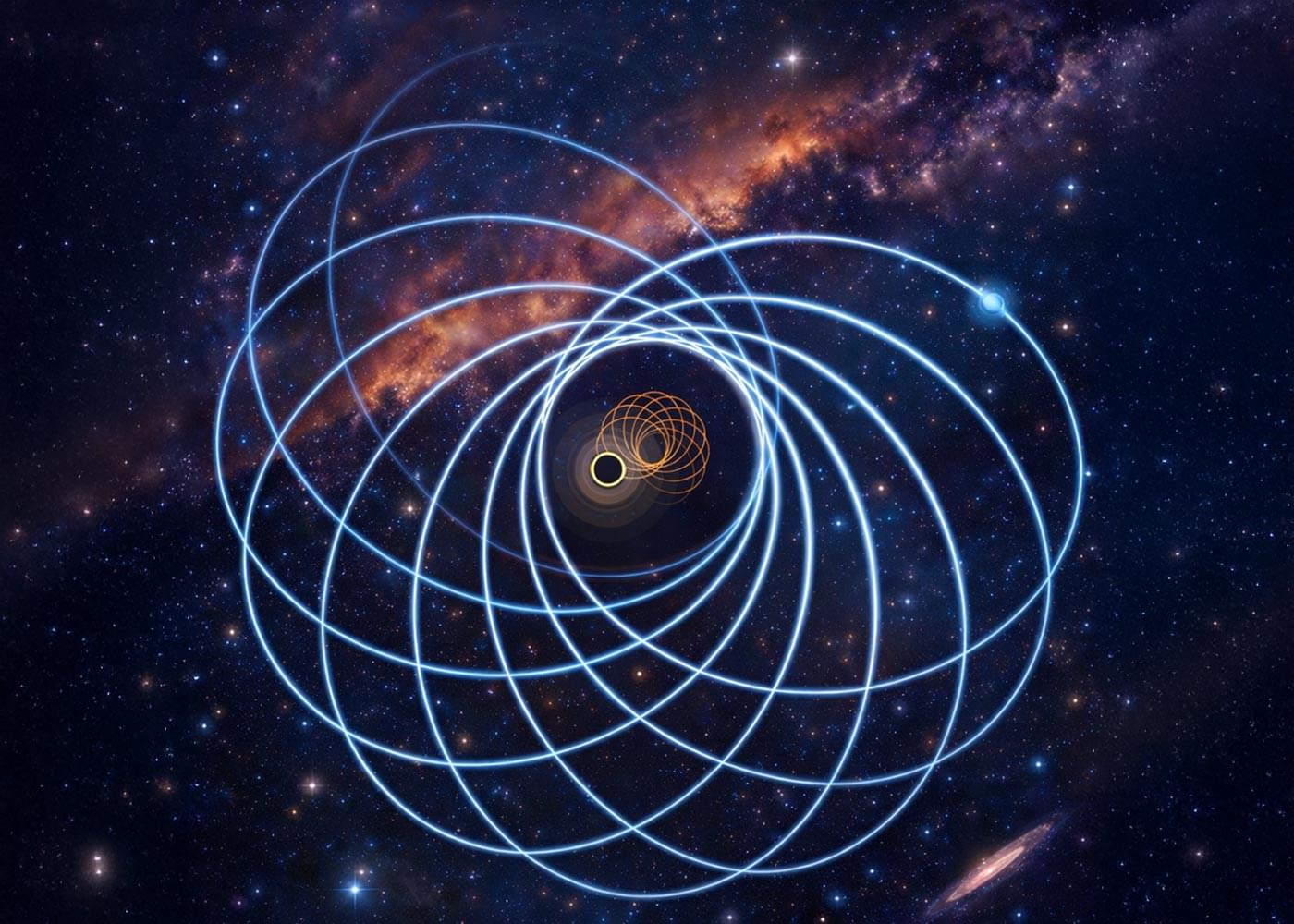
A newly analyzed gravitational-wave event has revealed something unexpected about one of the Universe’s most violent encounters. Scientists have found the first strong evidence that a black hole and a neutron star collided while moving along an oval shaped orbit instead of the nearly perfect circ

GlassWorm Attack Uses Stolen GitHub Tokens to Force-Push Malware Into Python Repos

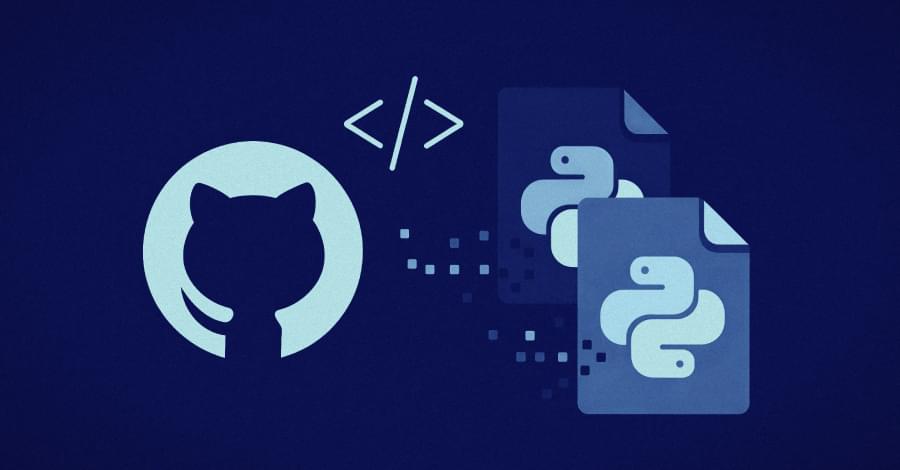
The GlassWorm malware campaign is being used to fuel an ongoing attack that leverages the stolen GitHub tokens to inject malware into hundreds of Python repositories.

“The attack targets Python projects — including Django apps, ML research code, Streamlit dashboards, and PyPI packages — by appending obfuscated code to files like setup.py, main.py, and app.py,” StepSecurity said. “Anyone who runs pip install from a compromised repo or clones and executes the code will trigger the malware.”

According to the software supply chain security company, the earliest injections date back to March 8, 2026. The attackers, upon gaining access to the developer accounts, rebasing the latest legitimate commits on the default branch of the targeted repositories with malicious code, and then force-pushing the changes, while keeping the original commit’s message, author, and author date intact.

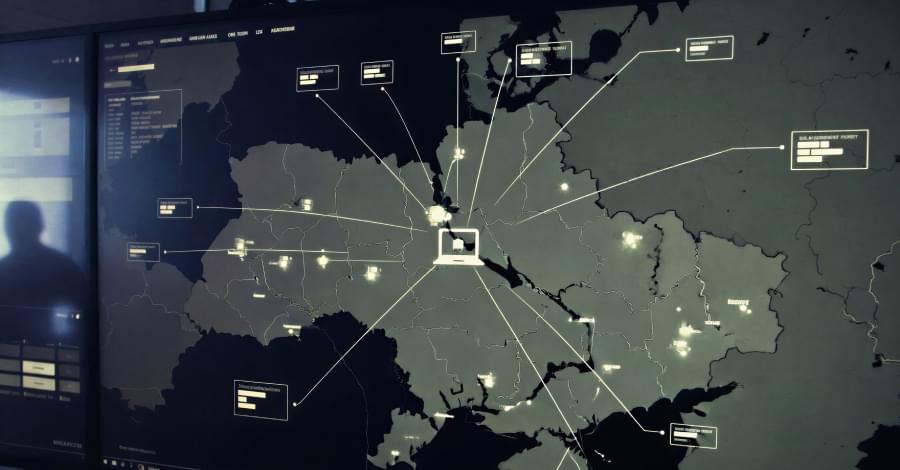
DRILLAPP Backdoor Targets Ukraine, Abuses Microsoft Edge Debugging for Stealth Espionage

To establish persistence, the LNK files are copied to the Windows Startup folder so that they are automatically launched following a system reboot. The attack chain then displays a URL containing lures related to installing Starlink or a Ukrainian charity named Come Back Alive Foundation.

The HTML file is eventually executed via the Microsoft Edge browser in headless mode, which then loads the remote obfuscated script hosted on Pastefy.

The browser is executed with additional parameters like –no-sandbox, –disable-web-security, –allow-file-access-from-files, –use-fake-ui-for-media-stream, –auto-select-screen-capture-source=true, and –disable-user-media-security, granting it access to the local file system, as well as camera, microphone, and screen capture without requiring any user interaction.

/* */