Toggle light / dark theme

Get the latest international news and world events from around the world.

Log in for authorized contributors

Quantum entanglement and the illusion of time, in 79 minutes

Become a Big Think member to unlock expert classes, premium print issues, exclusive events and more: https://bigthink.com/membership/?utm_

Preorder Jim Al-Khalili’s forthcoming book, On Time: The Physics That Makes the Universe, here: https://www.amazon.com/Time-Physics-T?tag=lifeboatfound-20

Up next.
Brian Cox: The quantum roots of reality | Full Interview ► • Brian Cox: The quantum roots of reality |…

Time feels obvious, but physics tells a stranger story about its existence: Theoretical physicist Jim Al-Khalili explores why our sense of time may be incredibly misleading, including the idea that past, present, and future might all exist at once.

0:00 Chapter 1: Does time flow?
2:42 Why Time Feels Faster as We Age.
3:56 Time and Change in Philosophy and Physics.
5:28 Einstein and the End of Absolute Time.
6:19 Time in the Equations of Physics.
7:50 Chapter 2: How do we reconcile quantum field theory with the general theory of relativity?
12:10 Evidence for Time Dilation: Muons.
14:29 Gravity Slows Time: General Relativity.
19:22 Space-Time and the Block Universe.
21:55 Does Time Really Exist?
26:33 The Debate: Eternalism vs Presentism.
34:12 Chapter 3: Is There a “Now”?
40:40 Chapter 4: Why Does Thermodynamics Have a Direction in Time?
49:38 Quantum Entanglement and the Direction of Time.
55:10 Did Time Begin at the Big Bang?
45:00 Will Time End?
1:05:40 Chapter 5: Is Time Travel Possible?

Read more

The Moment a New Cancer Treatment Met Its First Patient

In the early stages of the HMBD-001 clinical trial, Ingram and his team focused primarily on the drug’s safety and tolerability, as well as building a dataset that could support clear decisions about where the medicine could help patients most. In early clinical evaluations, HMBD-001 has shown encouraging signals, and the trials have expanded beyond London to multiple international sites.

In January, Ingram and team announced that the first patient had been dosed with HMBD-501. The first clinical trial for HMBD-501 is currently recruiting cancer patients in the United States and Australia. Soon, more patients will begin receiving HMBD-501 as it enters clinical testing.

The expansion of HMBD-501 clinical trials is a chance to learn more about one of biology’s biggest problems and how to solve it. But it wouldn’t have been possible if the Hummingbird Bioscience team hadn’t asked the important questions in their lab in Singapore.

Pareto optimality reveals an atlas of cellular archetypes

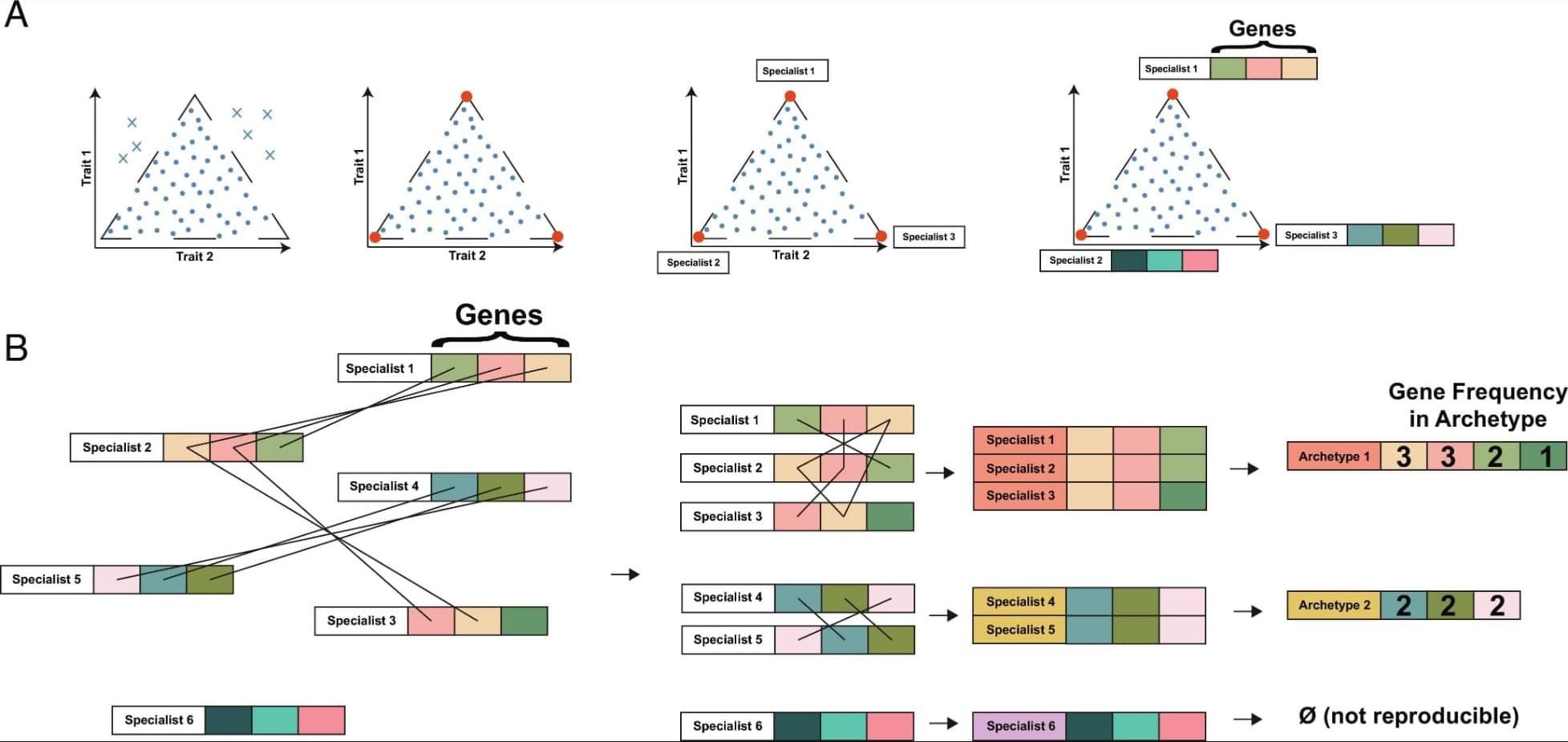
This pattern is the signature of Pareto optimality, a mathematical concept describing how competing objectives create a “frontier” of optimal solutions. Just as you can’t make a car both maximally fast and maximally fuel-efficient without compromise, cells can’t simultaneously optimize all biological functions. A cell might specialize in energy production, defense, or growth—but rarely all three equally.


We hypothesized that the phenotypic variation within cell types is explained by multiobjective optimization and used Tabula Sapiens to test this hypothesis. The Tabula Sapiens Atlas v1 is a single-cell RNA sequencing dataset containing 456,101 high-quality single cell transcriptomes processed via droplet microfluidic emulsion, covering 58,870 genes across 174 cell types, 25 tissues, and 15 donors (16). We applied quality control filters to remove outlier cells on several metrics, yielding 309,193 cells across 173 cell types, 24 tissues, and 14 donors, SI Appendix, Fig. S1 and Table S1. Cell type abundance filters left 110 cell types across the same number of tissues and donors, yielding 440 distinct donor-tissue-cell type strata for analysis (15, 17).

The only assumption we make in this analysis is that fitness is an increasing function of performance (14). Then, if there is a trade-off in performing multiple tasks, optimal phenotypes (i.e., those that maximize fitness) must lie in a region described by convex combinations of points that each maximize a single task’s performance (14). This region is called the Pareto front. Any pruning mechanism that removes nonoptimal phenotypes would restrict observed phenotypes to the Pareto front; pruning is a pervasive strategy across biology, and there could be a host of pruning mechanisms in multicellular organisms.

This approach does not require any assumptions about underlying regulatory dynamics or interactions among units. The Pareto front simply describes the region of optimal phenotypes, and its vertices are phenotypes each optimal at some task. Etiology and underlying regulatory dynamics can shape the Pareto front, but do not contradict that optimal phenotypes must lie on it (18). The elegance and power of Pareto optimality are that no specific selection mechanism or regulatory dynamics are required to arrive at its conclusions.

Double the doublet, shake well, break one, and keep the other intact: welcome, dark scalars!

The search isn’t over—future runs of the High-Luminosity LHC and the proposed Future Circular Collider (FCC) will continue to hunt for these “inert” twins to see if they are hiding at even higher energy levels.


For the first time ever, the CMS experiment has designed a dedicated analysis using parametrised machine learning to look for new dark particles that don’t socialize with Standard Model fermions, one of them being a favourite candidate in the search for dark matter.

Using proton-proton collisions delivered by the LHC in 2016–2018 and 2022, CMS collaborators have been looking for new scalar particles in a theoretical framework that had never before been tested with a dedicated analysis, leading to the widest excluded mass range to date for this model.

Are there more Higgs-boson-like particles?

Having found a Higgs boson (a scalar particle), theorists naturally ask themselves: could there be more than one? In fact, rather than a single Higgs boson, which is the only observable particle, the Standard Model predicts a so-called Higgs doublet. While we’re at it, let’s add a second electroweak doublet; why not? The effect is the conception of 4 new scalar particles: two neutral ones, labeled H and A (with H the lightest of the two), and two charged ones, H+ and H-. The search for such extra scalar particles has already spanned several decades, but only when they actually interact with our Standard Model particles. With an extra ingredient, called the ℤ2 symmetry, the new scalars become allergic to our matter particles, the fermions, and only prefer to talk to bosons like themselves: the Higgs boson, but also the W and Z bosons. They become so-called inert, or dark, scalars and the model inherits this name — the Inert Doublet Model.

PARG inhibition halts cholangiocarcinoma progression via the Hippo pathway and enhances response to chemotherapy and immunotherapy

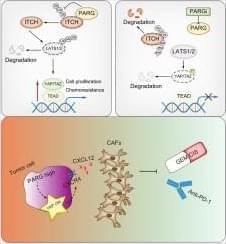
PARG inhibition potentiates the efficacy of chemotherapy and PD-1 blockade in murine cholangiocellular carcinoma models.

PARG (poly(ADP-ribose) glycohydrolase) plays a key role in cancer cells by regulating poly(ADP-ribose) turnover and DNA damage responses, thereby supporting genomic stability, transcriptional programs, and survival pathways that enable tumour growth and treatment resistance. Yu, Xie, Yu, Zhao, Xu, Yang, Wei and coworkers evaluated the role of PARG in the development, progression and resistance to therapy in cholangiocarcinoma. In a cohort of 275 patients with cholangiocellular carcinoma (CCA), they observed that the levels of PARG are hyperactivated in the tumour tissue, and higher levels of PARG are associated with worse prognosis. Pharmacological or genetic inhibition of PARG in murine CCA models suppresses tumour growth by activating the Hippo pathway, leading to YAP/TAZ inactivation and reduced proliferative and stemness programs in cholangiocarcinoma cells. Notably, PARG inhibition synergizes with standard chemotherapy and enhances responsiveness to immunotherapy in mice, suggesting a role in modulating tumour cell–intrinsic survival pathways and the tumour immune microenvironment. Key open questions include the safety and specificity of sustained PARG inhibition in chronic liver disease and whether Hippo pathway activation and immune sensitization observed in models will translate into durable clinical benefit in heterogeneous human tumours.

Full text here: https://www.journal-of-hepatology.eu/article/S0168-8278(…0/fulltext.

EASL — the home of hepatology.


Cholangiocarcinoma (CCA) is a lethal malignancy with limited therapeutic options. We investigated the oncogenic role of poly(ADP-ribose) glycohydrolase (PARG) and evaluated potential therapeutic strategies.

Colonizing Brown Dwarfs — Life Around Failed Stars

Colonizing brown dwarfs: habitats, megastructures, and hidden homes around failed stars. Could these dim embers power civilizations for trillions of years?

Get Nebula using my link for 50% off an annual subscription: https://go.nebula.tv/isaacarthur.
Watch my exclusive video Lazarus Protocols: https://nebula.tv/videos/isaacarthur–… out 17 Pages: https://nebula.tv/17pages?ref=isaacar… and A Bit Obscure https://nebula.tv/abitfrank/a-bit-obs… 🛒 SFIA Merchandise: https://isaac-arthur-shop.fourthwall… 🌐 Visit our Website: http://www.isaacarthur.net ❤️ Support us on Patreon: / isaacarthur ⭐ Support us on Subscribestar: https://www.subscribestar.com/isaac-a… 👥 Facebook Group: / 1,583,992,725,237,264 📣 Reddit Community: / isaacarthur 🐦 Follow on Twitter / X: / isaac_a_arthur 💬 SFIA Discord Server: / discord Credits: Colonizing Brown Dwarfs – Life Around Failed Stars Written, Produced & Narrated by: Isaac Arthur Graphics from Fishy Tree, Jeremy Jozwik, Udo Schroeter Music Courtesy of Chris Zabriskie & Stellardrone Select imagery/video supplied by Getty Images Chapters 0:00 Intro 1:56 WHAT A BROWN DWARF IS 7:15 L Dwarfs 11:57 T-Dwarfs 17:04 Nebula 18:15 Habitable Zones 22:12 Megastructures.
Check out 17 Pages: https://nebula.tv/17pages?ref=isaacar
and A Bit Obscure https://nebula.tv/abitfrank/a-bit-obs

🛒 SFIA Merchandise: https://isaac-arthur-shop.fourthwall
🌐 Visit our Website: http://www.isaacarthur.net.
❤️ Support us on Patreon: / isaacarthur.
⭐ Support us on Subscribestar: https://www.subscribestar.com/isaac-a
👥 Facebook Group: / 1583992725237264
📣 Reddit Community: / isaacarthur.
🐦 Follow on Twitter / X: / isaac_a_arthur.
💬 SFIA Discord Server: / discord.
Credits:
Colonizing Brown Dwarfs – Life Around Failed Stars.
Written, Produced & Narrated by: Isaac Arthur.
Graphics from Fishy Tree, Jeremy Jozwik, Udo Schroeter.
Music Courtesy of Chris Zabriskie & Stellardrone.
Select imagery/video supplied by Getty Images.

Chapters.
0:00 Intro.
1:56 WHAT A BROWN DWARF IS
7:15 L Dwarfs.
11:57 T-Dwarfs.
17:04 Nebula.
18:15 Habitable Zones.
22:12 Megastructures

Read more

Biological and Clinical Staging of Alzheimer Disease Pathology in Down Syndrome

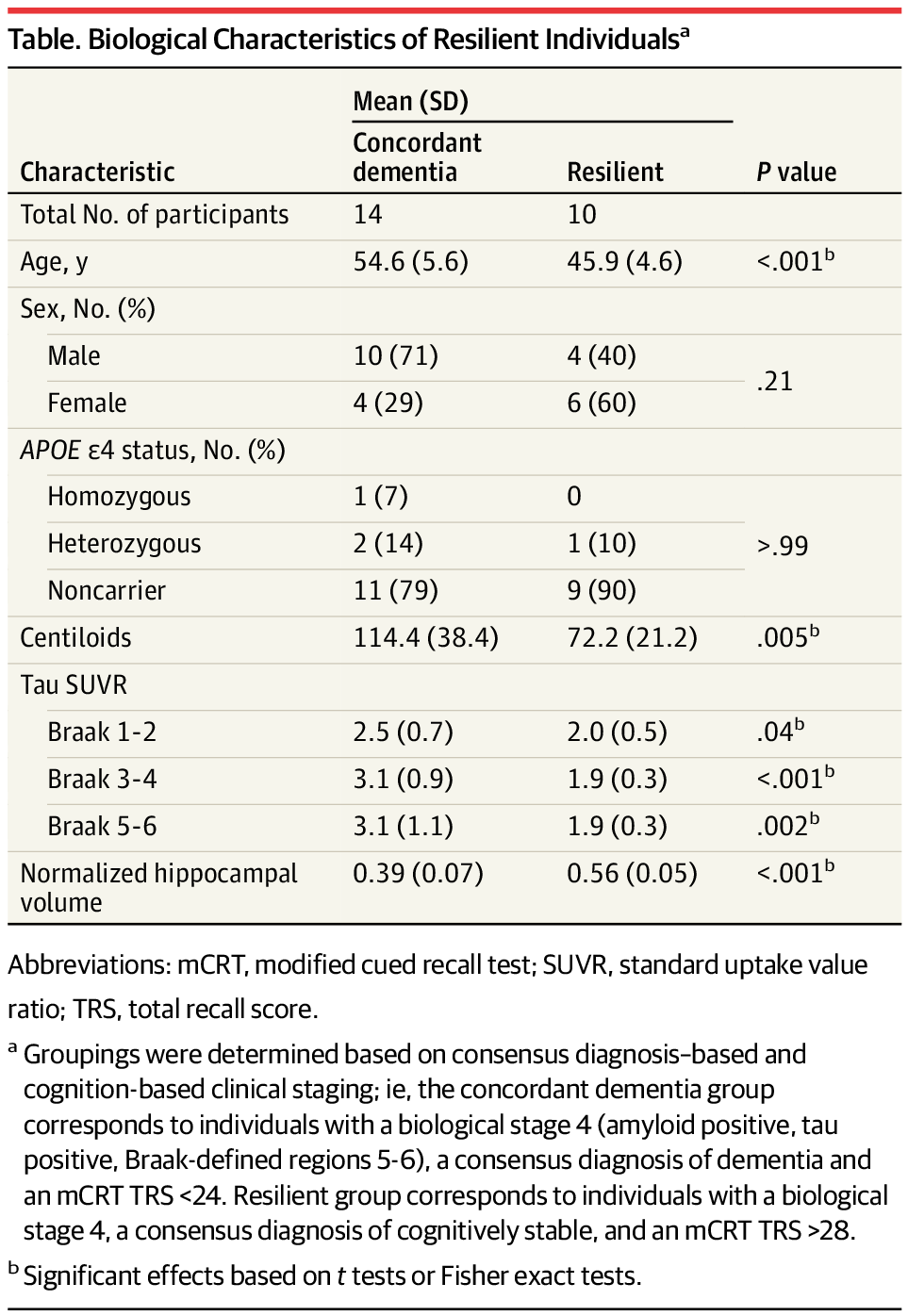
Among adults with DownSyndrome, clinical and biological staging of AlzheimerDisease showed greater concordance compared to sporadic cases, supporting the use of cognition-based staging for clinical trial enrollment. Most discordant cases exhibited more advanced pathology than clinical stage, highlighting resilience mechanisms in this population.


This cross-sectional study examines data for participants in the Alzheimer Biomarker Consortium–Down Syndrome study to gauge the concordance of clinical and biological Alzheimer disease staging.

ACSL4-associated lipid metabolism is a distinct therapeutic vulnerability in KMT2A-rearranged acute myeloid leukemia

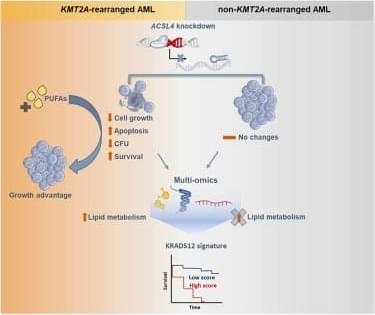
Schäfer et al. identify ACSL4 as a selective vulnerability in KMT2A-rearranged AML. ACSL4 knockdown impairs leukemic growth in vitro and in vivo by reprogramming lipid metabolism, which can be rescued by polyunsaturated fatty acids (PUFAs). A KRADS12 signature derived from ACSL4-dependent cells is associated with poor patient survival.

Vitamin C inhibits ACSL4 to alleviate ferro-aging in primates

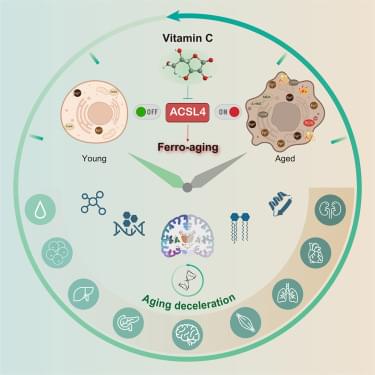
Liu et al. identify that an iron-triggered aging pathway, termed ferro-aging, is orchestrated by ACSL4. Vitamin C directly targets and inhibits ACSL4, thereby blocking ferro-aging. Their further research shows that long-term supplementation in non-human primates systemically attenuates aging and improves metabolic and neurological function.

/* */