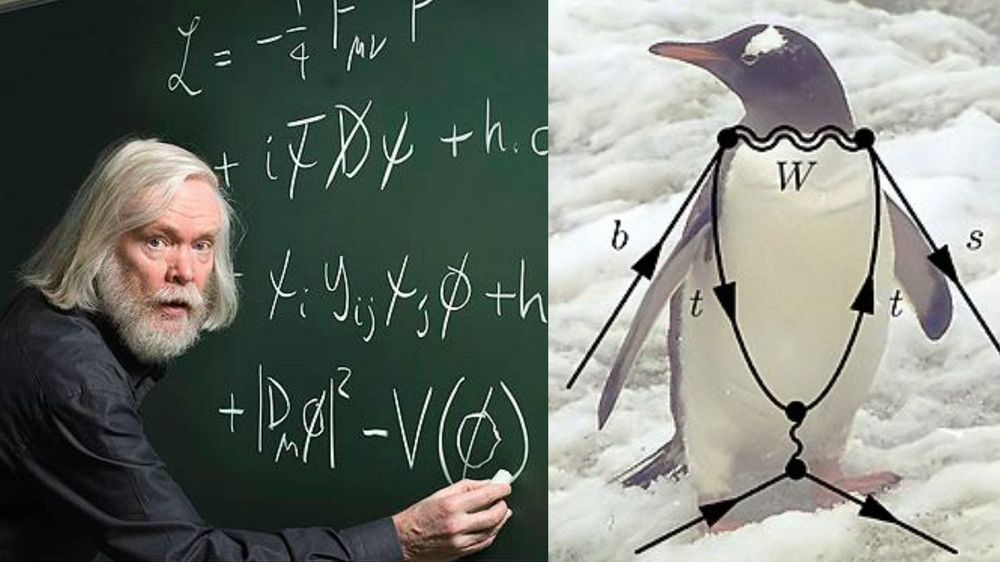
The mission will look for analogues trillions of miles away.
Read more
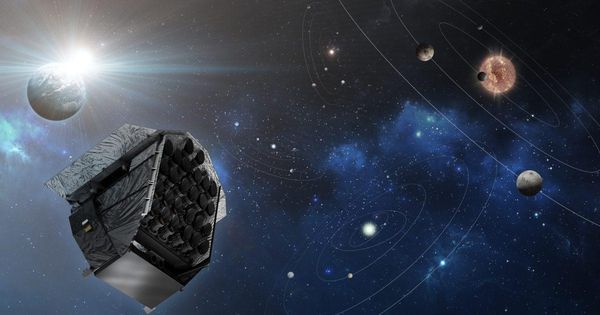
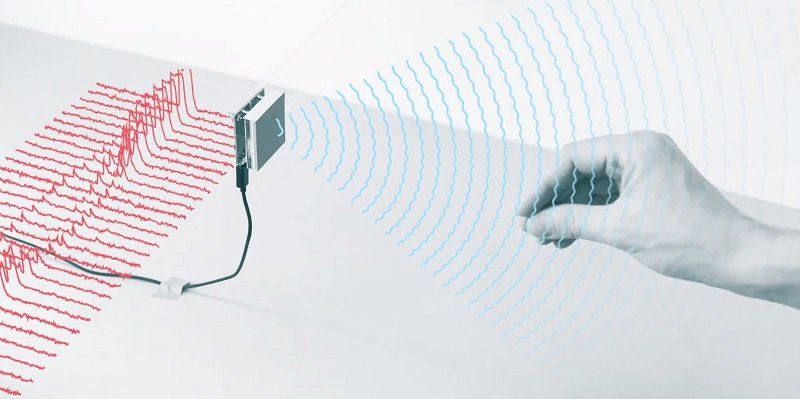
Google has won approval from US regulators to create sensors that can be triggered with hand gestures, dubbed “Project Soli,” Reuters reports.
The news: Google started work on Soli in 2015 but hit a roadblock because the sensors were required to operate at lower power levels than the company planned. These restrictions are in place to stop new products from interfering with other (more important) technologies—in this case radio astronomy and a satellite service. Now the US Federal Communications Commission has granted Google a waiver to let it operate Soli sensors at higher power levels, between 57 and 64 gigahertz. The FCC said this will “serve the public interest.”
How it works: The sensors use radar to capture motion in three-dimensional space. It means users can press invisible buttons or use a virtual dial, for example. The radar signal can penetrate fabrics, meaning it could work through a pocket or backpack.

A new type of money that allows users to make decisions based on information arriving at different locations and times, and that could also protect against attacks from quantum computers, has been proposed by a researcher at the University of Cambridge.
The theoretical framework, dubbed ‘S–money’, could ensure completely unforgeable and secure authentication, and allow faster and more flexible responses than any existing financial technology, harnessing the combined power of quantum theory and relativity. In fact, it could conceivably make it possible to conduct commerce across the Solar System and beyond, without long time lags, although commerce on a galactic scale is a fanciful notion at this point.
Researchers aim to begin testing its practicality on a smaller, Earth-bound scale later this year. S-money requires very fast computations, but may be feasible with current computing technology. Details are published in the Proceedings of the Royal Society A.

5 Mysterious Photos Taken By NASA On The Moon!
Our curiosity has led us to investigate, every aspect and every corner of the moon.
But sometimes, when you’re looking for something, you can find unpleasant surprises, which may disturb you for a long time.
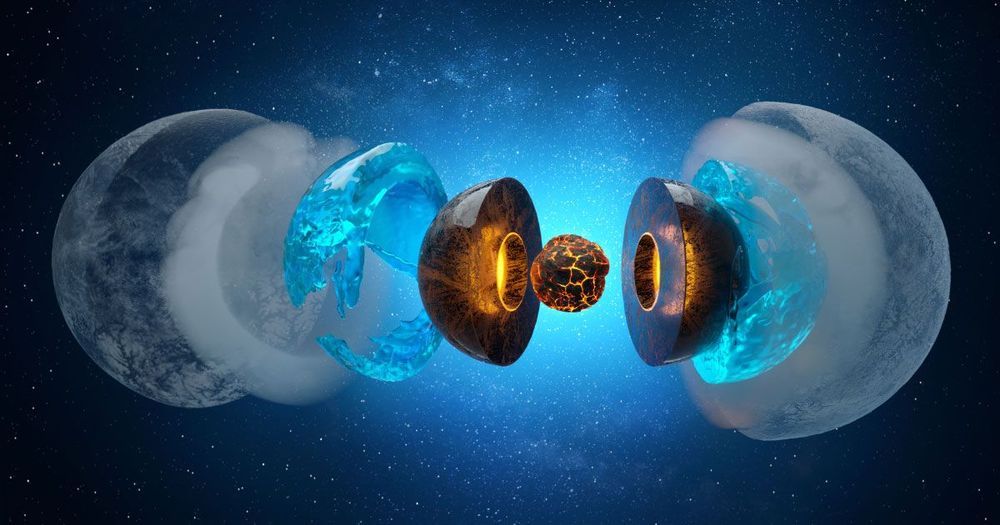
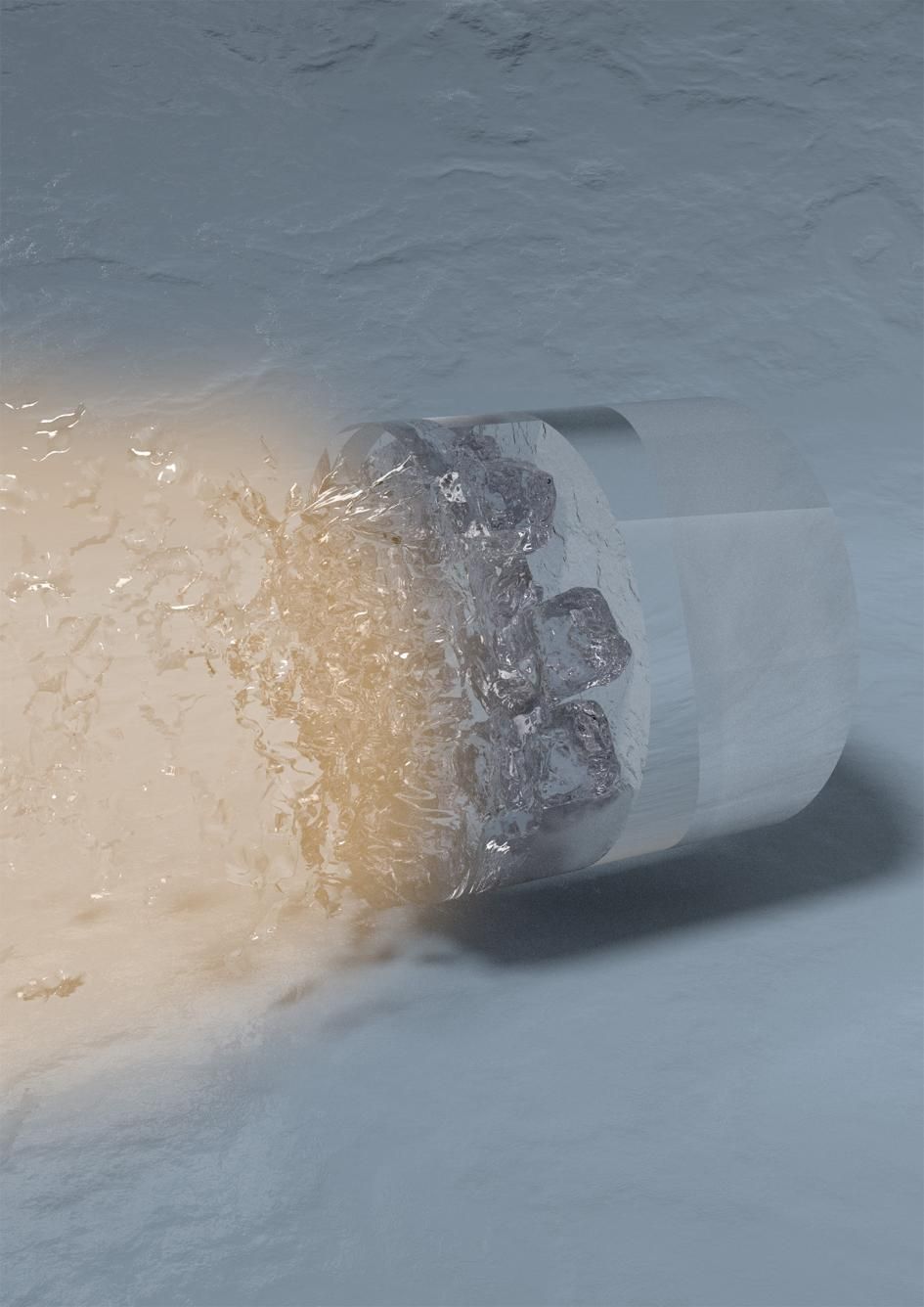
The findings, published today in Nature, confirm the existence of “superionic ice,” a new phase of water with bizarre properties. Unlike the familiar ice found in your freezer or at the north pole, superionic ice is black and hot. A cube of it would weigh four times as much as a normal one. It was first theoretically predicted more than 30 years ago, and although it has never been seen until now, scientists think it might be among the most abundant forms of water in the universe.
A new experiment confirms the existence of “superionic ice,” a bizarre form of water that might comprise the bulk of giant icy planets throughout the universe.

The Milky Way at 38,000ft
This image was taken over the Atlantic Ocean somewhere between Greenland and Iceland. It points towards the galactic centre of our Milky Way. The brightest object to the top right is Jupiter. Other objects that can be seen include The Dark Horse, Pipe Nebula, M23 Cluster, M8 Lagoon Nebula, M20 Trifid Nebula, M22 Globular Cluster, M6 Butterfly Cluster, M7 Cluster among others. How many can you find?