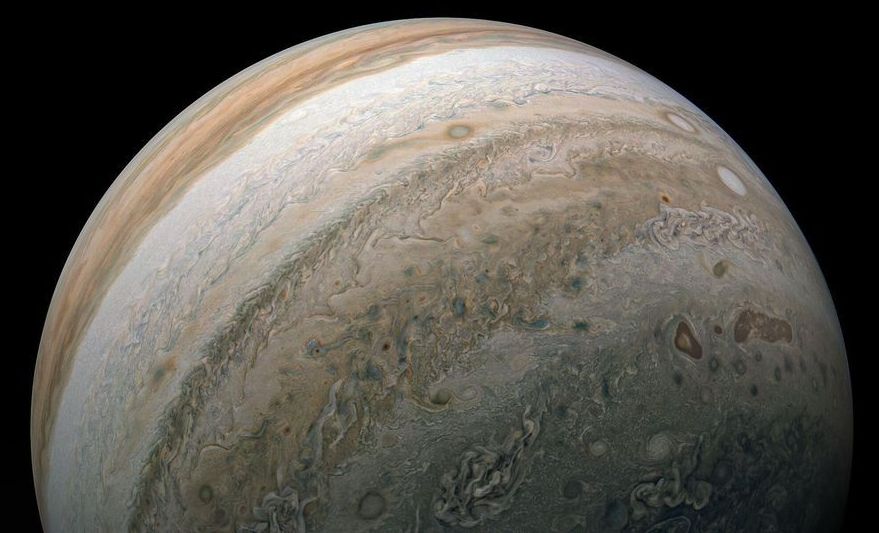
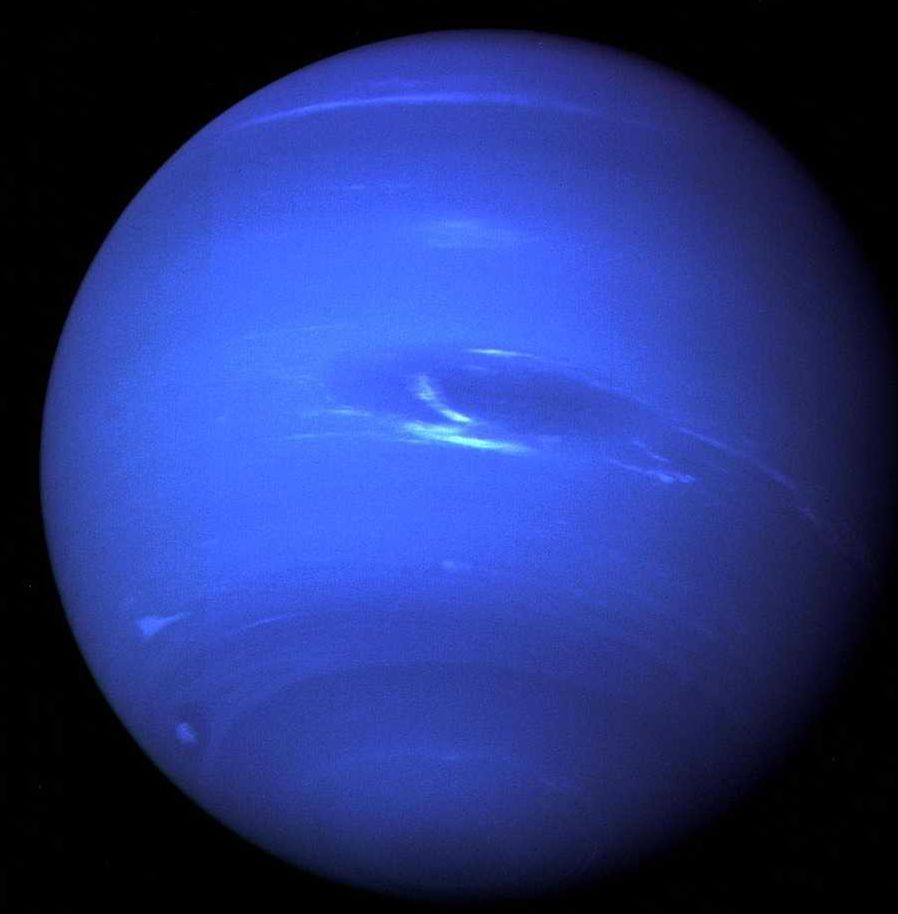
All hail our swirly solar system buddy.
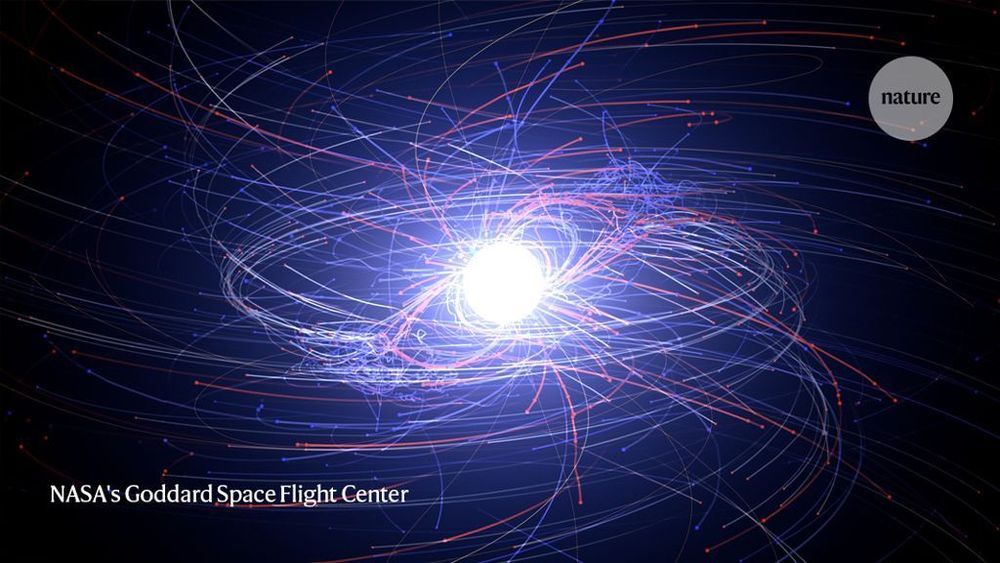
Astronomers know that much about how neutron stars are born. Yet exactly what happens afterwards, inside these ultra-dense cores, remains a mystery. Some researchers theorize that neutrons might dominate all the way down to the centre. Others hypothesize that the incredible pressure compacts the material into more exotic particles or states that squish and deform in unusual ways.
Now, after decades of speculation, researchers are getting closer to solving the enigma, in part thanks to an instrument on the International Space Station called the Neutron Star Interior Composition Explorer (NICER).
These stellar remnants are some of the Universe’s most enigmatic objects — and they are finally starting to give up their secrets.
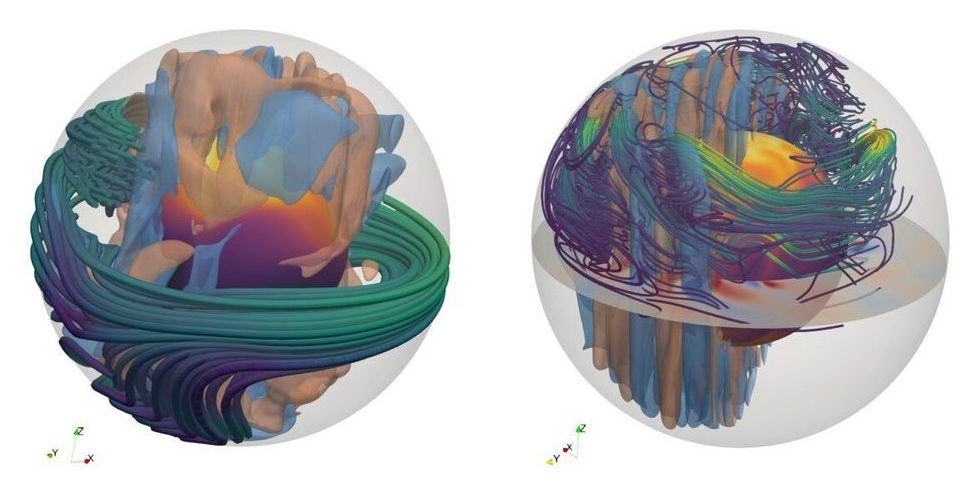
Magnetars are neutron stars endowed with the strongest magnetic fields observed in the universe, but their origin remains controversial. In a study published in Science Advances, a team of scientists from CEA, Saclay, the Max Planck Institute for Astrophysics (MPA), and the Institut de Physique du Globe de Paris developed a new and unprecedentedly detailed computer model that can explain the genesis of these gigantic fields through the amplification of pre-existing weak fields when rapidly rotating neutron stars are born in collapsing massive stars. The work opens new avenues to understand the most powerful and most luminous explosions of such stars.
Magnetars: what are they?
Neutron stars are compact objects containing one to two solar masses within a radius of about 12 kilometers. Among them, magnetars are characterized by eruptive emission of X-rays and gamma rays. The energy associated with these bursts of intense radiation is probably related to ultra–strong magnetic fields. Magnetars should thus spin down faster than other neutron stars due to enhanced magnetic braking, and measurements of their rotation period evolution have confirmed this scenario. We thus infer that magnetars have a dipole magnetic field of the order of 1015 Gauss (G), i.e., up to 1000 times stronger than typical neutron stars! While the existence of these tremendous magnetic fields is now well established, their origin remains controversial.

Permanent magnets akin to those used on refrigerators could speed the development of fusion energy – the same energy produced by the sun and stars.
In principle, such magnets can greatly simplify the design and production of twisty fusion facilities called stellarators, according to scientists at the U.S. Department of Energy’s (DOE) Princeton Plasma Physics Laboratory (PPPL) and the Max Planck Institute for Plasma Physics in Greifswald, Germany. PPPL founder Lyman Spitzer Jr. invented the stellarator in the early 1950s.
Most stellarators use a set of complex twisted coils that spiral like stripes on a candy cane to produce magnetic fields that shape and control the plasma that fuels fusion reactions. Refrigerator-like permanent magnets could produce the hard part of these essential fields, the researchers say, allowing simple, non-twisted coils to produce the remaining part in place of the complex coils.
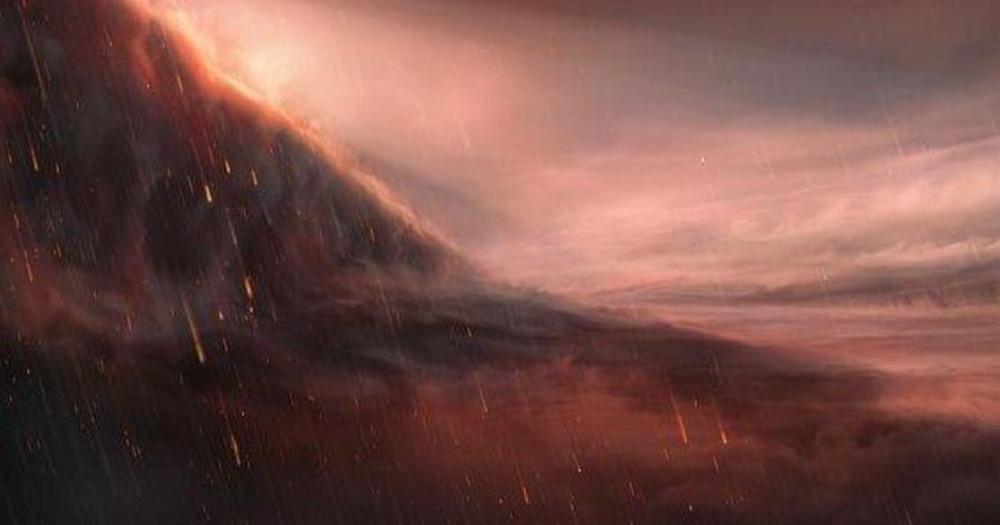
On one particularly hot planet, hundreds of light-years away from Earth, the forecast is cloudy with a chance of liquid iron rain. Scientists recently discovered the bizarre exoplanet, which they referred to as one of the most “extreme” they’ve ever observed.
Using the Very Large Telescope (VLT) at the European Southern Observatory (ESO), researchers observed an “ultra-hot” giant exoplanet, where temperatures can exceed 2,400 degrees Celsius during the day — hot enough to vaporize metals.
One face of the planet, its “day side,” is always facing its parent star and permanently roasting, while the cooler “night side” remains in constant darkness. Because of this, when strong winds push vaporized iron to the night side, it condenses into droplets, creating an iron rainstorm.
Circa 2019
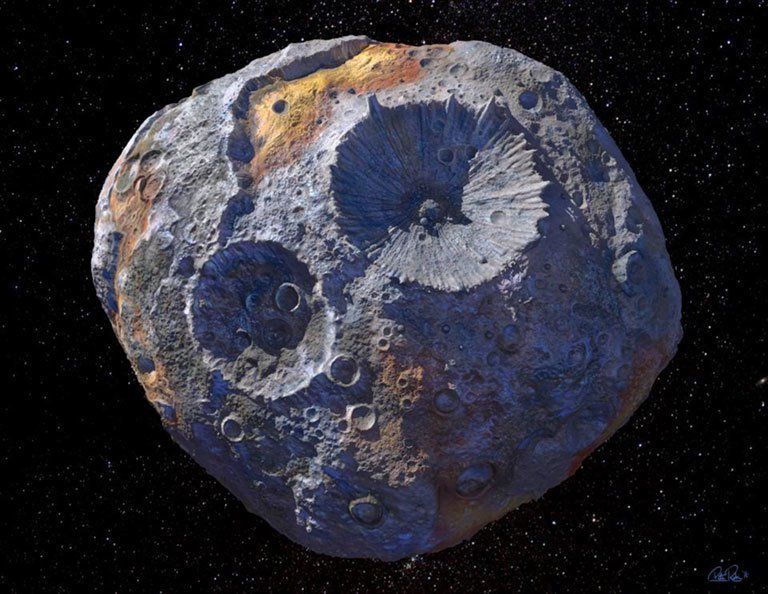
An asteroid that’s filled with gold and enough precious metals to turn everyone on Earth into a billionaire is being studied by NASA.
The asteroid – known as 16 Psyche – has a mass of less than 1% of our moon and it contains heaps of platinum, iron and nickel alongside the gold. The combined total value of all those precious metals would equal out at something like $700 quintillion.
If you brought it back to Earth and shared out the profits equally, it would make all seven billion of us a billionaire many times over.
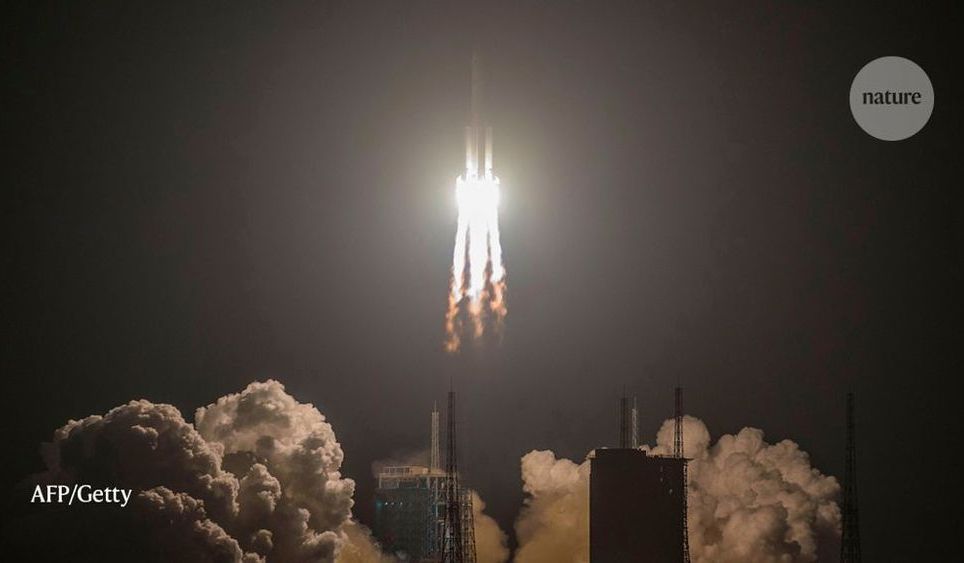
Two other international teams are planning Mars launches in July. NASA plans to deploy a rover named Perseverance, and the United Arab Emirates will send a probe called Hope. The European and Russian space agencies were planning to send a probe to Mars this year, but announced on Thursday that the launch will be delayed by two years so they can finish important tests, and partly because of the coronavirus pandemic.
China’s first journey to Mars is one of the most anticipated space missions of the year. But with parts of the country in some form of lockdown because of the coronavirus, the mission teams have had to find creative ways to continue their work.
Researchers involved in the mission remain tight-lipped about its key aspects, but several reports from Chinese state media say that the outbreak will not affect the July launch — the only window for another two years.
“The launch is so important politically that they will make it happen,” says Raymond Arvidson, a planetary geologist at Washington University in St. Louis, Missouri, who has been involved with several US Mars missions.