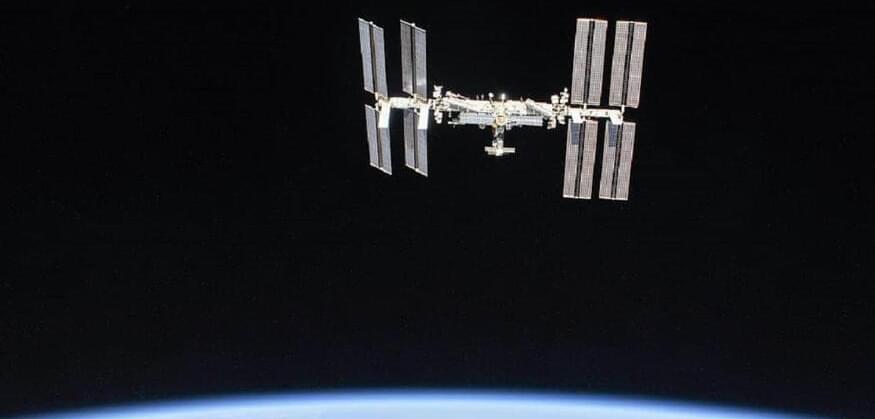
In a new photo of the International Space Station, you can actually make out two astronauts clambering on its exterior during a space walk.
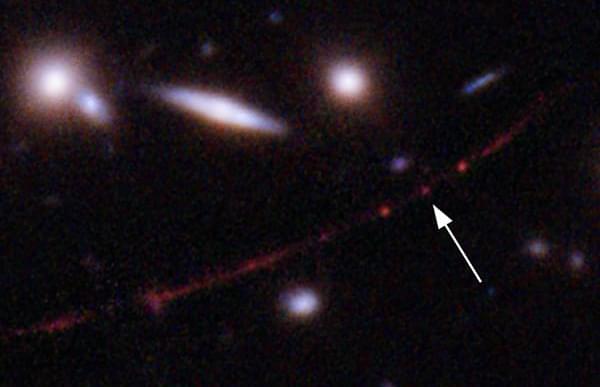
The Hubble Space Telescope has revealed a single star whose light has traveled for 12.9 billion years to Earth, having come from a universe just 900 million years old. It’s currently the most distant star known, and the team has dubbed it Earendel*.
The discovery is a huge jump, as the previous record-holder for more distant star existed in a universe 4 billion years old.
The iconic observatory had some help from nature’s own optics: The vast mass of a foreground cluster of galaxies, sitting just so between us and the distant star, acts like a lens, its gravity magnifying the star’s light thousands-fold. The discovery is published in the March 31st Nature.

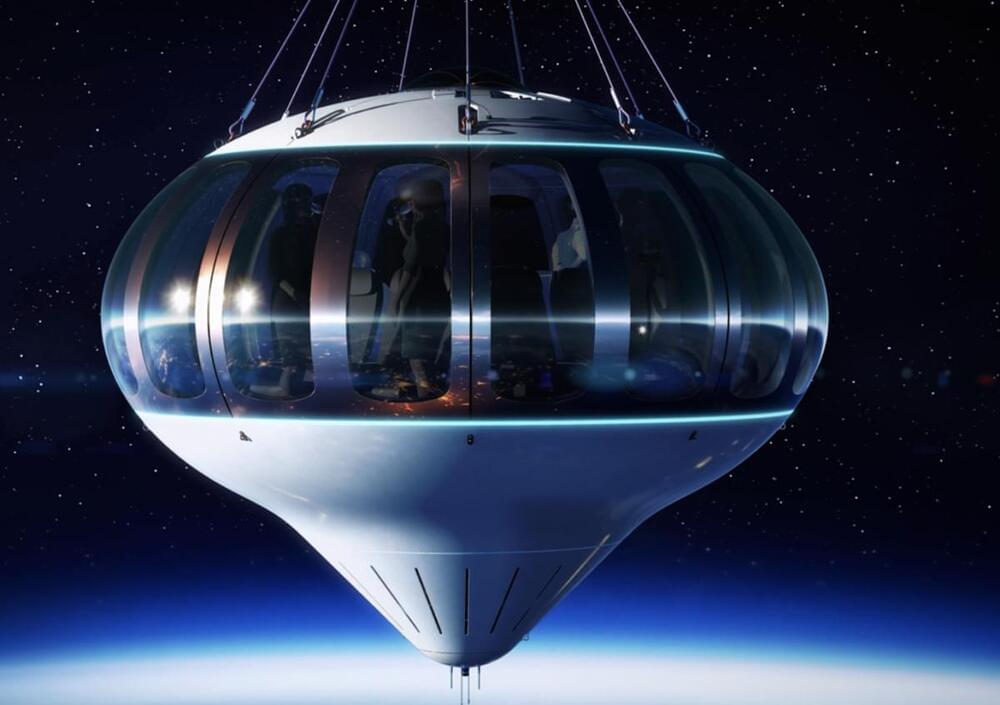
Imagine gliding into space in a pressurized capsule via a huge balloon the size of a football stadium. That’s how one startup plans to take tourists on suborbital journeys 100,000 feet above Earth.
Passengers will be able to observe stunning views during a six hour journey. They will also be able to sip on cocktails from a bar aboard the vessel. (Yes, there’s a bathroom.)
The voyage will happen “very gently and smoothly” and provide passengers “the quintessential astronaut experience,” Jane Poytner, co-founder and co-CEO of Space Perspective, told Yahoo Finance Live.
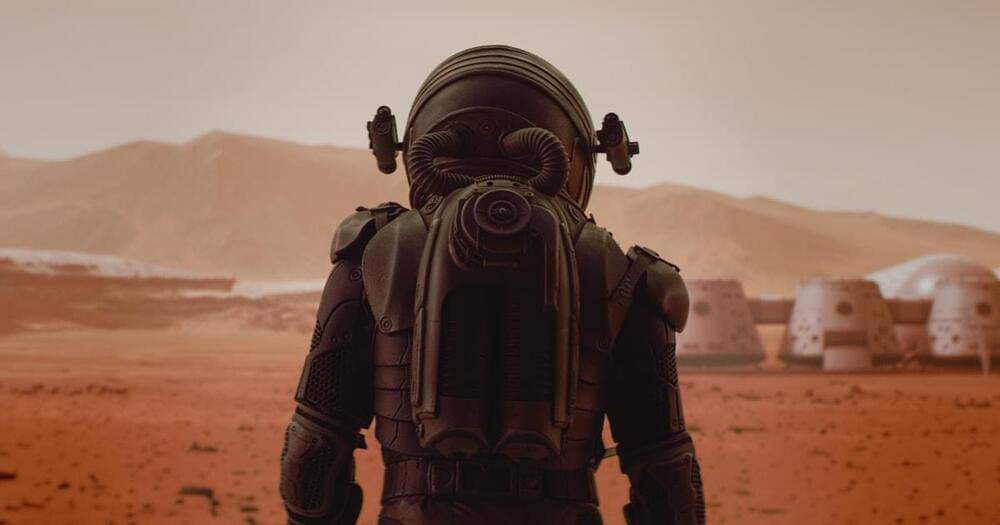
Now, though, new research is helping us understand this strange dusty environment and paving the way for safer Mars missions in the future — like a crewed landing and possibly even a permanent settlement.
The problem of dust
Mars’s surface is covered in fine particles of dust. With its smaller size than Earth, it has lower gravity – around one-third of the gravity here – and a thinner atmosphere, which is around one percent of the density of Earth’s atmosphere. That means it is easy for winds to form and to pick up those dust particles, blowing them into a dust storm.
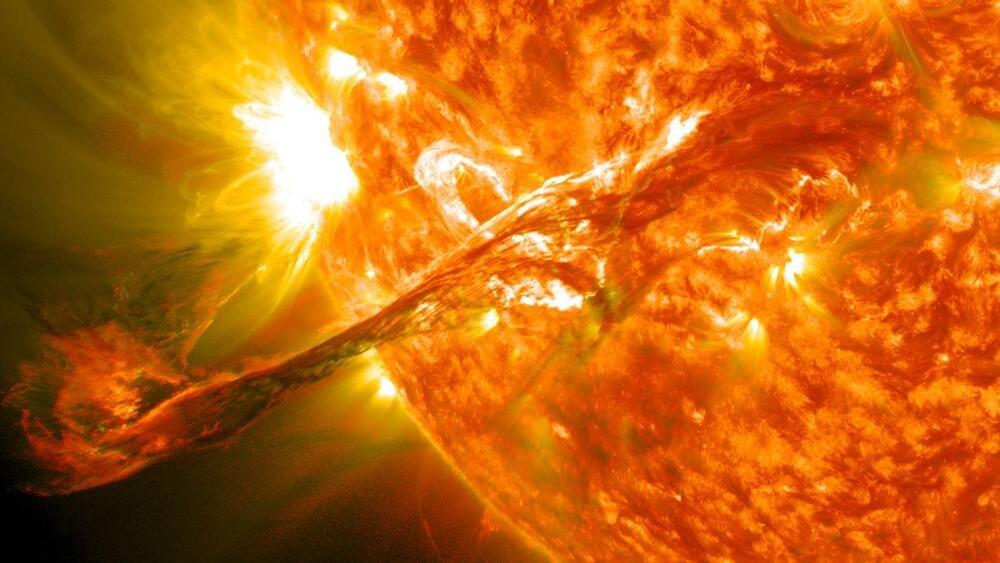
The sunspot, called AR2975, has been shooting out flares of electrically charged particles from the sun’s plasma soup since Monday (March 28). Sunspots are areas on the sun’s surface where powerful magnetic fields, created by the flow of electrical charges, knot into kinks before suddenly snapping. The resulting release of energy launches bursts of radiation called solar flares, or explosive jets of solar material called coronal mass ejections (CMEs).
Related: Strange new type of solar wave defies physics
Cannibal coronal mass ejections happen when fast-moving solar eruptions overtake earlier eruptions in the same region of space, sweeping up charged particles to form a giant, combined wavefront that triggers a powerful geomagnetic storm.
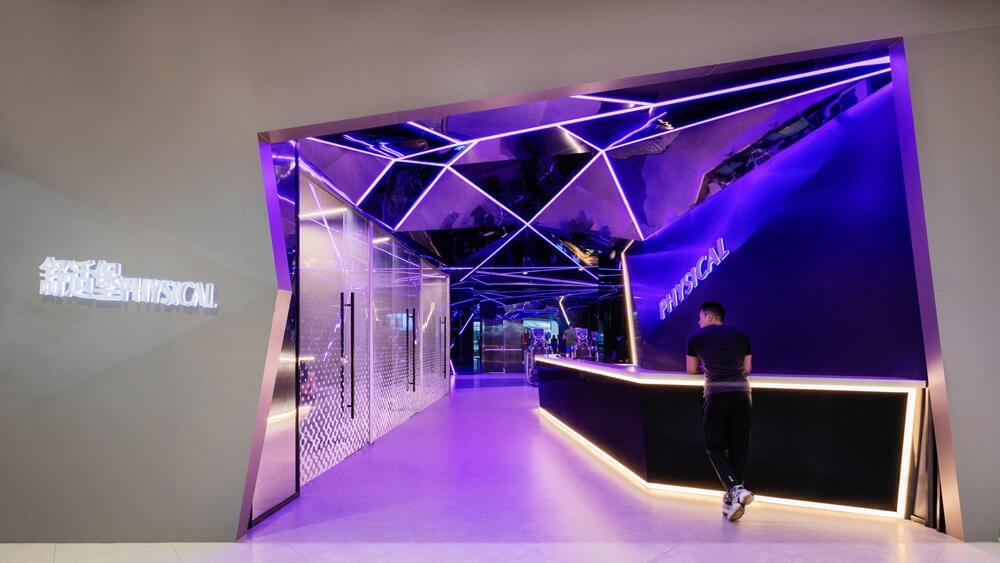
PANORAMA Design Group bagged the 2021 Asia-Pacific Space Designers Association (APSDA) Gold Prize in the Entertainment & Leisure category with their project, Physical 2.0. Combining the two popular social activities among young people, Physical 2.0 aims to create a novel experience for fitness with clubbing elements.
“Our pleasure to receive many recognitions in the inaugural APSDA Awards,” said PANORAMA Design Group. “It’s a solid confirmation for the values and unique experience PANORAMA has created for the users in different spatial typologies.”
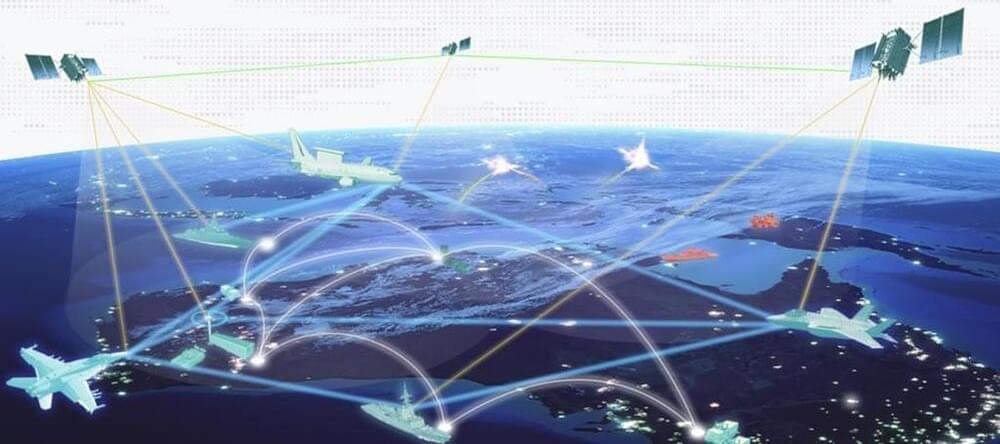
WASHINGTON — SpiderOak Mission Systems announced March 29 it won a contract from Lockheed Martin Space for its cybersecurity software.
The contract allows Lockheed Martin to use SpiderOak’s OrbitSecure software. “This is commercial technology that was developed for terrestrial applications and has been repurposed for the space business, specifically for low Earth orbit,” SpiderOak chairman Charles Beames told SpaceNews.
Beames said he could not disclose the value of the contract with Lockheed Martin. “The goal is to make OrbitSecure available to Lockheed Martin customers as part of an offering to provide an extra level of cybersecurity,” he said.
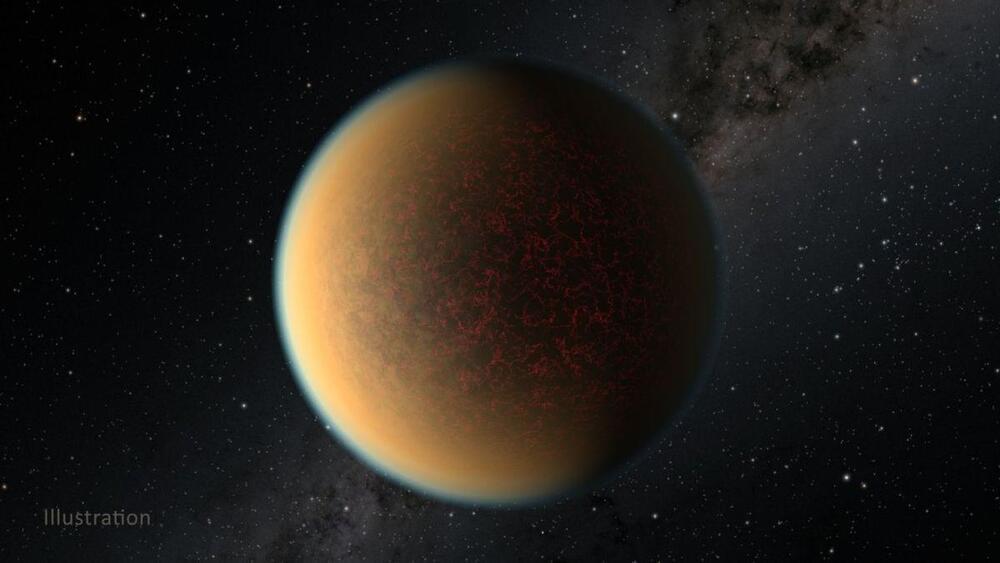
Researchers lay out a framework explaining how methane could be a biosignature rather than a false alarm.
If an exoplanet’s atmosphere contains methane, that could be a sign of life — as long as planetary conditions meet certain criteria. The framework for those conditions has now been established in a new study by researchers from the University of California, Santa Cruz.